Pest Animals: Fox


The most commonly found fox in Ontario is the red fox: Primarily nocturnal, it does not travel in packs as wolves do, but hunts alone or in family groups in forested or open country. Foxes are omnivorous, feeding on small mammals, birds, insects, eggs, fruit, nuts, grains, and even human garbage. Rabbit is the preferred prey animal.
 
 
Identification
The Red Fox has rusty-reddish fur with a white chin, throat, stomach, and tail end. The pointy ears and bushy tail are one of its easily recognizable features. It may stand 16 inches tall, three and a half feet long with an average body weight of up to 15 pounds. The Fox belongs to the canine family and closely resembles a dog, especially when viewed from a distance.

Fox Damage
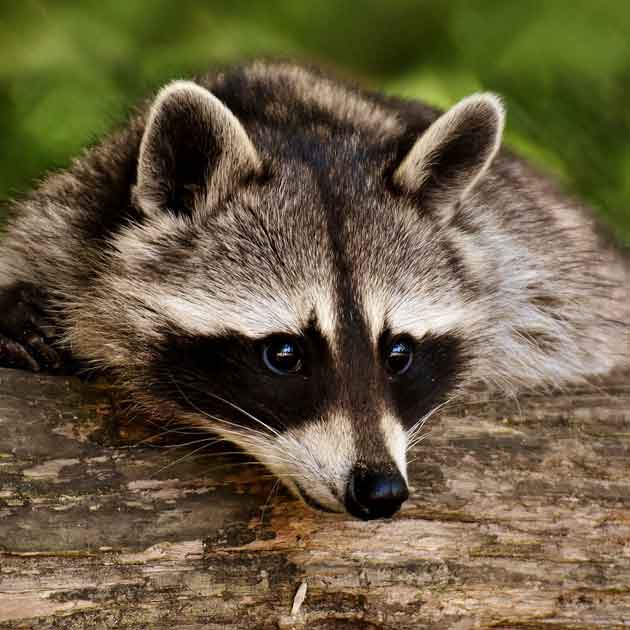
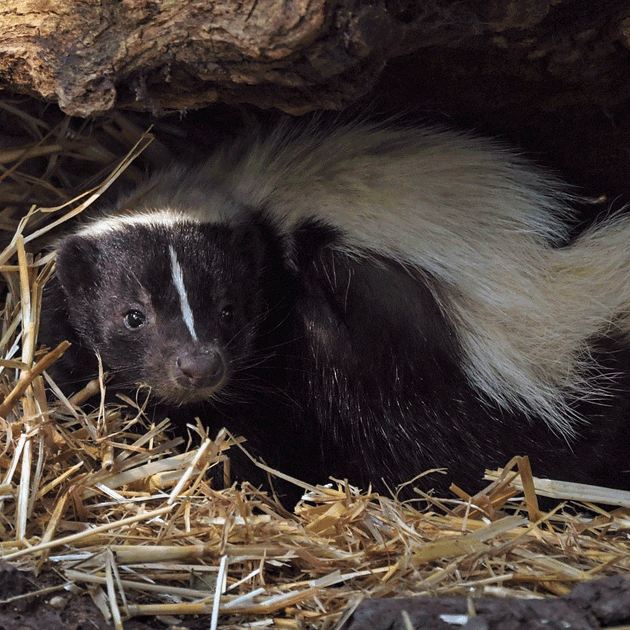
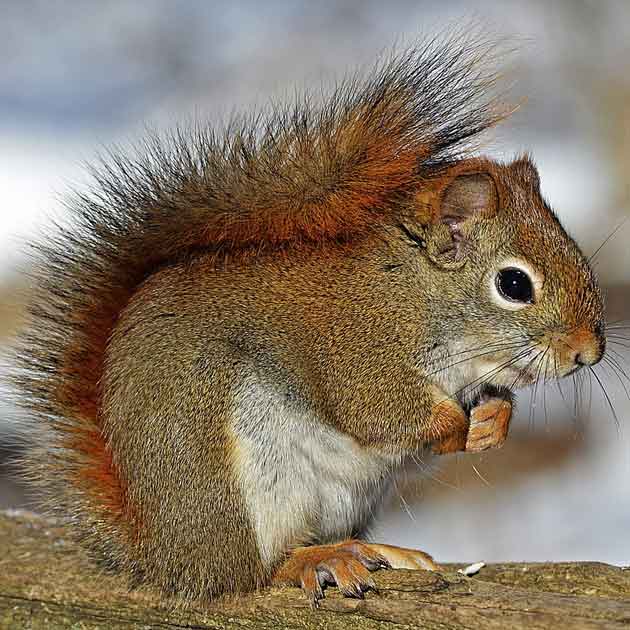
It eats whatever is available, feeding heavily in summer on vegetation, including corn, berries, apples, cherries, grapes, and other agricultural crop. In winter it will prey on birds and small mammals, including mice, rabbits, squirrels, and Woodchucks. In urban areas the fox will often become a nuisance similar to raccoon or skunk.


Fox Control
Preventative measures include Exclusion*. Control methods include Live Trapping*, Licensed Trapping*, Physical Capture*, Shooting*, Relocation*, and Destruction of the animal.

*For adetailed definition of each control method please see Animal Wildlife Control Services & Solutions»


Please note that, in contrast to almost all other Ontario animal control operations, as a licensed furbearer trapping company we are able to employ all of these control methods INCLUDING relocation or permanent removal of captured fox.


Fox Breeding
The fox's breeding period varies widely due to its broad distribution; southern populations breed from December to January, central populations from January to February and northern populations from February to April. An average litter size is 5 kits (also refered to as pups or cubs), but may be as large as 13. Kits are born blind and may weigh as much as 150 grams (0.33 pounds). Their eyes are open by two weeks and the kits have taken their first exploratory steps out of the den by five weeks; by 10 weeks they are fully weaned.

In autumn of the same year, the young foxes will disperse and claim their own territories. Red Foxes reach sexual maturity by 10 months of age, and may live for 12 years in captivity but usually live 3 years in the wild.


Hawkeye Pest and Bird Control | Hawkeye Pest and Animal/Wildlife Control | Privacy Policy
In Ontario our Pest Bird & Animal Wildlife Removal & Control Services & Products are available in: Ajax, Barrie, Bolton, Brampton, Brantford, Burlington, Caledon, Cambridge, Chatham, East York, Georgetown, Guelph, Hamilton, Kitchener, London, Markham, Milton, Mississauga, Newmarket, Niagara Region, Oakville, Orangeville, Oshawa, Ottawa, Peterborough, Richmond Hill, St. Catharines, Scarborough, Shelburne, Thornhill, Toronto-Central West, Toronto-Central East, Toronto-Etobicoke, Toronto North York, Vaughan, Welland, Whitby, Woodbridge. Please visit our Bird and Animal Control Locations page and/or contact us for services in other Canadian Provinces and the U.S.
©1985-2008 Hawkeye Bird Control Inc. RR#4 - 11255 Highway #25, Halton Hills Ontario, L7J 2M1 Canada
Telephone: 416-HAWKEYE (429-5393) | Fax: 866-281-5281 | Email: hawkeye@hawkeye.ca

Web Design, Hosting & Maintenance: GAWD Productions