
Birds Of Prey: Rehabilitation


Healing the GTA’s injured wildlife
TORSTAR NEWS SERVICE
August 12, 2009 5:26 a.m

There was no doubt the swallows sensed the danger, bursting into the air the moment the predator was released.

In the water below, a raft of ducks paddled swiftly in the other direction, making a slightly less frantic but still obvious retreat.

“If that was a larger owl one of those ducks would be history,” said Dan Frankian, after he released a five-inch grey screech owl at Humber Bay Park East.

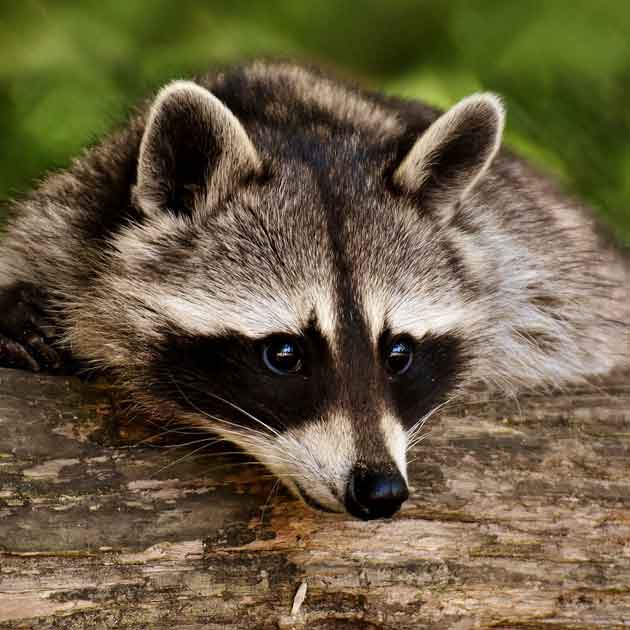
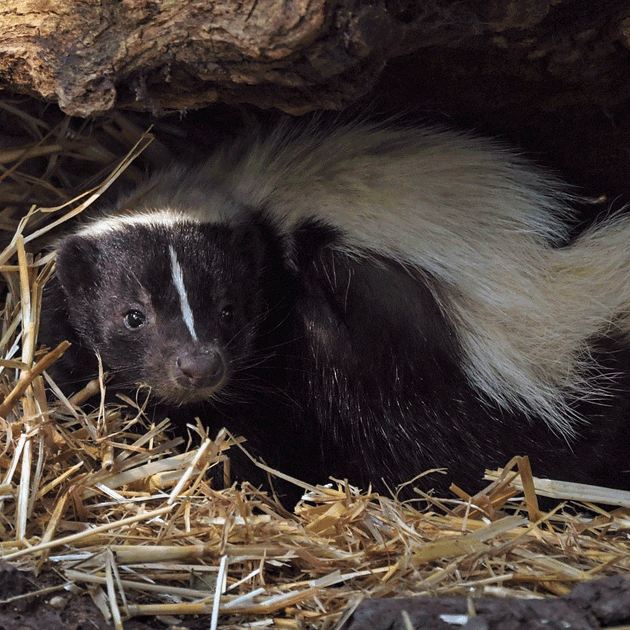
Frankian is a falconer, and owner of Hawkeye Bird & Animal Control Inc. (www.hawkeye.ca). The company rehabilitates injured birds of prey and removes “pests” such as pigeons, geese, raccoons and skunks. They have locations in Oshawa and Halton Hills and serve the GTA.

Founded in 1987, Hawkeye rehabilitates anywhere between three to 30 birds every year. About 70 per cent of birds in their care survive, said Frankian.

Frankian expects the owl will migrate south for the winter, following local birds to the United States.

“It can figure out where it wants to go from here.”


View video here »


-----------------------------------------------------------------------------------------


We not only work with birds of prey but are also deeply committed to protecting and rehabilitating injured or orphaned birds. We may pick up birds needing care or an animal control agency may drop a bird off at Hawkeye. If emergency medical care is required we will transfer the bird to a suitable veterinarian clinic or the University of Guelph Small Animal Clinic in Southern Ontario.

Our recent rescues included a kestrel falcon, a coopers hawk at a Cadillac Fairview Mall, and an owl in Kitchener:


Althought the main rehabilitation center is the Canadian Peregrine Foundation birds are often brought back to us before being released.

What to do when you find a bird or other wildlife? Before picking up a wild animal or calling a rescue center, please Wait!

Watch the bird or animal from a distance…are you sure it is injured or orphaned? With some species, it is quite normal for parents to leave their offspring alone for long periods of time.

Before rescuing any injured or orphaned wild animal it is critical to be sure the animal needs help. Watch the animal. Animals might seem hurt if they are not moving, or abandoned when they are alone. Yet usually they are behaving naturally and their ability to hide or stay still is a survival tactic.

Many infant mammals are left on their own for extended periods of time while their parents are foraging for food. In many bird species the offspring outgrow their nest and their parents continue to raise them on the ground. It is perfectly normal for you to see an infant animal left alone. The best guardian for any young animal is its own parents.

-----------------------------------------------------------------------------------------
Baby birds come in two basic varieties.

Altricial birds are hatched with their eyes closed, often featherless, and must be fed by their parents. Examples of altricial birds include songbirds such as robins and sparrows, and raptors such as hawks and owls.

Precocial birds are those that are able to walk and feed shortly after hatching. They are hatched with their eyes open and are covered in down. Examples of precocial birds include waterfowl such as geese and ducks, and shore birds such as killdeer.

Depending on the type of bird, it must be treated very differently.

About Hatchlings
If the bird is altricial, the best place for it is in the nest where its parents can tend to it. If a hatchling has fallen out of a nest and does not appear to be injured, try to locate the nest and carefully place the bird back in. There is no truth to the tale that a mother bird will not return to the nest if her young smell like humans. Most birds have a very poor sense of smell and won't detect a difference in the smell of their young.

If a nest has fallen out of a tree tie the nest back up in the tree as close to the original position as possible. If you can not locate a nest or the nest has been damaged, a new "nest" can be created by lining a margarine tub with dryer lint, dry leaves or pine needles. DO NOT use fresh grass, mud or cotton as a bird's feet can get caught in it. Poke holes in the bottom of the margarine container to allow for water drainage. DO NOT put a nestling inside a birdhouse as the parents will not look for their young inside a cavity.

Watch the nest from a distance to see if the parents return. If the parents do not return, contact a wildlife rehabilitator as the hatchling will require care. Most importantly, keep the bird warm. Hatchlings lose heat very rapidly. Holding the bird in your hand will do as a temporary measure. Do not attempt to feed the bird or give it water if it is cold. The bird can be temporarily kept warm by placing the bird in it's container on a heating pad set on low or a hot water bottle filled with warm water. It can also be kept warm by placing it under a heat lamp. Be careful not to overheat the nestling.

It is important to get the bird to one of the following proper facilities to care for it:

THE OWL FOUNDATION - Vineland, Ontario (905) 562-5986
WILD BIRD CLINIC - University of Guelph (519) 824-4120, Ext. 4082, 4622

or call Hawkeye Bird Control Inc. at (416) 429-5393.

-----------------------------------------------------------------------------------------

Red Tailed Hawk Returns Home Rehabilitated


On Friday, May 19, 2006 at 11 a.m., the Kitchener-Waterloo Humane Society (KWHS) released a Red Tailed Hawk.  The hawk, native to the Waterloo Region, was found with head trauma near the Frederick Street on-ramp to the expressway last winter.  “It had most likely been hit by a car,” said KWHS Animal Control Officer Sheri Walker.

Walker responded to a report that there was an injured bird on the expressway.  “I approached the bird slowly and tossed a blanket over its head to pick it up,” said Sheri. 

She then brought the bird back to the Shelter.  “These birds are not our expertise, so we call in someone with specialized knowledge,” says Ward McAlister, Manager of KWHS.  He continues, “We are glad to see these birds recover and return to their natural habitat.”  A call was placed to Dan Frankian of Hawkeye Bird Control, a rehabilitation expert in the field of Predatory Birds.

Hawk and Friends

Frankian tells us, “If a bird comes in badly injured, like been hit by a car, or some other serious injury, I take them to the University of Guelph for medical attention which we pay for.  In this case all rehabilitation was carried out by Hawkeye Bird Control.”  The hawk, a mature male with a wingspan of near 49 inches, will be able to reintegrate into its surroundings.

In the past year KWHS has been temporary home to other Raptors including a Kestrel, Sharp Shinned Hawk, Coopers Hawk, Barn Owl, and Screech Owls.  “The Grand River area is rich in food for these types of birds like smaller rabbits, snakes, lizards, insects and some birds,” says Frankian.

Kitchener-Waterloo Humane Society


ON A WING AND A PRAYER

Sheri Walker, a bylaw officer with the Kitchener/Waterloo Humane Society, releases a redtail hawk yesterday near Riverbend Drive as falconer Dan Frankian watches. Walker rescued the hawk in December after it had been struck by a vehicle. She called Frankian, who nursed the bird back to health.


BIRDS TAKE FLIGHT
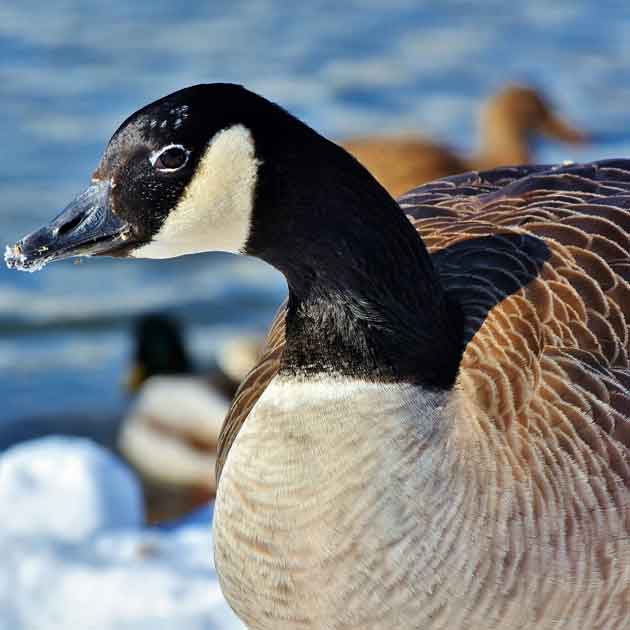
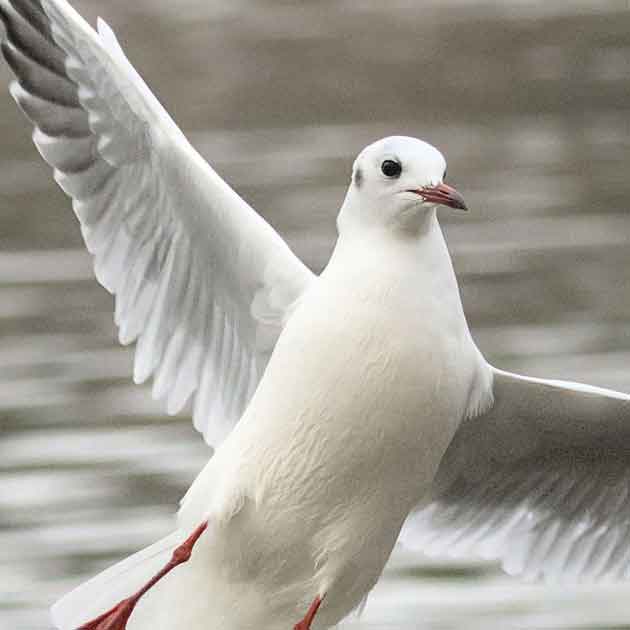
Dan Frankian from Hawkeye releases a Cooper's hawk in Chinguacousy Park, close to its main food source, starlings and sparrows. Brought to the bird centre some weeks ago, the Cooper's hawk was suffering from a head injury and was nursed back to health. The Hawkeye centre is contracted by the Region of Peel to keep seagulls away from dump sights and Canada geese from regional golf clubs using a variety of hawks. Every now and then, they receive an injured bird of prey and release it back to the wilds after nursing it back to health.

The above article appeared in the Brampton Guardian August 2002


A BIRD IN THE HAND...
Most times, when four motherless young Kestrel falcons are found in a heating ductwork at an east end Scarborough warehouse scheduled for demolition, their chances of ever soaring above in the sky are next to nil.But thanks to services like Hawkeye Bird Control, birds in that situation do have a second chance, due to the efforts of company owner Dan Frankian.Located on Hwy 25, south of Acton, Frankian's company is in the business of offering a bird ambulance service to birds of prey that are injured, or, as in the case of the Kestrels, are unable to look after themselves, and need to be helped along until they can be released back to the wild. Last week Frankian released the four young birds
found in Scarborough, allowing them to return to the life Mother Nature intended for them."Those kestrels are probably two-and-a-half months old," said Frankian, "Since we brought them here, they've had to be taught how to hunt, and basically fend for themselves in the wild. Otherwise they'd have died."Frankian works closely with animal control service all over the GTA. He says the business not only offers a bird ambulance service, but triage and long term rehabilitation to make sure they are in good shape before taking flight into the wild."If a bird comes in badly injured, like been hit by a car, or some other serious injury, I take them to the University of Guelph for medical attention. Depending on how serious the injury is, they will likely

return to me to be rehabbed before release."Frankian added some birds can't be released if they are too badly injured, so they sometimes remain at the university for education purposes or at his facility.When asked how one teaches a young Kestrel falcon to hunt, Frankian showed a long bird enclosure on the property, in which he places the young falcons.Using sparrows, he releases the birds into the enclosure with the falcons'
working with then until their hunting instincts eventually take over. As they learn to pursue and attack their prey, they become proficient enough to be released. The Kestrel is a small falcon, growing only to a height of about ten inches, while weighing in at three to four ounces, so small birds like sparrows and swallows are its main staple diet. By the time they fly away, they can swoop down at deadly speed and hit their prey before they know it.At any given time, Frankian has more than a dozen birds recuperating or undergoing rehab at his facility, before being released. Encompassing everything from huge owls and hawks, to the smaller falcons, he has even brought a huge bald eagle back from injury, giving the bird a second chance at survival.

Written By: Ted Brown "As appeared on the Front Page August 21, 2002 issue of the Independent & Free Press."


HAWKMAN READY TO LEND FINE FEATHERED FRIENDS A HAND

Dan Frankian is a fan of the Mississauga raptors, and he's not a confused basketball supporter. Frankian has always had a fondness for raptors - as in birds of prey - not dinosaurs or basketball teams. In fact, Frankian likes birds so much that he not only has a business that involves them, but he spends a lot of his spare time in a voluntary business seeing that injured birds get nursed back to health.


On Friday, the 32-year-old Mississaugan released a year-old red-tailed hawk just behind St. John's Lithuanian Church on Stavebank Road. In mid-November, the bird was found by a City animal control officer near The Queensway and Stavebank. It was on its back and wasn't moving well. Animal control officers think it may have been hit by a vehicle. That's where Frankian came in.

For the past four years, he's been working with the local animal shelter to see that injured birds of prey get the quick medical attention they need. When an animal comes in, Frankian is called.
He assesses the bird and, in most cases, gives it initial treatment and then drives it to the small animal clinic at the University of Guelph, which he says is probably the best of its kind on this side of the continent.

His role means that Frankian has to essentially be on call all the time and be ready to spring into action whenever an injured bird is brought in.

But, even though he receives no compensation for his efforts, he relishes the opportunity. "In the past, it would often be two or three days before a bird could be picked up," he says. "The birds were dying."

In his own business, Hawkeye Bird Control Inc., the falconer is hired by companies who are having trouble with birds. He uses his bird of prey to drive the troublesome birds off. Frankian seems taken aback by a question about why he does what he does.
"Because of a love of the birds," he says matter-of-factly.
"I give the birds a fighting chance. We do so much to destroy the environment that some of us have to put something back." His reward comes on days like Friday, when he saw the bird he nursed back to health by himself, fly with strong steady beats up into a nearby tree to start a renewed life in the wild.


The above article appeared in the Mississauga News,
front cover page, Weekend Edition, on December 15th, 1996. Vol 32, No 61


Hawkeye Pest and Bird Control | Hawkeye Pest and Animal/Wildlife Control | Privacy Policy
In Ontario our Pest Bird & Animal Wildlife Removal & Control Services & Products are available in: Ajax, Barrie, Bolton, Brampton, Brantford, Burlington, Caledon, Cambridge, Chatham, East York, Georgetown, Guelph, Hamilton, Kitchener, London, Markham, Milton, Mississauga, Newmarket, Niagara Region, Oakville, Orangeville, Oshawa, Ottawa, Peterborough, Richmond Hill, St. Catharines, Scarborough, Shelburne, Thornhill, Toronto-Central West, Toronto-Central East, Toronto-Etobicoke, Toronto North York, Vaughan, Welland, Whitby, Woodbridge. Please visit our Bird and Animal Control Locations page and/or contact us for services in other Canadian Provinces and the U.S.
©1985-2008 Hawkeye Bird Control Inc. RR#4 - 11255 Highway #25, Halton Hills Ontario, L7J 2M1 Canada
Telephone: 416-HAWKEYE (429-5393) | Fax: 866-281-5281 | Email: hawkeye@hawkeye.ca

Web Design, Hosting & Maintenance: GAWD Productions