




Hawkeye Bird and Animal Control has been synonymous with Excellence in Humane Pest Bird Control and Animal & Wildlife Removal for over 35 years. Call us today at 416.429.5393


Hawkeye Bird and Animal Control Services

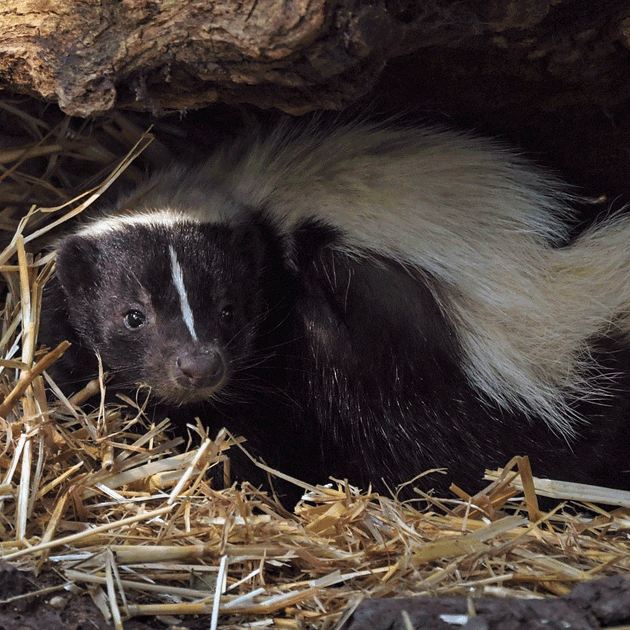
skunk removal

  • How to Get Rid of Skunks in Window Wells

    The window well we're talking about is the gap the between ground level and basement windows. That space that almost guaranteed you won a hide-and-seek game when you were a kid. While human youngsters may jump down into window wells on purpose, some unfortunate wildlife (most often skunks) end up there entirely unintentionally.
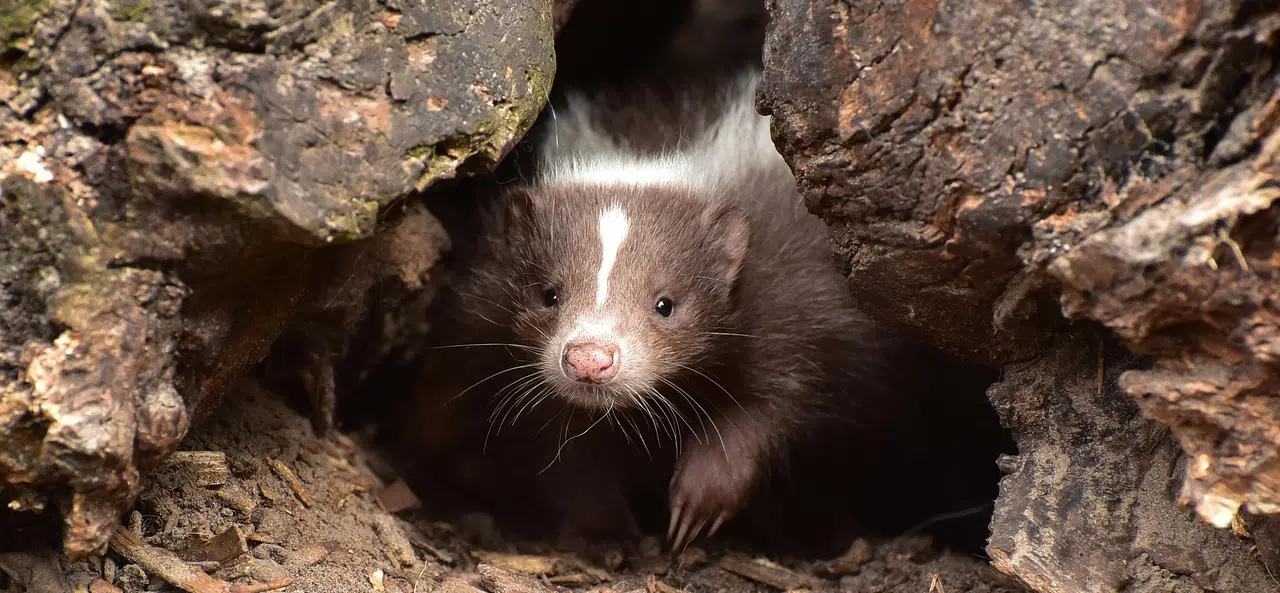
    skunks looking out of rock crevice

    While skunks are actually better equipped to see in the dark than during daylight hours, their eyesight (peripheral vision, in particular) is not the most impressive in the animal kingdom. They mostly navigate by smell and hearing, and those senses are highly developed. So, being a bit on the clumsy side and definitely not known for their agility, short, stocky, and slow-moving skunks can quite easily take a tumble and get trapped in a window well, unable to escape due to its depth.

    Surely, homeowners and animals alike will want to end the predicament of a skunk in a window well in a hurry, but doing so may not be such an easy task - at least not without some resistance and the unmistakable aroma that tends to linger long after the animal has vacated the premises.

    So, what is the best way to get rid of skunks? Unlike other animal control companies, Hawkeye Bird & Animal Control offers legal and sanctioned skunk removal methods beyond trapping and relocation. 
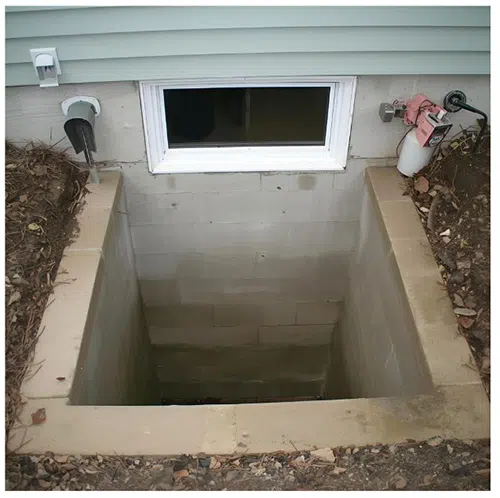
    basement window wellWhy Skunks Fall into Window Wells

    As mentioned above, skunks aren't famous for their eyesight or athletic abilities - and in normal, everyday skunk life, that's fine. But when it comes to navigating around human structures, this can get them in trouble fast. So, let's have a look at reasons within our control that these creatures might fall into a home or building’s window wells, so we can help prevent the situation in the first place.

    • Absence of Covers or Caps over Window Wells
      Covering a basement window well not only protects it from unexpected animal visitors but also helps it stay clear of debris, water, and snow. Cover options range from polycarbonate covers to sturdy metal grates.

    • Overgrown Vegetation
      Trimming back vegetation may aid in making the window well more visible as well as make it less likely to attract insects (a favourite food source for skunks!) in your yard.

    • Clutter and Food Sources
      Getting rid of yard clutter that may attract nightly exploration and removing food sources like pet food will make your yard less of a draw for skunks (and other wildlife). And don't forget to secure your garbage bins. Skunks are scavengers and will happily raid your trash.

    Seasonal Patterns of Skunks in Window Wells

    The chance of a skunk ending up in your window well is greatest from spring to autumn. While skunks do not hibernate, they enter a state of torpor during the winter months which results in much sleep and reduced activity to conserve energy.

    • Spring
      This season is full of activity - young mother skunks are out 'n about foraging to feed themselves and in turn, nurse their babies. Trapping a skunk while she's caring for her young would be even more tragic in spring time, as newborn skunks are born blind and deaf and completely dependent on their mother for survival.

    • Summer
      Window well accidents may be even more likely during the summer, the later part in particular, as young skunks begin to roam the outside world and learn to forage on their own. Summer also offers fruit trees, berries, and vegetable gardens for skunks to explore in your yard.

    • Fall
      Fall sees young skunks venturing off on their own and into early adulthood. Feeding and putting on weight for winter is the main focus now. As food sources become more scarce and the need to find a suitable winter den becomes urgent, skunks are more likely to explore areas close to human dwellings.

    • Late Winter
      Skunks are among the first to say "nuts to this" and emerge to engage in mating rituals, hence signaling the end of winter. By the end of February, eligible skunks are on a mission to find a mate. Males will travel up to five miles to mate with as many females as possible. It's a busy time of year :)

Loading...

Request a call-back

How to Get Rid of Skunks in Window Wells

The window well we're talking about is the gap the between ground level and basement windows. That space that almost guaranteed you won a hide-and-seek game when you were a kid. While human youngsters may jump down into window wells on purpose, some unfortunate wildlife (most often skunks) end up there entirely unintentionally.

While skunks are actually better equipped to see in the dark than during daylight hours, their eyesight (peripheral vision, in particular) is not the most impressive in the animal kingdom. They mostly navigate by smell and hearing, and those senses are highly developed. So, being a bit on the clumsy side and definitely not known for their agility, short, stocky, and slow-moving skunks can quite easily take a tumble and get trapped in a window well, unable to escape due to its depth.

Surely, homeowners and animals alike will want to end the predicament of a skunk in a window well in a hurry, but doing so may not be such an easy task - at least not without some resistance and the unmistakable aroma that tends to linger long after the animal has vacated the premises.

So, what is the best way to get rid of skunks? Unlike other animal control companies, Hawkeye Bird & Animal Control offers legal and sanctioned skunk removal methods beyond trapping and relocation. 

Why Skunks Fall into Window Wells

As mentioned above, skunks aren't famous for their eyesight or athletic abilities - and in normal, everyday skunk life, that's fine. But when it comes to navigating around human structures, this can get them in trouble fast. So, let's have a look at reasons within our control that these creatures might fall into a home or building’s window wells, so we can help prevent the situation in the first place.

  • Absence of Covers or Caps over Window Wells

    Covering a basement window well not only protects it from unexpected animal visitors but also helps it stay clear of debris, water, and snow. Cover options range from polycarbonate covers to sturdy metal grates.

  • Overgrown Vegetation
    Trimming back vegetation may aid in making the window well more visible as well as make it less likely to attract insects (a favourite food source for skunks!) in your yard.

  • Clutter and Food Sources
    Getting rid of yard clutter that may attract nightly exploration and removing food sources like pet food will make your yard less of a draw for skunks (and other wildlife). And don't forget to secure your garbage bins. Skunks are scavengers and will happily raid your trash.

Seasonal Patterns of Skunks in Window Wells

The chance of a skunk ending up in your window well is greatest from spring to autumn. While skunks do not hibernate, they enter a state of torpor during the winter months which results in much sleep and reduced activity to conserve energy.

  • Spring
    This season is full of activity - young mother skunks are out 'n about foraging to feed themselves and in turn, nurse their babies. Trapping a skunk while she's caring for her young would be even more tragic in spring time, as newborn skunks are born blind and deaf and completely dependent on their mother for survival.

  • Summer
    Window well accidents may be even more likely during the summer, the later part in particular, as young skunks begin to roam the outside world and learn to forage on their own. Summer also offers fruit trees, berries, and vegetable gardens for skunks to explore in your yard.

  • Fall
    Fall sees young skunks venturing off on their own and into early adulthood. Feeding and putting on weight for winter is the main focus now. As food sources become more scarce and the need to find a suitable winter den becomes urgent, skunks are more likely to explore areas close to human dwellings.

  • Late Winter
    Skunks are among the first to say "nuts to this" and emerge to engage in mating rituals, hence signaling the end of winter. By the end of February, eligible skunks are on a mission to find a mate. Males will travel up to five miles to mate with as many females as possible. It's a busy time of year :)

Read more …


In Ontario, Hawkeye offers Bird control, Animal control, Wildlife removal services and products in: