




Hawkeye Bird and Animal Control has been synonymous with Excellence in Humane Pest Bird Control and Animal & Wildlife Removal for over 35 years. Call us today at 416.429.5393


Hawkeye Bird and Animal Control Services

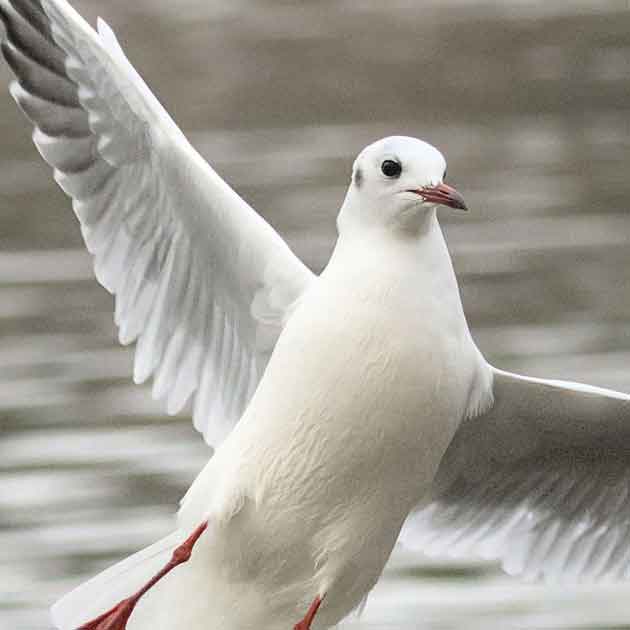
There are thousands of birds affecting safety at our landfills; Gulls are in their highest number in Ontario. A recent study showed the population of gulls doubles approximately every two to three nesting seasons.


Safety Concerns

There are major health and safety reasons for removal of such birds. Should the landfill have a large number of gulls around the face area, it becomes close to impossible for the bulldozer operators to even see each other. If you have ever been behind the wheel of one of these you will understand why. There are large vertical grilled bars that extend from the bucket of the bulldozer to help push the garbage. It requires the skill of an experienced operator to see through that without adding a couple thousand birds at the operator's eye Level.


Aircraft Safety

Another reason why gulls should be removed from landfill areas is aircraft safety. Many landfills are located near commercial or recreational airfields in the flight path of such airports.


In one bizarre accident involving birds an international jetliner was ready for landing at a European airport when, upon decent, they flew over a landfill and struck two geese which entered the cockpit decapitating the captain and crashing through into first class.


In another incident, the Concord flew out of New York John F. Kennedy's Airport, and while flying over an area landfill, the Concord hit a flock of gulls resulting in the total loss of the left engine and extensive wing damage. This grounded the aircraft for weeks.


Health Concerns

And then there are health considerations. Gulls & starlings are attracted to feed at the face site. The birds might ingest their food on the landfill or take those items off landfill property. This removal of garbage is a large concern as waste material from landfills is transferred to nearby residential properties via birds. If the landfill is close to farmers fields, the potential for transplanted disease to animals as well as crop damage is quite large. If the landfill is near residential housing you could be at risk of spreading several diseases such as e-coli & salmonella.


There is also another contamination concern. Some landfills receive garbage from International Airports. The airport deposits all of its garbage, including international garbage at the landfill. International garbage may carry international diseases & insects which can be dangerous to farms and older or allergy prone residents.


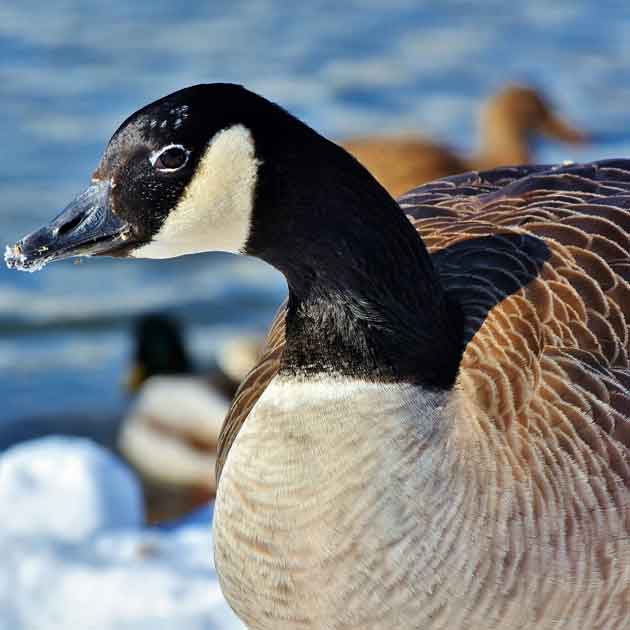
Some landfills have unintentionally made their landfill a big attraction to geese. This has been done by covering over areas of fill with "tasty cut grass". It's almost a buffet, the geese will consume the grass until there is no more.


Contact us » for a complimentary assessment of your situation!


Loading...

Request a call-back

Get Pest Birds Out Of Warehouses and Box Stores

Plummeting temperatures and the onset of winter have pest birds such as pigeons, starlings, and sparrows looking for warmth and shelter in commercial buildings including warehouses, box stores, and large manufacturing and storage facilities. Depending on the use of the facility, this can lead to catastrophic product and financial loss as well as health and legal consequences.


In this article, we'll explore how to eliminate pest birds who congregate and roost in large commercial facilities and mitigate the risk to your product, profit, health and reputation.

What Type of Bird is Found in Commercial Production and Storage Facilities?

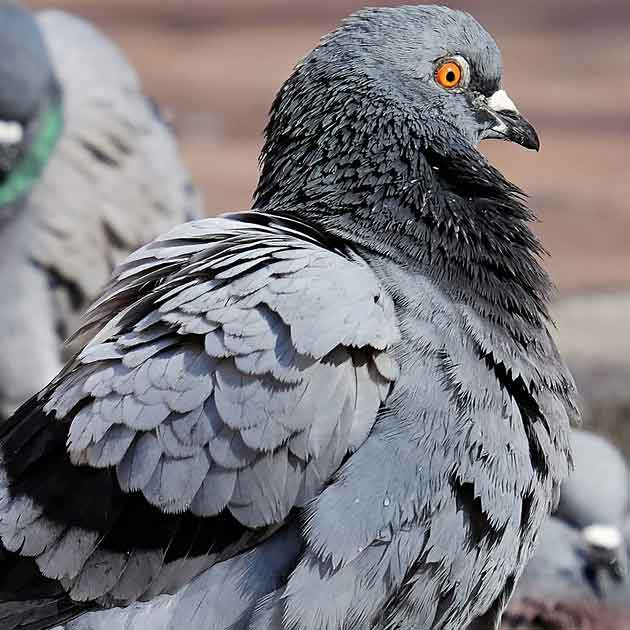
Here, in the GTA and in fact all across southern Ontario, we typically find sparrows, pigeons and starlings in facilities that produce and/or store food, medical products, and box stores. Depending on the type of facility, the commercial bird control approach to getting these birds out may differ.

What Kind of Facilities Do Pest Birds Target?

Pest birds can be found any time of the year in any space they're allowed to linger. Of course, if this happens to be a facility where food is produced or stored, it's even more popular. As winter approaches, birds seek to get out of harsh winds and freezing temperatures - no surprise there. Large warehouses or manufacturing facilities, box store, or airline hangars offer a somewhat controlled climate, rafters perfect for roosting, and thanks to frequently open loading docks, the option to come and go as one pleases. If one was a bird :) 

Why Are Birds in Storage Facilities Dangerous?

Birds are pretty to look at and listen to, but they are anything but clean and can cause havoc in commercial settings in no time at all. Bird feces and feathers are entirely unsanitary.

  • Health Hazard from Bird Feces
    Bird feces accumulate quickly and contaminate both product and packaging. It's even worse when feces is allowed to dry and is then disturbed (i.e., by sweeping up). Pathogens become airborne and pose a serious health risk to workers.

  • Health Hazard from Bird Feathers
    Feathers also carry a host of diseases and parasites which are easily transferred to anything they come in contact with.

  • Corrosion From Bird Feces
    Bird feces are highly acidic and corrosive; they can permanently damage steel beams and threaten the structural integrity of your building.

  • Regulatory and Legal Issues
    The presence of pest birds is an automatic fail during any health inspection. You may incur reprimands, license suspension, and fines.

  • Loss of Income and Productivity
    Having failed mandatory inspections, you may end up having to dispose of entire pallets of products and/or halt production until the birds have been eliminated and the entire facility has been cleaned and disinfected. 

Read more: Get Pest Birds Out Of Warehouses and Box Stores


In Ontario, Hawkeye offers Bird control, Animal control, Wildlife removal services and products in: