CA
CA US
US






commercial raccoon control
-
Raccoon Removal for Electrical Substations and Power Plants
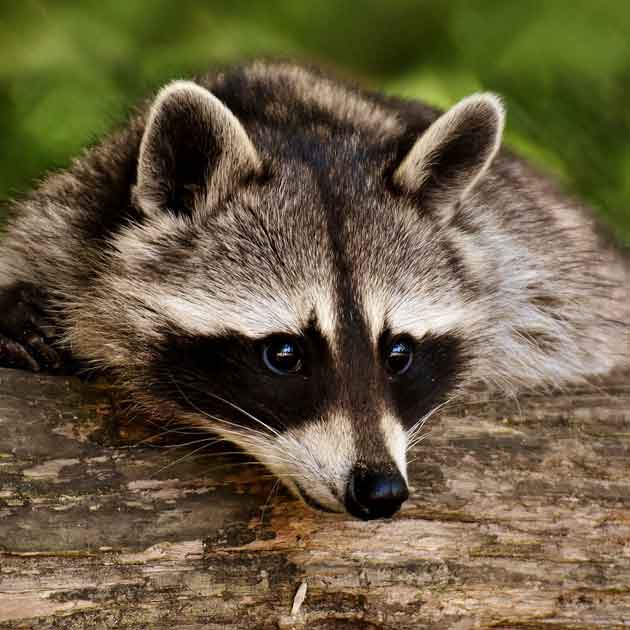
Electrical substations and power plants are uniquely attractive to raccoons due to their architecture. These facilities offer, secure, warm, and elevated structures that mimic optimal natural denning sites. Raccoons access the equipment using their exceptional climbing skills and athletic abilities to take advantage of the heat, shelter, and potential food sources found here.

Raccoon infestations in substations and power plants are not just a nuisance issue but a critical infrastructure risk. Even one determined raccoon can cause power outages, costly equipment damage, and pose a safety risk to workers and passersby. A raccoon infestation here is a potential catastrophic failure point for the regional power grid and demands a zero-tolerance mandate. Unlike residential scenarios, raccoon removal for power plants and substations must meet strict safety, compliance, and operational continuity standards.
-
What You Need to Know About Raccoon Breeding Season in Toronto
You might wonder why raccoon breeding season is a topic in the midst of December? Well, now would be a really good time to double check around your home and ensure that no raccoons (or squirrels) can get in. Because they ARE thinking about breeding season and they WILL find a cozy spot to den and raise their offspring. And, that cozy spot will hopefully not be your attic!
Mating Behavior During Raccoon Breeding Season
Raccoon Mating Seasons in Toronto
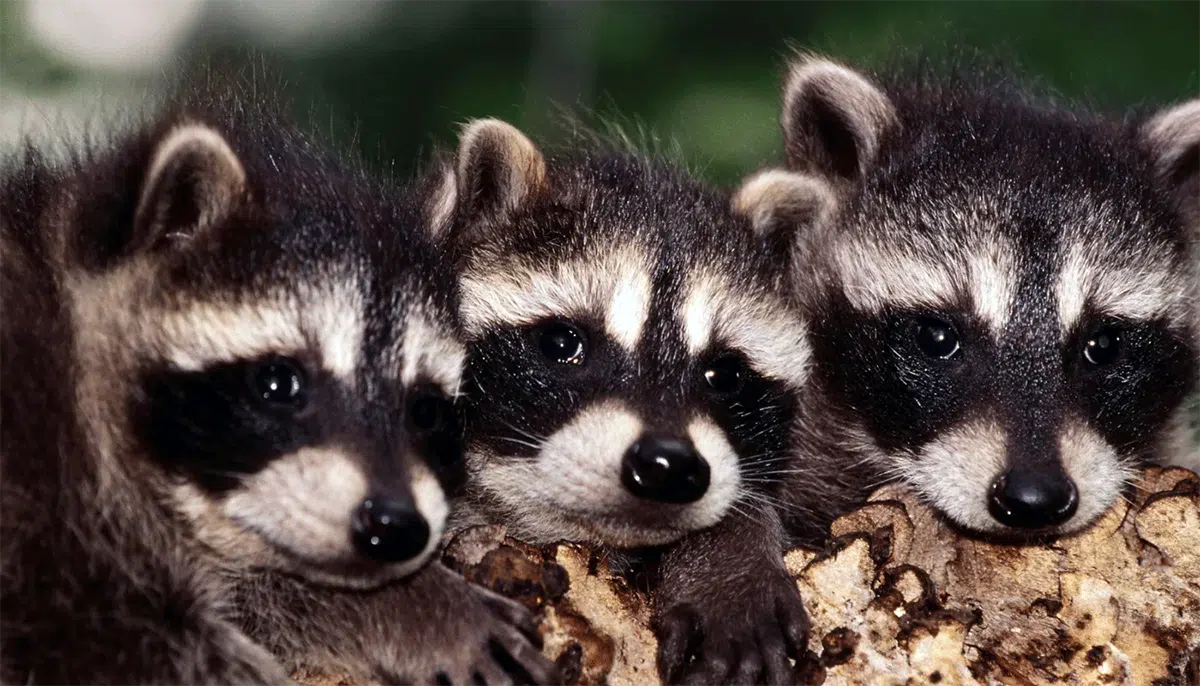
Raccoonmating or breeding typically occurs in the later part of winter - January and after - with females giving birth in the Spring time to the only litter per year. However, if the first litter doesn't survive or is not viable, the female may mate again and have a successful litter later in the summer. 'When is raccoon breeding season' often depends on the amount of daylight and temperatures. But let's look at the raccoon breeding cycle a bit more closely:
Raccoon Mating Habits & Courtship Rituals
Raccoon mating habits are not unlike those of many other mammals - including humans :) The males posture and compete for the right to mate - this may go as far as a physical fight. And, the females will observe the spectacle and choose their mate, usually the strongest male. Dominant, healthy males may breed several females. The actual mating involves an hour or so of foreplay and finally copulation and may be repeated for several days. You know.. just to be sure :)
Raccoon Gestation and Birth
Once the female has mated and is indeed pregnant, she will become solitaryand set out in search of a den to raise her offspring. A lone raccoon foraging and lingering around your home in late January or early February may very well be a pregnant female looking for a den.
Gestation Period Details
Expectant mums have a 63 day (or, roughtly two months) gestation period before welcoming their litter into the world.
Typical Litter Size
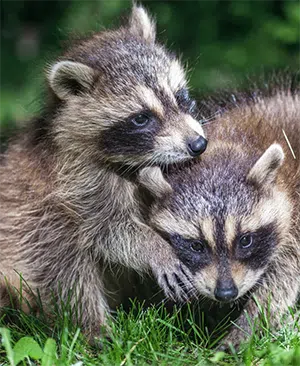 Female raccoons will give birth to an average litter of 4 kits - although, litters can range from 1 to 7 little ones. Babies are born blind and deaf, weighing only about 4 to 5 ounces. They are completely dependent on their mother's care for their first 3 weeks of life. As many as 50% of raccoon babies may not survive their first year of life. If separated from their mother early one, their chances are nil.
Signs of Raccoon Breeding Activity in Toronto
Increased Nighttime Activity
During the time of courtship and mating, you are more likely to see groups of raccoons. While raccoons are primarily nocturnal animals, they will be more visible and more social and interactive with each other duing this time.
Raccoon Vocalizations During Mating Season
Raccoons are very vocal animals at all times, chitter chattering and conversing with each other - but even more so during mating season. You might hear a male raccoon letting out loud, screeching calls to get the attention of a fancied female raccoon, which may be answered by a softer, chirping sound coming from said female. These calls play a crucial role in their mating rituals and territorial behaviors.
Scent Marking during Raccoon Breeding Season
Raccoons don't pee on trees, or distribute their excrement willy-nilly. In fact, raccoons are very clean animals, using designated latrine areas - and this doesn't change just because it's mating season. Instead, they will use their entire body to rub their scent on trees or structures and thus let others know who the master of this particular domain is.
-
Why Fall Raccoon Intrusions Cost GTA Factories Thousands
As autumn approaches and temperatures begin to drop, raccoon behaviour changes noticeably. Instead of simply moving through industrial areas, raccoons begin searching for reliable shelter and food before the harsh Toronto winter arrives. Factories often provide exactly the type of protected structures they need.
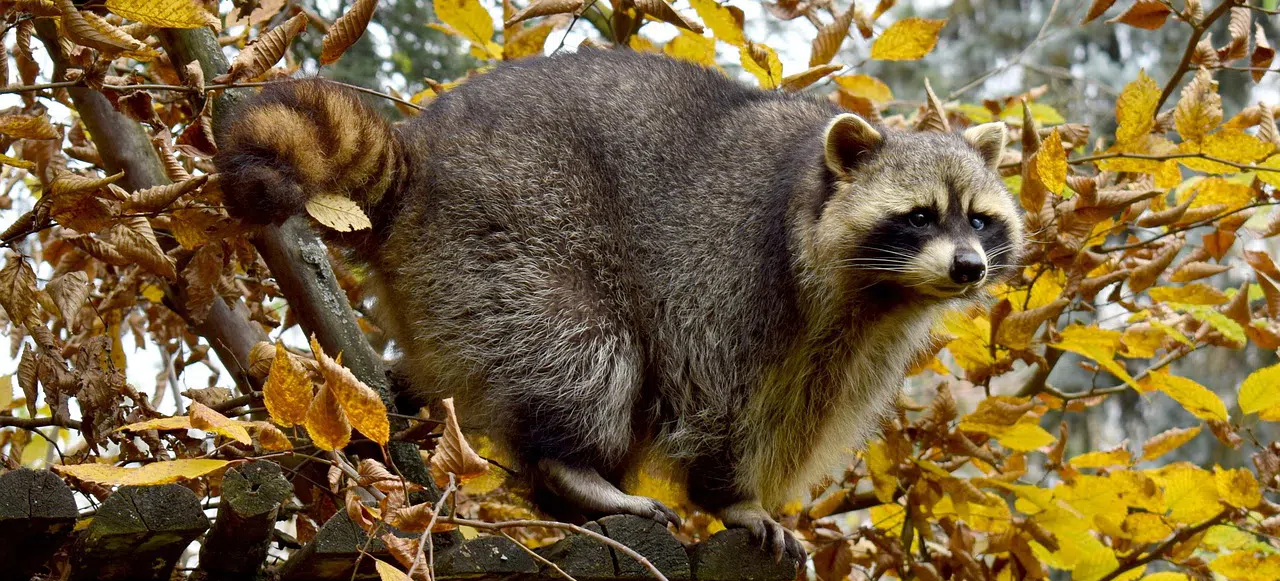
Industrial facilities in the Greater Toronto Area see increased raccoon activity in the fall. We most frequently receive call for help from factories and warehouses in:
-
Why Raccoon Activity Spikes in Mississauga During the Spring & Fall
Mississauga's numerous parks, streams, and wooded areas provide the perfect environment for raccoons willing and able to thrive alongside humans. There's water, food, and plenty of shelter in all seasons but there seems to be increased activity in spring and fall. Let's have a closer look at why that is and how understanding raccoon behaviour during spring and fall can help prevent your home from being invaded.
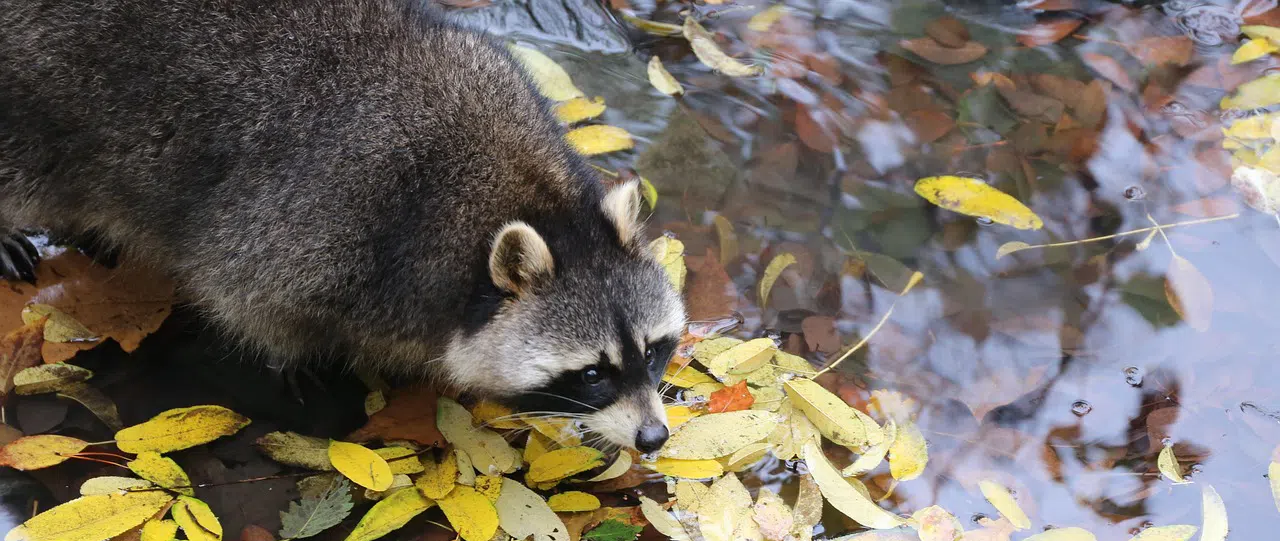
Why Do Raccoons Become More Active in the Spring?
Mating Season (Late Winter to Early Spring)
- Love is in the air for raccoons in the late stages of winter (January and onward)
- While solitary during other parts of the year, raccoons are more sociable and can be found in groups when it's time for competing for and selecting a mate.
- Male raccoons will posture and compete for the affection of females, going as far as fighting and tossing each other around. The ladies will watch and judge - and eventually choose the father of this year's litter.
Nesting & Denning Behavior
 House Hunting
Early spring is the time where expecting females will put great effort into finding the perfect place to safely birth and raise their kits.- Common Nesting Locations in Urban Areas
Attics, chimneys, spaces under porches and decks, garden sheds, and other outbuildings are among the favourite spots for a growing raccoon family.
Protective Mother Raccoons
- Increased Territorial Behaviour
Like mothers of all species, female raccoons will be fiercely protective of their den and their babies and not tolerate disturbances. - Signs that Your Home is Hosting a Raccoon Den
You may hear scratching and thumping between the hours of 10pm to 5am.
Raccoons are very vocal animals and common sounds you may notice include chitter, chirps, whistles, growls and hisses.
The smell of urine and feces can be an indication of a raccoon latrine inside your home.
Why Raccoon Activity Increases in the Fall
Preparing for Winter
While raccoons don't hibernate all winter, they do enter phases of torpor. This is similar to hibernation but only lasts for days or perhaps a week at a time. During torpor, the animal's body temperature and metabolic rate decrease, so prior to winter raccoons will need to prepare. During this time increased sightings of raccoons are to be expected.
- Increased Foraging
Building fat reserves before the cold months is vital for survival. - More Aggressive Scavenging
When the natural food supply winds down, raccoons will be even more determined to get into garbage bins, gardens, and compost piles.
Searching for Warm Winter Dens
Particularly if mother raccoon had invited herself into your attic or elsewhere in your home, she knows a good thing and will do her best to stay where she is or reclaim her space, should you have had her evicted. Mind you, that doesn't mean that a single gentleman raccoon can't also discover your home and decide to move in.
- Common Winter Den Locations
Popular denning locations include hollow trees, attics, chimneys, garages, garden sheds, and under decks or porches. - Break and Enter
Now is the time to thoroughly inspect your home for any and all vulnerabilities that raccoons can exploit. Pay close attention to siding and roofing.
Young Raccoons Leaving Their Mothers
- Young Ones Leaving the Den
Newly independent (mostly male) raccoons may be out searching for new territories. By the time fall comes around, the kits have grown up and are fully self sufficient. However, they often stay with their mother for their first winter - there is strength in numbers. More bodies produce more heat and make winter more survivable. - Increased Sightings
While the young ones that were born here will travel a fair distance in search of a new home range, others born elsewhere will have arrived here, looking to establish themselves.
- Love is in the air for raccoons in the late stages of winter (January and onward)