 CA
CA US
US


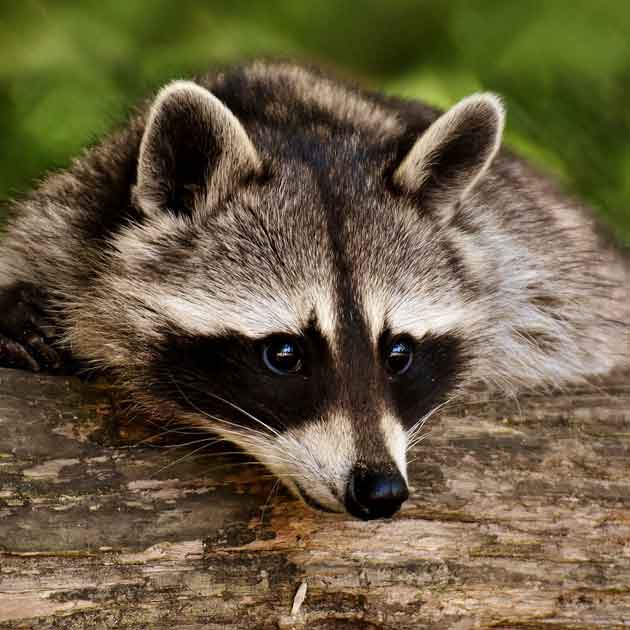
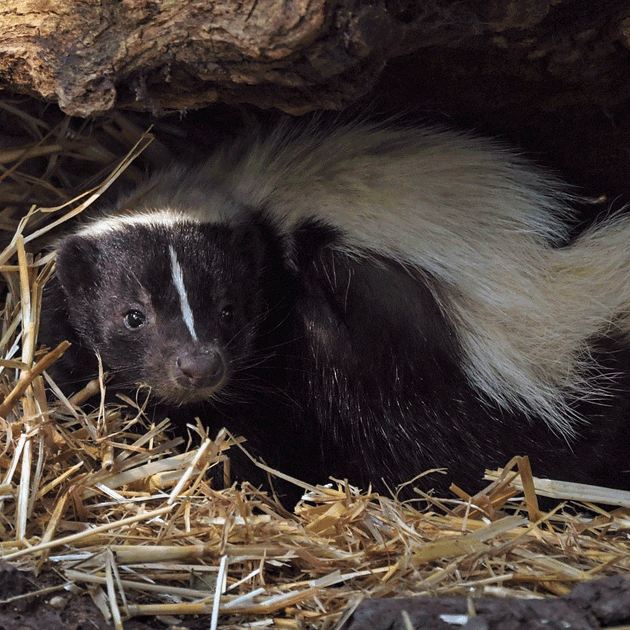
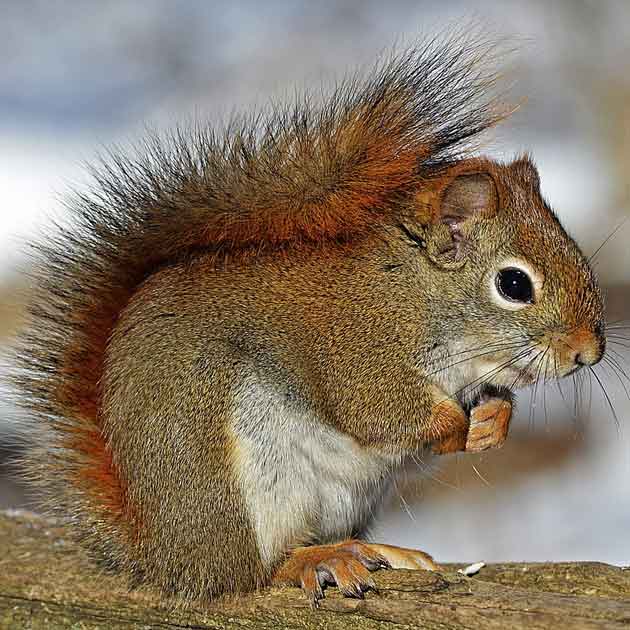



Electrical substations and power plants are uniquely attractive to raccoons due to their architecture. These facilities offer, secure, warm, and elevated structures that mimic optimal natural denning sites. Raccoons access the equipment using their exceptional climbing skills and athletic abilities to take advantage of the heat, shelter, and potential food sources found here.
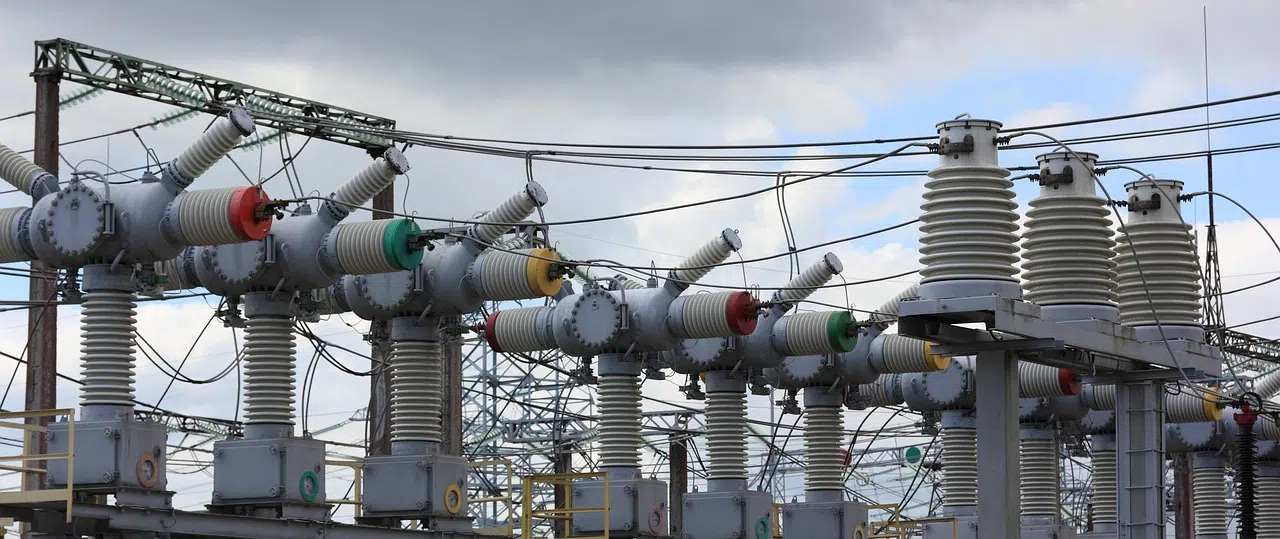
Raccoon infestations in substations and power plants are not just a nuisance issue but a critical infrastructure risk. Even one determined raccoon can cause power outages, costly equipment damage, and pose a safety risk to workers and passersby. A raccoon infestation here is a potential catastrophic failure point for the regional power grid and demands a zero-tolerance mandate. Unlike residential scenarios, raccoon removal for power plants and substations must meet strict safety, compliance, and operational continuity standards.
Why Electrical Substations & Power Plants Attract Raccoons
- Thermal Signatures:
Raccoons are attracted to the residual heat generated by transformers, capacitors, and underground cable vaults. - Cable Trenches & Tunnels:
These provide sheltered "highways" throughout the facility. - Transformer Housings:
Offering warm, secluded spots for maternity or winter dens. - Control Room Voids:
Raccoons access drop ceilings and raised floors where critical computer and relay wiring is housed. - The "Soy-Based" Insulation Problem:
Many modern industrial cables use soy-based insulation that raccoons find attractive to chew on, leading to "silent" system failures.
Raccoon Infestation Risks in Different Facilities
A widespread power outage due to raccoon damage is risky on its own - especially during the winter months. But the greater danger lies in explosions and their potential for catastrophic outcomes and loss of human life.
Electrical substations (urban & rural)
Raccoons pose a growing threat to electrical infrastructure in both urban and rural substations, often causing outages by bridging high-voltage equipment. Their nocturnal nature, exceptional climbing ability, and search for warmth or food leads to thousands of outages annually, reinforcing the need for raccoon removal for utility facilities that operate critical infrastructure.
Transmission substations
Over 20% of wildlife incidents involve raccoons breaching energized components, causing arc flashes, equipment damage, and widespread power failures, particularly in spring and fall.
Distribution substations
A raccoon infestation in distribution substations can lead to explosions, fires, and destruction of expensive transformers. A single raccoon can trigger flashovers, arc flashes, and outages affecting thousands of households.
Power generation plants
- Thermal
- Hydro
- Renewable facilities
Raccoon risk levels are generally much higher at substations than at power plants, with substations reporting a higher frequency of outages. This is due to them being mostly unmanned, open-air sites and how attractive their equipment is to agile climbers like raccoons. On the other hand, power plants are typically enclosed, secure, and consistently monitored, which is why wildlife control for power plants focuses heavily on prevention, monitoring, and rapid-response removal.
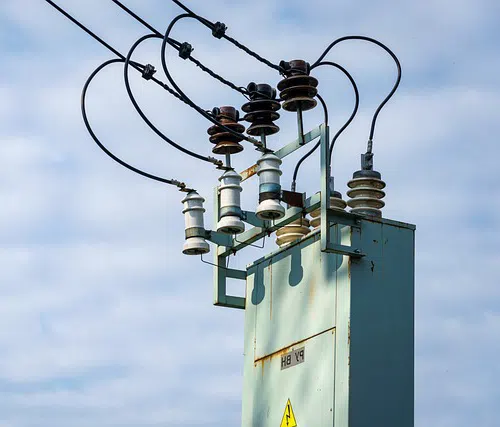 Common Areas Raccoons Infest Within Power Facilities
- Transformer pads and bases;
- Control rooms and auxiliary buildings;
- Cable trenches and underground conduits;
- Switchgear enclosures;
- HVAC units and ventilation ducts;
- Perimeter fencing and foundations;
- Drainage culverts and service tunnels.
Signs of Raccoon Activity in Electrical Substations
- Repeated tripping or unexplained faults;
- Nesting materials near equipment;
- Tracks and droppings near transformers;
- Damaged insulation or cabling;
- Odour in control rooms or enclosures;
- Motion camera alerts after hours.
The "Short Circuit" Crisis and Safety Risks Caused by Raccoons
- Phase-to-Phase Flashovers
A raccoon’s body can bridge the gap between energized components or between a phase and the ground, causing an immediate electrical arc or "flashover." - Grid Instability and Outages
There is a cascading effect of a substation short: localized blackouts, damage to consumer electronics, and the massive logistical cost of emergency grid restoration. - Equipment Destruction
The cost of replacing multi-million-dollar transformers, switchgear, and insulators damaged by animal-induced electrical fires can be sky-high. - Safety Risks to Personnel
Arc flashes and secondary fires pose a danger to utility workers as is the need to enter confined or energized spaces where aggressive or diseased raccoons are denning. Dead raccoons inside equipment are equally dangerous as they raise biohazard concerns for maintenance crews.
Seasonal Raccoon Risks for Power Infrastructure
Winter
- Heat-seeking behaviour near transformers
- Long-term denning in control buildings
Spring (Breeding Season)
- Babies hidden in equipment voids
- Aggressive mothers
- Highest removal risk period
Summer
- Increased movement between structures
- Increased accident risk from juvenile raccoons learning to climb and move around
- Cooling system interference
Fall
- Pre-winter shelter establishment
- Expansion of entry points
When Raccoons Are Detected in a Substation or Power Plant
Immediate action is crucial when raccoons are detected in power plants. For facilities wondering how to remove raccoons safely, the first step is always to call a licensed wildlife removal company trained to work at heights and in high-risk, energized environments. Your next steps should be:
- Secure the area and limit access;
- Do NOT allow untrained staff to intervene;
- Avoid sealing or blocking access points;
- Coordinate with wildlife professionals and safety teams
- Document all animal sightings, equipment failures, and all attempted and/or completed remedies.
Raccoon Control Options Sometimes Considered for Power Plants
Effective raccoon control for utilities often includes:
- Perimeter fencing enhancements;
- Electric deterrent fencing specifically designed for raccoons;
- Motion lighting and alarms;
- Habitat modification around facilities;
- Other temporary exclusion barriers.
All of the above products or types of equipment serve as supportive measures, not standalone, long-term solutions. They should be used in conjunction with other methods.
- Electric Fencing Panels:
While some sites use perimeter electric fencing panels (typically 4' x 10'), raccoons often bypass these by climbing nearby poles, jumping from trees, or exploiting "dead spots" caused by heavy snow or debris. These panels are a considerable investment and should be used in conjunction with habitat modifications such as removing trees or other "stepping stones" within 6 feet from the panels. - Ultrasonic and Sonic Repellents:
In a loud industrial environment with a constant hum and mechanical noise, raccoons quickly habituate to high-frequency deterrents. Unless there is physical danger from the deterrent, raccoons will completely ignore them. - The "Relocation" Loophole:
Standard pest control companies are legally forced to release raccoons within 1 km from the trap site. With excellent homing instincts and memory, raccoons won't easily abandon a cozy home like a substation; they will simply return to the site within hours, often causing even more damage during their re-entry. Attempts to get rid of raccoons through relocation alone can actually make the problem worse.
Structural Challenges of High-Voltage Raccoon Removal
- Access Restrictions:
Wildlife technicians must often work around energized equipment, requiring specialized safety protocols (i.e., ARC flash gear, spotters, and specific utility-grade training). Additionally, they must be trained and certified to work at heights and either bring in or be familiar with equipment designed to reach those heights. - The "Maternity Den" Trap:
If a female nests inside a transformer housing, blocking her out with a one-way door will cause her to aggressively attack the equipment to get back to her kits, virtually guaranteeing a short circuit. - Confined Space Hazards:
Many den sites in power plants are in underground vaults or narrow utility chases that don't allow room for a trap and are difficult to inspect and sanitize.
Breeding Season Challenges in Substations & Power Plants
- Control Buildings and Equipment Voids
These spaces become nurseries because they offer protection from the elements and predators and provide warmth. - Raccoon Kits
Failed or half-hazard removal attempts risk babies dying inside electrical equipment and lead to biohazards and/or a frantic mother becoming even more destructive. - Aggressive Maternal Behaviour
Like all mammals, female raccoons ferociously defend their offspring. Anyone deemed to be a threat to her litter will be met with aggression. - Ethical Implications
Not just animal activists may deem the disturbance of a maternity den unethical or even inhumane. This can affect public perception and a challenge for public relations. - Why Delaying is Not an Option
Delays in removing raccoons in or on power equipment increases the risks of outages, fires, explosions, and loss of human life exponentially.
Dos and Don’ts for Raccoon Control in Power Infrastructure
Do
- Treat raccoon presence as a safety incident;
- Act immediately upon detection;
- Use only licensed professionals;
- Implement post-removal exclusion.
Don’t
- Use poisons or repellents (it's illegal);
- Allow staff to remove animals;
- Seal equipment without inspection;
- Delay action during breeding season.
Why Permanent Raccoon Removal for Substations & Other Power Facilities Is a Must
Deterrents are usually insufficient for critical infrastructure; they generally work for some time, but not all the time and certainly not long-term. Trapping and relocation are useless and will likely cause more damage by raccoons determined to return to "their" home.
When it comes to power facilities and when human lives are at stake, the endless cycle of trap and release is simply not an option. Permanent raccoon removal is needed here. It interrupts the release/return cycle and guarantees that the captured raccoon(s) will never return. Permanent removal entails the humane trapping of the offending animal(s) and euthanizing by a trained and licensed professional. You can learn more here » In the GTA, the company with the legal authority and training to perform permanent removal is Hawkeye Bird & Animal Control.
What Permanent Raccoon Removal does:
- Prevents repeat outages;
- Protects workers;
- Supports compliance and reliability;
- Eliminates long-term risk;
Post-Removal Protection & Infrastructure Hardening
Not unlike other industries or commercial facilities, there are steps to take after a raccoon has been removed to prevent others from taking its place and support long-term raccoon removal for utility facilities:
- Entry point sealing;
- Equipment base protection;
- Monitoring and inspection protocols;
- Integration with facility maintenance schedules;
- Wildlife risk assessments for utilities.
FAQ's: Raccoons in Electrical Substations & Power Plants
Q: Can a raccoon really chew through high-voltage cable shielding?
A: Yes, raccoons can and do indeed chew through electrical wire insulation and cable shielding. They frequently chew on wiring with their strong, sharp teeth, causing power outages, short circuits, and extreme fire hazards. Their chewing behavior can be due to curiosity, nesting, or simply trying to get through a barrier.
Q: Won't the electricity itself kill the raccoon before it causes a problem?
A: Yes, the electricity almost always kills the raccoon, but it's the event before the death of the animal that causes problems in the power plant or substation. When a raccoon crawls onto high-voltage transformers or switches, it bridges the gap between two energized components or between an energized part and a grounded, metal part of the structure, thus causing outages and equipment failures.
Q: What should utilities do if raccoons are found inside equipment?
A: Step one should be to call a professional wildlife removal service. Together with that professional you will explore your options for immediate removal and necessary actions to prevent re-infestation.
Q: Is trapping raccoons legal for power facilities in Ontario?
A: Yes, it is. Trapping is legal for all commercial facilities.
Q: Is it legal to kill a raccoon found in such facilities?
A: At no time are you permitted to poison or beat an animal. Your best option is to contact a licensed raccoon removal service like Hawkeye, someone who is trained and authorized to humanely dispose of trapped wildlife.
Q: Can raccoon removal be done without shutting down operations?
A: The answer depends on exactly where the animal(s) are found. It may be necessary to briefly cut power to the location where a trap is to be set or an animal is to be captured.
Q: How do you sanitize a cable vault where a raccoon has been living?
A: The short answer is: you don't. Leave that to professionals. Cleaning and disinfecting a raccoon latrine requires strict adherence to safety protocols. Raccoon feces contains parasites and pathogens that should not ever be handled or inhaled without appropriate PPE.
Q: What is the safest long-term solution for raccoon control in power plants?
A: No one solution will work to keep the plant safe for good. It depends on the surrounding landscape, the type of equipment, and the vulnerable sections that could be exploited to enter the premises. It will likely take two or more solutions to keep raccoons at bay.
"Amp Up" Your Defense of Power Plants and Substations with Hawkeye
It's clear that in the utility sector, "standard" wildlife control is a liability. Returning raccoons equals repeated outages and compound damages. It may even cost human life.
Protect your assets and your uptime. Contact Hawkeye today for a professional infrastructure audit and a guaranteed, permanent raccoon removal solution.
Along with raccoons, we can also help with other animal and bird control and removal, such as squirrel, pigeons, starlings, etc. all across the GTA, including Toronto, Oakville, Brampton, Mississauga, Etobicoke, Aurora, Whitby, Oshawa, Newmarket, Scarborough, Markham, Pickering, Ajax, East York, North York, and Vaughan.
