CA
CA US
US



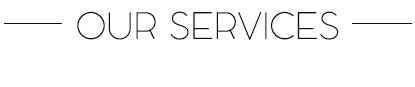
raccoon in yard
-
Benefits of Preventive Raccoon Control: How Can Hawkeye Help Protect Your Property?
Preventive raccoon control begins with you. Look past the cute little faces and remember that raccoons can bring potential damage and health risks to you and your family. Next time you notice these pests nesting on your property or trying to make their way into your home, contact a reliable raccoon control company in Toronto, such as Hawkeye Bird and Animal Control to prevent the situation from getting out of hand.
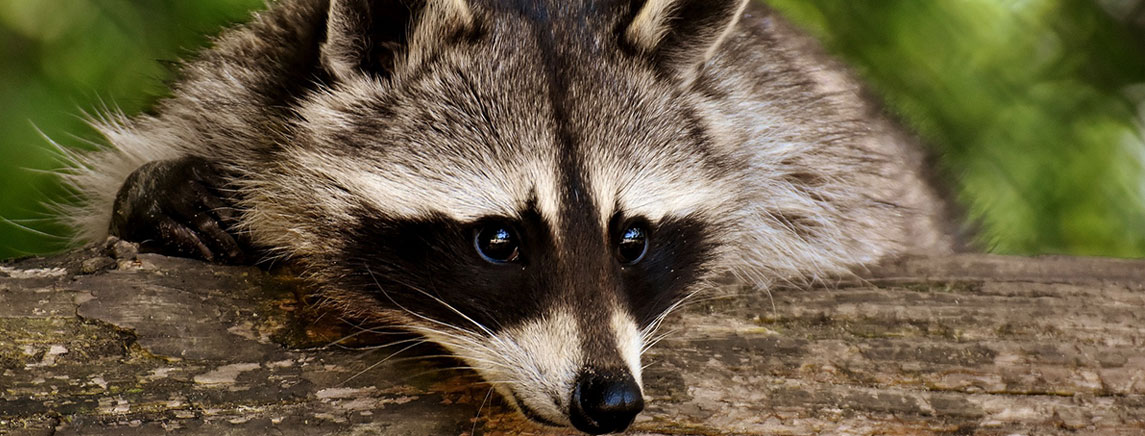
Benefits of Preventive Raccoon Control
There are many steps you can take to ensure the safety of your family and pets, as well as protect your property from damage. Consider these preventive measures.
Avoid Damage to Your Property
From drywall to wires, raccoons can claw and chew their way through most materials found in and around the structure. They can remove roofing and vinyl siding to gain access to a building. Once inside, a raccoon will use insulation and fabric materials to build a cozy nest. Yards are also no match for the critters as they will destroy a garden and lawn to obtain food, such as vegetables or insects. By taking preventative measures, you can reduce the risk of having to make costly repairs to your home and garden.
Health and Safety Concerns
Taking raccoon control methods now can protect people from the risk of becoming infected by disease. Aside from receiving a scratch or bite from a rabid raccoon, you are at risk of roundworm, giardiasis, and salmonellosis, among others. As with all wildlife, raccoons are territorial and will attack if they feel threatened. If any pets or humans get too close, they will lash out and become defensive by biting and scratching. Learn what to do or not to do when an encounter with a raccoon cannot be avoided »
Maintain a Comfortable Living Environment
When raccoons settle into a home, there can be a great deal of noise erupting as they move throughout the attic or destroy the walls. Raccoons will also growl, hiss, and whimper loudly. Due to their wide options of diet, raccoons can cause unpleasant odours in many different ways, including their urine and feces.
-
Get Rid of Raccoons in Aurora Heights Homes Permanently
Areas in the Aurora Heights neighbourhood, including the St. John’s Sideroad and Bathurst intersection, offer a mix of mature trees and modern residential layouts, creating a perfect raccoon highway.
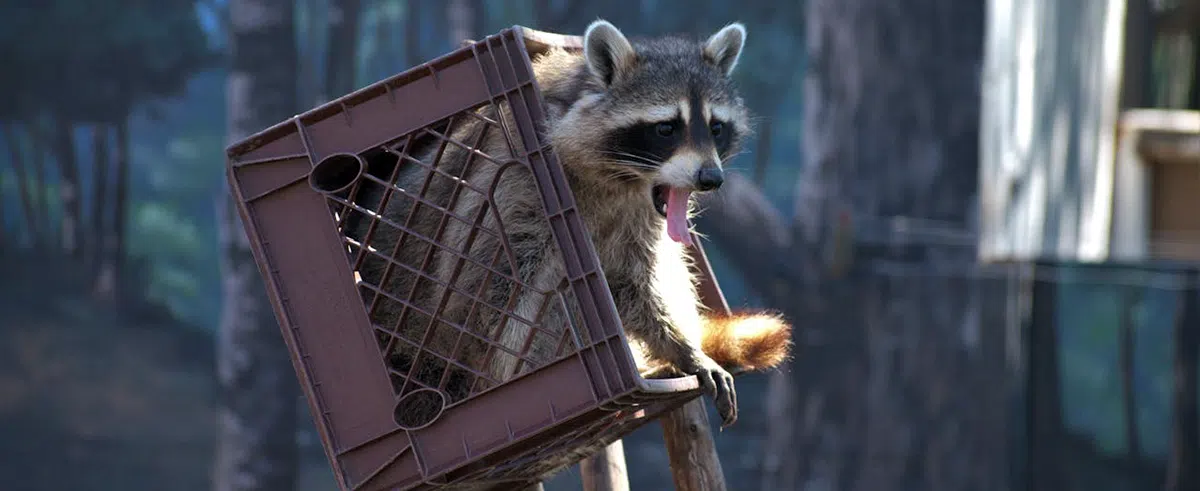
Raccoons seeking refuge in detached, semis, and townhouses can cause costly damage to shingles, soffits, and insulation in Aurora Heights homes. In this article we'll discuss Aurora area options for permanent raccoon removal versus the revolving door of standard DIY control or trapping and relocation.
-
How Do I Get Rid of Raccoons in My Tree?
How to Raccoon-Proof Trees in Your Yard or Garden
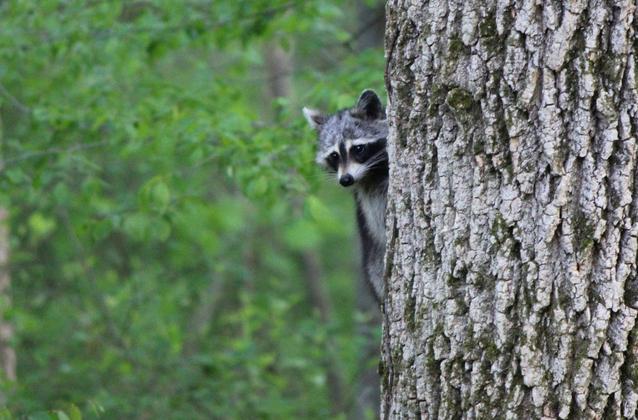 Raccoons are nocturnal creatures that like to sleep in dark, warm, and cozy spaces that are also close to a reliable food source, such as underneath porches and decks and inside sheds, garages, and attics.
When none of these options are available, raccoons will resort to a more natural den site: tree hollows. Being the smart creatures that they are, raccoons tend to prefer trees that are located on a residential property because this makes it easier for them to scavenge for food at night while also providing them with a safe location to raise their kits.
Unfortunately, raccoons are a nuisance for homeowners. They cause a lot of property damage, make a lot of noise at night and sometimes during the day, and they make communal latrines to relieve themselves on your property.
So, what can you do if you find a raccoon or raccoon nest in your tree? Keep reading to learn everything you need to know.
Hawkeye’s Raccoon Control and Prevention from Yards, Gardens, and Trees
Hawkeye Bird and Animal Control specialize in identifying and safely removing raccoon nests from residential and commercial properties. Our team of specially trained pest and wildlife handlers have the professional skill set to provide expert raccoon control and prevention methods in a safe and humane manner. We use the following raccoon removal and control techniques to get rid of raccoons in your yard, garden, and tree hole.
- One-way exit. We set up an intricate one-way exit path that allows raccoons to leave your property on their own schedule with minimal disturbance and no damage to your property.
- Hand-capture. In circumstances that require the raccoon to be removed immediately and when we can safely approach the creature, our team will carefully capture it by hand and place it in a secure transport container.
- Cage traps.This is the most common and socially acceptable method used to capture a raccoon in urban and semi-urban areas. It’s easy to use and perfectly safe for both the animal and the handler.
Why Is There a Raccoon in My Tree?
Raccoons are constantly looking for a safe, secure, and warm denning site that’s within close proximity to a reliable and easily accessible food source. It also has to provide excellent support and protection from external elements such as inclement weather conditions and predators.
Tree hollows—particularly fruit trees or trees located in a vegetable or fruit garden—are the ideal location for raccoons to nest with their nurseries. If you happen to have a large fruit tree on your property that also has one or two hollow spots, then don’t be surprised if you come across a raccoon infestation at some point. Raccoons are particularly attracted to sweet, fragrant foods. Ripe fruits such as apples, plums, apricots, peaches, mulberries, and cherries are all favourite food items for both adult and baby raccoons.
Not only do these foods satisfy their hunger, but they also provide excellent nutritional value for growing raccoon families. Initially, raccoons are attracted to fallen fruit from trees because they’re easy targets. Once the raccoons realize that they can nest inside the tree, however, it’s a lot harder to get rid of them, especially since raccoons are extremely skilled climbers.
Why Do Raccoons Make Nests in Trees?
There are several reasons raccoons make nests in trees. As mentioned, raccoons love a variety of fruits and fruit trees provide easy and consistent access to a reliable food source. Other reasons why raccoons nest in trees include:
- Tree hollows provide a warm and safe denning site;
- To shelter themselves from the elements and predators;
- Raccoons nest anywhere they can and often have multiple dens set up in various locations;
- Easy access to food.
How Do I Get Rid of Raccoons in My Tree?
The safest and most effective way to remove a raccoon or nursery of raccoons from your property is to contact an animal and wildlife control agency like Hawkeye Bird and Animal Control. We have all of the necessary training and credentials to safely remove raccoons from commercial and residential areas.
Don’t attempt to remove or capture the raccoon yourself, especially if they have babies. Adult raccoons will take this as a threat and go into automatic defence mode, which could result in serious injury for you and your loved ones, not to mention extensive property damage.
Plus, raccoons carry diseases such as rabies, canine distemper, infectious canine hepatitis, raccoon parvoviral enteritis, and pseudorabies—all of which are transmissible to humans. Getting bitten by a rabid raccoon will result in death nearly 100% of the time.
To minimize the risk of personal injury and extensive property damage, we recommend taking the following actions:
- Identify the raccoon-infested tree. Knowing which tree is infested with raccoons ahead of time will make it easier for our crew to do their jobs and map out a plan of action to safely remove the raccoons from your property.
- Clear the tree of raccoons. Once we have a plan in place, our trained wildlife handlers will carefully move in closer to the tree and coax the raccoons out using a variety of proven techniques. The objective is to quickly try to trap the raccoons before they can make a getaway. Some processes such as eliminating food sources in the tree and cutting off branches so they can’t climb up and down require a great deal of patience.
- Raccoon-proof your tree.This is more of a preventative measure that involves trimming tree branches, removing food sources, and sealing tree hollows, so that raccoons can’t nest inside.
Hawkeye’s Professional Raccoon Control Solutions
At Hawkeye Bird and Animal Control, we’re committed to providing high-quality and sustainable raccoon control, removal, and prevention solutions that are in full compliance with Ontario wildlife protection regulations. Our handlers receive ongoing and updated training in safely and humanely interacting with raccoons to ensure the animals’ well-being and ethical treatment. We are the only pest bird and animal/wildlife control company in the country designated “Certified Wildlife Control Professionals”.
To learn more about animal welfare compliance standards or to book our raccoon control and removal services, contact us today!
Why Hawkeye Birdd & Animal Control?
We GUARANTEE results. We offer PERMANENT solutions above and beyond what other companies can offer. Hawkeye is the ONLY pest bird and animal/wildlife control company in Canada designated "Certified Wildlife Control Professional" AND holding the following licenses:
- Trapping of Fur-Bearing Animals Permit: In contrast to all other companies, we can euthanize the bird or fur-bearing animal, thus guaranteeing it will not return.
- Falconry Permit: We use Birds of Prey (hawks, owls, falcons, eagles) to scare, chase, or remove in a natural and humane way.
- Pest ControlLicense: We can employ chemical solutions to certain problems. These methods include natural pesticides.
Now with 7 Locations ( 6 In Canada and 1 in the U.S), we are ready to serve you better in Acton, Toronto, Oshawa, Bowmanville, two locations in Mississauga and West Palm Beach in Florida.
Contact us todayif you need help with pest wildlife/animal control and/or pest animal removal.
Related Articles:
https://www.hawkeye.ca/blog/raccoon-infestation-in-apartments
https://www.hawkeye.ca/blog/raccoon-nest-or-den-removal-in-the-gta
https://www.hawkeye.ca/blog/how-to-prevent-and-control-raccoon-tree-nesting - One-way exit. We set up an intricate one-way exit path that allows raccoons to leave your property on their own schedule with minimal disturbance and no damage to your property.
-
How to Get Rid of Raccoons in Corn Fields?
Raccoons are among the most destructive wildlife pests affecting corn crops in the GTA. They cause large-scale financial losses due to stalk breakage, kernel removal, and trampled rows.
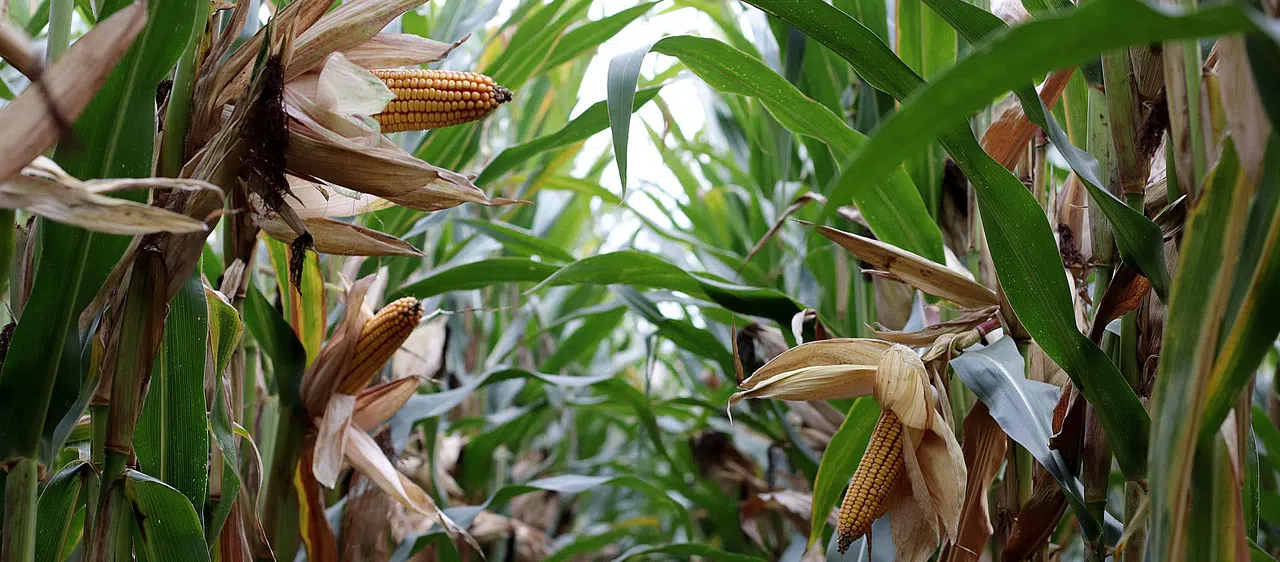
Corn fields are especially attractive due to the cover provided by tall stalks, sweet corn sugars, and nighttime accessibility, all on large acreage. Traditional raccoon trapping and relocating does not work here as raccoons will almost always return.
Hawkeye’s permanent raccoon removal is legal, ethical, and the only effective long-term solution.
Why Raccoons Target Corn Fields
- Corn provides high-energy food right before winter (late-summer carbohydrate loading).
- Fields are often close to forest edges, barns, irrigation ponds, or abandoned structures.
- Tall stalks are perfect for temporary cover, hiding, and denning.
- Nearby rural dumpsters or livestock feed is easily exploited.
-
How to Get Rid of Raccoons in Greenhouses
Winters in Southern Ontario can be harsh and long. In order to survive, our local wildlife often moves closer to people’s homes and businesses and backyard or commercial structures such as greenhouses. Animals like raccoons seek out shelter, warmth, and food and all of that can be found in residential backyard greenhouses, commercial agricultural greenhouses and nurseries, as well as community or educational garden structures.
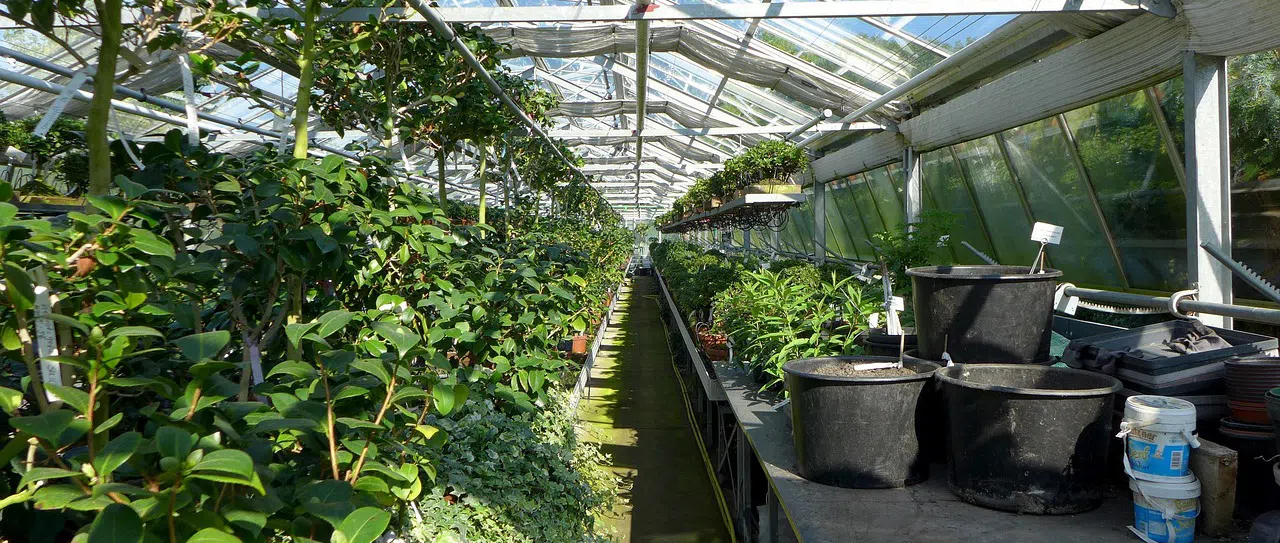
The negative and often costly impacts of raccoons invading greenhouses include crop destruction (especially fruits and plants), feces contamination, and structural damage. That’s why wildlife control for greenhouses is so crucial and permanent raccoon removal for horticultural facilities is something that should strongly be considered.
Why Greenhouses Are Raccoon Magnets
- Guaranteed Climate and Shelter
Greenhouses are kept warm and humid year-round, thus offering an ideal refuge from freezing winter temperatures and wind. - Abundant, Accessible Food
Raccoons are attracted by soft, ripe produce (tomatoes, peppers, berries), potting soil amendments (bone meal, organic fertilizer), and rodent populations thriving on seeds/spills. And then there's garbage or compost bins - those are also very applealiong. - Constant Water Source
Irrigation systems, condensate lines, and humidity trays provide easily accessible fresh water, a critical raccoon attractant, especially during dry seasons.
How Raccoons Enter Greenhouses
- Plastic/Fabric Cover or Vents
Raccoons easily tear through the light plastic or screen mesh used on the outer layer of a backyard greenhouse or automated roof or side wall vents. - Sliding Door Gaps
Cold and desperate raccoons exploit worn or damaged seals on large sliding doors used for vehicle/equipment access. - Utility/Pipe Tunnels
They can enter through unsecured maintenance tunnels or gaps where main water lines or heating pipes penetrate the foundation.
Signs of Raccoon Presence in the Greenhouse
While a slew of small critters are likely to camp out in your greenhouse for the winter, the scope and size of damage you're seeing should give you a good idea of the type of animal sharing your space.
- Disturbed soil, torn plant roots, missing produce.
- Nocturnal noises or tracks near entry flaps.
- Droppings, foul odour, or insulation shredded for nesting.
Overall, the signs of a raccoon infestation in your greenhouse are similar to those you would look for in your home. Have a look here: https://www.hawkeye.ca/blog/10-tell-tale-signs-you-have-a-raccoon-in-your-home.
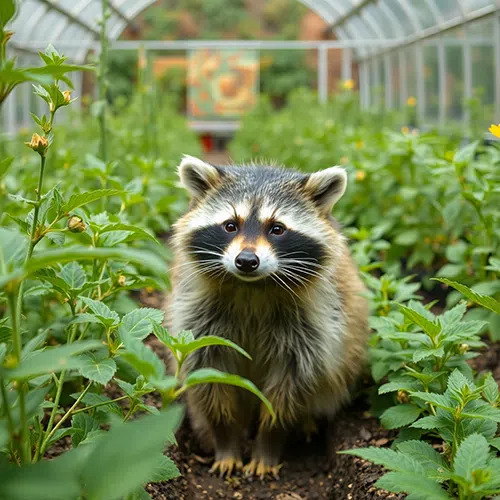 Critical Risks of Raccoon Infestation in Greenhouses
Crop Contamination and Financial Loss
Raccoons claw and bite through high-value crops, causing direct product spoilage. Contaminated produce often mandates the disposal of entire rows or benches of plants due to the presence of feces/urine and the risk of rabies transferred by an infected animal's saliva.
Climate Control Failure
Raccoons nesting near heating elements, fans, or control panels can chew wiring or block airflow, leading to HVAC or ventilation failure. This leads to the risk of overheating, freezing, or improper humidity control, potentially destroying not only the equipment, but also the entire growing environment.
Structure Compromise (Glass/Plastic)
Raccoons scratch and tear the plastic sheeting or seals around glass panes, compromising the greenhouse's thermal envelope. This leads to massive heat loss, increased utility bills, and exposure of the interior to weather.
Regulatory & Liability Exposure
The presence of raccoon feces in a food-producing environment is an immediate health inspection failure (Canadian Food Inspection Agency/local health unit), risking shutdown, fines, and the imposition of strict biohazard cleanup requirements.
How to Keep Raccoons Out of a Greenhouse
- Inspect and reinforce your structure's integrity before winter.
- Use heavy-duty mesh or wire to seal ventilation openings.
- Keep compost and garbage sealed tightly and away from the structure.
- Install automatic lighting or motion sensors to alert you to movement.
- Maintain a clean perimeter—remove all fallen fruits, pet food, or debris.
- Make use of natural deterrents such as strong-scented herbs.
- Guaranteed Climate and Shelter
-
How to Get Rid of Raccoons in Heart Lake Estates, Brampton
Heart Lake Conservation area with its sprawling green spaces and ravines is home to many wildlife species, including raccoons. They are persistent, territorial and destructive animals that can breach your roof and enter your attic in no time at all. If you lay eyes on one raccoon, your Brampton property is at risk.
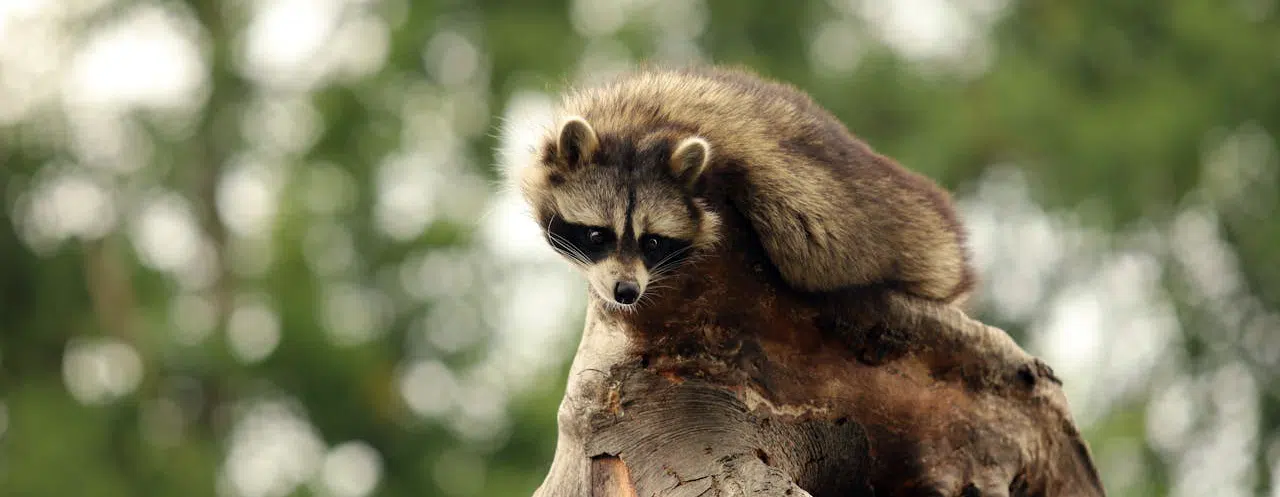
Typical raccoon trapping and relocating procedures result in the animals returning repeatedly and compounding damages to your home. The most effective professional raccoon removal in Brampton requires more than trapping alone—it requires identifying entry points, removing denning animals, and preventing re-entry—and provides the option of permanent removal.
-
How to Get Rid of Raccoons in Your Cottage
If you're lucky enough to own a summer retreat, perhaps in the Muskokas or near any of our seemingly countless, beautiful Ontario lakes, you probably know the sinking feeling of arriving at your cottage for the first weekend of the season, only to be met by the stench of ammonia and the sight of shredded insulation.
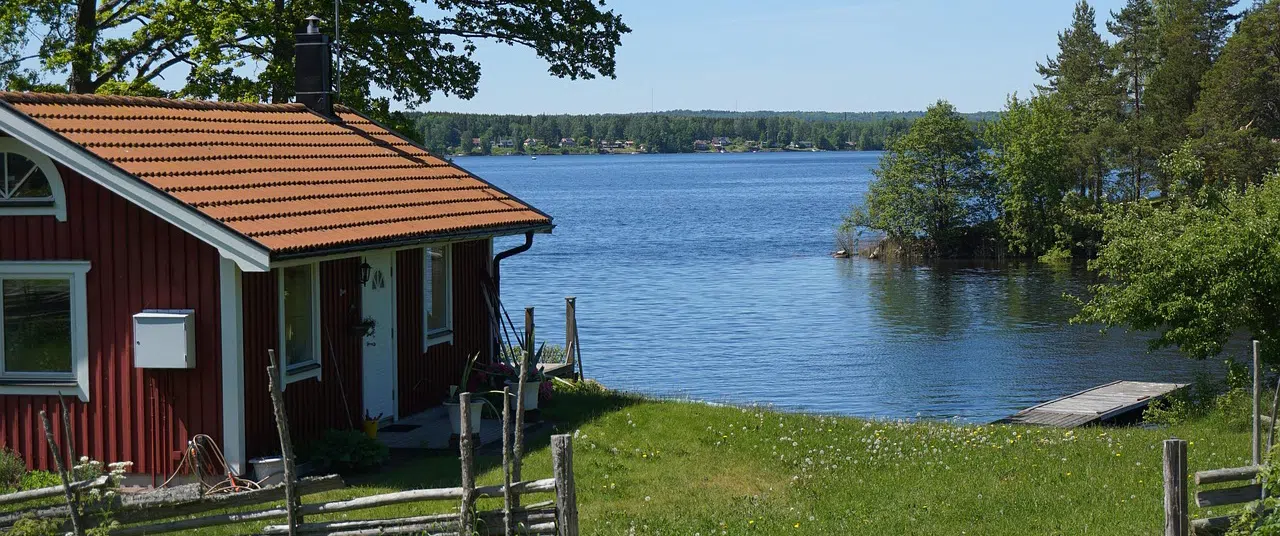
Cottages (or camps, as they are often called up north) are prime targets because they remain undisturbed for months, providing raccoons with a high-security, low-risk environment to den and breed. The pantry often remains somewhat stocked and provides for a quick snack and, of course, fresh, clean water is just a few steps away.
For cottage owners around the GTA, a raccoon infestation isn't just a pest problem—it’s a threat to your investment and peace of mind. This article explores why DIY methods almost always fail in remote settings and why Hawkeye’s permanent removal is the only way to secure your getaway for the long term.
-
How to Identify and Remove Raccoon Dens in Winter
With its freezing temperatures and harsh winds, Ontario winter forces raccoons to abandon flexible den habits for a single warm, secure location, creating a high-risk, long-term raccoon infestation in winter, which lasts until spring and beyond. Identifying and addressing these primary dens in the cold months is crucial to preventing structural damage and costly spring repairs.
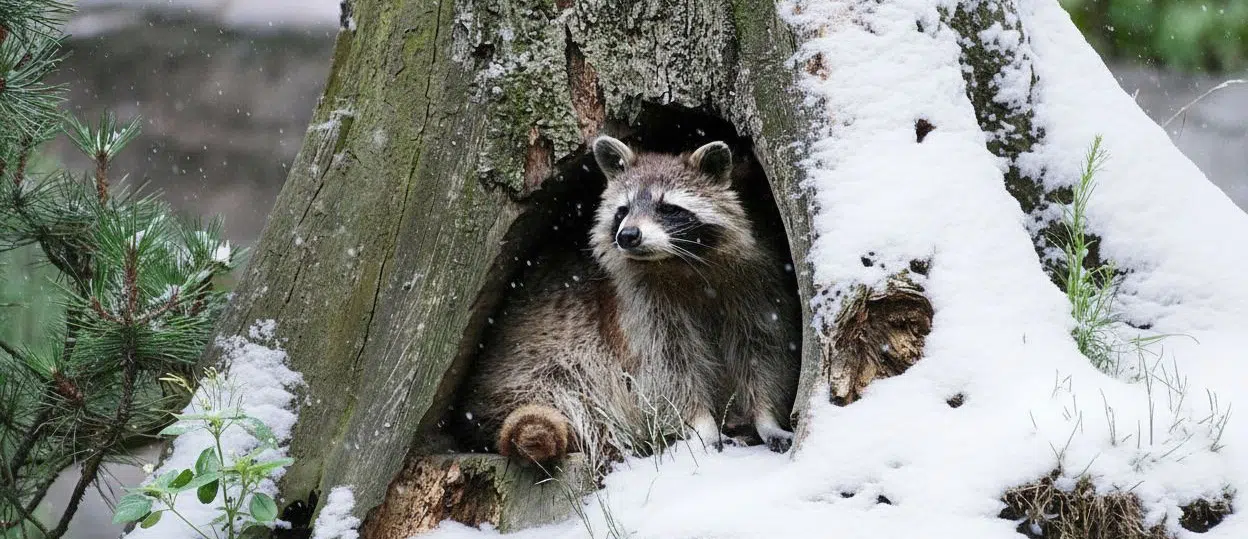
Raccoon Winter Behaviour in the GTA
After a flurry of activity during the fall months where their focus was on calorie intake, raccoons settle into long winter naps once the snow arrives. Focus is now on staying warm and safe from predators. This behaviour is one of the reasons homeowners and commercial/industrial property managers should search for winter raccoon control earlyin the season, before a raccoon infestation is too entrenched.
- Torpor, Not Hibernation
Raccoons do not truly hibernate but rather enter a state of torpor—a deep sleep broken by periods of waking. While in this state, their body temperature lowers, and breathing and metabolism slow to conserve energy. They will keep a single, secure den for weeks at a time to conserve energy and survive freezing temperatures. - The Thermal Imperative
During the winter months, raccoons seek out areas with trapped heat (i.e., from the house, equipment, or ground) and maximum wind protection. This commitment to one warm spot makes winter dens extremely destructive. - Reduced Activity, Increased Risk
While they forage less often, raccoonss' activity when inside the den is focused on insulating and securing the perimeter by procuring and using any suitable materials. This often results in severe damage to building insulation, etc.
Where Raccoons Den in GTA Winters
Where do raccoons usually nest during colder months? Residential, commercial, and industrial properties offer a plethora of options.
- Structural Areas (Warmest Spots):
- Attics:
Attics are probably the most sought-after spot for raccoons (and other wildlife - think squirrels!) to wait out old man winter. Proximity to chimneys or plumbing stacks and just the rising heat from floors beneath make attics perfect for winter denning. Raccoons access attics through the roof and poorly sealed roof vents. - Chimneys:
If uncapped, your chimney can provide a dark, contained vertical shelter. - Garage Ceiling Voids:
The insulated space above an attached garage creates a thermal bridge to the main house/building. It is also safe and enclosed with little to no human traffic.
- Attics:
- Ground-Level Havens (Insulated Spots): Areas that hold ground heat and are protected from the wind and snow.
- Crawl spaces:
Crawl spaces underneath a structure provide consistent, moderate warmth. - Window Wells Basement Voids:
Small, contained pockets near the foundation may also be converted to a winter den. - Sheds/Deck Voids:
Areas under sheds or decks, especially if the ground is skirted, trap heat and provide sufficient shelter.
- Crawl spaces:
- Commercial Industrial Spots (High-Value Warmth):
- Warehouses and Factories:
Heat from machinery or HVAC vents attracts raccoons. Low-traffic areas like maintenance rooms should be inspected regularly. - Abandoned or Low-Traffic Buildings:
Quiet, undisturbed areas still draw furry winter dwellers, even if not actively heated. Raccoons can evade detection for months in abandoned or vacant properties. - Seasonal Businesses and Schools:
Buildings that are closed for periods of time, such as schools often see raccoon invasions. By the time the animals are detected, it's often too late and significant damage has been done. - Loading Docks:
Open loading dock doors invite raccoons inside to explore hidden spaces for temporary dens.
- Warehouses and Factories:
- Natural/Outdoor Denning Spots near Homes:
- Hollow trees, brush piles, abandoned burrows, woodpiles, and old cars/trucks and machinery also make for suitable raccoon winter dens.
- Hollow trees, brush piles, abandoned burrows, woodpiles, and old cars/trucks and machinery also make for suitable raccoon winter dens.
- Torpor, Not Hibernation
-
How to Keep Raccoons Away from Bird Feeders Permanently
Many homeowners and property managers set up bird feeders to attract songbirds, especially during colder months. Unfortunately, bird feeders are also a major attractant for raccoons—intelligent, nocturnal, opportunistic, and highly adaptable animals.
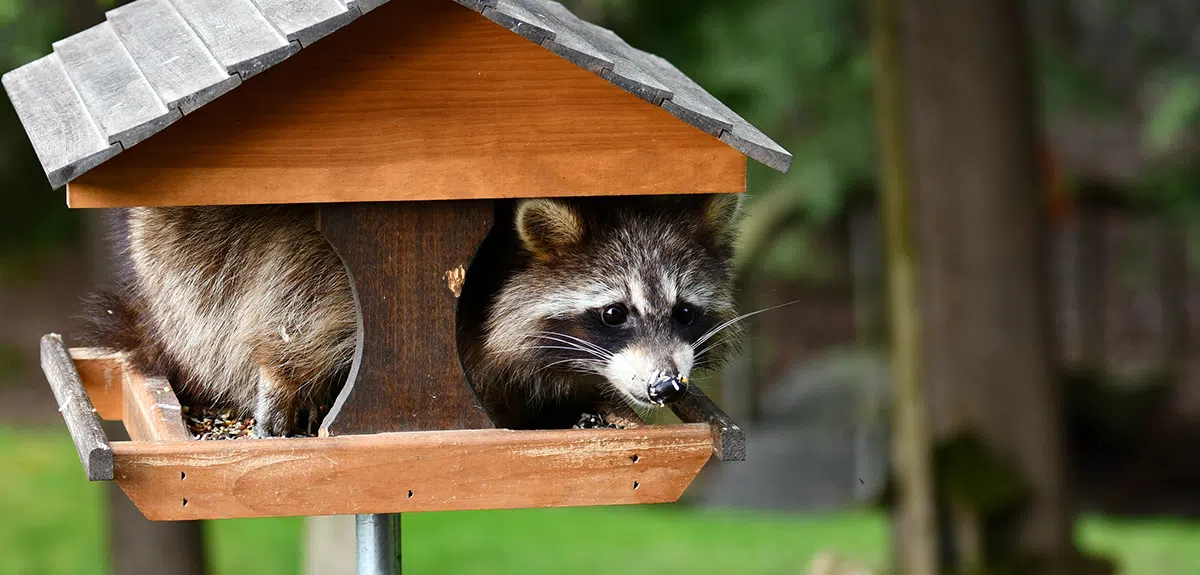
As temperatures drop, raccoons seek easy food sources, and bird feeders are one of their top winter targets. Let's explore what you can do to get rid of raccoons and keep them out of your feeders in the future. Keep in mind that DIY deterrents and gadgets are rarely all that effective, but Hawkeye Bird & Animal Control offers legal and permanent raccoon removal services in the GTA.
Why Raccoons Are Attracted to Bird Feeders
- Food Availability
Spilled seeds and suet provide the high-calorie nutrition that raccoons need to survive the winter. Both black-oil and striped sunflower seeds are among their favorites. On that note, you might also fin squirrel and skunk visitors around your bird feeder. - Easy Access
Raccoons are agile climbers and can easily reach most bird feeders, poles, or decks. - Nighttime Feeding
Unlike birds, raccoons are active at night, so there's no competition around the feeder and the mess you find in the morning may well signal a raccoon visit. - Smell and Habits
Raccoons have an excellent sense of smell that can lead them to your bird feeder. And once they find a reliable food source, they keep returning.
How Raccoons Cause Problems Around Bird Feeders
- Damage:
- Bending poles, breaking feeders, and tearing mounts.
- Damaging nearby deck railings or roof gutters while climbing.
- Health risks:
- Droppings on patios and decks contain roundworm and other pathogens.
- Risk of contamination near outdoor furniture and children’s play areas.
- Secondary infestation risks:
- Raccoons attracted to feeders often explore nearby attics, chimneys, and crawl spaces for shelter.
- Bird feeders act as “gateway attractants” leading to full property infestations.
Recognizing Raccoon Activity Around Your Bird Feeder
- Feeder emptied overnight.
- Tracks or muddy paw prints on decks or railings.
- Torn suet cages or feeder poles bent.
- Scattered seeds and droppings under the feeder.
- Noises at night near decks or walls.
Pro Tip: Inspect your feeders early in the morning for signs of nocturnal visitors.
- Food Availability
-
How to Keep Raccoons Away from Birdhouses and Bird Baths
Many property owners adorn their backyards with birdhouses and bird baths to attract songbirds and support local wildlife. Unfortunately, these common landscape features also tend to attract raccoons. Unlike bird feeders, birdhouses and bird baths draw raccoons for reasons other than food.
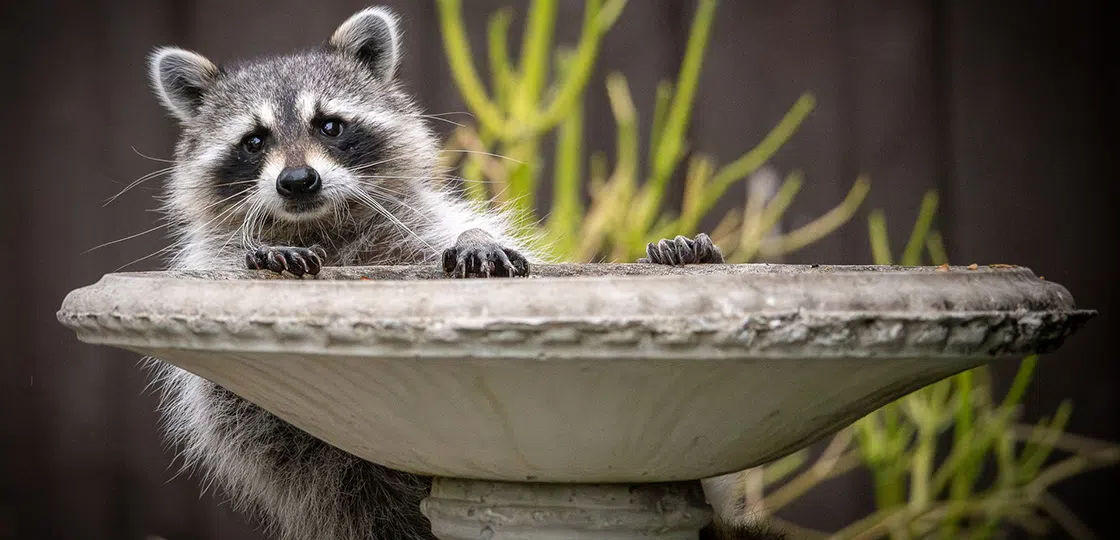
If you're wondering how to keep raccoons away while still attracting songbirds, understanding why they visit is the first step.
-
How to Prevent and Control Raccoon Tree Nesting
In addition to their environmental impact, mature trees are valuable landscape features on residential, commercial, municipal, institutional, and rural properties in the Greater Toronto Area (GTA). Trees also provide shelter to many species of local wildlife, including raccoons. Unfortunately, once a raccoon begins using a tree cavity as its nest, it may will likely return season after season and cause a great deal of damage to structures and landscape.

How you manag tree-nesting raccoons depends on when the problem is discovered. Inspecting your trees reguarly can prevent raccoons from moving in before it's too late.
-
Keep Raccoons at Bay: Effective Ways to Raccoon-Proof Your Home
Do you have a raccoon problem? If so, you are not alone—raccoons are notoriously clever and agile creatures who can quickly make their way into seemingly inaccessible areas of your home. Whether it’s the roof or a window that has been left open, they know how to get in.
But instead of resigning yourself to months of trying to remove them after they already got access, why not focus on preventing them from entering in the first place? In this blog post, we'll be going over some effective ways for you to raccoon-proof your home and keep those pesky critters out for good.
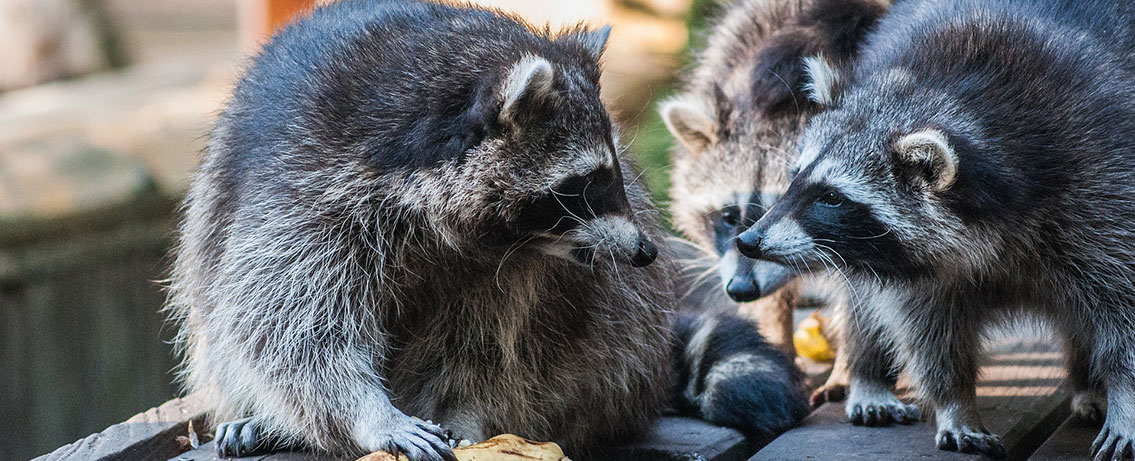
-
Permanent Raccoon Removal in Winter (GTA)
As temperatures drop below freezing and natural foraging is inhibited by snow and ice, raccoons enter a state of prolonged periods of sleep (called torpor), turning attics and crawlspaces into highly sought-after survival shelters.
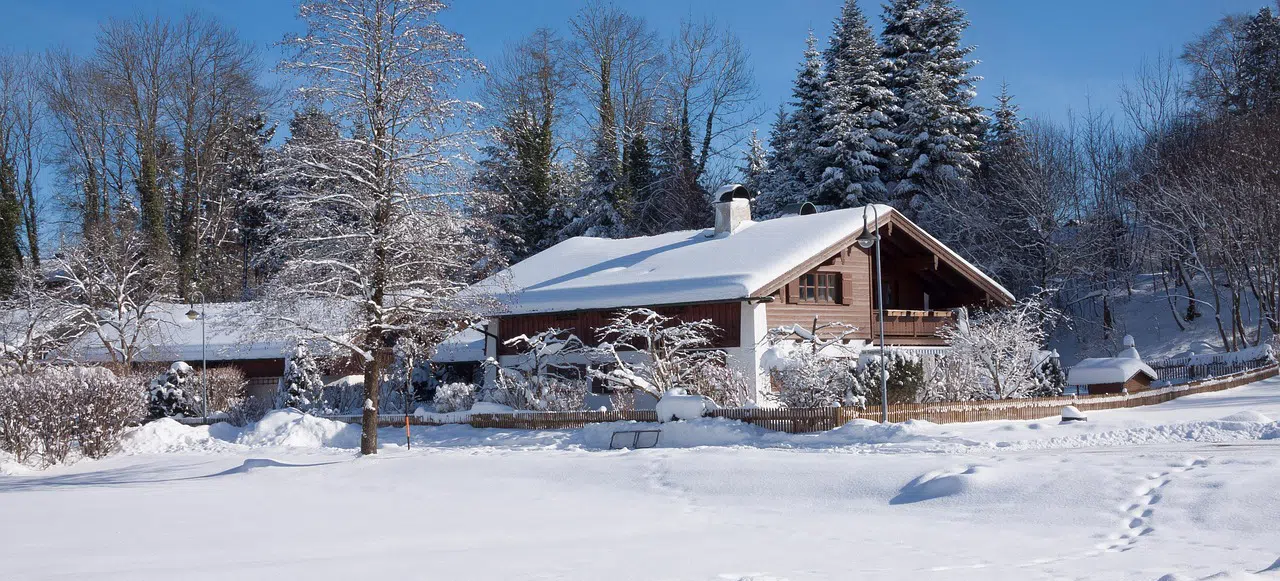
There is a persistent myth of "it's ok to wait until spring" and that raccoons merely hibernate and will leave on their own accord once the worst of winter is over. In this article, we will discuss why this is approach would be greatly misguided and potentially very costly. Raccoons neither hibernate, nor necessarily move out with warmer weather.
When it comes to humane animal control, the time to act is the minute you discover raccoons in your home - Call Hawkeye Bird & Animal Controlat once.
What Actually Happens to Raccoons in GTA Winters
Raccoons Do Not Hibernate
Instead, they enter short periods of torpor. This is a state of reduced activity that involves lowered metabolism, heart rate, body temperature, and reduced movement to conserve energy during periods of food scarcity and extreme cold.
Raccoons Are in Desperate Need of Warm Shelter
Cold snaps force raccoons to seek heat-retaining structures, preferably near food and water sources. During Ontario's harsh winter months, raccoons invade:
- Attics, crawlspaces, basements
- Utility rooms, boiler rooms
- Mechanical and service corridors
The modern, urban raccoon's chance of winter survival is actually much higher than its cousin's out in the woods. Both, residential and commercial buildings provide adequate shelter and often easily raided trash bins or dumpsters, bird feeders or outdoor pet food and water bowls. Additionally, larger predators (i.e., coyotes) often avoid areas with frequent human traffic and pose less of a threat to raccoons.
-
Permanent Raccoon Removal Solutions for Lawns
Raccoons tearing up a new or well-kept lawn is a common and frustrating problem for urban and suburban property owners. Many people are shocked at the level of damage these seemingly cute animals can cause.
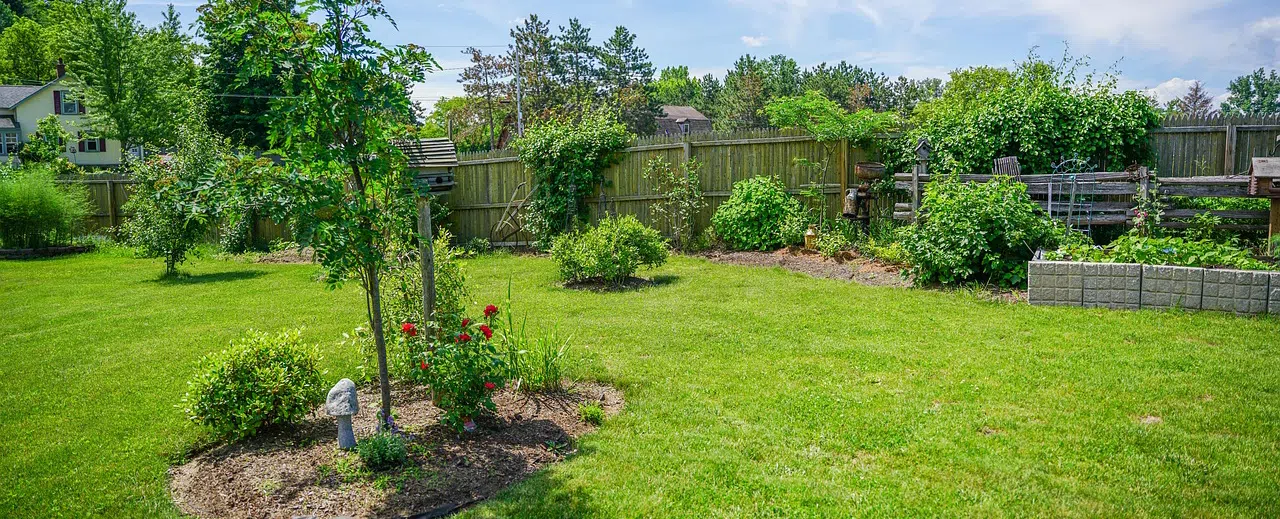
This is not just a nuisance but a recurring, expensive, and year-round problem. Thankfully, raccoon removal in Toronto and other areas of the GTA can solve the problem. This article will explain why raccoons target lawns, the signs of their activity, and a permanent, year-round solution to protect your property.
Hawkeye Bird & Animal Control is the licensed company in Canada offering permanent raccoon removal, unlike temporary deterrents or the endless cycle of trap and release.
Quick FAQs Related to Raccoon Control for Lawns
Q: How can I tell if lawn damage is from raccoons or skunks?
A: The most obvious sign of lawn damage will be the amount of damage in terms of area. Raccoons leave large sections of turf torn up or flipped over and widespread patches of exposed soil. Skunks typically leave behind numerous smaller, neat, cone-shaped holes dug in a search for grubs. Both have strong claws and can create a considerable mess, but raccoons use their claws in a ripping motion to pull up large chunks of grass, while skunks use their noses and claws to make many small, more precise holes.
Q: Why do raccoons dig up lawns?
A: The primary reason for tearing up lawns is to get at the grubs that live beneath the surface. Torn up patches of grass near fence lines or foundations can also be an attempt at burrowing under to get access to whatever lays on the other side.
Q: Do raccoons only damage new sod, or do they wreck established lawns, too?
A: While raccoons destroying new sod is a big problem, they can absolutely do a number on established lawns, too. In fact, well established backyards probably offer more variety in terms of grubs and bugs.
Q: Can I get rid of the grubs and raccoons at the same time?
A: Probably not, but reducing the number of grubs in your yard will help make the area less attractive to raccoons. Generally, grubs are only one reason why raccoons frequent your property. Waste bins, vegetable gardens, and orchards also play a big role.
Q: Can grub treatment alone solve raccoon lawn damage?
A: Again, simply reducing the number of grubs will likely not solve your raccoon problem. Removing other elements that attract raccoons and/or physically removing the animals is a much better strategy.
Q: Do raccoons carry diseases that can affect my lawn or garden?
A: Raccoon diseases and parasites pose a threat to your family and pets. Your lawns or gardens are not directly affected, but may help spread those diseases.
Q: Can raccoons damage artificial turf or golf course lawns?
A: Indeed, raccoons do plenty of damage on both artificial turf and on golf courses. The surface material or location really doesn't matter if tasty grubs live beneath. Check out our article on how to get rid of raccoons from golf courses.
Q: What’s the best way to protect a newly seeded lawn from raccoons?
A: Ideally, you would have applied a grub treatment even before laying down new sod or seed. And of course, you'll want to remove as many things as possible that may attract raccoons to your yard. Such things include pet food bowls, any standing water (including bird baths), trash cans, fallen fruit from trees, and more.
Q: Can raccoons ruin sprinkler systems or lawn irrigation while digging?
A: Yes, and actually, this is a fairly frequent occurrence.
Q: Do yard guards or ultrasonic devices really keep raccoons off lawns?
A: Repellents such as ultrasonic devices have very limited efficacy. Raccoons are intelligent, resourceful, and determined and quickly learn that ultrasonic devices pose no physical threat and can safely be ignored.
Q: Will getting a dog keep raccoons from tearing up my lawn?
A: A dog in your yard can help keep raccoons at bay in general. Keep in mind, though, that raccoons are mostly nocturnal and the scent of your dog alone may not be sufficient to stop raccoons from viewing your lawn as a buffet.
Q: Is it safe to be on my lawn with raccoons present?
A: It is unlikely that raccoons will dig up your lawn with you present. Again, raccoons are nocturnal and you probably won't be out there all night, but more importantly, all forms of wildlife (including raccoons) typically avoid human contact.
Q: When is the best time of year to fix this problem?
A: It's a good idea to start with grub treatment in May and June to kill newly hatched grubs but active infections will require you to apply multiple treatments all the way through the summer and fall.
Q: What is the typical cost for racoon removal for lawns?
Removing raccoons from lawns is no different than dealing with them anywhere else. The cost depends on how many raccoons have invaded your yard and how many visits from a wildlife removal technician it takes. You can learn more here: https://www.hawkeye.ca/blog/how-much-does-raccoon-removal-cost-in-toronto
Q: Do I need to be present for raccoon removal service?
A: In an outdoor situation such as your backyard, you do not necessarily need to be present when traps are set. You must, however, be available to check the traps daily and inform the wildlife technician immediately when an animal is in the trap.
Q: How long after raccoon removal should I wait before repairing my lawn?
A: You may repair damages to your lawn immediately once raccoons have been removed from your property. Keep in mind that a relocated raccoon will return with a high degree of certainty. Permanent raccoon removal is the only way to ensure the captured animal will not return.
-
Permanent Raccoon Removal vs. Raccoon Relocation
Raccoons are probably the most common nuisance wildlife species affecting GTA properties. After all, we don't call Toronto the raccoon capital of the world for nothing.
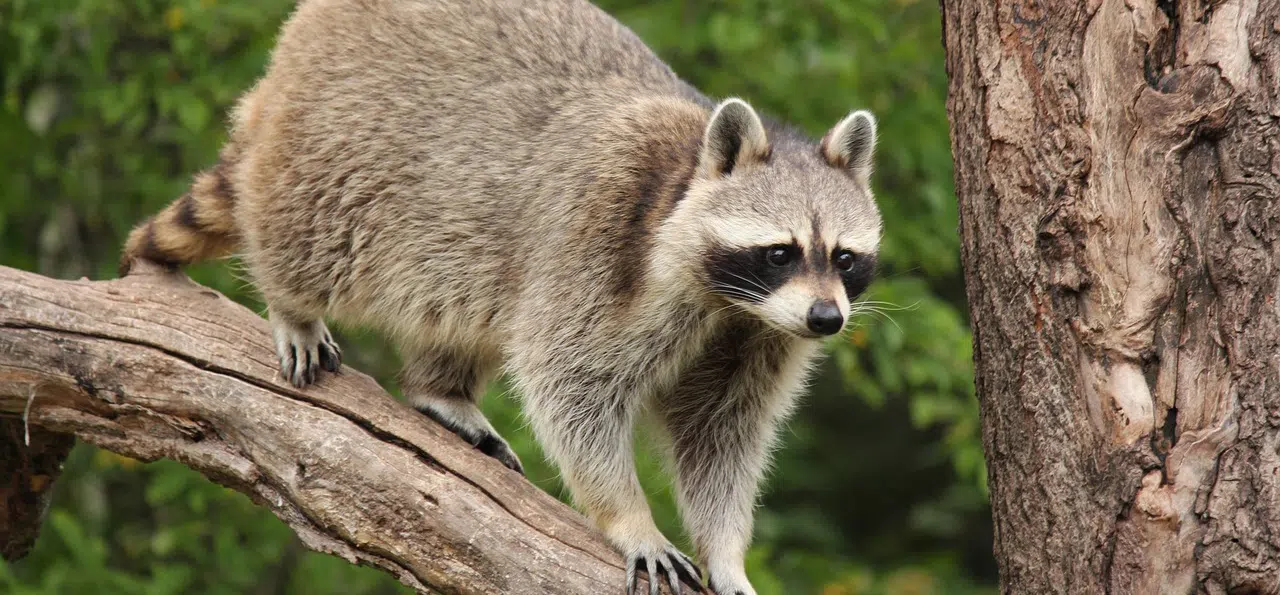
Residential, commercial, industrial, agricultural, municipal, and institutional properties can all experience the same recurring raccoon problems. Many property owners assume relocating a raccoon automatically solves the issue as this is common practice employed by most wildlife control companies.
-
Raccoon Control & Removal Oakville
Calls for Raccoon Control and Removal are among the most frequent request in Oakville. Like so many other communities along the shores of Lake Ontario, Oakville provides plenty of space and habitat for raccoons to flourish. While the masked bandits are often thought of as just a bit of a nuisance, they actually cause a great deal of damage to properties and structures, as well as pose health risks to humans and pets alike.
Residential Raccoon Damage
- Roofs: Raccoons gaining access to attics through roof vents - leaving behind damaged shingles, vents,
- Refuse and compost: Raccoons are boisterous animals, making a great deal of noise when carrying out their searches for food and shelter such as when they raid garbage and compost containers in search of food. They often leave behind a considerable mess, which can attract more animals;
- Food left outdoors: Eating food for domestic animals such as pet food and livestock feed plus feed for wildlife such as birdseed;
- In gardens: Especially in gardens containing fruit, tomatoes, melons, berries or sweetcorn, plants are eaten, dug up, or otherwise damaged and tracks and excrement are left behind;
- Raccoons are attracted to lawns and gardens, especially after a rainfall when grubs and larvae are near the surface. They dig small round holes and will repeatedly turn over large swathes of freshly laid sod to un-earth worms, grubs and larvae. This particular type of behaviour is common when other sources of food are less abundant. They may return repeatedly and because of the dexterity of its front paws, the extent of the damage caused by the raccoon is generally greater than skunks.
Raccoon Damage on Farms
- Corn crops: many cobs partially nibbled, with the husks pulled back and the leaves folded downwards. Stalks may be broken as the animal tries to climb to get at the ears;
- Raccoons are alo quite fond of fruit, able to demolish a whole berry patch in no time at all;
- Hen houses and farmyards: The extreme dexterity of their front paws allows raccoons to kill or injure poultry even when the birds are kept inside enclosures or cages, as they try to reach and destroy them through the wire mesh. Poultry are often found with their heads torn off and left a short distance from the body. The neck and breast may be torn open and chewed and the entrails consumed. ; Legs or feet of the young birds may be missing. Pieces of flesh may be found near water. The eggs are often broken lengthwise and the materials used to make the nest are disturbed. Eggs may be removed completely from nests or eaten on the spot with only the heavily cracked shell remaining. Raccoons can also destroy bird nests in artificial nesting structures such as bluebird and wood duck nest boxes.
For Oakville raccoon control and/or raccoon removal contact Hawkeye at 416.429.5393 today!
Why you should call Hawkeye for Raccoon Control and Removal
We GUARANTEE results. We offer PERMANENT solutions above and beyond what other companies can offer.
Hawkeye is the ONLY pest bird and animal/wildlife control company in Canada designated "Certified Wildlife Control Professional" AND holding the following licenses:
Trapping of Fur Bearing Animals Permit: In contrast to all other companies, we can euthanize the bird or fur bearing animal, thus guaranteeing it will not return.
Falconry Permit: We use Birds of Prey (hawks, owls, falcons, eagles) to scare, chase, or remove in a natural and humane way.
Pest Control License: We can employ chemical solutions to certain problems. These methods include natural pesticides.
-
Raccoon Control and Removal - Why it is important in the fall season
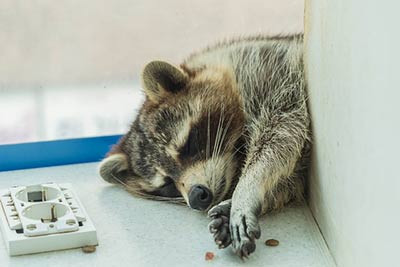 Did you know that Toronto has been dubbed the ‘Raccoon Capitol of the World’? Estimates put Toronto’s raccoon population well over 100,000. Originally from the tropics, raccoons have slowly migrated north and can now be found all over North America - as far north as Alaska, as well as in Europe and even Japan. In fact, Japan is bemoaning many ancient temples being destroyed by raccoons. Raccoons are highly adaptive, both in terms of habitat and food. Scientists have studied raccoons for decades and still aren’t close to fully understanding raccoon behavior. Raccoons are intelligent and highly skilled when it comes to raiding your garbage or gaining entry into your home. Learn how to prevent raccoons from accessing your home or failing that, remove them.
Greater Toronto Area residents may come nose to nose with a raccoon or five more so now, during the fall months, than most other times of year. And while you may be sympathetic to the animals seeking shelter for the upcoming winter months, you definitely do not want that shelter be in your home, shed, or under your deck or roof.
-
Raccoon Control and Removal for GTA Greenbelt Properties
The GTA Greenbelt is one of the largest protected natural landscapes in the Greater Toronto Area, so it’s home to a great variety of local wildlife, including raccoons.
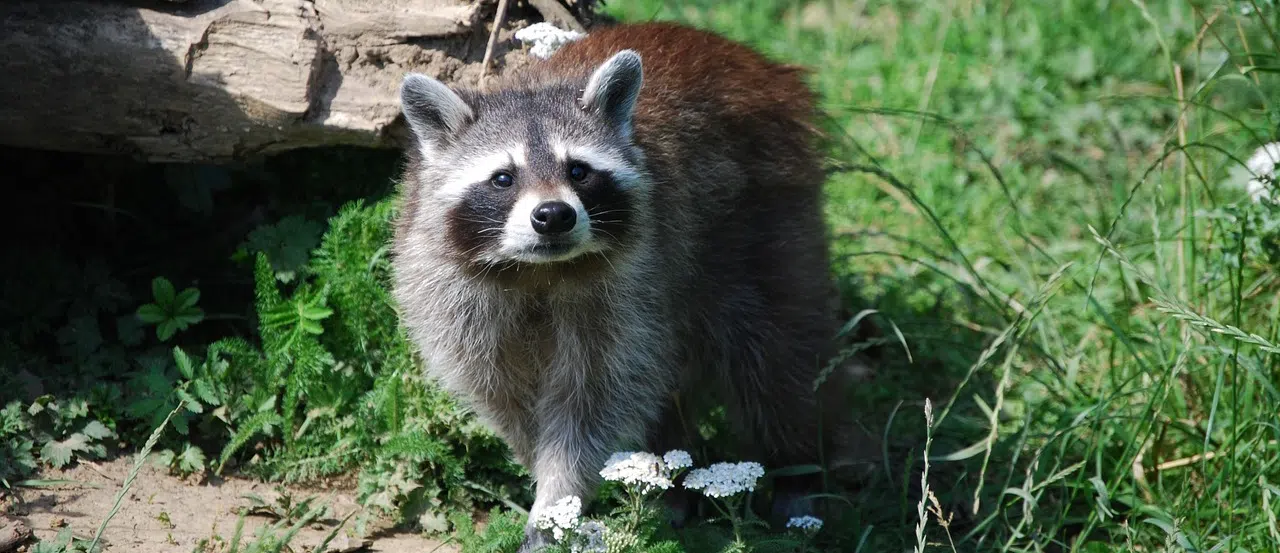
Living or operating near protected natural areas offers many benefits but also increases wildlife encounters. Homes, farms, golf courses, estate properties, conservation facilities, schools, and businesses bordering greenbelt lands often experience recurring raccoon issues. Properties near the greenbelt face challenges that are quite unique compared to those in more urban centres. This article will explore the raccoon issues in the GTA Greenbelt and ways to circumvent them.
-
Raccoon Control for Flower Pots and Landscape Plants
Decorative flower pots, planters, and ornamental landscaping add beauty and curb appeal to residential and commercial properties.
Unfortunately, raccoons and other local wildlife often disturb these areas even when they are not eating the plants. Damage can become particularly frustrating when newly replanted flowers and professionally maintained landscapes are disturbed repeatedly.
Understanding why raccoons target ornamental landscapes can help you choose which prevention methods to use and determine when professional raccoon removal is necessary. Moreover, if you are seeing raccoons digging in flower pots, planters, or landscaped beds, understanding what attracts them can help you address the underlying problem.
-
Raccoon-Related Challenges in Brampton's Residential Areas
If you are a Brampton resident, chances are that you've made the acquaintance of a raccoon or three. Especially, if you are living near one of Brampton's many lovely parks or green belts, you likely have regular raccoon visitors. In this article we'll explore some common raccoon-related issues, how to spot them, and more importantly how to address the ever increasing raccoon infestation in and around Brampton.
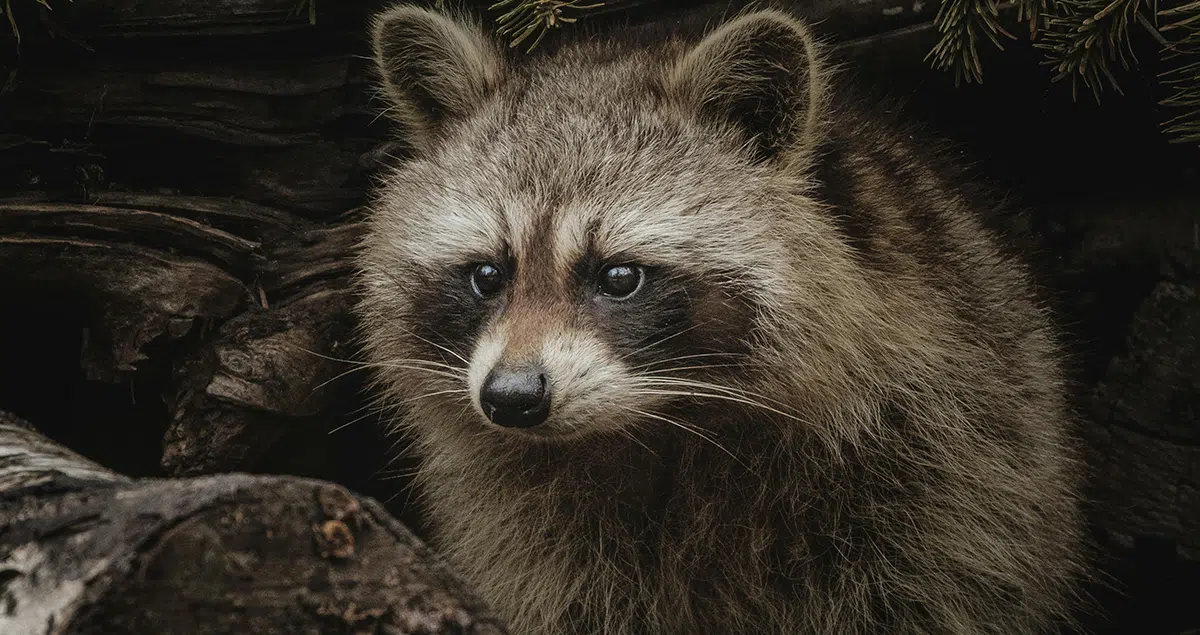
Common Issues Residents Face with Raccoons in Brampton
Property Damage
- Attics, Roofs, Siding, and Crawlspaces
Raccoons are excellent climbers and the most efficient route to your attic is through your roof. Not only will they tear up your roof shingles, drainage systems or vents to gain access, but once inside, they'll also damage wiring and insulation - possibly causing water or frost damage or even fires. - Gardens and Lawns
While we may not be all that fond of grubs and other creepy crawly things, raccoons are. And, they'll dig up your lawn, flower beds, and gardens to get to them. (So do skunks, by the way.) - Urine Damage
Older homes with wooden floors are especially susceptible to rotting and mould due to raccoon urine and feces. We have seen damage so severe that the entire floor/ceiling collapsed and the contents of the attic latrine ended up on the kitchen table.
Noise Disturbance
Raccoons are nocturnal creatures, most active during the hours from dusk to dawn. They are also very vocal animals, often chittering or screeching to one another. They have a rich vocal repertoire producing sounds that can be differentiated and described as tonal or noisy calls. Tonal sounds, like whistles, have a clear, musical quality. Noisy calls, such as growls and hisses are more guttural and have a lower frequency; they are probably heard more often during breeding season.
Aside from vocalization, raccoons also scratch and thump - something that will definitely disrupt your slumber, especially when coming from your attic.
Health and Safety Risks
- Rabies Risk for Pets and Humans
Raccoons are the most common vector species for Rabies - a fatal disease if contracted by humans. - Leptospirosis
This is a bacterial infections spread through animal urine or feces, or water or soil contaminated with animal urine and feces. - Raccoon Roundworm (Baylisascaris procyonis)
While human infections are not overly common, they are extremely dangerous due to the ability of the parasite's larvae to migrate into brain tissue and cause damage. Concerns are actually on the rise because of the number of urban raccoons and increasing interaction with humans.
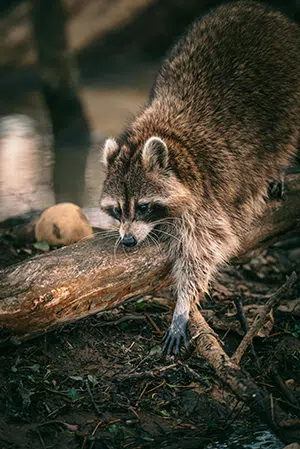 Garbage Scavenging
- Raccoons knock over garbage cans and spread trash around your property.
- Strewn trash attracts secondary pests like rats and insects.
- Aside from the mess that is now yours to clean up, you may also be exposed to potential health hazards.
Effective Solutions for Mitigating Raccoon Problems
Secure Entry Points
- Inspect Your Home for Potential Access Points
At least twice each year (spring and fall) it is wise to have a thorough look around your home. Pay special attention to siding and roofing, including the chimney and any vents. - Find and Fix
Install mesh screens and metal flashing over vents and chimneys and repair any small openings
. - Regular maintenance
This can include trimming tree branches to prevent access to your roof, screening the space below your porch among many other wildlife exclusion techniques.
- Attics, Roofs, Siding, and Crawlspaces