CA
 US



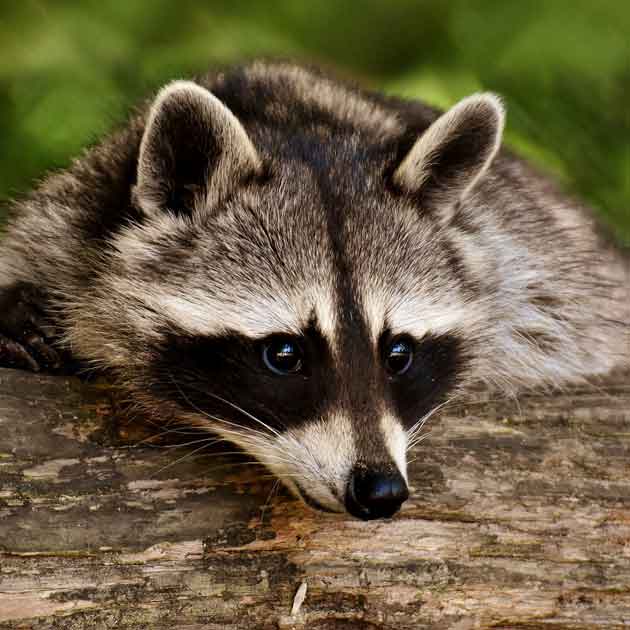
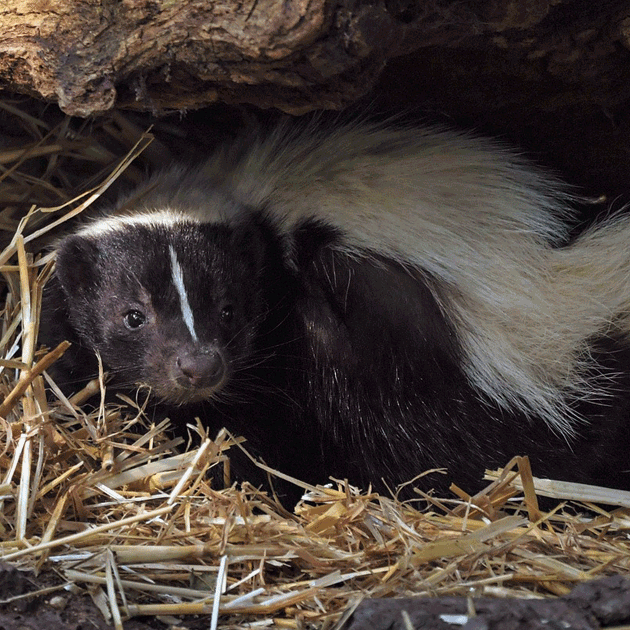
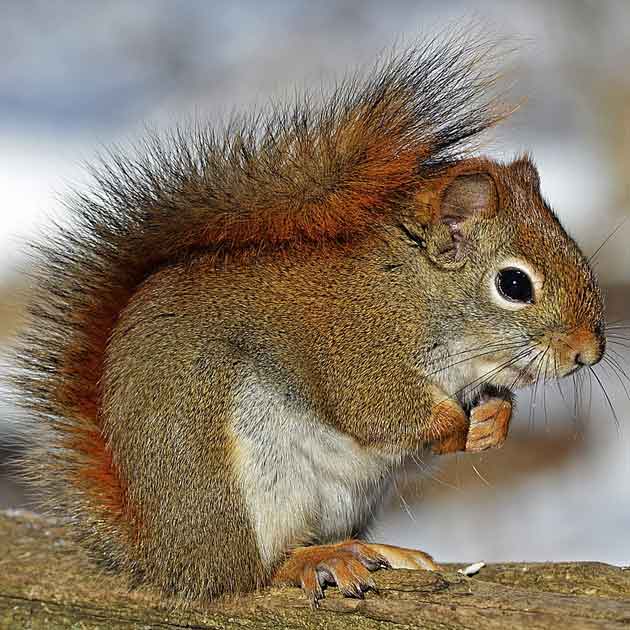



rabies in Ontario
-
Canine Distemper Outbreak in Raccoons
Have you ever encountered the unsettling sight of a disoriented raccoon wandering in daylight—a hallmark of a canine distemper virus (CDV) outbreak? In this article, we'll break down what CDV is, what canine distemper in raccoons looks like, and how an outbreak can affect other wildlife species as well as your pet.
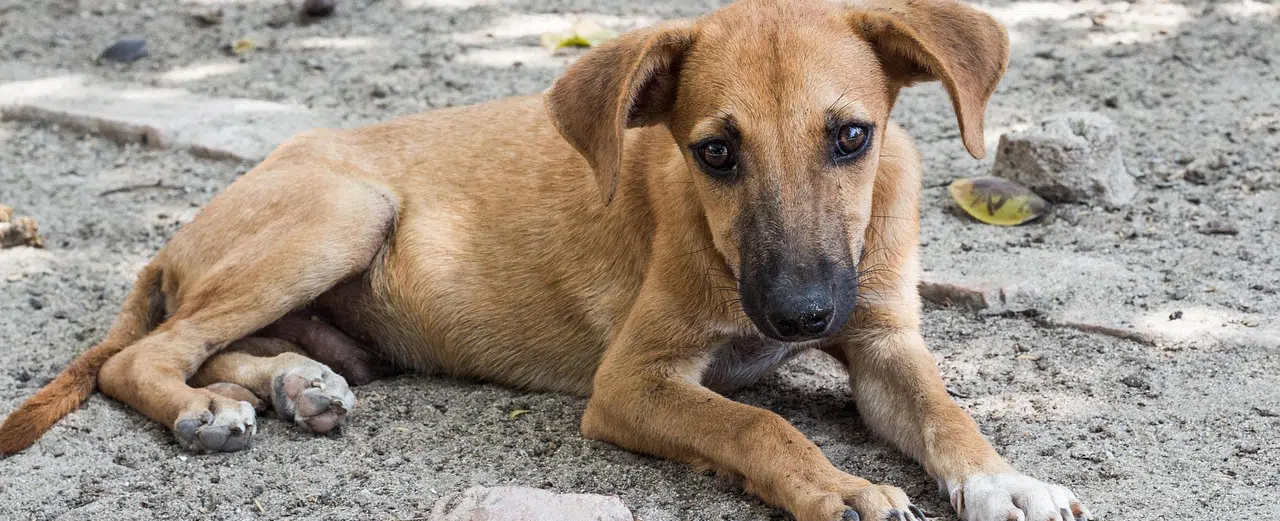
Distemper is a highly contagious viral disease that periodically sweeps through the GTA raccoon population, creating significant risks for local wildlife and pets.
-
How to Get Rid of a Rabid Raccoon
Most importantly - DO NOT! Do not handle a raccoon suspected of carrying rabies, alive or deceased. A rabid raccoon requires a professional response; attempting to catch, handle, or remove the animal yourself can expose you, your family, and your pets to the virus.
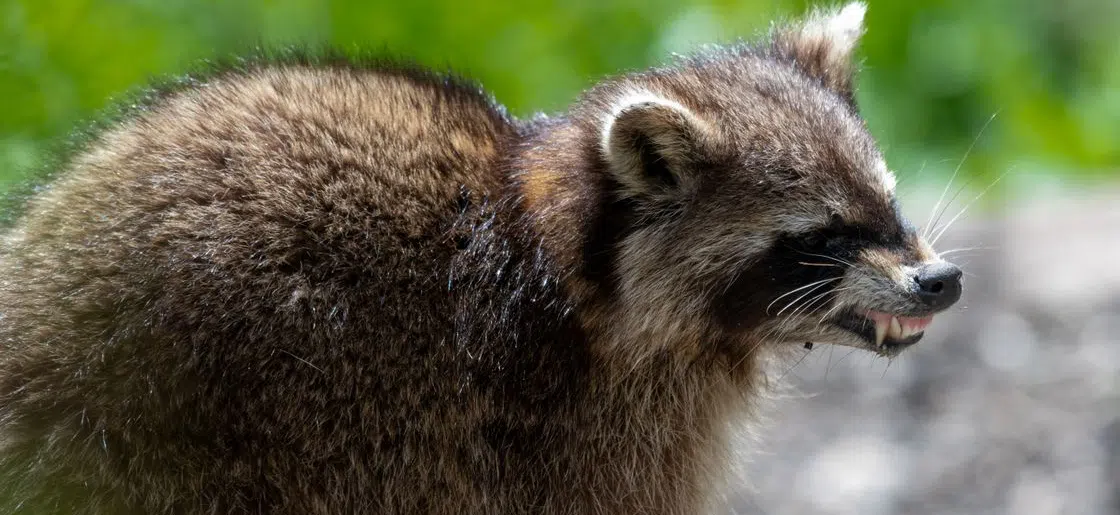
In this article, we'll break down how to report, respond safely, seek professional intervention, and navigate the legal considerations of dealing with a rabid raccoon.
-
How to Tell if a Raccoon Has Rabies
Rabies is a serious viral infection that affects both animals and humans, with one of the most common carriers being raccoons in the wild.
But how do you know how to tell if a raccoon has rabies? Knowing the signs and symptoms can be crucial for your safety and that of your pets.
Let's explore the behavioral and physical clues that can indicate a raccoon may be infected with rabies so you can keep yourself and your family safe.

Understanding Raccoon Rabies
What is Rabies?
Rabies is a serious virus that affects the brains of animals and humans. It usually spreads through the saliva of an infected animal, often through bites.
It's important to know that not all animals have rabies, but it's a dangerous disease if they do. Additionally, it can be hard to know how to tell if a raccoon has rabies, so the safest bet is to assume they do.
-
RABIES Update for March 29 2017
Rabies continues to spread through Ontario, mainly the Raccoon strain. Here is an update on the situation on rabies in Ontario from the Ontario Ministry of Natural Resources and Forestry (MNRF) as of March 29, 2017.
OMNRF are reporting 1 new case of raccoon strain rabies from the previous week, occurring in a raccoon from Haldimand. As of March 29, 2017, there have been a total of 295 cases of raccoon strain and 8 cases of fox strain rabies in Ontario. Hamilton has been the hardest his area with a total of 232 cases of Racccoon Rabies.
-
Raccoon Attacks
Are Raccoons Aggressive Toward Humans?
 Despite appearing to be cute and cuddly creatures, raccoons are actually one of nature’s biggest and most destructive nuisances, especially to humans. Although urban raccoons are accustomed to human presences and generally don’t pose a threat, there are certain circumstances in which they can be dangerous to people.
Like humans or any other animal species, raccoons usually get aggressive or defensive when they feel threatened or scared. They have a natural instinct to protect themselves and their kits (children) against what they perceive to be potential threats.
With that in mind, if you come into contact with a raccoon or a nest of raccoons has taken up residence in your home, it’s best to call raccoon control and prevention services to deal with the matter.
Hawkeye’s Control, Prevention, and Removal of Aggressive Raccoons
Raccoons are naturally curious, but invasive creatures. As scavengers and creatures of habit, they tend to go where they can find easily accessible food sources and warm and cozy living spaces for their nests. Once raccoons have nested in your residential or commercial property, getting rid of them can be a challenge.
Hawkeye Bird and Animal Control provides extensive raccoon control, prevention, and removal services in Toronto and the GTA. We use safe, humane, and effective industry-recognized practices to ensure that all raccoons are removed from your property with minimal downtime and property damage.
How Dangerous are Raccoons?
Raccoons can certainly coexist with humans in outdoor urban spaces. But when they enter your home or get a little too close for comfort, that’s when the real trouble begins.
Raccoon infestations are dangerous for a number of reasons. These furry urban creatures often carry a cornucopia of diseases including rabies, roundworms, and leptospirosis. These diseases can be transmitted to humans through various means including contact with their feces and urine; roundworm eggs can even become airborne and ingested by humans unknowingly. Raccoons are considered a rabies vector species, meaning raccoons are the most common carrier of the deadly disease which can easily be transferred to humans and other animals including household pets.
Furthermore, raccoons can get physically aggressive around perceived threats to their own personal safety or the safety of their kits. Bottom line: never try to get into a physical altercation with a raccoon. They will win pretty much every time.
Here are a few other factors to be aware of when dealing with raccoons in your area or property:
- They have sharp claws and teeth. And, they’re not afraid to use them. If humans dare to get too close to raccoon nests, the mother will almost immediately go into attack mode. In fact, any time you spot a raccoon—whether it’s rummaging through your garbage or running across your yard—it’s probably best to just steer clear of them altogether and maintain a safe distance.
- They’re wild and unpredictable. Raccoons are wild animals that carry diseases, which means their behaviour can be completely unpredictable at times. At first glance, there’s no way of knowing whether or not they’re sick, so it’s better not to take the risk of getting too close.
- There’s a risk of disease transmission. As mentioned, raccoons are a rabies vector species, which means that they’re likely to have some form of this disease and can transmit it to humans and other animals.
When Will a Raccoon Attack You?
Due to urban modernization, raccoons have become accustomed to living in close proximity to humans. Generally, raccoons are more likely to run away from creatures such as humans that are bigger than them. But there are several circumstances in which raccoons might feel compelled to attack humans, usually in self-defence or to protect their own.
Raccoons will generally attack you or fight back if:
- You try to corner them
- They have rabies
- They’re protecting their babies
Understandably, your first instinct upon discovering unwanted pests or wildlife in your residential or commercial property is most likely to try to trap and remove them immediately, but this is unsafe to do without consulting or hiring a professional. When it comes to raccoon control and removal you do not want to get caught in an altercation with a raccoon, especially a sick or threatened animal. When raccoons feel threatened or are sick, they very quickly go into self-defence mode and that typically means a lot of biting and scratching.
Rabies-infested raccoons show specific signs and symptoms that venture far beyond the typical distemper exhibited by raccoons. The combination of severe aggression and disorientation means that raccoons with rabies are far less likely to be timid or afraid of humans that they perceive to be threatening. And that means they’re more likely to attack and act in an unpredictable manner.
What to Do if a Raccoon Attacks You
Staying as far away as possible during a raccoon attack is imperative. Try to use whatever long-form objects are available to you to keep the raccoon from scratching, biting, or clinging to you. Broomsticks, large branches, trash cans, or even pieces of furniture like chairs and step stools are ideal. Avoid throwing blunt objects at the raccoon as this will only further aggravate it. Just use the objects to keep the raccoon as far away as possible while you make your escape.
Don’t corner the raccoon, as this will just aggravate it more. Getting to a safe distance from a raccoon should be your primary objective to avoid disease transmission and injury.
Steps to Take if a Raccoon Bites You
If you’re attacked by a raccoon, then your first course of action should be to seek out medical treatment. In Ontario, this consists of local treatment of the wound and administering post-exposure prophylaxis with Rablg (rabies immune globin) along with four to five doses of HDCV or PCECV.
If the raccoon has been captured, they’ll most likely also undergo rabies testing and treatment.
It is important to know that if you do contract rabies from a raccoon, the virus is nearly 100% fatal. All efforts must be made to avoid direct contact with these animals as rabies is no joke. To learn more about rabies – please see these rabies updates.
Hawkeye’s Removal of Aggressive Raccoons Services
In the event that you have a raccoon infestation on your property, don’t try to take care of it yourself. Call the raccoon control, removal, and prevention experts at Hawkeye Bird and Animal Control to do it for you. Our experienced and fully trained technicians have the right skills and equipment to guarantee that all raccoons and other pests or wildlife are safely and effectively removed from your property. Contact us today to learn more or book our services.
Why Hawkeye?
We GUARANTEE results. We offer PERMANENT solutions above and beyond what other companies can offer. Hawkeye is the ONLY pest bird and animal/wildlife control company in Canada designated "Certified Wildlife Control Professional" AND holding the following licenses:
- Trapping of Fur Bearing Animals Permit: In contrast to all other companies, we can euthanize the bird or fur-bearing animal, thus guaranteeing it will not return.
- Falconry Permit: We use Birds of Prey (hawks, owls, falcons, eagles) to scare, chase, or remove in a natural and humane way.
- Pest ControlLicense: We can employ chemical solutions to certain problems. These methods include natural pesticides.
We are ready to serve you at several locations in Canada and the U.S, - contact us for removal of aggressive raccoons.
Related Articles:
https://www.hawkeye.ca/blog/raccoon-infestation-in-apartments
https://www.hawkeye.ca/blog/how-to-get-rid-of-a-rabid-raccoon - They have sharp claws and teeth. And, they’re not afraid to use them. If humans dare to get too close to raccoon nests, the mother will almost immediately go into attack mode. In fact, any time you spot a raccoon—whether it’s rummaging through your garbage or running across your yard—it’s probably best to just steer clear of them altogether and maintain a safe distance.
-
Raccoon Distemper Outbreak FAQs
Below are answers to some of the questions we most often hear when it comes to canine distemper virus (CDV) risk and raccoons, and what to do if a raccoon has distemper.
Q:Do wildlife rehab centers take raccoons with distemper?
A: Many wildlife rehab centers may take in raccoons with suspected canine distemper, mainly to test and confirm the diagnosis. Because canine distemper is fatal and highly contagious, centers generally have to euthanize infected raccoons to end their suffering and prevent the spread to other animals. Do not approach or handle sick animals yourself. In the GTA, contact your local animal control unit or a professional wildlife operator like Hawkeye Bird & Animal Control.
-
Why you should be concerned about RABIES in Raccoons

Why you should you be concerned about RABIES in RACCOONS
If you suspect a raccoon in your area has rabies, keep you and your pets away and contact us.
Learn how to tell if a raccoon has rabies »
Hawkeye Bird and Animal Control cares about your family’s welfare. We service Hamilton, Burlington, the Golden Horseshoe and surrounding areas for animal and wildlife control and can safely trap animals that have, or are suspected to have rabies. We will make sure your residence, business, industrial or commercial property is secure.
Recently quoted in the Hamilton Spectator, Dan Frankian of Hawkeye Bird and Animal Control said: "We are going to make the pre-exposure vaccine compulsory for all staff; the last thing we want is for my staff to be affected."
The number of documented cases of raccoons having rabies in the Greater Hamilton area of Ontario has grown to 60 and counting since December 2015. Twenty-Four skunks have also been identified in this area along with two fox in Perth County. This is not only a threat to the raccoon population but has a large impact on people, homes and businesses.
Related Articles:
https://www.hawkeye.ca/blog/how-to-get-rid-of-a-rabid-raccoon