 CA
CA US
US


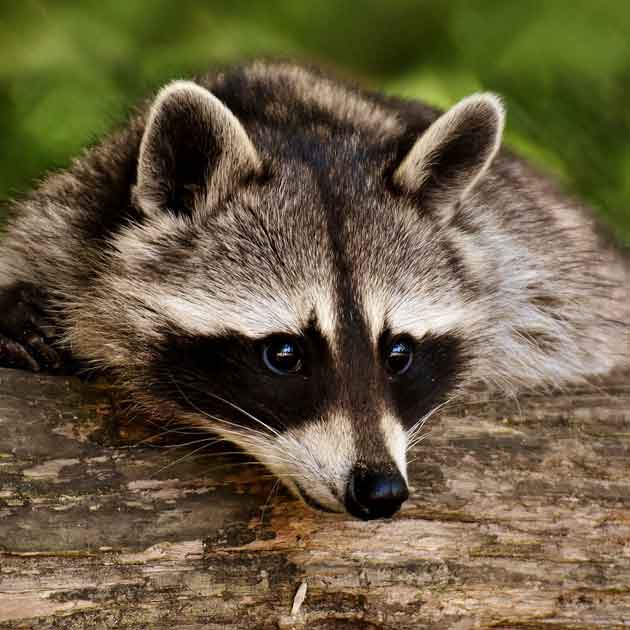



Below are answers to some of the questions we most often hear when it comes to canine distemper virus (CDV) risk and raccoons, and what to do if a raccoon has distemper.
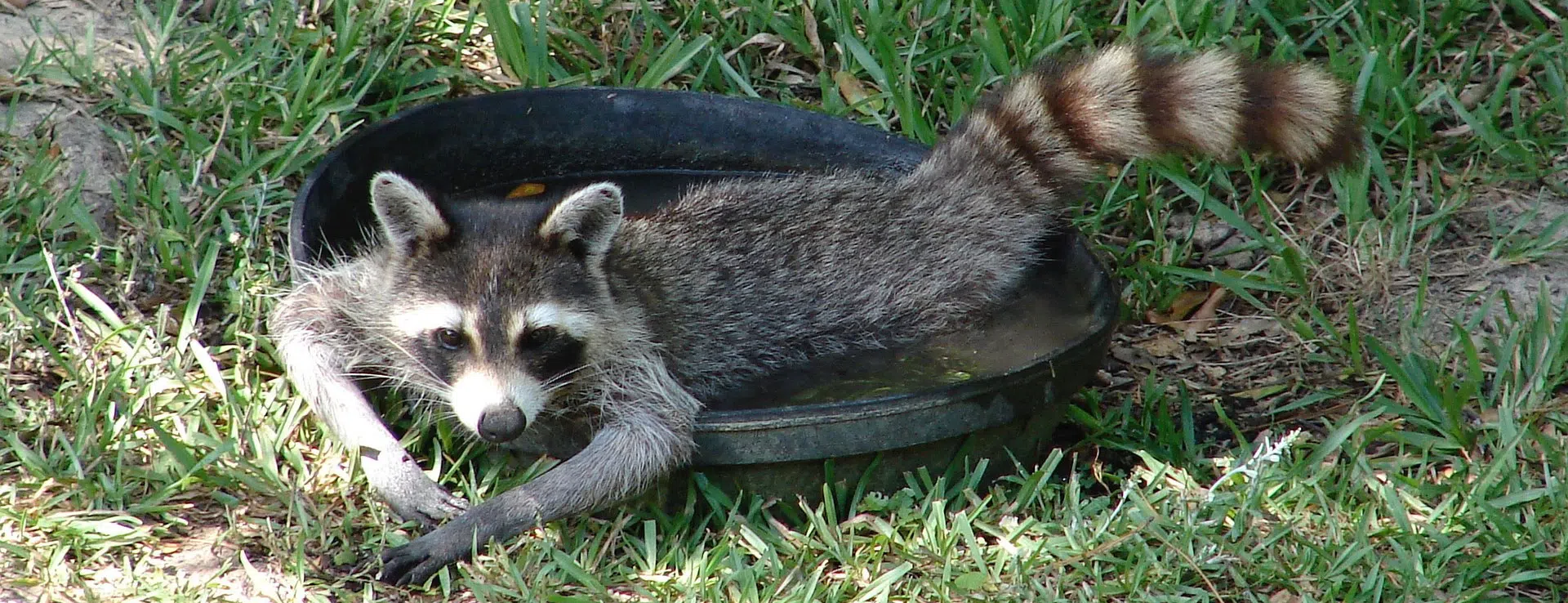
Q: Do wildlife rehab centers take raccoons with distemper?
A: Many wildlife rehab centers may take in raccoons with suspected canine distemper, mainly to test and confirm the diagnosis. Because canine distemper is fatal and highly contagious, centers generally have to euthanize infected raccoons to end their suffering and prevent the spread to other animals. Do not approach or handle sick animals yourself. In the GTA, contact your local animal control unit or a professional wildlife operator like Hawkeye Bird & Animal Control.
Q: Should I report a distemper raccoon to local authorities?
A: Yes, you should absolutely report an animal displaying signs of distemper or rabies. The symptoms are almost indistinguishable but both diseases are highly transmissible and fatal. Both viruses also jump the species barrier and pose an imminent threat to pets - or, in the case of rabies, even humans. It is important that the animal is tested and a correct diagnosis is made. Distemper can be confirmed through a rapid test (FA) or, a PCR test while they are alive, or by examining tissue samples after death.
Q: Can a raccoon with distemper infect cats?
A: Cats, large cats such as lynx and bobcats in particular, can be infected by the canine distemper virus (CDV) but are unlikely to get sick.
Q: Can raccoon distemper spread to my vaccinated dog?
A: The good news is that vaccination will almost always protect your dog from the canine distemper virus (CDV). Puppies under 4 months of age are particularly susceptible to infection with CDV. This is why a series of shots and boosters is recommended for pups between the ages of 6 weeks and 20 weeks.
Q: What should I do if my dog sniffed or touched a sick raccoon?
A: Contact your veterinarian for instructions on how to proceed. The risk of your dog becoming infected with Canine Distemper (CDV) is almost nil if your dog has been vaccinated.
Q: Why shouldn't I just wait for the raccoon to die on its own?
A: You should report a sick raccoon immediately for two reasons: First off, if the animal does indeed have distemper (or rabies, for that matter), death will be slow and painful. Please don't let the animal suffer any longer than necessary. And secondly, while still alive and mobile, the raccoon can still spread the virus around to pets and other wildlife. If it’s actually rabies, not taking immediate action to report the raccoon puts any humans in the area at risk as well.
Q: Can humans catch distemper from a raccoon?
A: No, CDV cannot infect humans. However, the symptoms of canine distemper very closely resemble those of rabies - and rabies can indeed be transmitted to humans.
Q: How long does the distemper virus survive in the environment (soil/grass)?
A: As with most contagions, the climate plays a big role in the longevity of the canine distemper virus. In warmer temperatures and sunlight it can be rendered harmless in a matter of hours while cooler, near freezing temperatures may allow the virus to actively linger for several days or even weeks.
Q: Can raccoons recover from distemper naturally?
A: Unfortunately, the vast majority of infected raccoons do not recover or survive CDV. There is no treatment or cure for the disease, so, in most cases, euthanasia is the kindest thing we can do for raccoons with canine distemper.
Q: How can I disinfect areas contaminated by a sick raccoon?
A: The short answer is: You shouldn't. You should contact a professional as this is not a safe DIY task. Disinfecting areas contaminated by a sick raccoon requires strict safety protocols, extensive PPE, and very likely high heat (e.g., boiling water or a blow torch). Bleach or Lysol often do not do a good enough job with disinfecting. Roundworm eggs, for example, cannot be destroyed by bleach.
Q: Is it safe to remove a dead raccoon that had distemper?
A: No, you should absolutely not touch or move a deceased raccoon with distemper. Your first and best option is to call your local animal control unit. Not only will they come to retrieve the animal but they will also probably send the remains off for testing to confirm cause of death and to initiate protocols to help prevent the spread of the virus. Canine distemper can spread to a number of species, including: dog, cat, weasel, ferret, fox, coyote, skunk, wolf and more. Learn more about removing dead raccoons here: https://www.hawkeye.ca/blog/how-to-get-rid-of-a-dead-raccoon
Q: Are baby raccoons more vulnerable to distemper?
A: Indeed, young raccoon kits are at a higher risk of infection than adult animals. In fact., CDV is the leading cause of juvenile raccoon deaths. Dog puppies in their first four months of life are also highly susceptible to canine distemper .
Q: Does cold weather kill the distemper virus outdoors?
A: No, quite the opposite is true, actually. The canine distemper virus is extremely resistant to cold temperatures and can survive for weeks at a time.
Q: Why do distemper-infected raccoons appear active during the day?
A: Canine distemper causes neurological damage and the affected raccoon loses all sense of orientation and coordination. Interrupted sleep pattern, pain, and dehydration lead to a reduces sense of preservation (i.e., no fear of humans) and the appearance of a dazed, aimlessly wandering, or a seemingly "drunk" animal that's out during daylight hours.
Q: Should I isolate my pets if there is a canine distemper outbreak nearby?
A: Keeping a safe distance is definitely a good idea but more importantly you should make sure that your dog's distemper vaccination is up to date. This is going to be your best defense against the spread of CDV to your pet.
Q: How quickly does distemper spread through raccoon populations?
A: The higher the population density is, the faster the virus spreads. Infected animals may shed the virus starting approximately five days after infection, for a period of as long as six weeks or until death. Canine distemper usually appears in cycles several years apart. Young animals are particularly vulnerable.
Q: Can multiple raccoons in one yard indicate a canine distemper outbreak?
A: No, mere raccoon presence in your backyard would not indicate a distemper outbreak. But, if the animals display signs of illness like an unsteady gait, seem disoriented, weak or lethargic, you should call your local animal control unit. Do not let your pets out into the yard and remove any and all food or water sources.
Q: Can I bury the CDV infected raccoon on my own?
A: Handling a deceased raccoon with canine distemper is highly discouraged. Please call your local animal control to have the animal picked up and tested. If you do decide to bury the animal yourself, be sure to wear protective gear including boots, gloves, and a face mask. Bury the animal three feet or deeper to prevent pets or other wildlife from digging it up.
Related Articles:
https://www.hawkeye.ca/blog/how-to-tell-if-a-raccoon-has-rabies
https://www.hawkeye.ca/blog/raccoon-distemper-outbreak-in-the-gta
https://www.hawkeye.ca/blog/can-raccoons-hurt-cats
