 CA
CA US
US

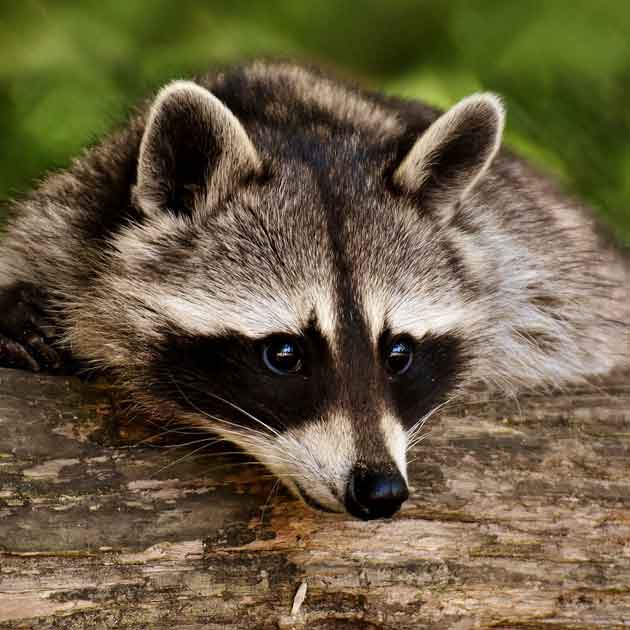



Have you ever encountered the unsettling sight of a disoriented raccoon wandering in daylight—a hallmark of a canine distemper virus (CDV) outbreak? In this article, we'll break down what CDV is, what canine distemper in raccoons looks like, and how an outbreak can affect other wildlife species as well as your pet.
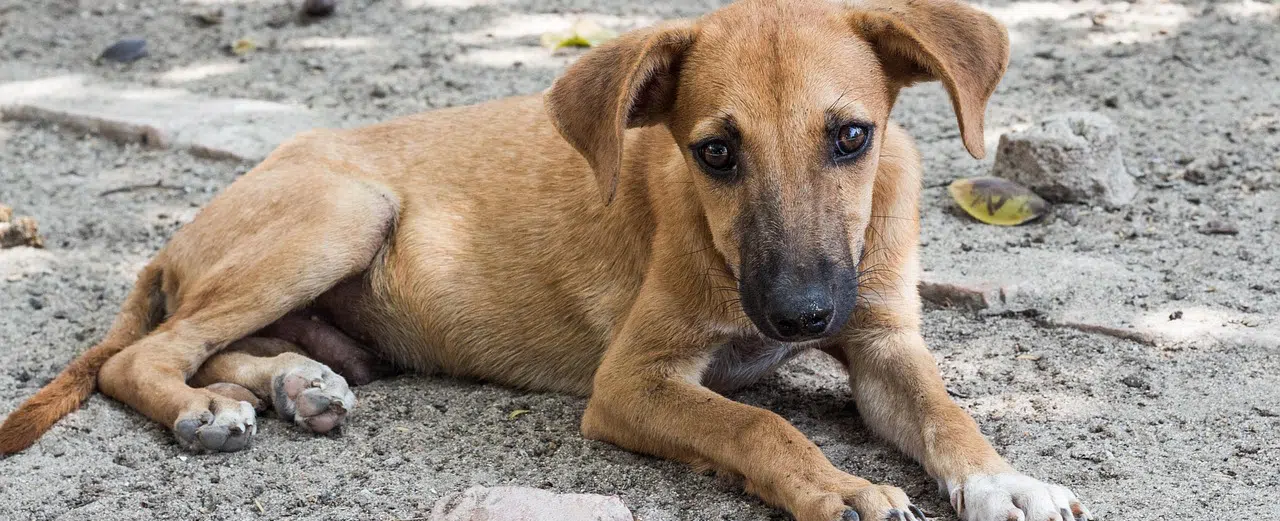
Distemper is a highly contagious viral disease that periodically sweeps through the GTA raccoon population, creating significant risks for local wildlife and pets.
What Is Raccoon Distemper?
Distemper in raccoons is caused by the canine distemper virus (CDV). Contrary to its name, CDV can infect not only canine species, but also animals in the weasel family and even large cats. . That’s why it’s considered a serious raccoon disease. Here are some quick facts:
- It is not rabies (different disease, different symptoms).
- It's highly contagious among wildlife.
- Young animals (pups) experience the highest risk of infection.
- CDV is common during seasonal population spikes.
How Does Distemper Spread?
A common question homeowners and commercial property owners ask is: can raccoon distemper spread to other animals or areas? The answer is yes—very easily under the right conditions.
Animals become infected through airborne exposure to the virus. The virus most often becomes airborne through sneezing, coughing, or barking. CDV also can be transmitted between the same species or different species through shared food and water bowls and other items that have had contact with infected saliva, urine, or feces.
Outbreaks are particularly common in urban environments where high population density accelerates the spread. This was the case in London, Ontario in the summer of 2025.
Why Raccoon Distemper Outbreaks Happen in the GTA
Raccoons are one of the most affected species and Toronto is the raccoon capital of the world, so outbreaks here come as no surprise. Here are some reasons why raccoon distemper outbreaks are a risk in the GTA:
- High raccoon population density;
- Shared feeding zones, including household garbage, compost, gardens, and industrial waste;
- Shared water sources;
- Breeding season concentration
Canine distemper outbreaks spread rapidly in dense urban areas and are particularly dangerous late spring and early summer after raccoon kits are born.
How to Identify a Raccoon with Distemper
Canine distemper progresses in stages that attack the respiratory system, the gastrointestinal system, and finally the nervous system. What happens to a raccoon with distemper depends on the progression of the disease.
- Behavioural Red Flags
- Daytime Activity
A raccoon acting drunk, staggering in bright sunlight (normally nocturnal). - Loss of Fear
An animal that’s approaching humans or pets without hesitation. - Loss of Coordination
An infected raccoon may appear to walk in circles, unable to follow a straight line.
- Daytime Activity
- Physical Symptoms:
- Discharge
Thick, sticky yellow or green mucus around the eyes and nose (often confused with rabies). - Neurological Distress
Seizures, localized tremors (twitching), head tilt, and a staggering, "drunk" gait. - Abdominal Distress
Prolonged vomiting and diarrhea that leads to emaciation and lethargy. - Paralysis
Late stage disease may present as partial or complete paralysis.
- Discharge
Distemper raccoons and animals with rabies often display similar symptoms such as disorientation, lethargy, and loss of balance due to neurological damage. While distemper and rabies are different viruses, they both have no cure and will likely result in death.
Rabies vs. Distemper: Understanding the Key Differences
- Zoonotic Status (the Human Risk)
Rabies: It's a zoonotic disease, meaning it is 100% transmissible and fatal to humans if not treated immediately.
Distemper: Not transmissible to humans, though the symptoms are nearly identical to rabies, making every encounter a potential medical emergency. - Symptomatic Overlap
Both viruses cause "zombie-like" behaviour including confusion, loss of balance, and eventual paralysis. However, distemper often presents with heavy respiratory discharge (crusty eyes/nose) and a very sickly animal, whereas rabies may cause aggression. - The "Diagnosis" Trap
It is next to impossible to distinguish rabies from distemper by sight alone. Lab testing of brain tissue is the only definitive way to know. Therefore, any sick raccoon must be treated as a rabies threat for public safety. - Target Populations
While distemper is a massive threat mainly to the canine population (dogs), rabies is a threat to every mammal, including humans and livestock.
What Happens to Raccoons with Distemper?
Raccoons with distemper usually die within 2 weeks after symptoms first appear, sometimes even sooner.
- Disease Progresses in Stages
- Respiratory phase
- Gastrointestinal phase
- Neurological phase
- Most infected raccoons do not recover
- Mortality rate is high in urban outbreaks
Infected animals may linger around your property while in the throes of the disease. It’s important to note that most infected raccoons do not recover; the mortality rate is high in urban outbreaks.
Risks of Having a Distemper-Infected Raccoon on Your Property
The raccoon distemper risk to pets, wildlife, and your property should not be underestimated. While the canine distemper virus is mostly a threat to dogs (as the name would suggest), in addition to raccoons, cats can actually also become infected. However, they rarely display symptoms of the disease.
Risks to Your Pet
- Unvaccinated dogs are at high risk of infection.
- Puppies are especially vulnerable.
- A shared yard may become contaminated.
- Dogs may be exposed through sniffing infected saliva or feces.
Other Forms of Wildlife vulnerable to Distemper include:
- Foxes
- Coyotes
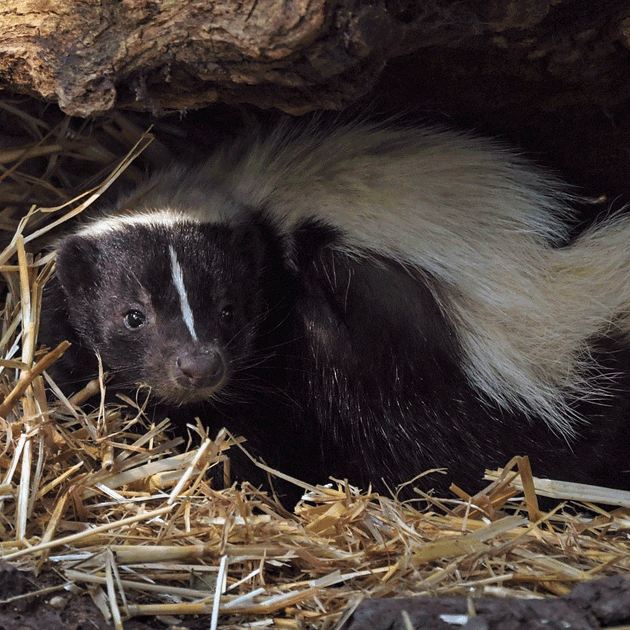
- Skunks
- Ferrets
- Otters
- Minks
- Large cats
Having a raccoon infected with distemper on your property is also a risk to you and anyone who lives or works on the property because of the potential of spreading the virus due to:
- Indirect exposure through fluids
- Contaminated surfaces
- Deceased raccoon carcass hazard
Please note that in contrast to rabies, distemper does NOT infect humans.
DIY Trapping & Relocation Is Risky During Distemper Outbreak
- Spreading the Outbreak
Relocating a distemper-infected raccoon is essentially "biological warfare." You are introducing a highly contagious, lethal virus to a new, potentially healthy population. - The 1-Km Relocation Rule
In Ontario, even "humane" companies are limited by the 1-km rule. Moving a sick animal 1 km does nothing but move the hazard to your neighbour's yard. During an outbreak, relocation is irresponsible and harmful. - The Liability of Bites
A sick raccoon is unpredictable. If you attempt to trap it and are bitten or scratched, you face immediate medical protocols for distemper-related bacteria, other raccoon parasites, and potential rabies (as symptoms often overlap). - Legal Consequences
Unauthorized handling, trapping, or relocation of sick wildlife can lead to heavy fines under the Fish and Wildlife Conservation Act.
During a CDV outbreak, euthanasia is the most humane and kind thing we can do for infected animals. There is only one wildlife operator in the GTA licensed to humanely euthanize: Hawkeye Bird & Animal Control.
What to Do if a Raccoon Has Distemper
If you see a raccoon showing distemper symptoms:
- Call your local animal control unit.
- Do not approach.
- Keep pets indoors.
- Do not attempt to feed or move it.
- Avoid contact with saliva or feces.
- Prevent children from approaching.
- Call licensed wildlife professionals.
If the animal is deceased, please avoid direct contact and advise your local animal control (in many GTA municipalities you can dial 3-1-1). It may be tempting to bury the animal yourself but it is quite likely that animal control will want to test the animal to establish a diagnosis. In these cases, dead raccoon removal should always be handled by professionals to ensure proper handling and potential disease testing. They know how to remove a sick raccoon safely.
What Happens if You Ignore a Distemper-Infected Raccoon?
- The Prolonged Suffering
Distemper is almost always fatal, but the decline is slow and painful. Ignoring an infected animal on your property prolongs its suffering. - The "Attraction" Factor
A sick, immobile raccoon becomes a target for other predators (like coyotes), bringing even more dangerous wildlife to your doorstep. - Spread of the Virus
Other wildlife in the area may also become infected, creating or worsening an outbreak. - Biohazard Saturation
An infected raccoon will shed the virus constantly across your lawn, porch, or deck, contaminating the area for days and prolonging the risk for your pets and other wildlife. - Secondary Infections
Weakened raccoons are prone to other diseases and parasites that can be passed to other local wildlife or pets in the neighbourhood. This may lead to the spread of a host of diseases and end in more wildlife deaths.
Ignoring the issue does not contain the outbreak—it prolongs it and puts more animals at risk.
Professional Response During Raccoons Distemper Outbreak
In the GTA, both municipal animal control units and Hawkeye are trained to remove the animal safely and humanely. Here’s an overview of the process:
- Symptom assessment
- Safe capture protocols
- Biohazard precautions
- Humane euthanasia when necessary
- Possible veterinary testing
- Safe disposal
- Sanitation guidance
- Monitoring surrounding activity
How to Prevent Future Distemper-Related Wildlife Issues
Effective raccoon control, which is the best way to prevent distemper from becoming a problem for your home, business, or property, starts with removing attractants and securing your property against future wildlife activity. This is done by:
- Securing waste
- Removing feeding opportunities, such as pet food and water
- Sealing denning access points
- Ongoing property monitoring
How Hawkeye Can Help with Distemper Raccoon Removal
- Permanent Removal:
Unlike standard companies that "catch and release," Hawkeye’s unique license allows for the legal and humane euthanasia of infected animals. This is the only way to stop the spread of the virus. - Safe Extraction
We use specialized PPE and capture tools to ensure zero contact and zero risk to the property owner. - Clinical Sanitization
We don't just remove the animal; we sanitize the site using professional-grade virucides to kill lingering pathogens in the environment. - Comprehensive Wildlife Management
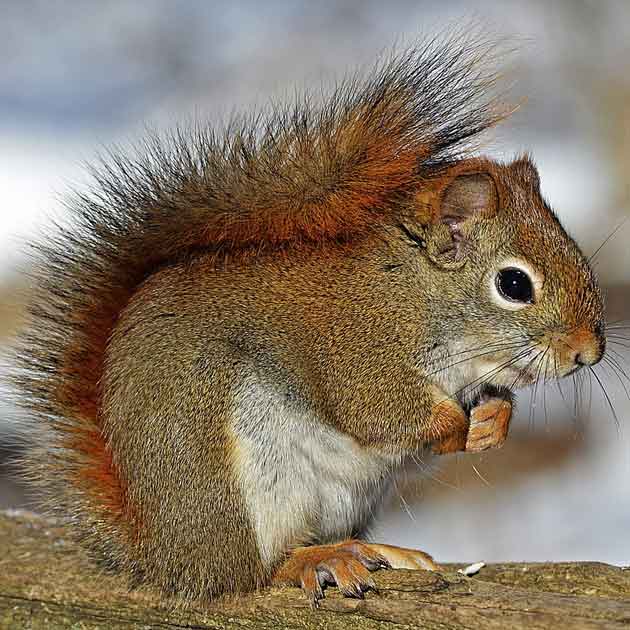
Our team provides permanent solutions for all nuisance wildlife, including skunks, coyotes, fox, squirrels, other wildlife animals and pest birds. As the only CWCP (Certified Wildlife Control Professional) company in the GTA and with a wildlife biologist on staff, we are able to conduct comprehensive wildlife assessments.
Contact Hawkeye for Professional Raccoon Removal
Our team specializes in professional raccoon removal, especially in high-risk disease scenarios like distemper outbreaks. Over 35 years of experience and expertise in dealing with raccoons make us the #1 choice in the Greater Toronto Area for all wildlife removal. We are the only company able to offer guaranteed, permanent raccoon removal. Call us today - we're here to help.
Hawkeye's raccoon removal services are available all across Southern Ontario, including Toronto , Scarborough , Brampton, Vaughan , Markham , Ajax , Pickering , Newmarket , Etobicoke , Oshawa , and Mississauga .
Related Articles:
https://www.hawkeye.ca/blog/raccoon-distemper-outbreak-faqs
https://www.hawkeye.ca/blog/how-to-tell-if-a-raccoon-has-rabies
https://www.hawkeye.ca/toronto-raccoon-removal-control
