CA
CA US
US





raccoon removal
-
Why Are There So Many Raccoons in Toronto?
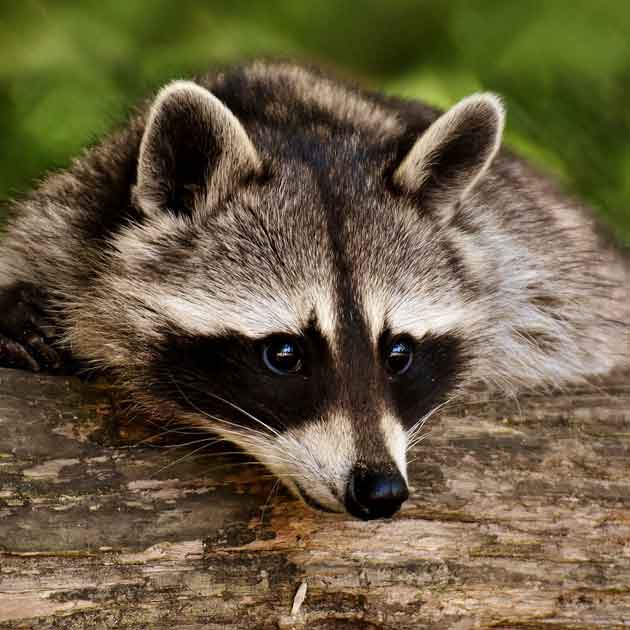
Toronto - Beautiful, vibrant capital city of Ontario - and Raccoon Capital of the World! Indeed, estimates of the number of raccoons that call Toronto home, range from 60,000 to 100,000. Torontonians seem to have resigned themselves to share their neighbourhoods with the ever present trash pandas. But, how did this come about?

Urbanization in Toronto
What does urbanization mean? It refers to the shift of populations from rural to urban areas. In terms of people, it is most often the result of availibility of employement opportunities, amenities, and cultural centres. Toronto boasts vast manufacturing and industrial expansion. Toronto's populatin has increased by well over 2 million since the year 2000 to almost 6,500,000 residents now. That's not counting raccoons! :)
How Does Urbanization Affect Raccoons?
When it comes to raccoons and other wildlife, it isn't so much the animals packing up and moving to the city, but rather, the city taking over their habitat. When we build sub divisions in previous wilderness, we'll not only take over the land, but also its inhabitants. For some species, the loss of habitat can be devastating, but raccoons are incredibly adaptable and opportunistic creatures and continue to thrive. When the woods disappear and hollow logs become scarce, a chimney might do just as well. And, a den in your attic may actually be an upgrade from the equivalent in the bush.
Why Toronto?
In short - Toronto has evrything a raccoon will ever need or want. Toronto has plenty of wooded areas, parks, and forests. There are also a ton of rivers, ponds, streams.. and let's not forget Lake Ontario. And then, there's talk of Torontonians just being such considerate hosts :) No, seriously, well meaning citizens had a habit of feeding wildlife and supposedly were somewhat lax when it came to waste disposal. The term 'Trash Panda' was coined before lockable garbage bins were a thing.
-
Why Detached Homes in Toronto Face a Higher Risk of Raccoons in the Fall
Especially Toronto's older, well established neighbourhoods see a scurry of raccoon activity once fall arrives. Toronto's detached homes, often surrounded by trees and green space, are particularly attractive to raccoons looking to find a secure and warm space to overwinter.
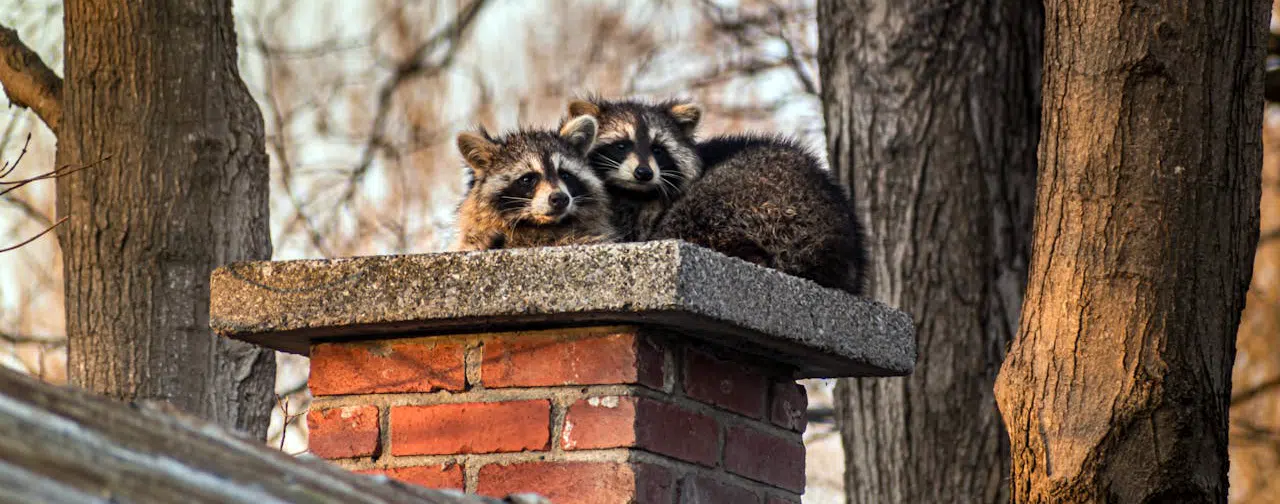
This article explains why these homes are high-risk, what homeowners can do, and why permanent raccoon removal in Toronto is often necessary.
Why Fall Brings Raccoons Closer to Homes
- Winter is Looming
Fall is the preparation phase for surviving Toronto's harsh winter; - "Mi Casa es Su Casa"
Urban raccoons have adapted to treat your home as part of their natural habitat and once inside, will not leave voluntarily; - Winter Denning and Torpor
While raccoons don't actually hibernate, they do slow down considerably and enter a phase of torpor. Having a a warm and sheltered space to settle down in is essential;
Autumn is the last opportunity to act before winter nesting begins and you're stuck with uninvited house guests for months to come.
What Puts Detached Homes at a Higher Risk Compared to Townhomes?
- More Entry Points
- Detached homes have more independent architectural features, such as multiple gables, vents, chimneys, and soffits.
- Aging roofing materials, unsealed attic vents, and gaps in eaves make perfect access zones.
- Garages and sunrooms are often overlooked but accessible.
- Surrounding Vegetation
- Trees, climbing vines, and fences serve as natural ladders to roofs.
- Detached homes are usually landscaped, increasing raccoon mobility.
- Unpruned branches near rooftops can bridge the gap for entry.
- Outdoor Waste Storage
- With no shared waste system, detached homeowners often leave bins outdoors overnight.
- Raccoons target unsecured compost bins, pet food, birdseed, and fallen fruit.
- Unlike condos, there’s less deterrence from noise, lighting, or human traffic.
- Lack of Regular Exterior Surveillance
- Winter is Looming
-
Why Exclusion Is Essential After Raccoon Removal
Removing a raccoon from your property does not automatically eliminate the risk of future intrusions. Buildings with accessible entry points remain vulnerable to new raccoons, or even the same animal returning after being released/relocated.
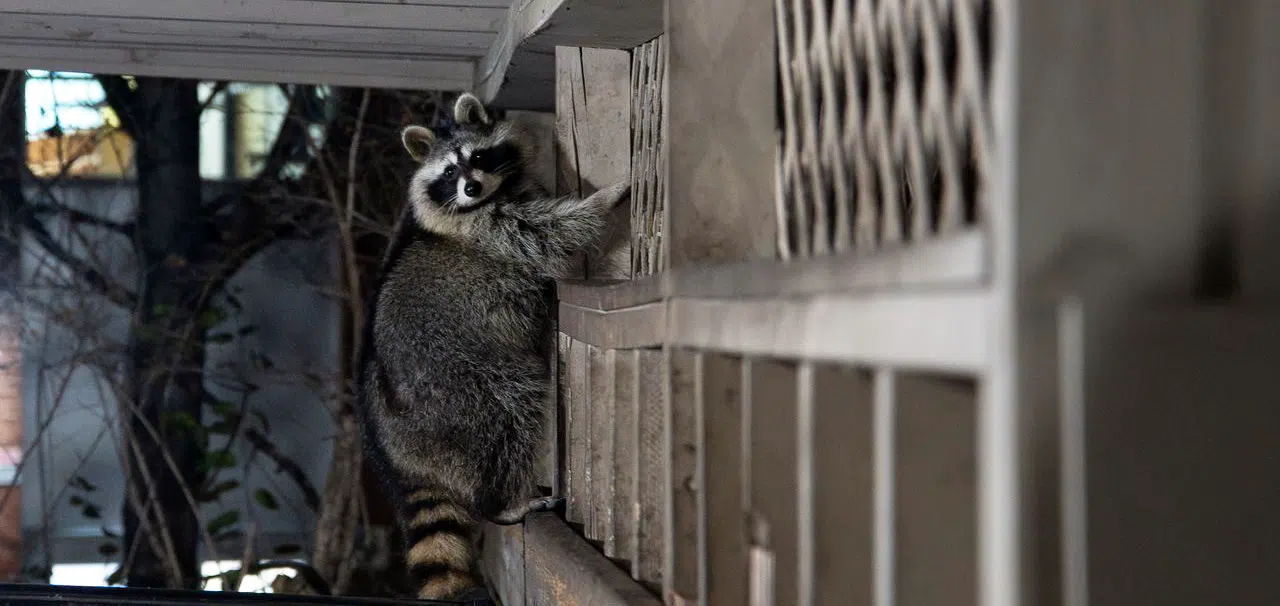
Exclusion is a long-term property protection strategy that complements raccoon removal. Learn why exclusion is a critical part of effective raccoon control.
-
Why Fall Raccoon Intrusions Cost GTA Factories Thousands
As autumn approaches and temperatures begin to drop, raccoon behaviour changes noticeably. Instead of simply moving through industrial areas, raccoons begin searching for reliable shelter and food before the harsh Toronto winter arrives. Factories often provide exactly the type of protected structures they need.
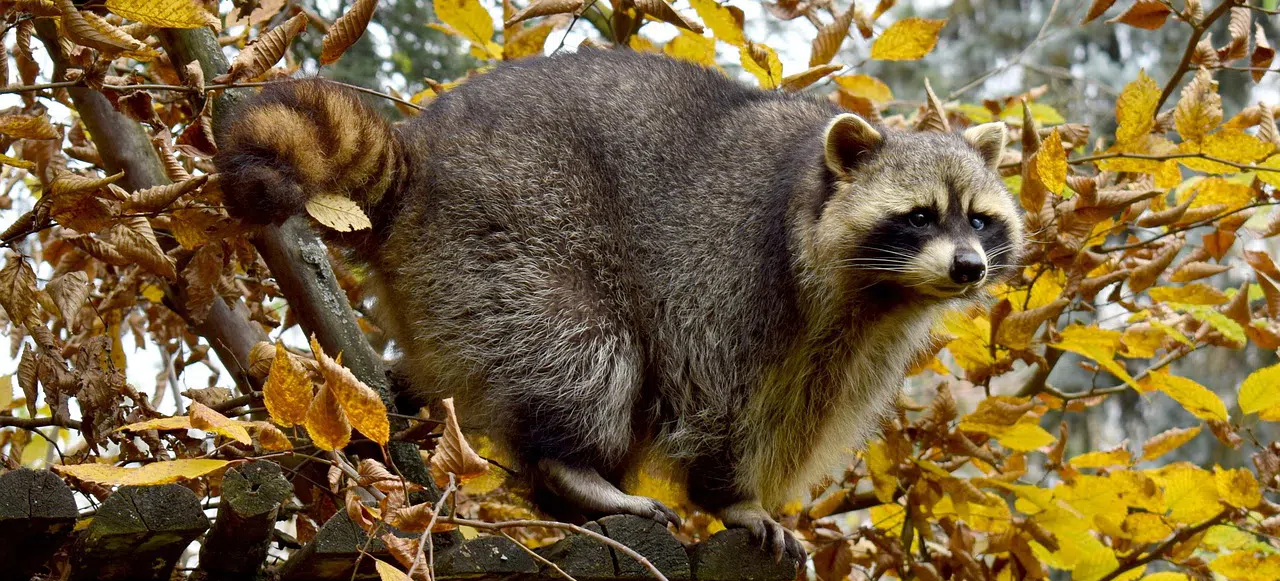
Industrial facilities in the Greater Toronto Area see increased raccoon activity in the fall. We most frequently receive call for help from factories and warehouses in:
-
Why Raccoon Activity Spikes in Mississauga During the Spring & Fall
Mississauga's numerous parks, streams, and wooded areas provide the perfect environment for raccoons willing and able to thrive alongside humans. There's water, food, and plenty of shelter in all seasons but there seems to be increased activity in spring and fall. Let's have a closer look at why that is and how understanding raccoon behaviour during spring and fall can help prevent your home from being invaded.
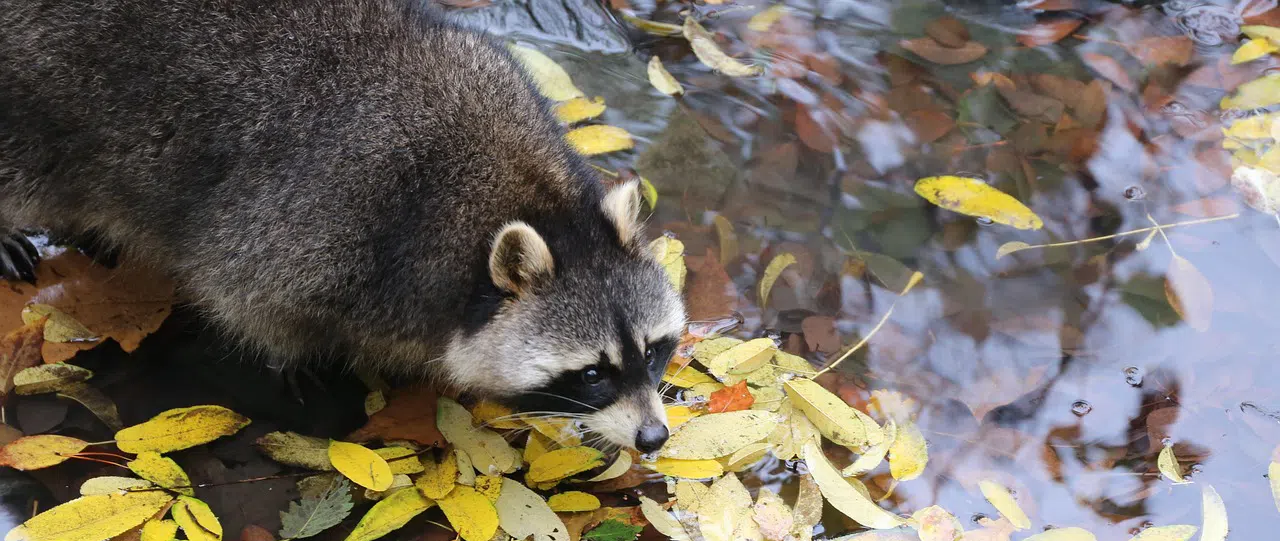
Why Do Raccoons Become More Active in the Spring?
Mating Season (Late Winter to Early Spring)
- Love is in the air for raccoons in the late stages of winter (January and onward)
- While solitary during other parts of the year, raccoons are more sociable and can be found in groups when it's time for competing for and selecting a mate.
- Male raccoons will posture and compete for the affection of females, going as far as fighting and tossing each other around. The ladies will watch and judge - and eventually choose the father of this year's litter.
Nesting & Denning Behavior
 House Hunting
Early spring is the time where expecting females will put great effort into finding the perfect place to safely birth and raise their kits.- Common Nesting Locations in Urban Areas
Attics, chimneys, spaces under porches and decks, garden sheds, and other outbuildings are among the favourite spots for a growing raccoon family.
Protective Mother Raccoons
- Increased Territorial Behaviour
Like mothers of all species, female raccoons will be fiercely protective of their den and their babies and not tolerate disturbances. - Signs that Your Home is Hosting a Raccoon Den
You may hear scratching and thumping between the hours of 10pm to 5am.
Raccoons are very vocal animals and common sounds you may notice include chitter, chirps, whistles, growls and hisses.
The smell of urine and feces can be an indication of a raccoon latrine inside your home.
Why Raccoon Activity Increases in the Fall
Preparing for Winter
While raccoons don't hibernate all winter, they do enter phases of torpor. This is similar to hibernation but only lasts for days or perhaps a week at a time. During torpor, the animal's body temperature and metabolic rate decrease, so prior to winter raccoons will need to prepare. During this time increased sightings of raccoons are to be expected.
- Increased Foraging
Building fat reserves before the cold months is vital for survival. - More Aggressive Scavenging
When the natural food supply winds down, raccoons will be even more determined to get into garbage bins, gardens, and compost piles.
Searching for Warm Winter Dens
Particularly if mother raccoon had invited herself into your attic or elsewhere in your home, she knows a good thing and will do her best to stay where she is or reclaim her space, should you have had her evicted. Mind you, that doesn't mean that a single gentleman raccoon can't also discover your home and decide to move in.
- Common Winter Den Locations
Popular denning locations include hollow trees, attics, chimneys, garages, garden sheds, and under decks or porches. - Break and Enter
Now is the time to thoroughly inspect your home for any and all vulnerabilities that raccoons can exploit. Pay close attention to siding and roofing.
Young Raccoons Leaving Their Mothers
- Young Ones Leaving the Den
Newly independent (mostly male) raccoons may be out searching for new territories. By the time fall comes around, the kits have grown up and are fully self sufficient. However, they often stay with their mother for their first winter - there is strength in numbers. More bodies produce more heat and make winter more survivable. - Increased Sightings
While the young ones that were born here will travel a fair distance in search of a new home range, others born elsewhere will have arrived here, looking to establish themselves.
- Love is in the air for raccoons in the late stages of winter (January and onward)