CA
CA US
US



raccoon removal
-
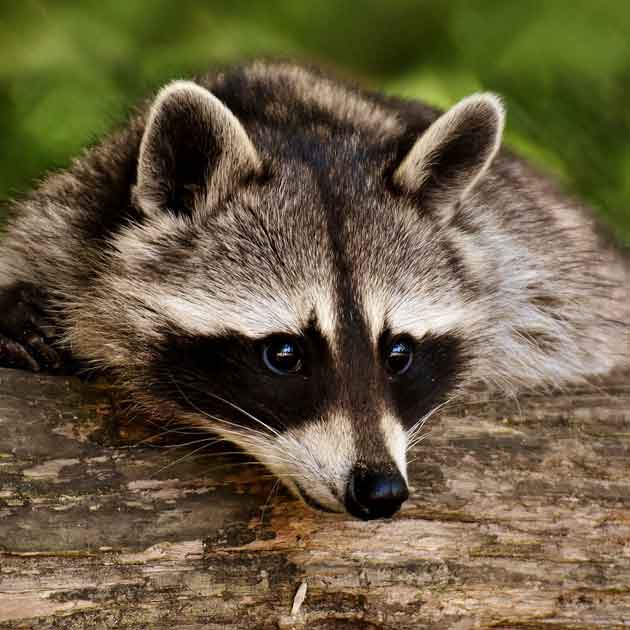
8 Fun Facts About Raccoons
We talk so much about Raccons and the challenges they pose or the damage they do to homes and businesses. In this post, let's look at some fun or lesser known facts about raccoons!
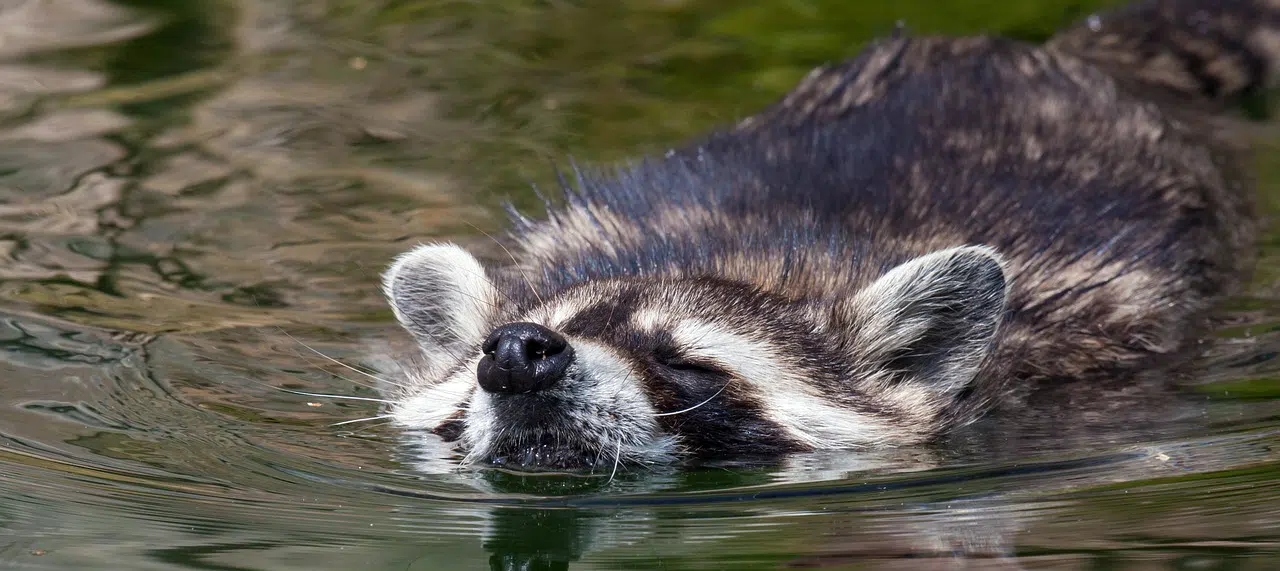
1. Raccoons Love Water!
In the wild, raccoons are most often found in wooded areas near water. Of course, all mammals require water to survive, but the clever raccoon has another use for water: Washing its food. By washing their upcoming meal, they obtain as much information about it as possible.
Do Raccoons Swim?
Indeed, they do! In fact, they are quite accomplished swimmers, able to swim for three to eight hours! While their body shape may not appear to be suited all that well for swimming, raccoons average a speed of 5km/h and can reach speeds of 25km/h (if motivated enough).
Can Raccoons Dive?
Also yes - extraordinarily well, even! Raccoons will dive underwater to escape predators or catch some fish as deep as 5 feet or 1.5 meters. A raccoon can hold its breath underwater for up to 15 minutes, which is pretty impressive for a land lubbing mammal.
2. Raccoons and their Incredible Sense of Touch
Raccoons are one of the few species in the animal kingdom who may use their sense of touch even more so than that of sight or smell when trying to identify their next meal.
What's so Special about Raccoon "Hands"?
A raccoon's "hands" or front paws are equipped with about four times more sensory receptors and stiff hairs at the tips of each front toe above the claw than its back paws. These hairs are called vibrissae and are similar to cats' whiskers - they allow the animal to identify an object even before making contact with its paw. The difference in front and back paw receptors is roughly the same ratio as that of human hands to feet. Although a raccoon front paw print looks much like a human hand print, they actually do not have opposing thumbs, but rather just 5 long fingers. That doesn't slow them down, though, or impede their ability to manipulate all sorts of objects (like your trash can lids). And, back to water - the sensitivity of their paws increases when wet.
3. Raccoons are Very Expressive
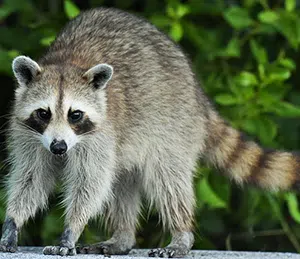 Nobody ever has accused raccoons of being quiet and unobtrusive. In fact, they are very vocal and communicate their current state of mind or emotion quite successfully.
What does a Happy Raccoon Look or Sound like?
A happy raccoon will look relaxed and you'll see a low, slightly wagging tail and ears that are upright and pointing forward. And, if you're close enough you may even be able to hear a purring or cooing sound.
What does a Frightened or Angry Raccoon Look or Sound like?
When a raccoon is scared or angry you'll notice a raised tail and pinned ears (think of a horse). It's body will look tense and there likely will be some hissing or growling.
Do Raccoons Play for Fun?
Yes, they do - especially the youngsters. Raccoons are highly intelligent and curious by nature and will check out an unfamiliar object - probably more to determine whether it's edible or not, but they've definitely been seen batting and chasing things around, not unlike cats.
-
Benefits of Preventive Raccoon Control: How Can Hawkeye Help Protect Your Property?
Preventive raccoon control begins with you. Look past the cute little faces and remember that raccoons can bring potential damage and health risks to you and your family. Next time you notice these pests nesting on your property or trying to make their way into your home, contact a reliable raccoon control company in Toronto, such as Hawkeye Bird and Animal Control to prevent the situation from getting out of hand.
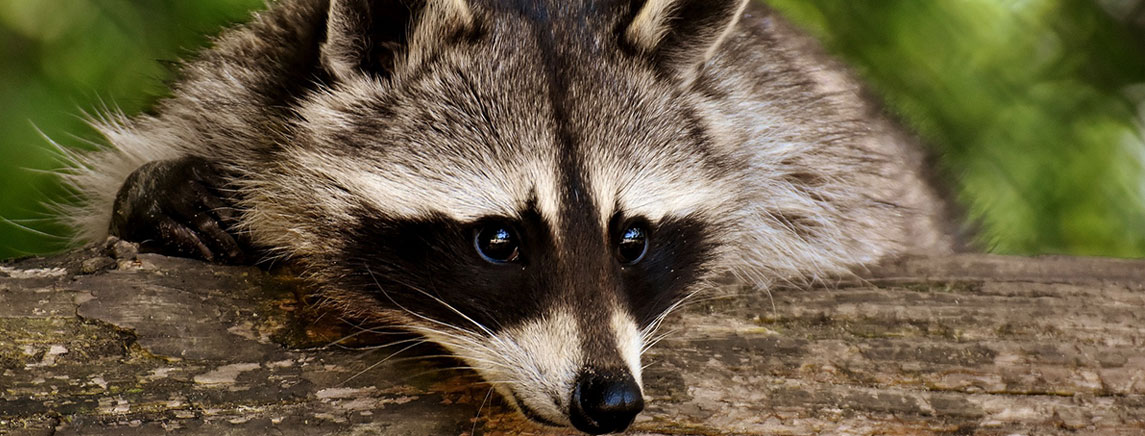
Benefits of Preventive Raccoon Control
There are many steps you can take to ensure the safety of your family and pets, as well as protect your property from damage. Consider these preventive measures.
Avoid Damage to Your Property
From drywall to wires, raccoons can claw and chew their way through most materials found in and around the structure. They can remove roofing and vinyl siding to gain access to a building. Once inside, a raccoon will use insulation and fabric materials to build a cozy nest. Yards are also no match for the critters as they will destroy a garden and lawn to obtain food, such as vegetables or insects. By taking preventative measures, you can reduce the risk of having to make costly repairs to your home and garden.
Health and Safety Concerns
Taking raccoon control methods now can protect people from the risk of becoming infected by disease. Aside from receiving a scratch or bite from a rabid raccoon, you are at risk of roundworm, giardiasis, and salmonellosis, among others. As with all wildlife, raccoons are territorial and will attack if they feel threatened. If any pets or humans get too close, they will lash out and become defensive by biting and scratching. Learn what to do or not to do when an encounter with a raccoon cannot be avoided »
Maintain a Comfortable Living Environment
When raccoons settle into a home, there can be a great deal of noise erupting as they move throughout the attic or destroy the walls. Raccoons will also growl, hiss, and whimper loudly. Due to their wide options of diet, raccoons can cause unpleasant odours in many different ways, including their urine and feces.
-
Can Electric Fencing Be Used for Raccoon Control?
While raccoons are super smart and do a fantastic job of evading or plain ignoring most barriers and deterrents, there's a case to be made for electric fencing and shock tracks. That's what we'll focus on in this article.
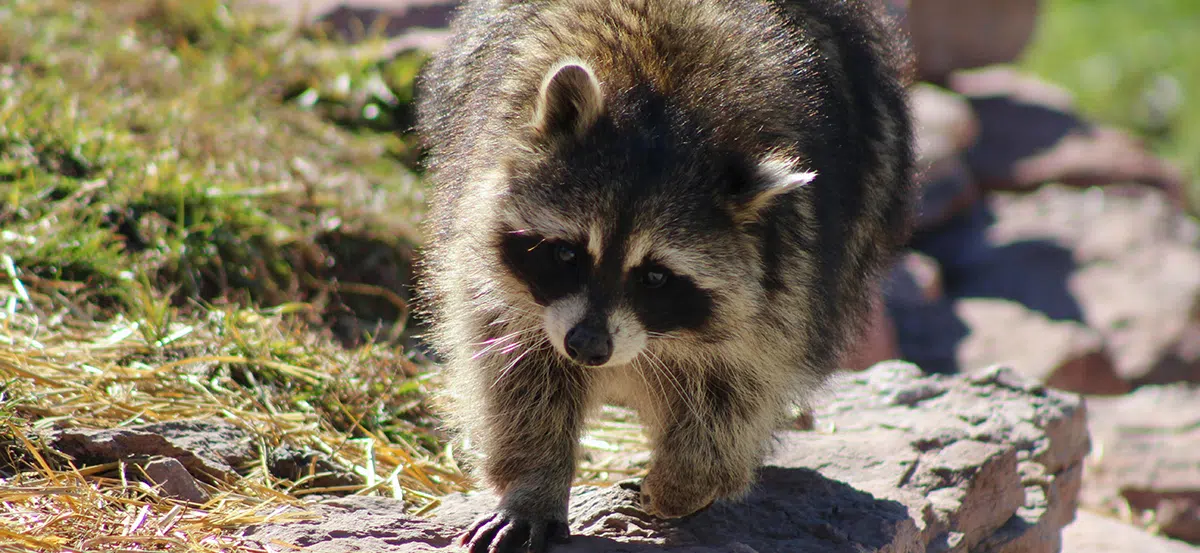
Growing interest in electric fencing and shock tracks is due to:
- Repeated raccoon return
- Structural damage
- Crop damage
- Raided dumpsters and gardens
Electric fencing is a raccoon deterrent, not a removal option. It does not eliminate raccoons already on site, and it has its limitations, as we'll discuss later on.
-
Can You Get Rid of Raccoons Permanently?
Yes—permanent raccoon removal is possible when the goal is to eliminate the specific problem animal rather than repeatedly relying on a never-ending cycle of trapping and relocation.
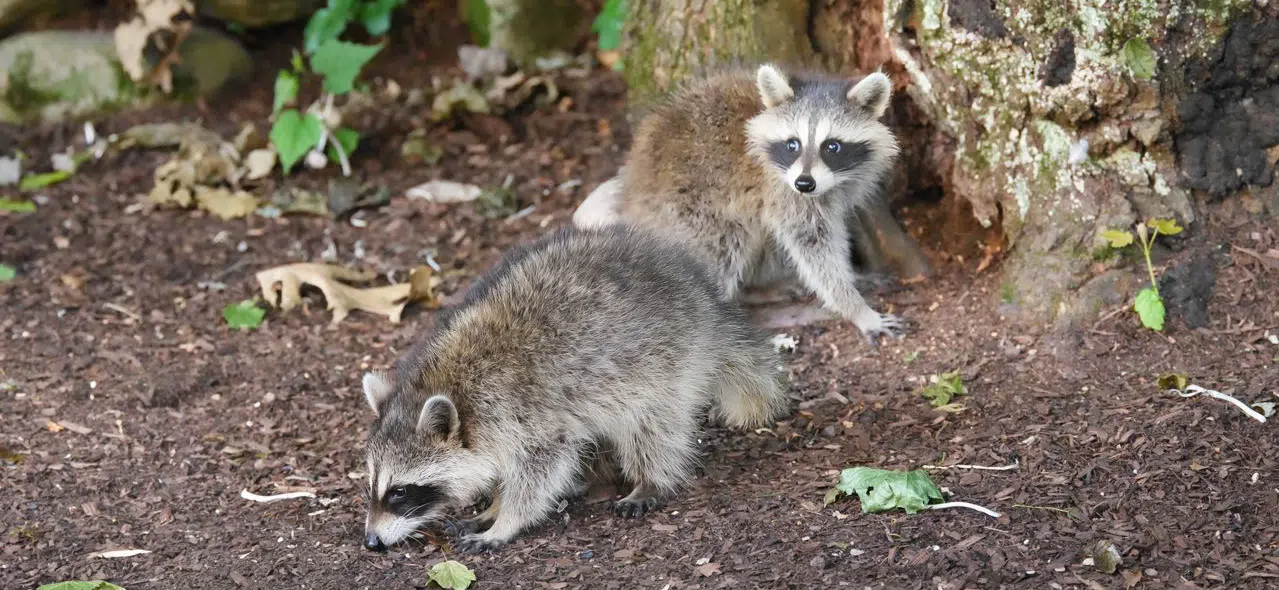
Raccoons almost always become repeat offenders once they establish access to a property. Repeated trapping, deterrence, or repairs can become an ongoing endeavor for home owners, compounding costs and damages.
The key is addressing the specific animal responsible for the recurring infestation rather than repeatedly restarting the same removal cycle. Hawkeye's Permanent Raccoon Removal service provides a specialized option for GTA property owners dealing with persistent raccoon problems. After a raccoon has been removed, appropriate exclusion and property repairs can then help reduce the likelihood of another raccoon taking advantage of the same access point.
-
Canine Distemper Outbreak in Raccoons
Have you ever encountered the unsettling sight of a disoriented raccoon wandering in daylight—a hallmark of a canine distemper virus (CDV) outbreak? In this article, we'll break down what CDV is, what canine distemper in raccoons looks like, and how an outbreak can affect other wildlife species as well as your pet.
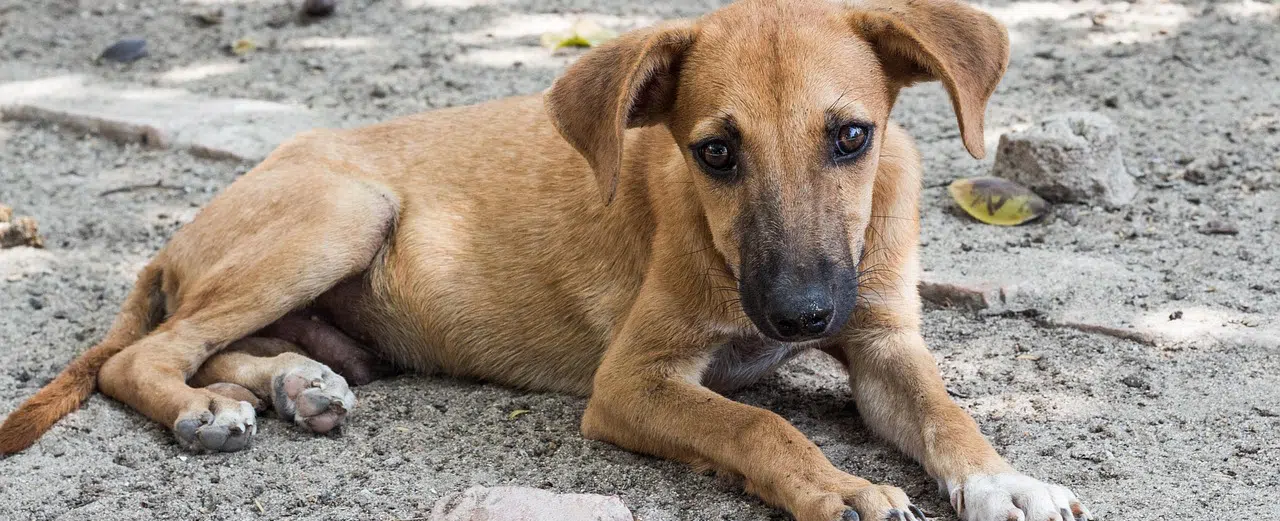
Distemper is a highly contagious viral disease that periodically sweeps through the GTA raccoon population, creating significant risks for local wildlife and pets.
-
Get Rid of Raccoons around Etobicoke Medical Clinics
Unsanitary conditions are a problem in any scenario - but when it comes to medical facilities, they are downright dangerous and can even be life threatening. Etobicoke, like many areas across the GTA, has seen a stark increase in raccoon population and activity, and medical clinics and healthcare facilities are no exception.
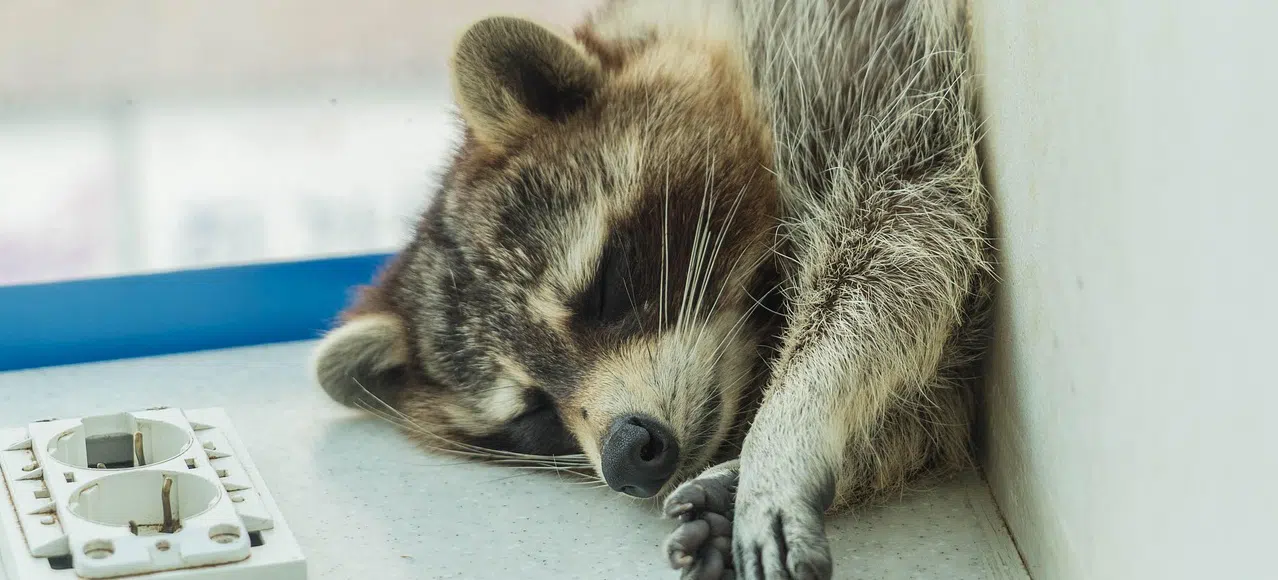
Sensitive environments like doctor's offices, health clinics, hospitals, or medical labs have to have zero tolerance for wildlife presence due to the extreme health, hygiene, and legal risks. The potential consequences of introducing pathogens in these places and around people with already compromised immune systems or general health are unthinkable.
Read on and learn how to get rid of raccoons around these and other facilities in Etobicoke - from simple trapping and releasing to permanent raccoon removal. Other Toronto area wildlife control services for healthcare buildings cannot offer the option of permanent removal - but Hawkeye Bird & Animal Control can and does.
Why Medical Clinics and Childcare Buildings Attract Raccoons
- Architecture
Medical buildings often feature older rooftops, ceiling tiles, or HVAC openings and offer easy entry points for raccoons and other wildlife; - Food Availability
Medical waste bins, food storage, and kitchen areas attract raccoons; - Human Traffic
Lower activity in the evenings and during weekends makes these buildings perfect for nesting; - Hidden Areas
Crawlspaces, attics, and drop ceilings offer warm, quiet nesting zones.
 Hidden Dangers of Raccoons in Healthcare Facilities
- Biohazard Concern
Raccoon feces contains Baylisascaris procyonis (roundworm), Leptospirosis, and other parasites, which can infect and greatly endanger immunocompromised patients; - Infection and Contamination
Hair, urine, and fleas easily contaminate sterile areas and equipment; - Chewed Medical Wiring
Raccoons can cause a lot of damage to healthcare facilities, including chewed wiring, which can impact patient monitoring or life-safety systems; - Disruption of Daily Operations
Noise and odor can interrupt clinical care and nap hours; - Regulatory or Legal Implications
The presence of raccoons leads to increased risk of public health inspections, fines, or temporary shutdowns.
What’s at Stake – Health, Compliance & Public Trust
- Public Health Ontario can shut down facilities if contamination or wildlife risk is observed;
- Patients may report facilities for unsafe conditions;
- Insurance rarely covers wildlife-related contamination or closures;
- Your reputation is at risk, especially in regulated industries where safety and cleanliness are mandatory.
Why Temporary Fixes Don’t Work in Regulated Facilities
- Architecture
-
Get Rid of Raccoons from Homes Near Pickering’s Ravines and Green Spaces
Pickering and Ajax are two communities located only half an hour east of Toronto and known for some of the best hiking and cycling trails, lush ravines, and a beautiful waterfront. Forested neighbourhoods near Rouge Park, Altona Forest, or Duffins Creek Valley offer charm and an almost rural feel but they also act as natural raccoon highways, bringing animals from the wild to residential and commercial areas—especially in the fall as raccoons seek warm dens for overwintering.
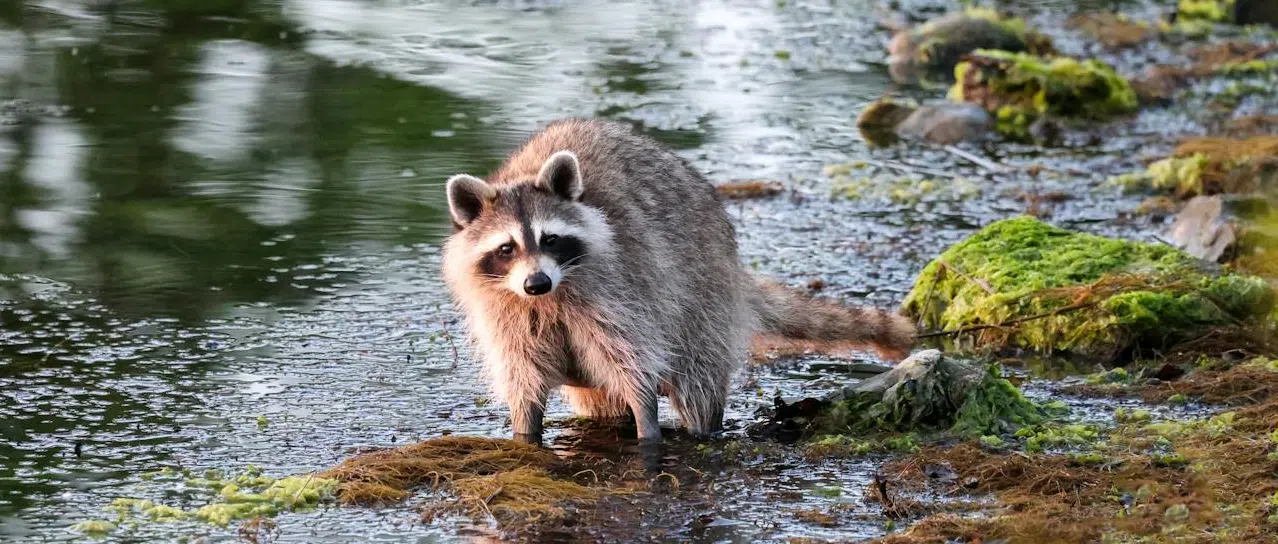
Due to loss of habitat and their incredible intelligence and adaptability, raccoons don't stay in the forest - they move into your home.
Why Fall Triggers Raccoon Infestations from Green Spaces
Survival Instinct
Fall is the season to prepare for long and often harsh Ontario winters. Here's what raccoons are looking for:
- Warm and secure shelter to build a winter den;
- Consistent food sources, often provided by unwitting humans (garbage, compost, outdoor pet food, etc.).;
- Quiet places with little human interference; this could be garden sheds and other outbuildings, attics, storage units, or under decks and porches;
The Urban-Forest Edge Effect
Neighbourhoods that border ravines are highly attractive due to the availability of water, seclusion, and food. Raccoons are rather opportunistic creatures and much prefer a quick and easy meal over one that needs to be chased down. Hence, they have learned to appreciate human offerings and view areas near the forest edge as ideal habitats.
Raccoon Hotspots in Pickering: High-Risk Ravine-Edge Zones
Residents and property managers in the following areas see a stark increase in raccoon activity once autumn has arrived:
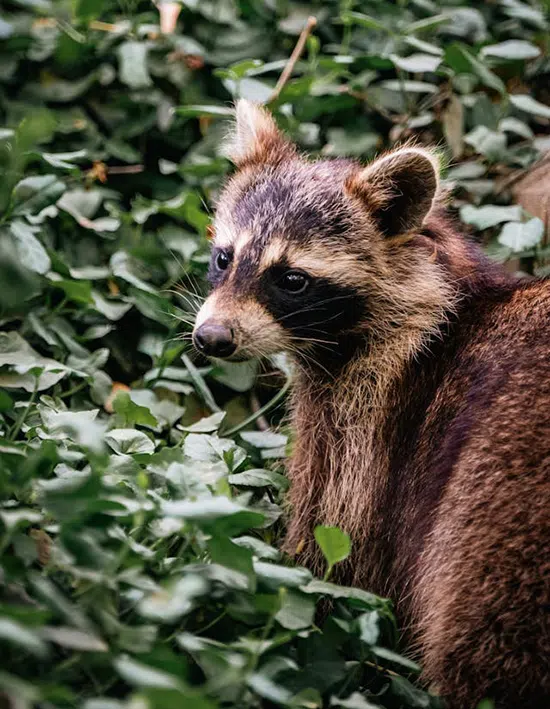
Rougemount / Highbush
- Proximity to Rouge National Urban Park and a natural wildlife refuge;
- Older homes, featuring large lots and mature trees;
- Raccoons can easily access rooftops via fences and branches.
Altona Forest / Amberlea
- Homes and schools are bordering dense forest;
- Green bins, school dumpsters, and open vents make for common entry points;
- We receive many reports of raccoons entering attic crawlspaces.
West Shore / Bay Ridges
- Close to Frenchman’s Bay and marshland trails;
- Ideal for raccoons nesting under sheds, decks, or boathouses.
Duffins Creek Corridor
- New developments + preserved lands = wildlife mixing with homes;
- Commercial developments near hydro corridors and wooded lots are also affected.
Why Raccoons Easily Move Between Ravines and Homes
- Unlike skunks or groundhogs, raccoons are motivated and agile climbers: They use fence lines, tree branches, and even utility poles to cross from ravines into backyards and rooftops;
- Raccoons are also clever and strong and readily rip soffits, pry open vents, and dislodge shingles to gain access to homes.
- Temporary exclusion methods fail when there’s a ready refuge in nearby woods.
- Warm and secure shelter to build a winter den;
-
Get Rid of Raccoons in Aurora Heights Homes Permanently
Areas in the Aurora Heights neighbourhood, including the St. John’s Sideroad and Bathurst intersection, offer a mix of mature trees and modern residential layouts, creating a perfect raccoon highway.
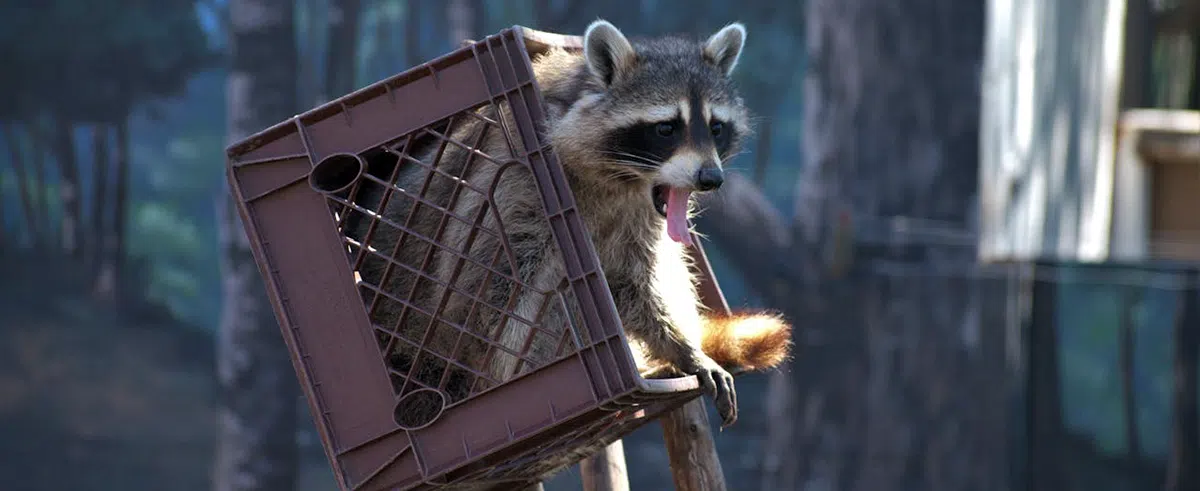
Raccoons seeking refuge in detached, semis, and townhouses can cause costly damage to shingles, soffits, and insulation in Aurora Heights homes. In this article we'll discuss Aurora area options for permanent raccoon removal versus the revolving door of standard DIY control or trapping and relocation.
-
How Do I Get Rid of Raccoons in My Tree?
How to Raccoon-Proof Trees in Your Yard or Garden
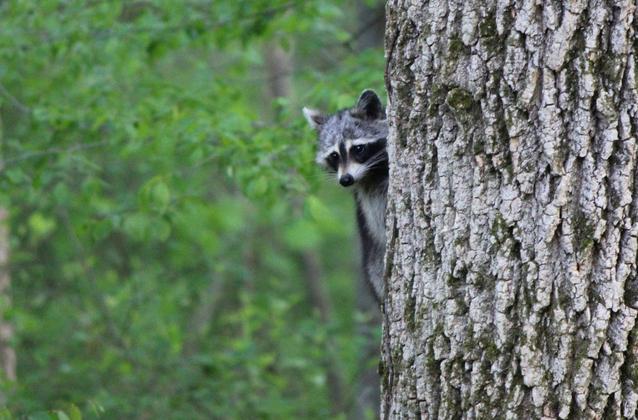 Raccoons are nocturnal creatures that like to sleep in dark, warm, and cozy spaces that are also close to a reliable food source, such as underneath porches and decks and inside sheds, garages, and attics.
When none of these options are available, raccoons will resort to a more natural den site: tree hollows. Being the smart creatures that they are, raccoons tend to prefer trees that are located on a residential property because this makes it easier for them to scavenge for food at night while also providing them with a safe location to raise their kits.
Unfortunately, raccoons are a nuisance for homeowners. They cause a lot of property damage, make a lot of noise at night and sometimes during the day, and they make communal latrines to relieve themselves on your property.
So, what can you do if you find a raccoon or raccoon nest in your tree? Keep reading to learn everything you need to know.
Hawkeye’s Raccoon Control and Prevention from Yards, Gardens, and Trees
Hawkeye Bird and Animal Control specialize in identifying and safely removing raccoon nests from residential and commercial properties. Our team of specially trained pest and wildlife handlers have the professional skill set to provide expert raccoon control and prevention methods in a safe and humane manner. We use the following raccoon removal and control techniques to get rid of raccoons in your yard, garden, and tree hole.
- One-way exit. We set up an intricate one-way exit path that allows raccoons to leave your property on their own schedule with minimal disturbance and no damage to your property.
- Hand-capture. In circumstances that require the raccoon to be removed immediately and when we can safely approach the creature, our team will carefully capture it by hand and place it in a secure transport container.
- Cage traps.This is the most common and socially acceptable method used to capture a raccoon in urban and semi-urban areas. It’s easy to use and perfectly safe for both the animal and the handler.
Why Is There a Raccoon in My Tree?
Raccoons are constantly looking for a safe, secure, and warm denning site that’s within close proximity to a reliable and easily accessible food source. It also has to provide excellent support and protection from external elements such as inclement weather conditions and predators.
Tree hollows—particularly fruit trees or trees located in a vegetable or fruit garden—are the ideal location for raccoons to nest with their nurseries. If you happen to have a large fruit tree on your property that also has one or two hollow spots, then don’t be surprised if you come across a raccoon infestation at some point. Raccoons are particularly attracted to sweet, fragrant foods. Ripe fruits such as apples, plums, apricots, peaches, mulberries, and cherries are all favourite food items for both adult and baby raccoons.
Not only do these foods satisfy their hunger, but they also provide excellent nutritional value for growing raccoon families. Initially, raccoons are attracted to fallen fruit from trees because they’re easy targets. Once the raccoons realize that they can nest inside the tree, however, it’s a lot harder to get rid of them, especially since raccoons are extremely skilled climbers.
Why Do Raccoons Make Nests in Trees?
There are several reasons raccoons make nests in trees. As mentioned, raccoons love a variety of fruits and fruit trees provide easy and consistent access to a reliable food source. Other reasons why raccoons nest in trees include:
- Tree hollows provide a warm and safe denning site;
- To shelter themselves from the elements and predators;
- Raccoons nest anywhere they can and often have multiple dens set up in various locations;
- Easy access to food.
How Do I Get Rid of Raccoons in My Tree?
The safest and most effective way to remove a raccoon or nursery of raccoons from your property is to contact an animal and wildlife control agency like Hawkeye Bird and Animal Control. We have all of the necessary training and credentials to safely remove raccoons from commercial and residential areas.
Don’t attempt to remove or capture the raccoon yourself, especially if they have babies. Adult raccoons will take this as a threat and go into automatic defence mode, which could result in serious injury for you and your loved ones, not to mention extensive property damage.
Plus, raccoons carry diseases such as rabies, canine distemper, infectious canine hepatitis, raccoon parvoviral enteritis, and pseudorabies—all of which are transmissible to humans. Getting bitten by a rabid raccoon will result in death nearly 100% of the time.
To minimize the risk of personal injury and extensive property damage, we recommend taking the following actions:
- Identify the raccoon-infested tree. Knowing which tree is infested with raccoons ahead of time will make it easier for our crew to do their jobs and map out a plan of action to safely remove the raccoons from your property.
- Clear the tree of raccoons. Once we have a plan in place, our trained wildlife handlers will carefully move in closer to the tree and coax the raccoons out using a variety of proven techniques. The objective is to quickly try to trap the raccoons before they can make a getaway. Some processes such as eliminating food sources in the tree and cutting off branches so they can’t climb up and down require a great deal of patience.
- Raccoon-proof your tree.This is more of a preventative measure that involves trimming tree branches, removing food sources, and sealing tree hollows, so that raccoons can’t nest inside.
Hawkeye’s Professional Raccoon Control Solutions
At Hawkeye Bird and Animal Control, we’re committed to providing high-quality and sustainable raccoon control, removal, and prevention solutions that are in full compliance with Ontario wildlife protection regulations. Our handlers receive ongoing and updated training in safely and humanely interacting with raccoons to ensure the animals’ well-being and ethical treatment. We are the only pest bird and animal/wildlife control company in the country designated “Certified Wildlife Control Professionals”.
To learn more about animal welfare compliance standards or to book our raccoon control and removal services, contact us today!
Why Hawkeye Birdd & Animal Control?
We GUARANTEE results. We offer PERMANENT solutions above and beyond what other companies can offer. Hawkeye is the ONLY pest bird and animal/wildlife control company in Canada designated "Certified Wildlife Control Professional" AND holding the following licenses:
- Trapping of Fur-Bearing Animals Permit: In contrast to all other companies, we can euthanize the bird or fur-bearing animal, thus guaranteeing it will not return.
- Falconry Permit: We use Birds of Prey (hawks, owls, falcons, eagles) to scare, chase, or remove in a natural and humane way.
- Pest ControlLicense: We can employ chemical solutions to certain problems. These methods include natural pesticides.
Now with 7 Locations ( 6 In Canada and 1 in the U.S), we are ready to serve you better in Acton, Toronto, Oshawa, Bowmanville, two locations in Mississauga and West Palm Beach in Florida.
Contact us todayif you need help with pest wildlife/animal control and/or pest animal removal.
Related Articles:
https://www.hawkeye.ca/blog/raccoon-infestation-in-apartments
https://www.hawkeye.ca/blog/raccoon-nest-or-den-removal-in-the-gta
https://www.hawkeye.ca/blog/how-to-prevent-and-control-raccoon-tree-nesting - One-way exit. We set up an intricate one-way exit path that allows raccoons to leave your property on their own schedule with minimal disturbance and no damage to your property.
-
How Do I Permanently Get Rid of Raccoons?
So you have a recurring raccoon problem? You are not alone. The trouble with most raccoon removal is the practice of trapping and releasing the animal within one kilometer of your home and that the animal will almost certainly return. In this article, we'll look at some habitat modifications you can make to help deter raccoons from making your home theirs, as well as how to get rid of raccoons once and for all.
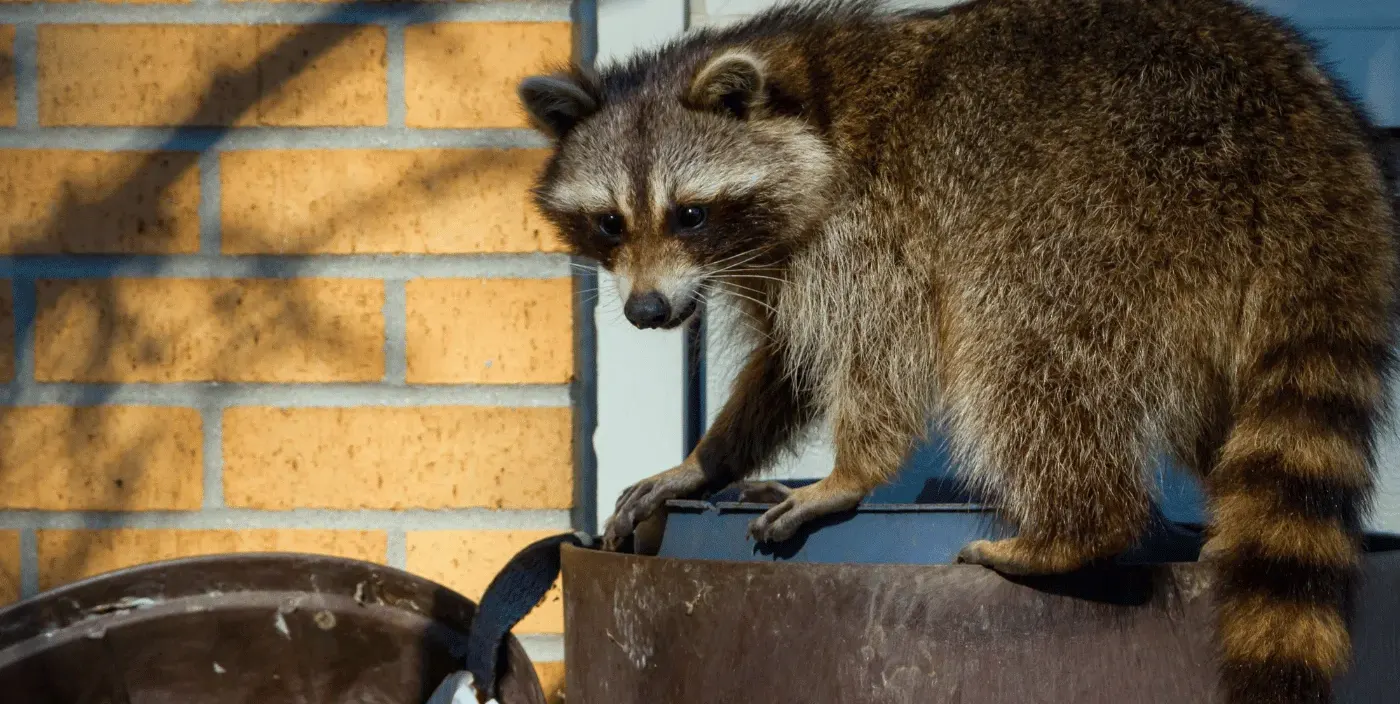
Raccoons are highly intelligent creatures and excel at adapting to changing circumstances and environments. That is why they are not only surviving, but actually thriving in urban centres such as Toronto, Mississauga, and Brampton. They also know a good thing when they see it; urban living makes for plenty of food with minimal effort in addition to some pretty posh spaces to make a home.
How Do You Get Rid of Raccoons?
Well, the general recommendations and practices all cite the following 3 methods:
- Trap and release within one kilometer of capture
- Minor habitat modification
- Exclusion to prevent entry into homes
While all of them have merit and will yield some positive results, none of them manage to address or solve the problem completely. Let's look at this in more detail:
Trap and Release Raccoons
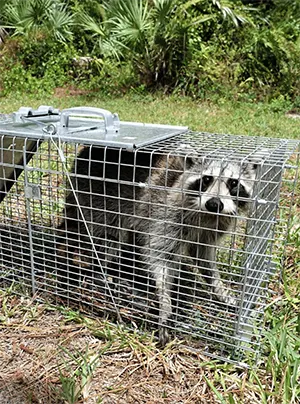 Live trapping a raccoon is really the only option you have as a home owner. MNR's Wildlife Regulations state that you must release the captured animal within a 1 kilometer radius of where it was caught. The main reasons for this are prevention of the spread of diseases and that animals transported farther away may end up attacked and/or starve due to having lost their territory. Trapping can also be tricky because most laymen aren't able to recognize a lactating female - potentially trapping a mum with babies left behind. This is something you'll want to avoid under any and all circumstances. Raccoon kits will be doomed to suffer a horrible death without the care of their mother. The other reason is to prevent the spread of disease.
Remember how raccoons are very smart and crafty? Yeah, no self respecting raccoon will be caught more than twice - and now you're dealing with a trap shy animal.
But, let's say you did trap a raccoon.. there's no danger of babies, the animal appears healthy and you are driving off 1/2 kilometer or so and release the little bugger. Well done. But darnit, you could swear you're seeing the same bandit rummaging around your trash bin 3 days later. Yep, probably. He has a fine sense of direction and THIS is his home. Your home. Now what? We'll come back to this.
Habitat Modification
This is fairly simple and inexpensive; it includes adjusting your habits as well as those of the raccoon. Some minor changes may include:
- Removing all outdoor pet food or water bowls
- Emptying bird baths at night
- Securing trash and compost bins (store indoors, if possible)
- Trim tree branches close to the house and roof
- Trim shrubs and bushes around the bottom, thus removing protective cover
- General yard cleanup - remove fallen fruit from your fruit trees, etc.
Raccoon Exclusion
Next up are exclusion methods. This includes anything from general maintenance, roof inspection, closing up of any openings or cracks, installing chimney caps to erecting a fence around your vegetable garden, and much more. When closing up any openings, use heavy duty wire mesh and make sure everything is flush. Raccoons display an extraordinary amount of dedication when it comes to gaining access to your home, are incredibly good with their 'hands', and surprisingly strong. Something we have found quite worth while is Electrical Shock Track along fences and/or roof lines. This can be hooked up to a solar unit and is strong enough to jar and frighten a raccoon, but not enough to hurt him.
-
How Raccoon Breeding Season Impacts GTA Commercial Properties
While Toronto and surrounding areas may still be covered in snow and ice in January, raccoon mating season is as little as eight weeks away. Breeding season transforms raccoon activity from occasional intrusion into high-risk occupancy.
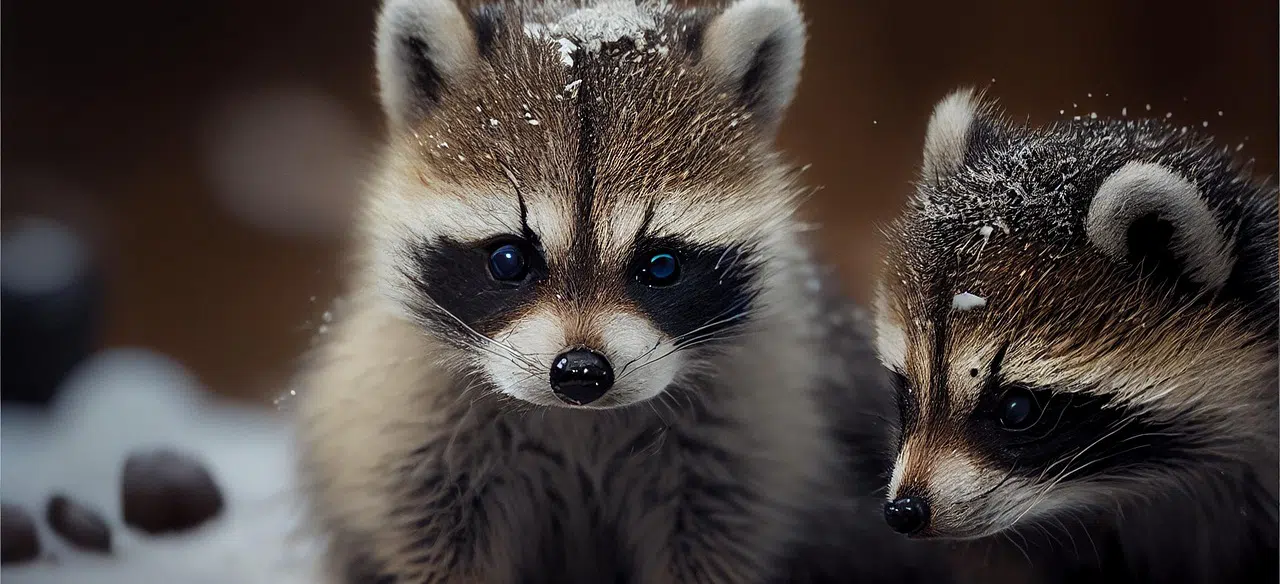
Commercial, industrial, and municipal buildings offer warmth, height, and concealment, , making them ideal for raccoon dens. Commercial property managers often underestimate the impact of breeding-season until operations are disrupted or worse, halted.
Raccoon breeding season isn't just a pest issue; it's a high-stakes liability and structural emergency that requires immediate, permanent action.
Note that this article focuses on commercial, institutional, and municipal properties, not single-family homes.
-
How to Get Rid of a Dead Raccoon
The Grim Discovery: Guided by a pungent, sickly-sweet odor or an unusual abundance of flies, you find yourself staring down at a dead raccoon on your property. What to do?
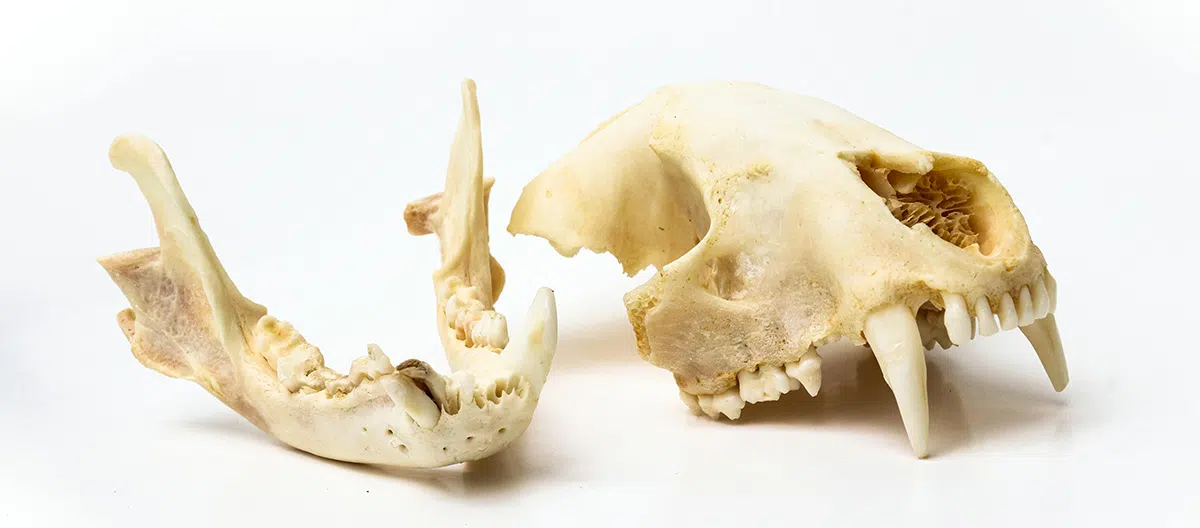
A raccoon carcass is more than a nuisance; it is a concentrated source of bacteria, parasites, and infectious disease that requires immediate, specialized handling.
-
How to Get Rid of Raccoons Around Lake Ontario Properties
Waterfront communities enjoy direct access to Lake Ontario, beautiful scenery, spectacular sunsets, and all of the activities a lake offers. But, as much as we humans enjoy hanging out by the water, so does the local wildlife population. That's why residents and businesses around Lake Ontario experience frequent wildlife interactions, with raccoons being among the most persistent nuisance animals affecting shoreline properties.
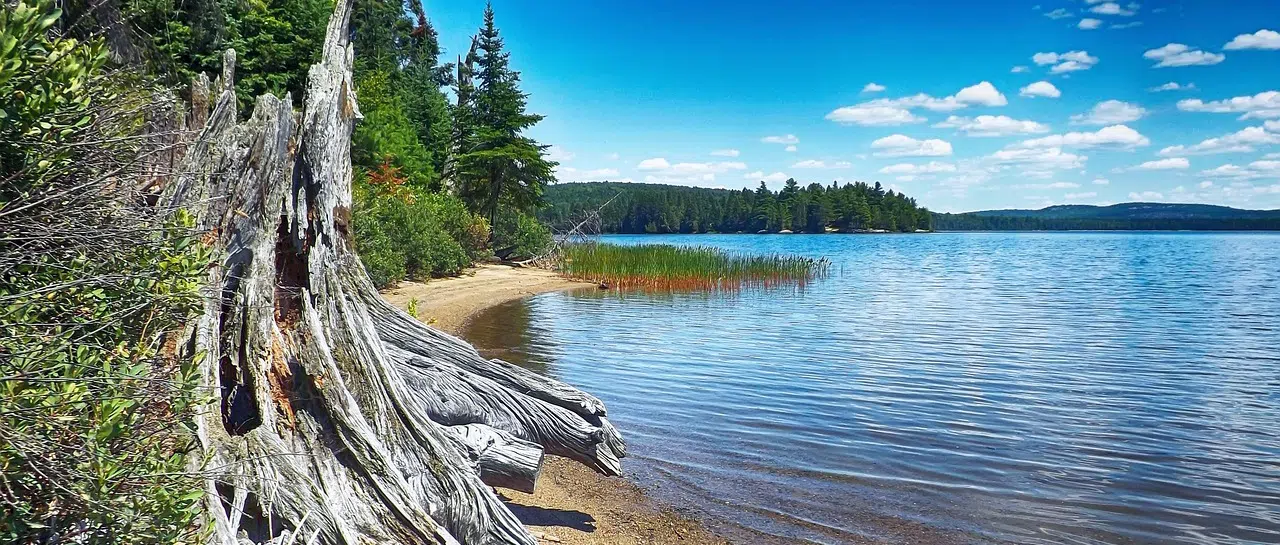
Unlike many suburban raccoon infestation sites, Lake Ontario properties often present unique environmental and structural challenges that can make raccoon removal complicated. Although every property is unique (and warrants a unique raccoon control approach), communities such as the Toronto waterfront, Mississauga, Oakville, Burlington, Hamilton (lakefront areas), Oshawa, Whitby, Ajax, or Pickering often face similar raccoon management challenges due to their proximity to shoreline habitats.
-
How to Get Rid of Raccoons at GTA Poultry Farms
Poultry farmers beware: If a raccoon has entered your poultry area once, it will return - again and again. Without intervention, your birds will be under constant attack.
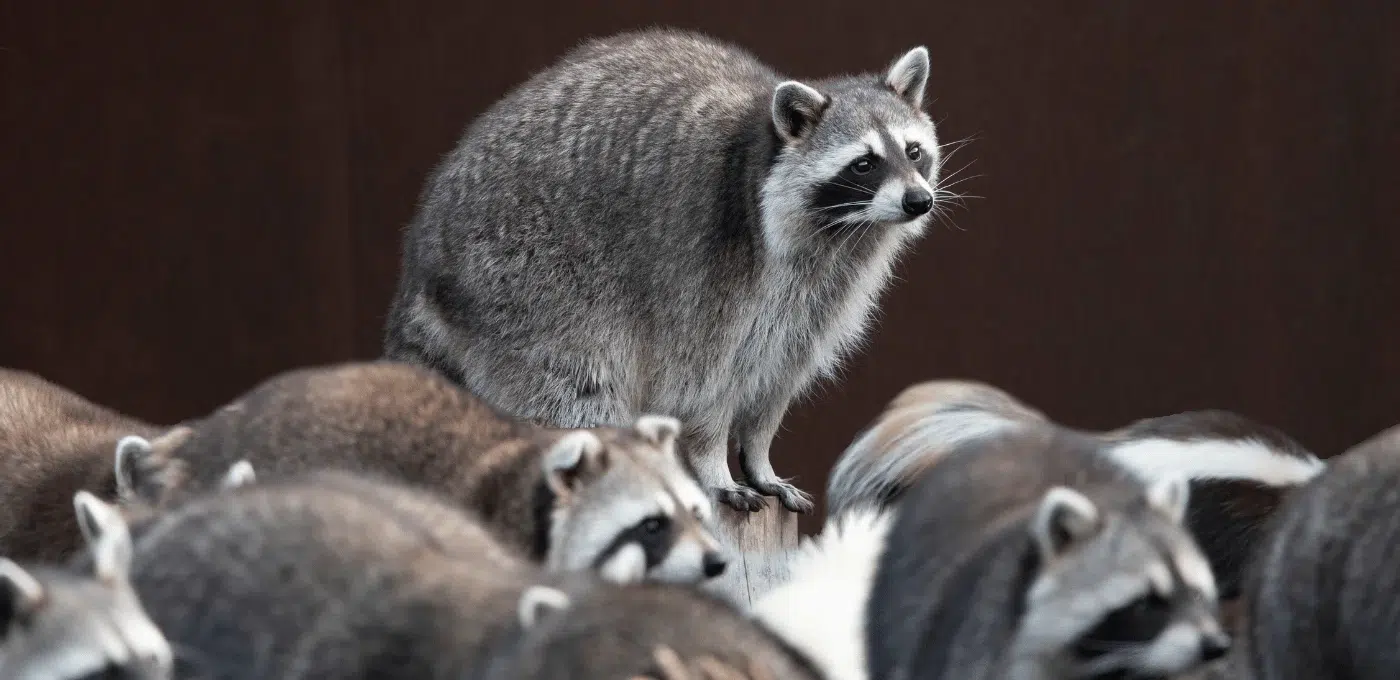
Aside from the obvious draw of a smorgasbord of tender birds eggs, and feed, poultry farms are ideal targets for raccoons as they are often found amid a mix of urban and rural landscapes and offer access from ravines, wooded areas, and drainage corridors. Added shelter provided by coops and barns makes your poultry farm a targeted feeding zone.
-
How to Get Rid of Raccoons from Crawl Spaces
Do you think you might have raccoons in a crawl space in your building? Here’s everything you need to know in terms of wildlife control and beyond, whether your property is residential or commercial, urban or rural.
First off, a crawl space is a shallow space, often beneath the first floor of a building, which represents a raccoon’s ideal sanctuary. It provides guaranteed warmth, dryness, and darkness—perfect for year-round shelter and crucial for winter denning. An infestation here is a direct threat to a building’s structural health, utilities, and indoor air quality and this is true for both homes and businesses with raised foundations or subfloors .
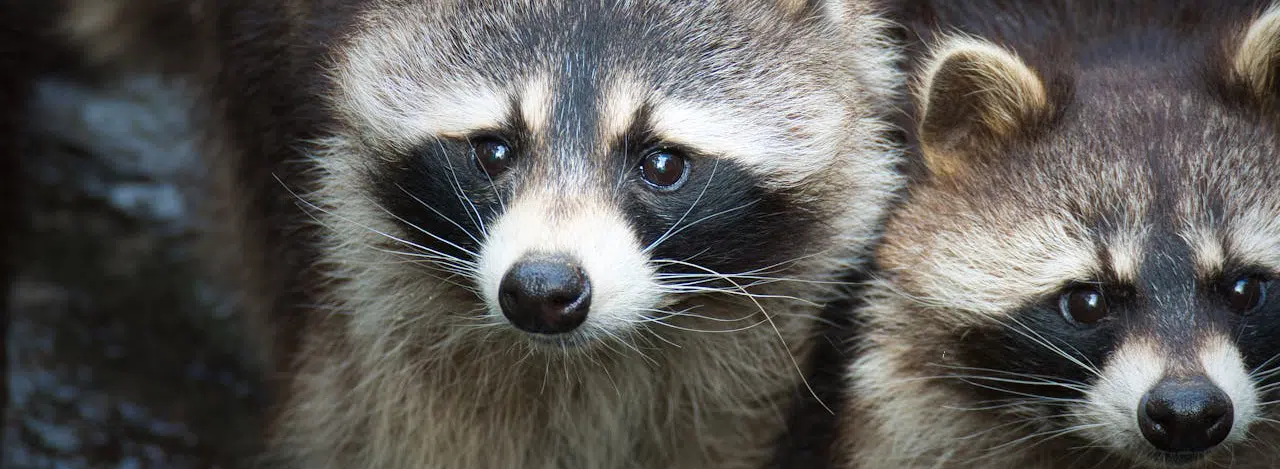
You might not even realize you’re sharing your foundation with an entire raccoon family until it’s too late!
Why Raccoons Choose Crawl Spaces
- Crawl spaces offer warmth during the winter and protection from predators.
- Insulation materials make them ideal for nesting.
- Food waste, pet food, or compost bins often are nearby.
- Access is facilitated by small foundation gaps, vents, or loose grates.
What Types of Properties Are at Risk?
Residential
- Older homes with wooden foundations or open vents.
- Mobile homes and enclosed trailers.
- Houses with easy backyard access, pet feeding areas, or gardens.
Commercial
- Restaurants or food service buildings with nearby dumpsters.
- Warehouses or storage units built on raised concrete pads.
- Multi-unit housing complexes with utility crawl spaces.
Rural or Suburban Properties
- Farmhouses or cottages with unsealed crawl access points.
Signs of a Raccoon Infestation in Crawl Spaces
- Scratching, thumping, or chirping at night.
- Strong ammonia-like odour from urine and feces.
- Torn insulation or ripped vapor barriers.
- Droppings, tracks, and greasy rub marks near vents or foundation openings.
-
How to Get Rid of Raccoons From Toronto Fish Farms and Ponds
Why would you want to get rid of raccoons from fish farms and ponds? Don't they just rummage through trash bins? It's a lesser known fact that raccoons are highly skilled, seafood-loving predators that can devastate fish farms, public fishing areas, and private koi ponds.

Water in general plays a big role in raccoon life - and water containing aquatic life like fish, frogs, crustaceans and other delicacies is even better. Raccoons are intelligent, practical creatures and a well stocked fish farm or koi pond makes for easy hunting. Raccoon damage in this environment ranges from financial losses (loss of fish and productivity) to ecological challenges (water contamination).
Hawkeye Bird & Animal Control is in a unique position to offer the only permanent and guaranteed raccoon removal service in the GTA.
Why Raccoons Pose a Serious Threat to Fisheries and Ponds
A healthy raccoon will easily consume half a pound to a pound of food per day. This increases to several pounds a day during autumn as they prepare for winter. A high-protein food source like fish is highly sought after. Visit https://www.hawkeye.ca/blog/what-do-raccoons-eat to learn more about raccoon diet.
Commercial Fish Farms (Aquaculture)
-
Raccoons raid stocked tanks and ponds, killing or injuring fish.
-
They damage pond liners and nets while foraging. Learn more about raccoon damager here: https://www.hawkeye.ca/blog/raccoon-damage.
-
Spread of diseases and parasites into aquaculture systems.
Public Fishing Areas (Rivers, Lakes, Stocked Ponds)
-
Overfishing by raccoons disrupts fish populations.
-
Contamination of water with droppings creates health risks for humans and aquatic lifeforms.
-
Aggressive encounters with people during night fishing or early morning use.
Private Koi Ponds (Homeowners)
-
Expensive ornamental fish (koi, goldfish) are easy prey.
-
Raccoons often injure multiple fish even if not eating them.
-
Homeowners may notice footprints, torn plants, or missing fish overnight.
 Raccoon Behaviour Around Water Bodies
Raccoons adore water. To drink, to hunt in, to swim in, and to wash their food in. Your fish farm or backyard pond is a raccoon's dream-come-true.
-
Raccoons are nocturnal and patient hunters → easily bypass scare tactics.
-
Highly dexterous → can remove simple covers, nets, or lids.
-
Adaptable → get used to motion lights, noise deterrents, or sprinklers quickly.
-
Strong swimmers and climbers → easy access even to fenced areas.
-
Territorial → once they identify a pond/fishery as a food source, they’ll return repeatedly.
Problems of Standard Raccoon Relocation Laws in Canada
Trapping of wildlife is legal in Ontario. But, as a homeowner or business owner you must release the animal within on kilometre of the capture site. There are good reasons for that but it also means that you are likely going to get stuck in this catch and release cycle.
-
Current regulation: trapped raccoons must be released within 1 km of the capture site.
-
Studies show that the majority of relocated raccoons return or another raccoon takes over the vacated territory.
-
This leads to a cycle of ongoing losses for fish farms and pond owners.
-
Stress and injury to raccoons during and after relocation often make it an ineffective and inhumane solution.
-
Hawkeye is licensed to trap and humanely euthanize, breaking the cycle and guaranteeing permanent removal.
-
-
How to Get Rid of Raccoons in a Chimney
A chimney can provide a warm, sheltered, and elevated space for raccoons to den, particularly during Toronto's harsh winters.
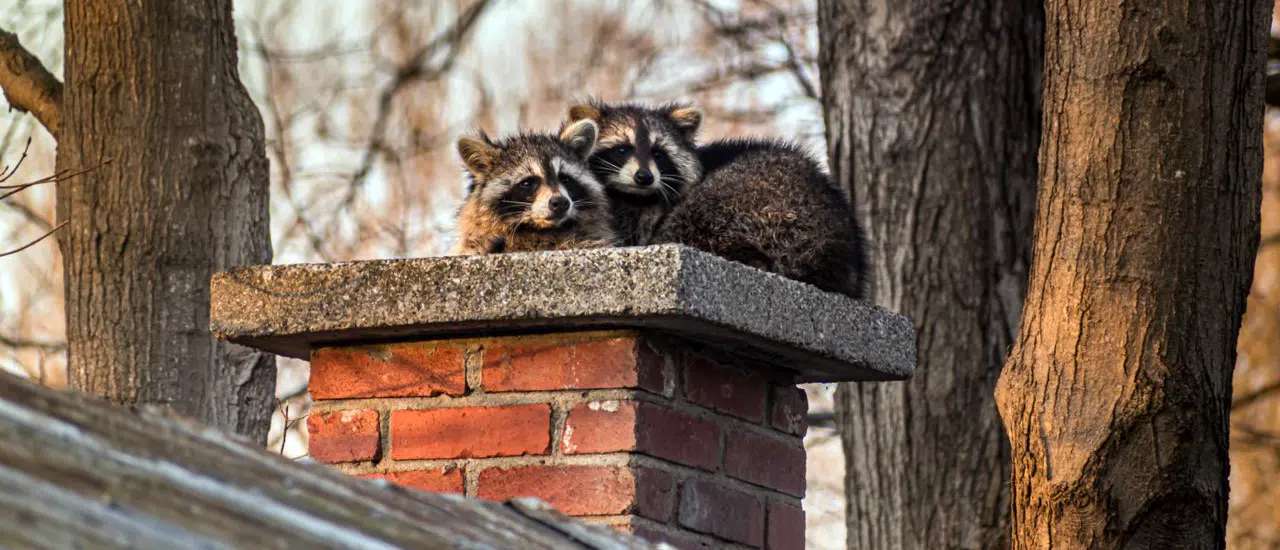
Getting a raccoon out of a chimney isn't simply a matter of making noise or blocking the chimney. The appropriate approach depends on whether the chimney is currently occupied, whether young are present, and whether the animal has another way to exit. Chimney access should be handled carefully because improper removal can trap or injure the animal and create a bigger problem.
-
How to Get Rid of Raccoons in Confined Spaces
Confined (or small) spaces pose added challenges when it comes to trapping and removing raccoons. Not only may the space be difficult to access and/or too small to set an appropriate trap, but the animal(s) will also be cornered and in a defensive state of mind. Especially when it comes to confined spaces, DIY removal can be down right dangerous, so you should always consult a professional raccoon removal service.

A "confined space" in the context of wildlife includes wall voids, floor joists, crawlspaces, HVAC ducts, and soffit gaps where human access is difficult or next to impossible.
In this article, we'll explore the spaces in which you can expect to find raccoons and removal solutions ranging from relocation to permanent raccoon removal.
How Small of a Space Can a Raccoon Fit into?
We think of raccoons as roly-poly, lumbering critters and often underestimate their agility and flexibility; this is particularly true when it comes to squeezing into tight openings. In reality, raccoons can access openings of four to five inches in diameter.
-
How to Get Rid of Raccoons in Corn Fields?
Raccoons are among the most destructive wildlife pests affecting corn crops in the GTA. They cause large-scale financial losses due to stalk breakage, kernel removal, and trampled rows.
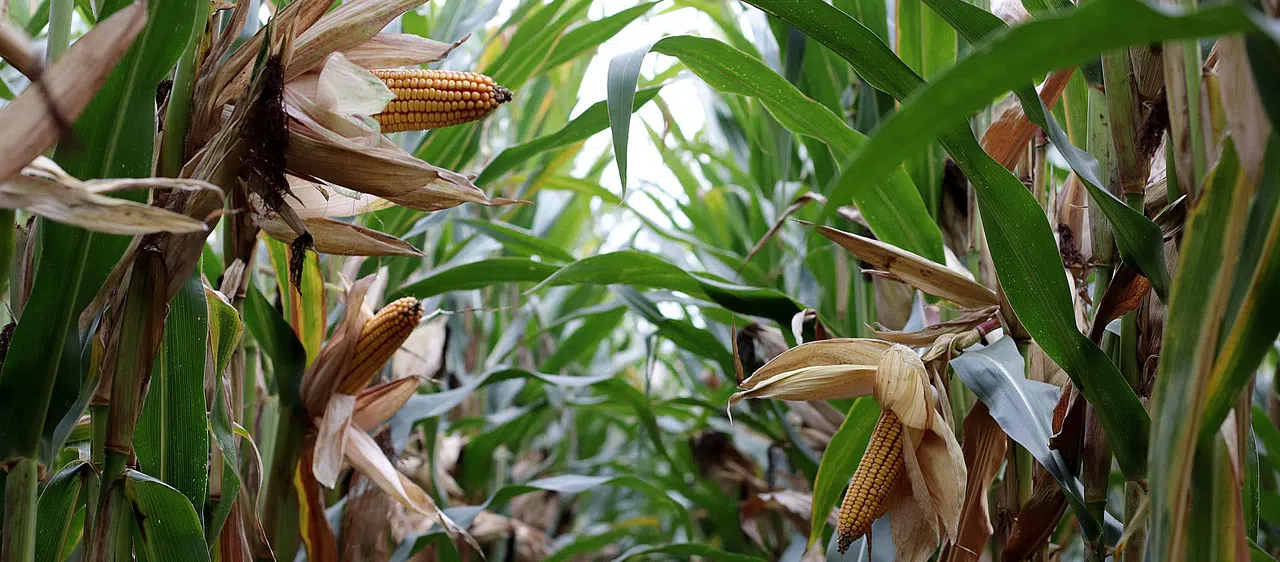
Corn fields are especially attractive due to the cover provided by tall stalks, sweet corn sugars, and nighttime accessibility, all on large acreage. Traditional raccoon trapping and relocating does not work here as raccoons will almost always return.
Hawkeye’s permanent raccoon removal is legal, ethical, and the only effective long-term solution.
Why Raccoons Target Corn Fields
- Corn provides high-energy food right before winter (late-summer carbohydrate loading).
- Fields are often close to forest edges, barns, irrigation ponds, or abandoned structures.
- Tall stalks are perfect for temporary cover, hiding, and denning.
- Nearby rural dumpsters or livestock feed is easily exploited.
-
How to Get Rid of Raccoons in Greenhouses
Winters in Southern Ontario can be harsh and long. In order to survive, our local wildlife often moves closer to people’s homes and businesses and backyard or commercial structures such as greenhouses. Animals like raccoons seek out shelter, warmth, and food and all of that can be found in residential backyard greenhouses, commercial agricultural greenhouses and nurseries, as well as community or educational garden structures.
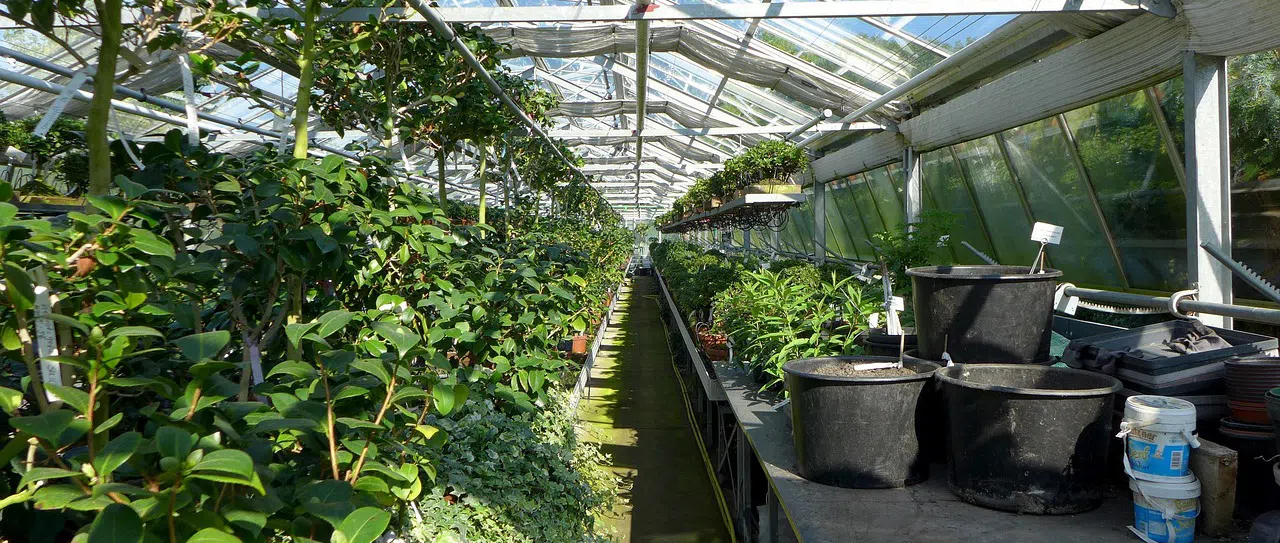
The negative and often costly impacts of raccoons invading greenhouses include crop destruction (especially fruits and plants), feces contamination, and structural damage. That’s why wildlife control for greenhouses is so crucial and permanent raccoon removal for horticultural facilities is something that should strongly be considered.
Why Greenhouses Are Raccoon Magnets
- Guaranteed Climate and Shelter
Greenhouses are kept warm and humid year-round, thus offering an ideal refuge from freezing winter temperatures and wind. - Abundant, Accessible Food
Raccoons are attracted by soft, ripe produce (tomatoes, peppers, berries), potting soil amendments (bone meal, organic fertilizer), and rodent populations thriving on seeds/spills. And then there's garbage or compost bins - those are also very applealiong. - Constant Water Source
Irrigation systems, condensate lines, and humidity trays provide easily accessible fresh water, a critical raccoon attractant, especially during dry seasons.
How Raccoons Enter Greenhouses
- Plastic/Fabric Cover or Vents
Raccoons easily tear through the light plastic or screen mesh used on the outer layer of a backyard greenhouse or automated roof or side wall vents. - Sliding Door Gaps
Cold and desperate raccoons exploit worn or damaged seals on large sliding doors used for vehicle/equipment access. - Utility/Pipe Tunnels
They can enter through unsecured maintenance tunnels or gaps where main water lines or heating pipes penetrate the foundation.
Signs of Raccoon Presence in the Greenhouse
While a slew of small critters are likely to camp out in your greenhouse for the winter, the scope and size of damage you're seeing should give you a good idea of the type of animal sharing your space.
- Disturbed soil, torn plant roots, missing produce.
- Nocturnal noises or tracks near entry flaps.
- Droppings, foul odour, or insulation shredded for nesting.
Overall, the signs of a raccoon infestation in your greenhouse are similar to those you would look for in your home. Have a look here: https://www.hawkeye.ca/blog/10-tell-tale-signs-you-have-a-raccoon-in-your-home.
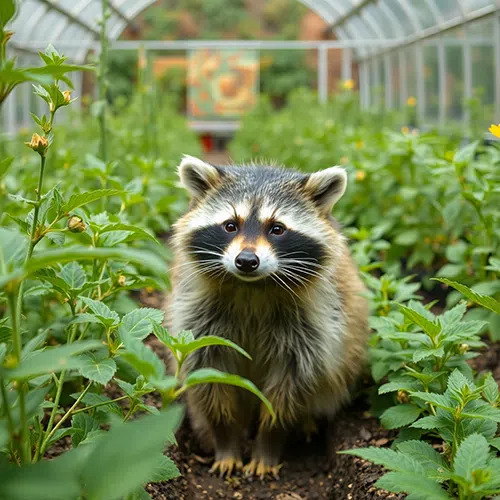 Critical Risks of Raccoon Infestation in Greenhouses
Crop Contamination and Financial Loss
Raccoons claw and bite through high-value crops, causing direct product spoilage. Contaminated produce often mandates the disposal of entire rows or benches of plants due to the presence of feces/urine and the risk of rabies transferred by an infected animal's saliva.
Climate Control Failure
Raccoons nesting near heating elements, fans, or control panels can chew wiring or block airflow, leading to HVAC or ventilation failure. This leads to the risk of overheating, freezing, or improper humidity control, potentially destroying not only the equipment, but also the entire growing environment.
Structure Compromise (Glass/Plastic)
Raccoons scratch and tear the plastic sheeting or seals around glass panes, compromising the greenhouse's thermal envelope. This leads to massive heat loss, increased utility bills, and exposure of the interior to weather.
Regulatory & Liability Exposure
The presence of raccoon feces in a food-producing environment is an immediate health inspection failure (Canadian Food Inspection Agency/local health unit), risking shutdown, fines, and the imposition of strict biohazard cleanup requirements.
How to Keep Raccoons Out of a Greenhouse
- Inspect and reinforce your structure's integrity before winter.
- Use heavy-duty mesh or wire to seal ventilation openings.
- Keep compost and garbage sealed tightly and away from the structure.
- Install automatic lighting or motion sensors to alert you to movement.
- Maintain a clean perimeter—remove all fallen fruits, pet food, or debris.
- Make use of natural deterrents such as strong-scented herbs.
- Guaranteed Climate and Shelter