CA
CA US
US





raccoon removal
-
How to Get Rid of Raccoons in GTA Storm Drainage Systems
Yep, that's probably not what you'd expect to hear on your evening news - but there have actually been several incidents of raccoons stuck in storm or sewage drains. Some made the news and involved hours of rescue work by concerned citizens, police, and animal control. One of these occurred in Heritage Park, Holyoke, MA: The grate was eventually removed and the unfortunate animal was freed using laundry detergent.
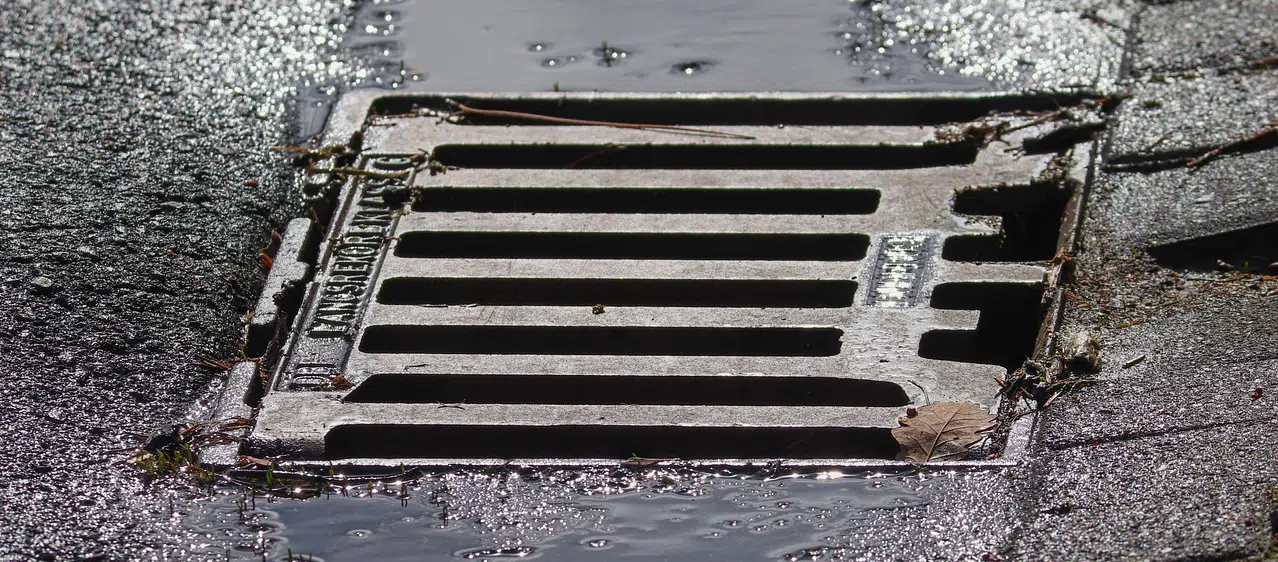
Why Storm Drains Attract Raccoons
Below-ground tunnels can offer a host of advantages for wildlife roaming around our cities. Let's examine in more detail:
- Shelter and Refuge
Storm drains offer protection and escape from Toronto's hot and humid summers as well as harsh, cold winters. - Safety from Predators
While humans are the most prevalent threat to raccoons in the inner cities, there are still other natural predators around. Especially in recent years, the coyote population in urban areas has increased significantly. - Urban Food Sources
Storm drains are often used by raccoons to travel undetected - raid a trash can and bring the loot back to the drain. The presence of water is an added bonus as raccoons prefer to 'wash' their food before consumption. - Underground Highways
Drainage systems allow raccoons to navigate the GTA's urban landscape safely and undetected, avoiding traffic and human interaction.
Identifying Raccoon Activity in GTA Storm Drains
So, if raccoons hang out in storm drains... how do you know? Are there signs?
- Raccoon Sightings
Particularly after dusk and before dawn you may see a raccoon (and hopefully not stuck in a grate) entering or exiting drain openings in GTA neighbourhoods. - Unusual Noises
Raccoons have never been accused of being dainty or quiet; you may notice scratching, rustling, or any of the many vocalizations raccoons use to communicate with each other. - Droppings around Drains
Raccoon feces may be present near drain entrances or in areas where drains overflow. - Strong Odours
A strong, musky, or ammonia-like smell may be emanating from drain openings. - Debris Build-Up
Pay close attention to unusual accumulations of leaves, twig, or other nesting materials around drain inlets.
The Real Risks of Raccoons in GTA Drainage Systems
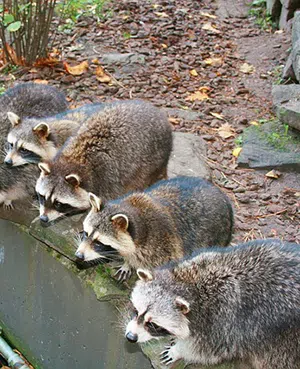 Aside from the obvious issue of a terrified critter being stuck and unable to free itself from the grip of a steel grate, there are other ramifications of raccoons in drainage systems.
- Drain Blockages & Flooding
Accumulation of leaves, debris, and raccoon nesting materials can impede water flow, exacerbating flooding issues common in parts of the GTA during heavy rainfall. - Infrastructure Damage
Raccoons can damage pipes and compromise the structural integrity of the drainage infrastructure. - Health Hazards for GTA Residents
Raccoon feces in drains can contaminate runoff, posing risks to pets and potentially humans. Raccoons themselves carry diseases such as rabies. - Difficult and Dangerous Removal
Attempting DIY removal from confined drain spaces is risky for both homeowners and animals. Raccoon removal from storm drains should be left to professionals and while observing proper safety protocols. - Potential for Unexpected Encounters
Raccoons emerging from drains in residential areas, parks, or even busy downtown Torontocan lead to startling and potentially dangerous situations for pedestrians or cyclists.
Traditional Raccoon Removal Doesn't Work for Storm Drains
- Underground Complexity
Drainage systems are often connected to multiple access points (storm grates, culverts, utility tunnels), making it nearly impossible to block off all escape routes. - Raccoons Re-Enter easily
Even if removed and relocated (legally within 1 km), raccoons often return through unsealed or adjacent drain points. - DIY Hazards
Attempting to seal or flush storm drains can lead to flooding during rainfall, trapped animals dying and causing severe odour or contamination, and/or legal issues from interfering with municipal infrastructure. - Access and Safety Issues
Confined spaces, low visibility, and water hazards make getting rid of raccoons from storm drains too dangerous and ineffective for DYI and require professional animal removal services.
Hawkeye’s Permanent Raccoon Removal for Storm Drainage
Because blocking off entry points is not an option here, raccoon removal really is the only solution. Raccoon removal generally means live trapping the animal(s) and then releasing them within a one kilometre radius from the capture site. It is almost inevitable that the raccoon(s) will return. Realistically, dropping the animal 1km away will likely still be in the vicinity of the same tunnel system they were caught at.
Contrary to all other Ontario wildlife removal companies, Hawkeye Bird & Animal Control can offer permanent raccoon control and removal in Toronto and the GTA. Raccoons are trapped or physically captured legally and humanely euthanized. This is the same procedure used by animal shelters and in accordance with veterinary guidelines.
- Shelter and Refuge
-
How to Get Rid of Raccoons in Heart Lake Estates, Brampton
Heart Lake Conservation area with its sprawling green spaces and ravines is home to many wildlife species, including raccoons. They are persistent, territorial and destructive animals that can breach your roof and enter your attic in no time at all. If you lay eyes on one raccoon, your Brampton property is at risk.
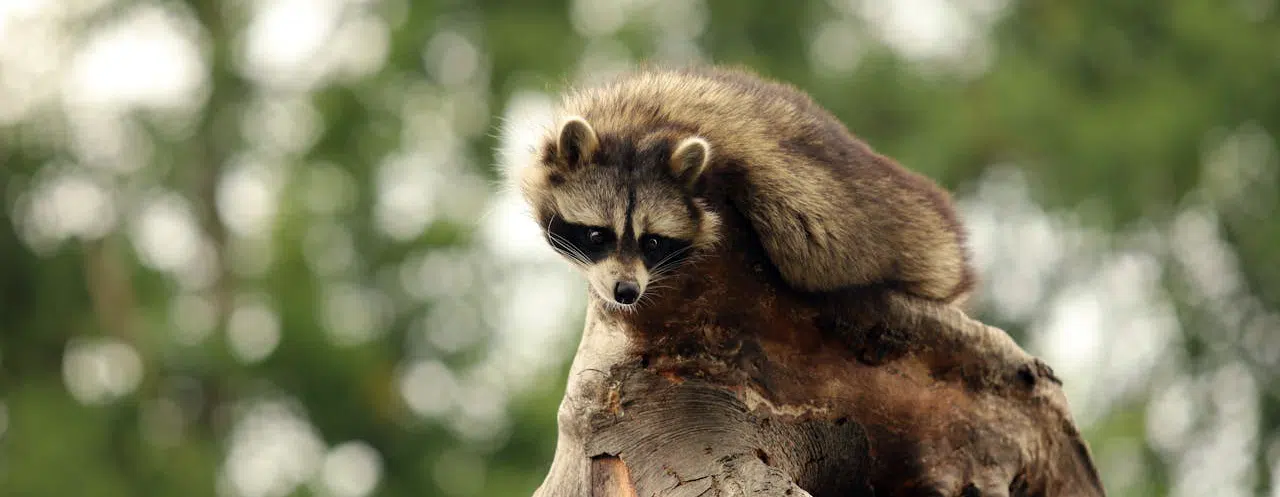
Typical raccoon trapping and relocating procedures result in the animals returning repeatedly and compounding damages to your home. The most effective professional raccoon removal in Brampton requires more than trapping alone—it requires identifying entry points, removing denning animals, and preventing re-entry—and provides the option of permanent removal.
-
How to Get Rid of Raccoons in Solar Panels
While you are diligently investing money into your commercial property and renewable energy, your solar installation might be multi-tasking as a warm and sheltered nesting spot for opportunistic raccoons.

A steady increase in urban raccoon population is leading to business owners reporting more and more wildlife on roofs and under solar panels. This article will explore the reasons behind raccoon infestations under or around solar panels in both homes and commercial buildings in the GTA and what to do about them. When it comes to raccoon removal from solar panels, remember that there is only one company in Toronto and the GTA that offers a truly permanent solution - unlike trapping and relocating: Hawkeye Bird & Animal Control.
Why Do Solar Arrays Attract Raccoons?
The answer to this question is two-fold: Residential solar installations are usually mounted only 2-3 inches above the roof, so raccoons cannot fit under there. But, raccoons will still seek out solar arrays on sloped roofs to exploit the structural weakness created by the mounting brackets and to access the attic. On commercial roofs, solar arrays have a much larger gap between the roof and solar panels, so raccoons can actually use the space between as a shelter.
- The Thermal Advantage (Year-Round)
Solar panels act like a thermal blanket. They absorb massive amounts of sun/heat, and the space between the panel and the roof traps that heat, creating an ideal, insulated micro-climate critical for survival during freezing winter nights and extreme summer heat. - Safety and Seclusion
The tight space and height offer perfect protection from ground-dwelling predators and human disturbance, making it a preferred location for birthing and nesting. - Easy Access
Raccoons can use nearby trees, perimeter roof edges, or downspouts to gain access to the roof, then slide directly under the panels where they are completely hidden. - Proximity to Food Sources
Garbage bins, compost, bird feeders, and nearby gardens provide a tasty buffet for resourceful raccoons.
Types of Properties Affected by Raccoons
The problem of raccoons around solar panels becomes more pronounced during the colder months as animals seek warmth and protection from the elements.
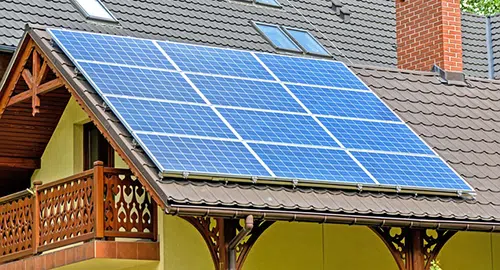 Residential Properties
- Detached homes and townhouses;
- Rural properties with solar panels;
- Raccoons seek to gain access to the attic through the roof and by exploiting potential weaknesses created by the solar panel mount.
Commercial & Industrial Properties
- Warehouses, factories, and retail stores with rooftop solar systems;
- Commercial buildings with large flat roofs are at greater risk due to panel quantity and hidden spaces;
- Raccoons will build nests (called dens) in the space between the solar panel and roof.
Signs of Raccoons Under or Around Solar Panels
- Scratching, thumping, or movement noises, particularly at night;
- Damaged wiring or insulation beneath panels;
- Feces and urine accumulation on rooftops;
- Visible claw marks on pipes or other access ways to the roof;
- Loose or shifted panels;
- Debris or nesting materials visible under panels or near gutters,
- Reduced solar efficiency due to wiring damage.
- The Thermal Advantage (Year-Round)
-
How to Get Rid of Raccoons in Turf Golf Courses
The golf course is a wonderful place to enjoy and relax - unfortunately, raccoons agree. Especially when we freely offer access to water, shelter, and often food as well. What's not to love?

If you manage a golf course in the GTA you won't be terribly pleased with the damages to turf, sand bunkers, and the overall landscaping destruction in the wake of a raccoon invasion. Your best option will be to seek the expertise of a wildlife professional for humane long-term raccoon removal solutions.
Why Do Raccoons Target Golf Courses?
Raccoons are intelligent and adventurous night dwellers. A well-designed and well-maintained golf course checks all the boxes for an animal that prefers a quick and easy meal and plenty of ready-made shelter opportunity.
-
Abundant Food Sources: Golf courses offer grubs, worms, garbage bins, and outdoor dining areas.
-
Shelter Opportunities: Clubhouse attics, maintenance sheds, underground drainage, and nearby wood offer perfect shelter and den space.
-
Water Sources: Ponds, lakes, fountains and irrigation systems can easily be used and exploited by raccoons.
-
Low Nighttime Activity: Raccoons thrive at night when golf courses are empty.
Common Entry Points Raccoons Use in Golf Courses
Identifying where exactly raccoons enter the golf course and which routes they travel will help plan effective exclusion strategies. Here are some areas to be aware of:
-
Structural: Clubhouse attics, roof vents, crawl spaces, and maintenance sheds are accessed by exploiting structually weak points in the roof or facade. It's quite amazing how small an opening can allow a raccoon to enter a building.
-
Ground-Level: Storm drains, culverts, and irrigation systems are popular hangouts and access points for raccoons.
-
Natural Cover: Tree lines, the wooded edges of fairways, and tall shrubs near ponds provide perfect cover.
Common Signs of Raccoon Activity on Golf Courses
If raccoons have already invaded your golf course, there’ll be signs:
-
Torn-up sod and turf patches from digging for grubs;
-
Overturned trash bins from and food scraps or garbage scattered near clubhouses;
-
Paw prints and droppings near water hazards or sand traps;
-
Shredded insulation, exposed wiring, or rripped open oof vents.
Any of the above signs must not be ignored. Now is the time to intervene to minimize long-term damages.
Risks of Ignoring Raccoon Infestations in Golf Courses
If you ignore the presence of raccoons on the golf course or in clubhouse areas, you’ll face several risks:
-
Turf Management Costs: Replacing or repairing grass repeatedly.
-
Health & Safety Risks: Rabies, leptospirosis, or roundworm that is present in raccoon droppings.
-
Liability Issues: Club members, guests, or staff encountering aggressive raccoons if wandering too close to a den with raccoon kits.
-
Attraction of Other Wildlife: Open trash areas are attractive to skunks and foxes as well. The presence of raccoons may also invite larger predators like coyotes.
What if Golfers Encounter a Raccoon on the Course?
If golfers encounter a raccoon on the course, here’s what they should do:
-
Stay calm and do not approach.
-
Avoid offering food or trying to scare it away aggressively.
-
Alert staff immediately so the sighting can be documented.
-
If the raccoon appears sick, injured, or unusually bold (possible rabies), golfers should keep distance and call for staff support right away.
Raccoon Safety Measures for Staff Members
Golf course staff members should always take precautions when dealing with raccoons and their aftermath:
- Always wear gloves and protective gear when cleaning areas with raccoon droppings.
- Use proper disinfectants to reduce parasite and bacteria risks.
- Never attempt bare-handed raccoon trapping or handling.
- Train maintenance crews to recognize signs of raccoon latrines, which carry high health risks.
- Establish a reporting protocol for raccoon sightings or damage.
How to Get Rid of Raccoons on Golf Courses
Because the environment of a golf course offers so many advantages to wildlife and cannot be altered, raccoon removal is the only way to get rid off raccoons. But, once the raccoons are removed, it is important to then work on making the environment less inviting for other animals.
Conduct a Professional Site Assessment
Bringing in a professional wildlife control team is the best way to evaluate the problem. It's important to evaluate turf areas, water sources, garbage management, and structural entry points to see where raccoons might be gaining access and what might need to be modified. Also, installing and using tracking and motion cameras can give you and the professionals you hire a better picture of what’s happening on the property at night in terms of raccoon behaviour.
Habitat Modification
Again, there's not a whole lot of landscape modification that wouldn't also take away from the purpose and enjoyment of a golf course. However, you should consider removing easily accessible food sources such as trash bins, or securing them with tight-fitting lids (you can even use bungee cords). You should also take steps to reduce natural food sources - consider eco-friendly turf treatments to address grub infestations.
Humane Removal Methods
When dealing with a raccoon problem on the golf course, trapping and relocation is generally the go-to method. However, the law only allows release of trapped wildlife within one kilometre of the capture site. The drawback of this is that raccoons will literally turn around and come right back. They have excellent homing instincts and regard the golf course as home.
Permanent raccoon removal entails the humane trapping of offending raccoons and licensed euthanasia. This is the only solution with a guarantee that the animal won't return.
Techniques for Raccoon Exclusion on Golf Courses
It’s crucial to not only remove raccoons from buildings and other structures around the golf course, but also to take steps to prevent them from getting back in:
- Install one-way exclusion doors for raccoons already inside structures.
- After the raccoons are removed, seal all structural deficits in maintenance sheds, vents, and crawl spaces.
Raccoon Deterrent Systems
There are some systems suggested to deter raccoons from frequenting the property, but these are mostly ineffective.
-
For example, motion-activated sprinklers or lights to discourage raccoons at night may work for a couple of days but raccoons are intelligent and learn to ignore them quickly.
-
Ultrasonic deterrents will also be ignored once raccoons realize that there is no physical threat.
-
Guard dogs might be effective at first, but they would have to patrol the golf course throughout the night. We’ll explore this option further below.
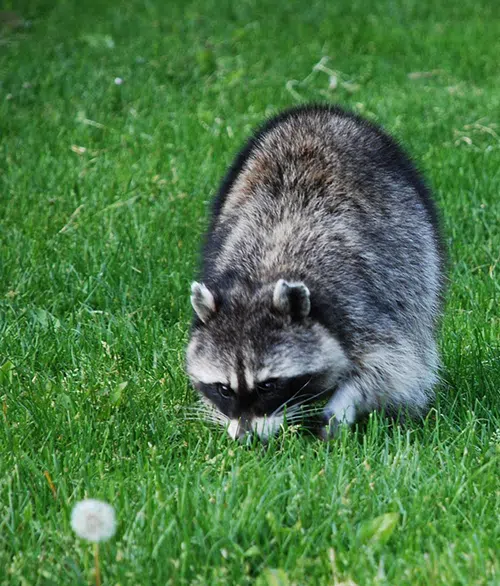 Protecting Golf Course Ponds from Raccoons
Raccoons are attracted to ponds for water and aquatic life. They may contaminate water with droppings, which can affect irrigation systems and pose significant health risks.
Pro Tips:
-
Reduce food attractants near pond edges (don’t let garbage or food waste accumulate).
-
Regularly test pond water for contamination if raccoons are active nearby.
Can Golf Courses Keep Trained Dogs to Scare Away Raccoons?
Some golf courses already employ trained dogs (commonly border collies or shepherd breeds) to manage geese, and a similar strategy can be considered for raccoons. This raccoon deterrent option has both benefits and limitations.
Benefits:
- Dogs act as a natural predator presence, discouraging raccoons from returning.
-
They can patrol turf areas at night when raccoon activity is highest.
-
Dogs can provides a humane, non-lethal method of control.
Limitations:
-
Professional training is required so that the dogs don’t harm wildlife but rather only scare them off
-
Canine night patrols need dedicated handlers or staff — not a “set and forget” method.
-
Because of the size of golf courses, you'll need a good number of dogs to make the area seem less appealing overall to pesky critters
-
Dogs may be less effective against raccoons that are highly habituated to human activity.
Best Practices:
If a golf course wants to employ this deterrent option effectively, there are some best practices to follow:
-
Use trained dogs as part of an integrated control program (not as the only solution).
-
Combine this strategy with exclusion, turf grub treatment, and secure waste management.
-
Always consider animal welfare and staff safety when implementing.
-
-
How to Get Rid of Raccoons in Water Treatment Plants
Water treatment plants (WTPs) and wastewater facilities (WWFs) are mission-critical infrastructure where security and hygiene standards are absolute. Raccoons, seeking shelter and access to water, can compromise this essential barrier, risking mass contamination of the public water supply, extreme regulatory penalties, and critical equipment failure. This situation makes professional wastewater facility raccoon removal essential to maintaining public safety and regulatory compliance.
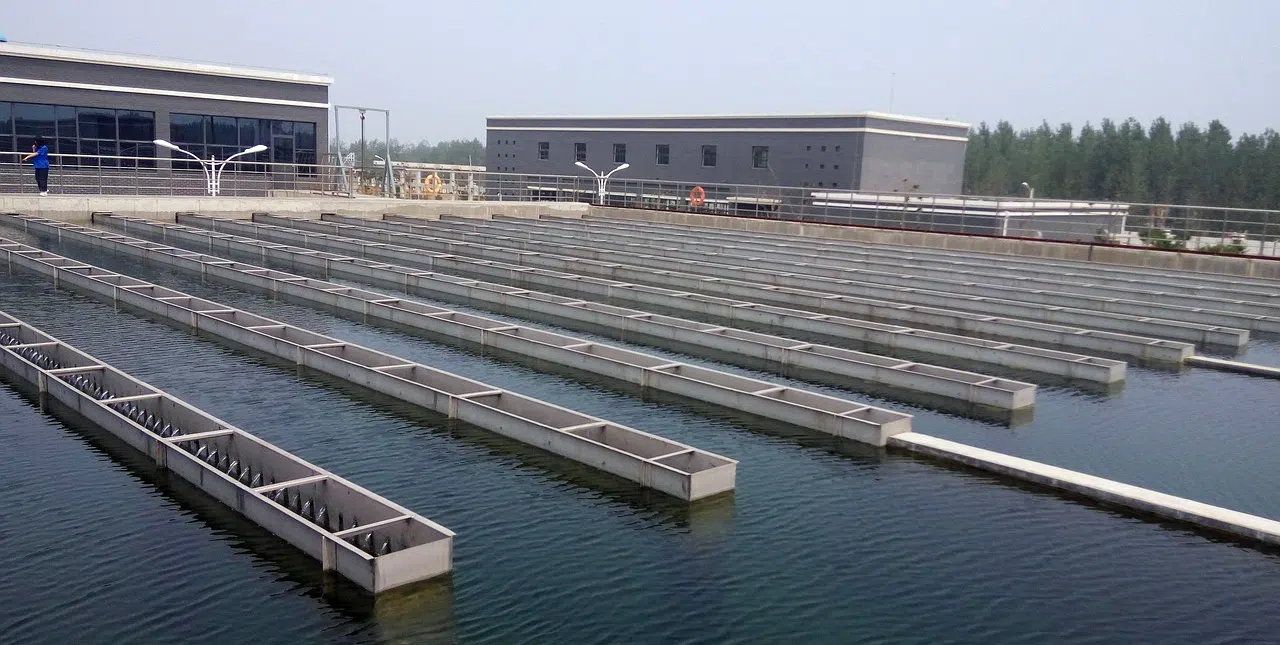
In this article, we'll look at the unique access points, the sevrious public health and regulatory liabilities created by raccoon infestation, and the only guaranteed, high-security method for permanent removal and site hardening.
Why Raccoons Target High-Security Water Facilities
- Guaranteed Water Source
These facilities offer accessible, open water (such as clarifiers, reservoirs, drains) and high humidity levels, which are irresistible to wildlife. Raccoon in particular are drawn to all things water; they prefer to rinse or "wash" their food before consumption and are quite accomplished swimmers. - Warm, Protected Thermal and Utility Shelter
Pump houses are structures housing high-value, heat-generating motors and pumps.
Chemical storage voids offer shelter around chemical tanks and storage areas that trap heat. - Underground Tunnels
Tunnels and pipe chases running beneath the facility allow for undetected movement as well as protection from larger predators. - Vulnerability of Infrastructure
Raccoons exploit necessary gaps in facility security including unsecured manholes, lift stations, and drain gates. - Utility Penetrations
Unsealed openings where electrical conduits or large pipes enter pump houses or administration buildings are easily exploited.
Risks of Raccoons in Water Treatment & Wastewater Facilities
Contamination Risks
Raccoon feces in filtration zones, influent areas, and sludge processing rooms enable parasites like raccoon roundworm & pathogens to enter treatment streams and allow cross-contamination between equipment, catwalks, and chemical handling areas.
Damage to Mechanical & Electrical Infrastructure
Raccoons chewing wiring for pumps, blowers, PLCs, and electrical conduits allow for interference with SCADA systems, sensors, and automation lines.
Damage to UV systems, ozone treatment equipment, chlorination panels, etc. is also possible.
Breach of Regulatory Compliance (Important for Municipal Facilities)
Water treatment is governed by strict municipal/provincial safety regulations, so any wildlife breach can trigger compliance violations, fines, and audits and even cause shutdowns.
Worker Safety Hazards
Intruding raccoons cause issues ranging from aggression near dens (mothers protecting their kits) to rabies & leptospirosis exposure and slip and fall hazards from feces near wet slabs or catwalks.
Disruption of 24/7 Continuous Operations
Raccoons blocking clarifier lanes, secondary room doors, or containment areas can shut down pumps or blowers, resulting in severe downtime and emergency repair costs.
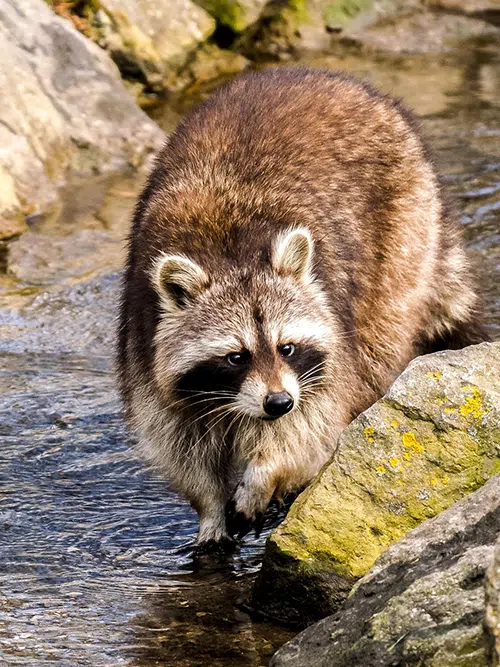 Identifying Raccoon Activity in Water Treatment Facilities
When considering raccoon removal for water treatment plants, managers and operators should look for:
- Disturbed insulation around pipes and tanks
- Damaged or chewed wiring near pumps/SCADA panels
- Tracks around clarifiers or sludge dewatering areas
- Nesting inside blower rooms or chemical storage areas
- Access holes in roof membranes or vents
- Noise, such as scratching or thumping inside ducting or pipe chases
- Pungent, musky smell near warm mechanical rooms
Why Permanent Raccoon Removal Is the Only Effective Solution
Deterrents are rarely successful and relocation often fails in complex facilities with many re-entry points.
- Canada’s wildlife law: Raccoons must be released within 1 km, so the release site may still be on the property and there’s a 99% return rate, especially in plants they’ve mapped.
- Hawkeye has the legal license to trap and euthanize—guaranteeing permanent removal.
Hawkeye's Permanent Raccoon Removal for Water Treatment Plants
- The Hawkeye Permanent Guarantee
Hawkeye Bird & Animal Control holds the unique licenses in the GTA for permanent removal (humane euthanasia). This is the only guaranteed way to permanently eliminate the recurring source of contamination and restore security compliance. - High-Security Protocol Requirements
Our trapping, removal, and exclusion work is done under strict security supervision (e.g., photo ID check, controlled entry/exit) to maintain facility bio-security. Meticulous use of double-bagging, specialized PPE, and HEPA-filtered vacuums ensures zero cross-contamination of clean areas and safe disposal of highly hazardous materials. - Permanent Infrastructure Hardening
We advise or offer additional work to ensure the sealing of all utility penetrations and vulnerable access points with robust, long-term materials. - Long-Term Monitoring Programs
We help with monitoring goals and a wildlife management plan for municipal plants, industrial wastewater facilities, and pumping stations. Quarterly or monthly wildlife inspections are available, as is emergency response.
Why Water Treatment Plants Choose Hawkeye
- Hawkeye Bird & Animal Control is the only GTA wildlife agent offering and guaranteeing permanent raccoon removal.
- We have extensive experience with municipal, industrial, and utility infrastructure.
- Our technicians under go ongoing safety-training for chemical plants, confined spaces and hazardous zones.
- We have the expertise and ability to comply with government procurement standards.
- A partnership with Hawkeye protects plant uptime and regulatory compliance.
FAQs for Water Treatment Plant Operations
Q: Can raccoons compromise water quality test results at treatment facilities?
A: Yes, raccoon feces in the water will absolutely compromise test results. Raccoon waste contains various pathogens and bacteria, including E. coli and the raccoon roundworm (Baylisascaris procyonis).
Q: Can raccoons access clarifier bridges or floating equipment?
A: Raccoons can absolutely access these types of equipment, particularly if they're located close to the water. Despite their rolly-polly appearance, raccoons are very athletic and agile climbers.
Q: Are raccoons attracted to sludge or biosolids areas?
A: Yes, raccoons can be attracted to sludge and biosolids areas if they contain insects, invertebrates (grubs and worms) or other organic matter.
Q: Are raccoons known to enter pump stations or underground valve chambers?
A: Unfortunately, raccoons can enter just about any space that promises shelter from the elements and predators. It's note worthy that they can squeeze through very small openings... much smaller than one might think possible.
Q: Does finding raccoon feces on a pipe access platform require a complete service shutdown? Can raccoon infestations lead to treatment plant shutdowns?
A: A raccoon infestation could potentially lead to a plant shutdown, depending on the severity and company policy. It any case, raccoon feces is considered a biohazard that requires immediate and proper cleanup following specific safety protocols, and the area should be restricted until all cleanup is complete.
Q: Our facility uses chlorine. Will that kill the raccoons if they drink it?
A: Probably not. While large amounts of highly concentrated chlorine would likely be harmful or even fatal to a raccoon, chlorinated water generally won't kill them.
Q: How do we prevent raccoons from digging under the chain-link fence perimeter?
A: The fence needs to be buried at least one foot (12 inches) to deter raccoons from digging. A strand of electrified wire near ground level might also help.
Q: Raccoons are chewing wiring on the pump motor casings. What permanent barrier can be used?
A: You can certainly try heavy-duty wire mesh around sensitive equipment but keep in mind that raccoons are highly intelligent and determined. Chances are that they will find a way.
Q: What is the safest time of day to inspect suspected raccoon areas?
A: If your goal is to actually observe the animal coming or going and map its travel route, evening/overnight is your best bet. If you need to merely find signs of raccoon activity, any time of day will do.
Q: Can raccoons survive in warm pipe galleries or air-handling tunnels?
A: Oh definitely! In fact, these types of spaces make a near perfect winter den!
Protect Your Water Treatment Plant with Hawkeye
Raccoon intrusion into a water treatment facility is an unacceptable safety, public health, and compliance crisis. Due to the catastrophic risks involved, only a definitive, high-security, and permanent solution is viable.
Protect the public water supply and eliminate regulatory risk and contact Hawkeye todayfor a high-security inspection and the guaranteed, permanent raccoon removal solution.
If you're looking for wildlife control for water treatment facilities, Hawkeye's raccoon removal services are available all across Southern Ontario, including Toronto , Scarborough , Brampton, Vaughan , Markham , Ajax , Pickering , Newmarket , Etobicoke , Oshawa , and Mississauga.
Related Articles:
- Guaranteed Water Source
-
How to Get Rid of Raccoons in Your Cottage
If you're lucky enough to own a summer retreat, perhaps in the Muskokas or near any of our seemingly countless, beautiful Ontario lakes, you probably know the sinking feeling of arriving at your cottage for the first weekend of the season, only to be met by the stench of ammonia and the sight of shredded insulation.
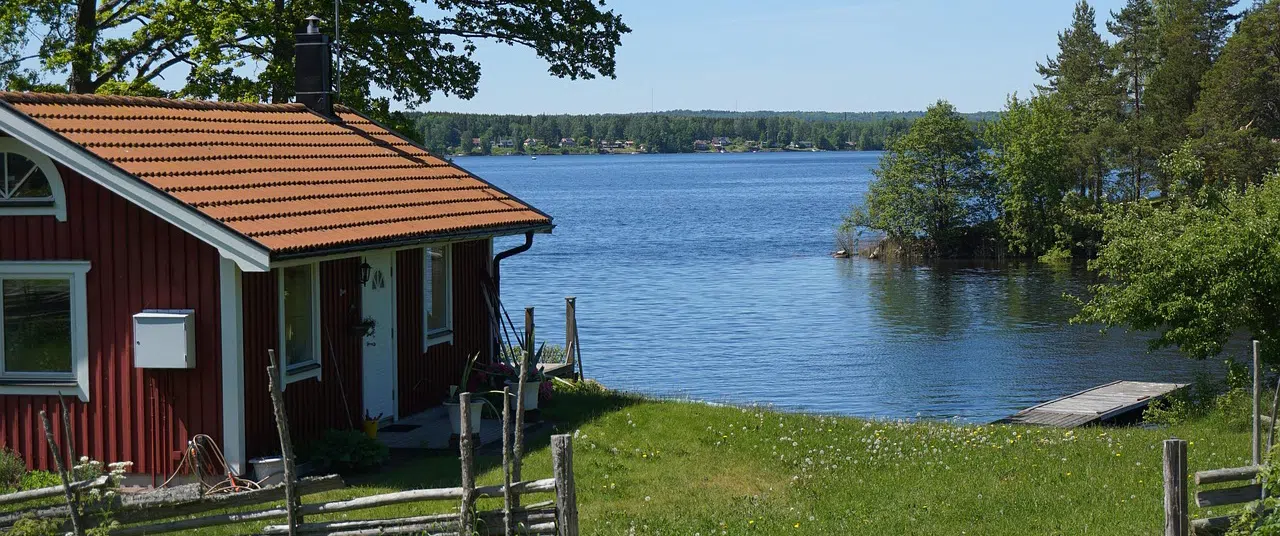
Cottages (or camps, as they are often called up north) are prime targets because they remain undisturbed for months, providing raccoons with a high-security, low-risk environment to den and breed. The pantry often remains somewhat stocked and provides for a quick snack and, of course, fresh, clean water is just a few steps away.
For cottage owners around the GTA, a raccoon infestation isn't just a pest problem—it’s a threat to your investment and peace of mind. This article explores why DIY methods almost always fail in remote settings and why Hawkeye’s permanent removal is the only way to secure your getaway for the long term.
-
How to Identify and Remove Raccoon Dens in Winter
With its freezing temperatures and harsh winds, Ontario winter forces raccoons to abandon flexible den habits for a single warm, secure location, creating a high-risk, long-term raccoon infestation in winter, which lasts until spring and beyond. Identifying and addressing these primary dens in the cold months is crucial to preventing structural damage and costly spring repairs.
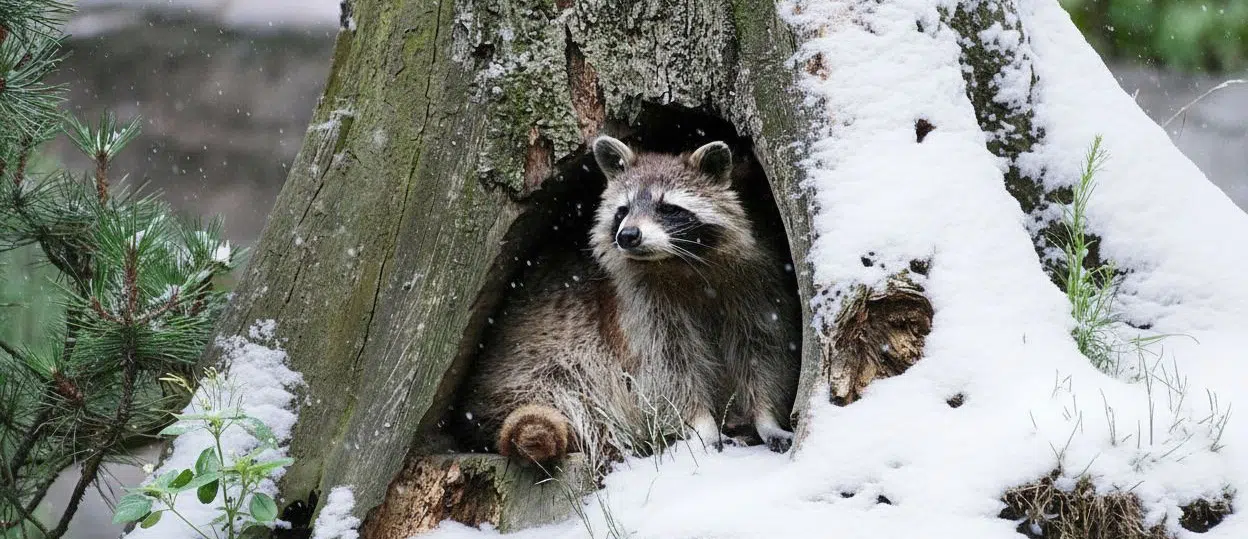
Raccoon Winter Behaviour in the GTA
After a flurry of activity during the fall months where their focus was on calorie intake, raccoons settle into long winter naps once the snow arrives. Focus is now on staying warm and safe from predators. This behaviour is one of the reasons homeowners and commercial/industrial property managers should search for winter raccoon control earlyin the season, before a raccoon infestation is too entrenched.
- Torpor, Not Hibernation
Raccoons do not truly hibernate but rather enter a state of torpor—a deep sleep broken by periods of waking. While in this state, their body temperature lowers, and breathing and metabolism slow to conserve energy. They will keep a single, secure den for weeks at a time to conserve energy and survive freezing temperatures. - The Thermal Imperative
During the winter months, raccoons seek out areas with trapped heat (i.e., from the house, equipment, or ground) and maximum wind protection. This commitment to one warm spot makes winter dens extremely destructive. - Reduced Activity, Increased Risk
While they forage less often, raccoonss' activity when inside the den is focused on insulating and securing the perimeter by procuring and using any suitable materials. This often results in severe damage to building insulation, etc.
Where Raccoons Den in GTA Winters
Where do raccoons usually nest during colder months? Residential, commercial, and industrial properties offer a plethora of options.
- Structural Areas (Warmest Spots):
- Attics:
Attics are probably the most sought-after spot for raccoons (and other wildlife - think squirrels!) to wait out old man winter. Proximity to chimneys or plumbing stacks and just the rising heat from floors beneath make attics perfect for winter denning. Raccoons access attics through the roof and poorly sealed roof vents. - Chimneys:
If uncapped, your chimney can provide a dark, contained vertical shelter. - Garage Ceiling Voids:
The insulated space above an attached garage creates a thermal bridge to the main house/building. It is also safe and enclosed with little to no human traffic.
- Attics:
- Ground-Level Havens (Insulated Spots): Areas that hold ground heat and are protected from the wind and snow.
- Crawl spaces:
Crawl spaces underneath a structure provide consistent, moderate warmth. - Window Wells Basement Voids:
Small, contained pockets near the foundation may also be converted to a winter den. - Sheds/Deck Voids:
Areas under sheds or decks, especially if the ground is skirted, trap heat and provide sufficient shelter.
- Crawl spaces:
- Commercial Industrial Spots (High-Value Warmth):
- Warehouses and Factories:
Heat from machinery or HVAC vents attracts raccoons. Low-traffic areas like maintenance rooms should be inspected regularly. - Abandoned or Low-Traffic Buildings:
Quiet, undisturbed areas still draw furry winter dwellers, even if not actively heated. Raccoons can evade detection for months in abandoned or vacant properties. - Seasonal Businesses and Schools:
Buildings that are closed for periods of time, such as schools often see raccoon invasions. By the time the animals are detected, it's often too late and significant damage has been done. - Loading Docks:
Open loading dock doors invite raccoons inside to explore hidden spaces for temporary dens.
- Warehouses and Factories:
- Natural/Outdoor Denning Spots near Homes:
- Hollow trees, brush piles, abandoned burrows, woodpiles, and old cars/trucks and machinery also make for suitable raccoon winter dens.
- Hollow trees, brush piles, abandoned burrows, woodpiles, and old cars/trucks and machinery also make for suitable raccoon winter dens.
- Torpor, Not Hibernation
-
How to Keep Raccoons Away from Bird Feeders Permanently
Many homeowners and property managers set up bird feeders to attract songbirds, especially during colder months. Unfortunately, bird feeders are also a major attractant for raccoons—intelligent, nocturnal, opportunistic, and highly adaptable animals.
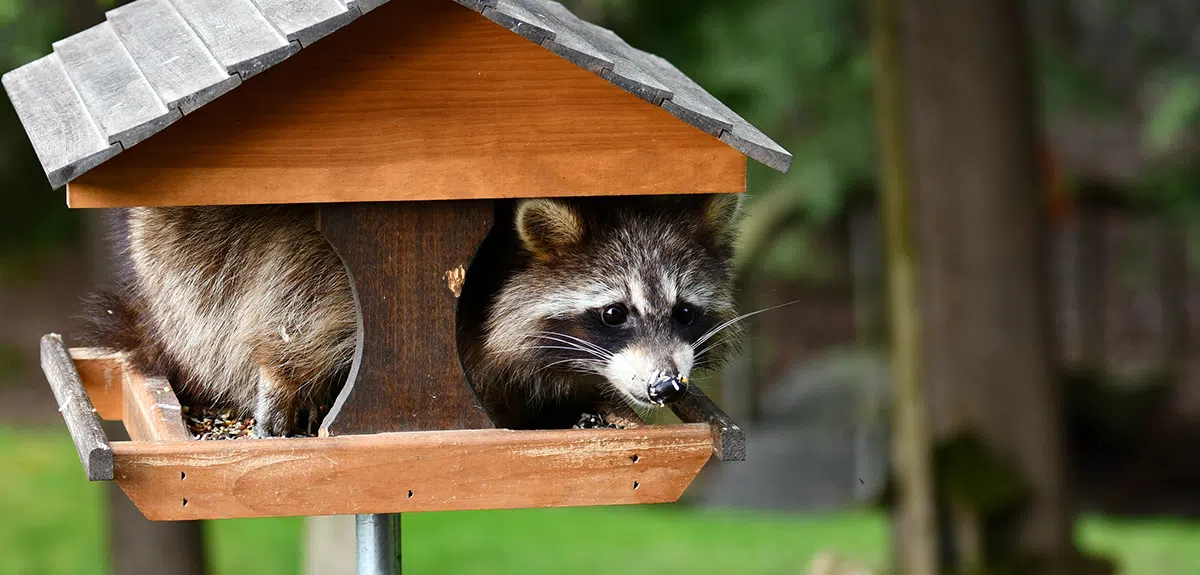
As temperatures drop, raccoons seek easy food sources, and bird feeders are one of their top winter targets. Let's explore what you can do to get rid of raccoons and keep them out of your feeders in the future. Keep in mind that DIY deterrents and gadgets are rarely all that effective, but Hawkeye Bird & Animal Control offers legal and permanent raccoon removal services in the GTA.
Why Raccoons Are Attracted to Bird Feeders
- Food Availability
Spilled seeds and suet provide the high-calorie nutrition that raccoons need to survive the winter. Both black-oil and striped sunflower seeds are among their favorites. On that note, you might also fin squirrel and skunk visitors around your bird feeder. - Easy Access
Raccoons are agile climbers and can easily reach most bird feeders, poles, or decks. - Nighttime Feeding
Unlike birds, raccoons are active at night, so there's no competition around the feeder and the mess you find in the morning may well signal a raccoon visit. - Smell and Habits
Raccoons have an excellent sense of smell that can lead them to your bird feeder. And once they find a reliable food source, they keep returning.
How Raccoons Cause Problems Around Bird Feeders
- Damage:
- Bending poles, breaking feeders, and tearing mounts.
- Damaging nearby deck railings or roof gutters while climbing.
- Health risks:
- Droppings on patios and decks contain roundworm and other pathogens.
- Risk of contamination near outdoor furniture and children’s play areas.
- Secondary infestation risks:
- Raccoons attracted to feeders often explore nearby attics, chimneys, and crawl spaces for shelter.
- Bird feeders act as “gateway attractants” leading to full property infestations.
Recognizing Raccoon Activity Around Your Bird Feeder
- Feeder emptied overnight.
- Tracks or muddy paw prints on decks or railings.
- Torn suet cages or feeder poles bent.
- Scattered seeds and droppings under the feeder.
- Noises at night near decks or walls.
Pro Tip: Inspect your feeders early in the morning for signs of nocturnal visitors.
- Food Availability
-
How to Keep Raccoons Away from Birdhouses and Bird Baths
Many property owners adorn their backyards with birdhouses and bird baths to attract songbirds and support local wildlife. Unfortunately, these common landscape features also tend to attract raccoons. Unlike bird feeders, birdhouses and bird baths draw raccoons for reasons other than food.
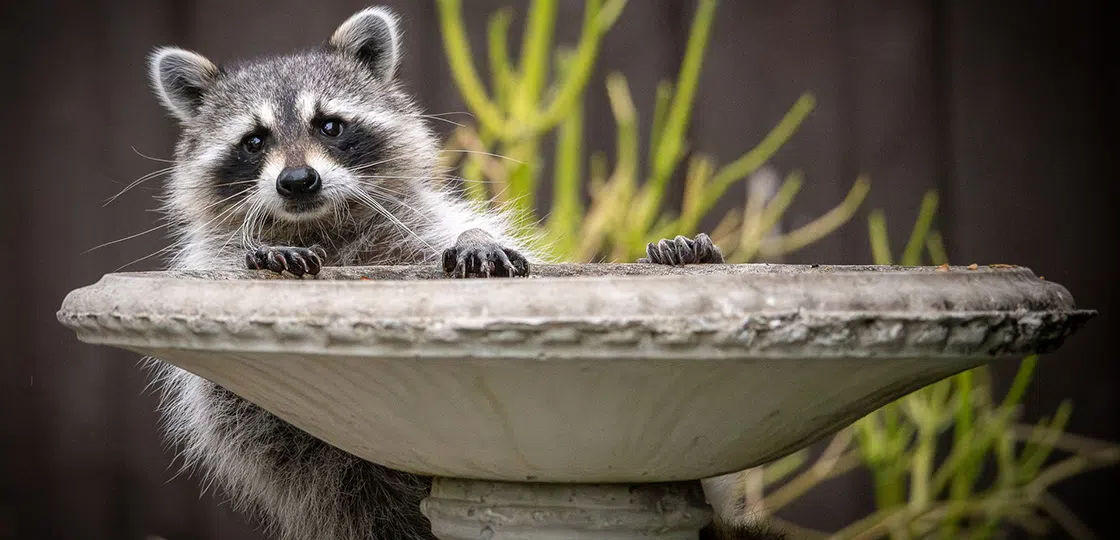
If you're wondering how to keep raccoons away while still attracting songbirds, understanding why they visit is the first step.
-
How to Keep Raccoons Away From Chickens
Are raccoons giving your chickens a hard time?
These clever critters can significantly threaten your feathered pets, but with the right strategies, you can safeguard your chickens from raccoon invasions in the future. Let’s dive into how to keep raccoons away from chickens!
Where Are Raccoons Found in Canada?
Raccoons typically thrive in more forested regions, where they have plenty of natural cover and food sources. But contrary to what many people think, they’re also frequently found in more suburban environments, too. You’re likely to encounter raccoons near water sources like rivers, lakes, and streams, where they have ample food and hydration. Raccoons are typically found in every province other than Newfoundland and Labrador.
-
How to Permanently Remove Raccoons in Vaughan
Vaughan home and business owners alike are plagued by recurring raccoon invasions. Highly intelligent, adaptable, and resourceful animals, raccoons are excellent at gaining access to buildings and attics. Join us as we explore the best ways to get rid of raccoons permanently and prevent subsequent raccoon infestations in Vaughan and beyond.
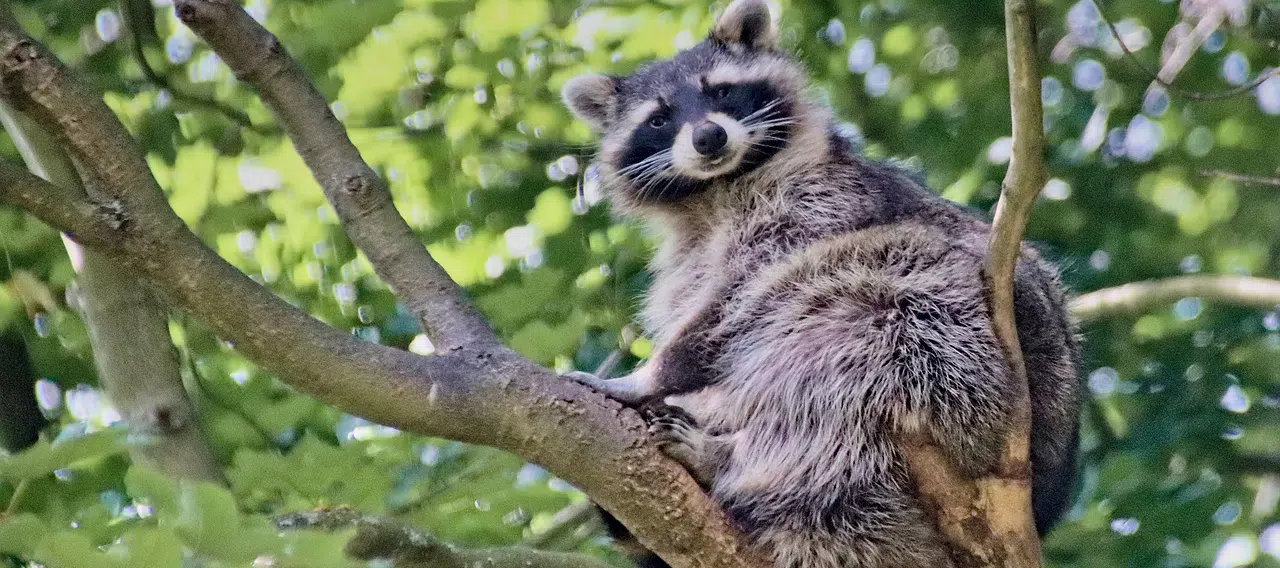
With raccoon mating season behind us and expectant moms looking for a safe place to birth and raise their offspring, right now is prime time for raccoon home invasions. And therefore, it is the busiest time for raccoon control and removal in Vaughan and surrounding communities.
Why Are There So Many Raccoons in Vaughan?
Well, the problem is two-fold. On one hand, the urban raccoon has plenty of food, even if it does require rummaging through trash bins. On the other hand, because of constant human presence, natural predators like coyotes or wolves will keep their distance. That means that more raccoon litters survive and mature to mating and breeding age... and so on.
Limitations of Traditional Raccoon Removal
Understand that once a raccoon has gained access to your attic, it will return. There's no question about it. And if that raccoon is a mother with kits in your attic, she will move mountains to get back to her babies. So, you will be stuck in a never ending loop of trapping the animal, releasing it, and plugging up and reinforcing wherever she managed to get in. Wash and repeat.
Live Trapping & Relocation
Raccoon trapping and relocation is a popular (and often the only) service offered by virtually all wildlife removal companies. Let's inspect what that looks like:
- Release within a 1km Radius
If a trapped raccoon is to be released, it must be within one km of the capture site. This is because dropping wildlife off far away from their home range would leave them disoriented, unable to secure food sources, competing for new territory, and just generally be in distress. It would also greatly increase the chance of disease spreading. - Repeat Offenders
A trapped and released raccoon will almost always return to where it was caught and to where it perceives 'home' to be. Often times, it will literally turn around and walk back. - Non-Professional Trapping
Just about anyone can purchase a trap, bait and set it, catch themselves a raccoon, then drive down the road and release it. This is considered to be humane. But, is it? Remember, above we talked about how distressed the animal is? How it may have to physically fight for space and food in a place where other wildlife is already established? And what about offspring? Have all the babies been caught together with their mother? Because, if not, those babies are left to starve to death.
DIY Repellents & Deterrents:
Raccoons are highly intelligent, curious, and resourceful. It won't take more than a day for them to figure out that a motion sensor light poses no danger. The same goes for sprinklers. Raccoons are actually very fond of water and likely will see sprinklers as an added bonus.
In terms of smells, there are some scents they do not care for, but those won't keep them away for long, either. Unless, the scent indicates danger. Here's where it gets interesting: The scent of a male raccoon (urine) WILL make a mother raccoon pack up her babes and move the family to a new location. That's because male raccoons will kill kits in order to mate with the mother again. Momma raccoon has zero interest in any proposed shenanigans with a male while she's tending to her offspring.
- Release within a 1km Radius
-
How to Prevent and Control Raccoon Tree Nesting
In addition to their environmental impact, mature trees are valuable landscape features on residential, commercial, municipal, institutional, and rural properties in the Greater Toronto Area (GTA). Trees also provide shelter to many species of local wildlife, including raccoons. Unfortunately, once a raccoon begins using a tree cavity as its nest, it may will likely return season after season and cause a great deal of damage to structures and landscape.

How you manag tree-nesting raccoons depends on when the problem is discovered. Inspecting your trees reguarly can prevent raccoons from moving in before it's too late.
-
How to Trap and Get Rid of Raccoons in Vaughan Warehouses
Many warehouses in Vaughan (and in fact, all across the GTA) attract the attention of raccoons and other urban wildlife. Never ending nooks and crannies to hide out in, easy access in and out, and often even a built-in self-serve buffet make for very adequate accommodations all year round.

Why Raccoons Should Not be Allowed in Warehouses
Raccoons can be quite destructive and even shut down operations for some time, depending on the contents of the warehouse. Here are some of the problems caused by raccoons dwelling in a warehouse:
- Damage to Inventory
Raccoons are prolific chewers and diggers and damage to or contamination of inventory can be extensive; - Structural Damage
When raccoons are occupying your warehouse, you can expect chewed wires, damaged or destroyed insulation, and comprised roofs and/or walls).; - Health & Safety Risks
If raccoons are hanging out in a warehouse, you'll likely find one or more latrines. Raccoon droppings contain a great number of parasites, and latrine contents are highly corrosive. Of course, actual encounters with onsite raccoons offer the potential for bites or scratches - and the risk of rabies; - Operational Disruptions
Having raccoons or other wildlife present in a warehouse poses a health and safety hazard for employees AND can get the Health & Safety boards involved, particularly if the inventory is food-related or contains medical equipment.
Why Do Raccoons Target Warehouses in Vaughan?
- Provision of Shelter
A warehouse provides ample space, privacy and quiet corners. - Food Availability
Depending on the contents of the warehouse, a meal can come from the inventory itself, or from waste left behind by humans; - Easy Access
Due to the nature of warehouses, it may be virtually impossible to restrict access to local wildlife. In addition to loading docks with roll-up doors raccoons also exploit roof vents and HVAC units to gain access; - Climate Control
When seeking refuge from the elements, raccoons often get to enjoy at least some heat or ventilation, making the inside of a warehouse much more attractive than the harshness of the outside world. It stands to reason that warehouse occupation increases in late fall.
How to Detect a Raccoon Presence in Your Warehouse
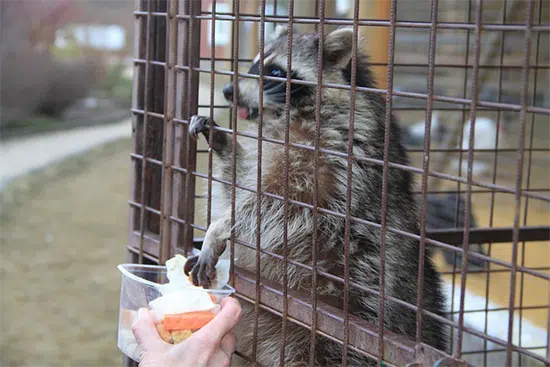 Unless you actually see the animal, you may not be sure what you're dealing with. Here are some things to look for if you suspect a raccoon infestation:
Listen for Raccoon Noises
Granted, it may not be easy to hear anything in a busy warehouse. But when machinery shuts down and workers have left, pay attention to rustling and thumping overhead in the rafters or ceiling as well as behind boxes and in corners.
Check out Electrical Issues
Have a close look at the condition of wiring and check if wires look chewed and/or frayed. As female raccoons prepare birthing dens, they frequently move wires or sever them to make room.
Look for Displaced Insulation
Also in pursuit of the ideal den location, insulation is often moved or destroyed.
Notice Raccoon Droppings
Pay attention to droppings on the floor, near dock doors, or smells of urine or feces.
Perform Regular Inspections
It's a good idea to inspect less-accessed areas regularly. Storage lofts, rafters, above ceiling tiles, or seldom used maintenance rooms. Additionally, the use of motion sensor cameras or thermal imaging devices can help with raccoon detection.
- Damage to Inventory
-
How to Trap Raccoons That Are in Your Attic and Chimney
Have you ever woken up in the middle of the night to strange noises coming from your attic or chimney? Odds are it’s not a ghost; rather, it’s probably raccoons looking for a comfortable place to rest during the cold winter months. Raccoons will stop at nothing to gain access to a warm, dry, and dark shelter such as an attic or chimney. And in the process, they can cause significant damage, as well as pose health hazards. That is why it is crucial to identify when a raccoon has made a home in your attic or chimney and take the required steps to remove them from your home.
How Do You Know if You Have Raccoons in Your Attic or Chimney?
If you hear strange noises coming from your attic, see tiny “handprints” on the ground outside your home, and/or discover dark, foul-smelling poop, these are all signs of a raccoon infestation in your home.
As raccoons can weigh an average of 15 pounds, you might hear thumping, stomping, or thrashing noises coming from your ceiling. Chittering like birds, snarls, growls, and grunts are also common noises raccoons will make to communicate or when fighting.
If you notice leaves, twigs, and insulation placed in piles or scattered throughout the attic, be weary. Raccoons will use these and other materials to build their nests. Any signs of holes or new openings in the roof or vents usually signify a raccoon has ripped apart a small gap to gain access to your attic.
Raccoons may also designate a latrine inside the attic or on the roof adjacent to where they gained entry. Evidence of raccoon poop and putrid odours from wet spots in the attic will be unmistakable. Raccoon poop is small and cylindrical in shape, much like that of a small dog.
-
Keep Raccoons at Bay: Effective Ways to Raccoon-Proof Your Home
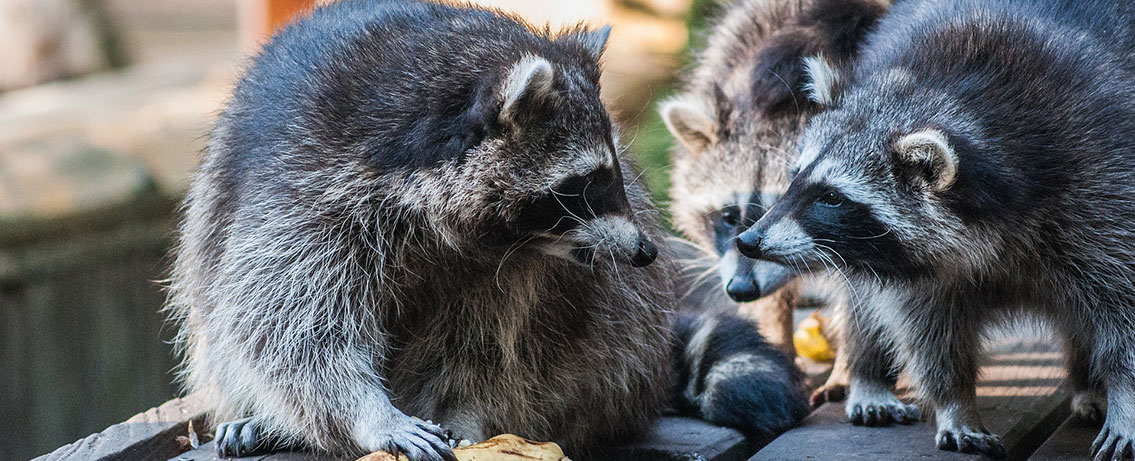
Do you have a raccoon problem? If so, you are not alone—raccoons are notoriously clever and agile creatures who can quickly make their way into seemingly inaccessible areas of your home. Whether it’s the roof or a window that has been left open, they know how to get in.
But instead of resigning yourself to months of trying to remove them after they already got access, why not focus on preventing them from entering in the first place? In this blog post, we'll be going over some effective ways for you to raccoon-proof your home and keep those pesky critters out for good.
-
Permanent Raccoon Removal for GTA Hotels and Resorts
In our digital age, a single guest video of a raccoon on a hotel balcony or near a buffet can go viral, causing a resort or hotel irreversible brand damage and reputational suicide. And raccoons nesting in hotels or resort facilities? Talk about a disaster.

The hospitality industry is a huge magnet for opportunistic urban raccoons. Hotels and resorts offer 24/7 food availability, heated structures, and complex landscaping. That’s why immediate, discrete, and professional raccoon removal for resorts, hotels, and other vacation properties is so critical.
-
Permanent Raccoon Removal for Schools & Universities in the GTA
Schools and universities make for prime raccoon habitats, offering sprawling grounds, abundant food waste from cafeterias and waste bins, and complex architecture such as portables and tunnels. In fact, educational facilities provide everything a raccoon needs to thrive.

The stakes of raccoon infestations are high: Beyond property damage, the presence of raccoons in a school environment introduces severe liability risks, including student safety, public health concerns, and potential closures. This is why campus infestations require a different approach than residential properties. Trapping and relocating almost always fails - it's time to look for a solution that works, including raccoon control for school buildings and grounds that addresses liability, safety, and long-term prevention.
Permanent Raccoon Removal: Learn more orCALLfor a free consultation.
-
Permanent Raccoon Removal in Winter (GTA)
As temperatures drop below freezing and natural foraging is inhibited by snow and ice, raccoons enter a state of prolonged periods of sleep (called torpor), turning attics and crawlspaces into highly sought-after survival shelters.
There is a persistent myth of "it's ok to wait until spring" and that raccoons merely hibernate and will leave on their own accord once the worst of winter is over. In this article, we will discuss why this is approach would be greatly misguided and potentially very costly. Raccoons neither hibernate, nor necessarily move out with warmer weather.
When it comes to humane animal control, the time to act is the minute you discover raccoons in your home - Call Hawkeye Bird & Animal Controlat once.
What Actually Happens to Raccoons in GTA Winters
Raccoons Do Not Hibernate
Instead, they enter short periods of torpor. This is a state of reduced activity that involves lowered metabolism, heart rate, body temperature, and reduced movement to conserve energy during periods of food scarcity and extreme cold.
Raccoons Are in Desperate Need of Warm Shelter
Cold snaps force raccoons to seek heat-retaining structures, preferably near food and water sources. During Ontario's harsh winter months, raccoons invade:
- Attics, crawlspaces, basements
- Utility rooms, boiler rooms
- Mechanical and service corridors
The modern, urban raccoon's chance of winter survival is actually much higher than its cousin's out in the woods. Both, residential and commercial buildings provide adequate shelter and often easily raided trash bins or dumpsters, bird feeders or outdoor pet food and water bowls. Additionally, larger predators (i.e., coyotes) often avoid areas with frequent human traffic and pose less of a threat to raccoons.
-
Permanent Raccoon Removal Solutions for Lawns
Raccoons tearing up a new or well-kept lawn is a common and frustrating problem for urban and suburban property owners. Many people are shocked at the level of damage these seemingly cute animals can cause.
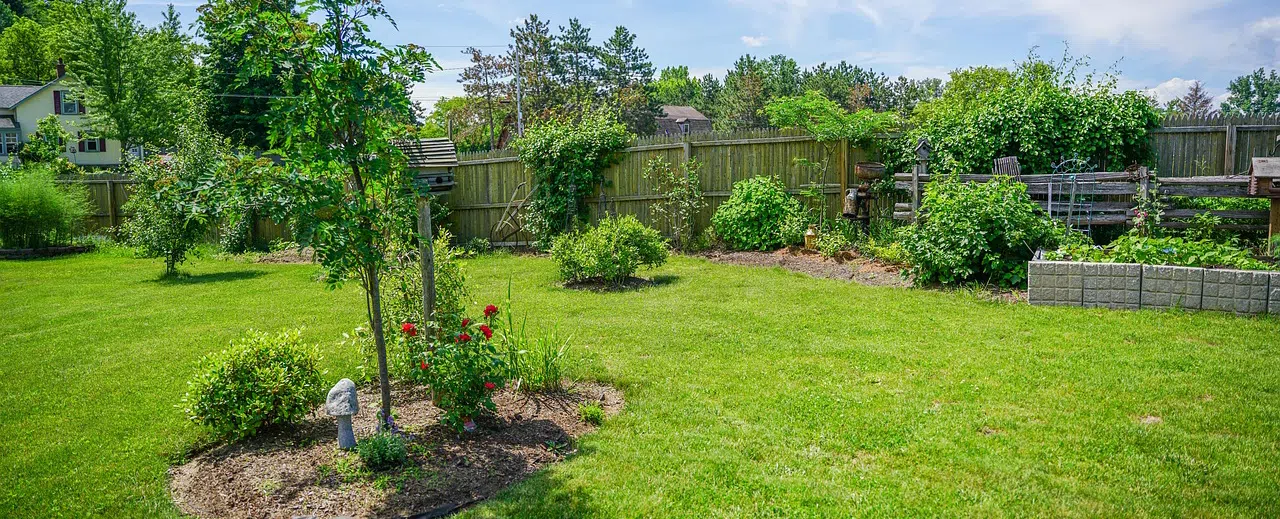
This is not just a nuisance but a recurring, expensive, and year-round problem. Thankfully, raccoon removal in Toronto and other areas of the GTA can solve the problem. This article will explain why raccoons target lawns, the signs of their activity, and a permanent, year-round solution to protect your property.
Hawkeye Bird & Animal Control is the licensed company in Canada offering permanent raccoon removal, unlike temporary deterrents or the endless cycle of trap and release.
Quick FAQs Related to Raccoon Control for Lawns
Q: How can I tell if lawn damage is from raccoons or skunks?
A: The most obvious sign of lawn damage will be the amount of damage in terms of area. Raccoons leave large sections of turf torn up or flipped over and widespread patches of exposed soil. Skunks typically leave behind numerous smaller, neat, cone-shaped holes dug in a search for grubs. Both have strong claws and can create a considerable mess, but raccoons use their claws in a ripping motion to pull up large chunks of grass, while skunks use their noses and claws to make many small, more precise holes.
Q: Why do raccoons dig up lawns?
A: The primary reason for tearing up lawns is to get at the grubs that live beneath the surface. Torn up patches of grass near fence lines or foundations can also be an attempt at burrowing under to get access to whatever lays on the other side.
Q: Do raccoons only damage new sod, or do they wreck established lawns, too?
A: While raccoons destroying new sod is a big problem, they can absolutely do a number on established lawns, too. In fact, well established backyards probably offer more variety in terms of grubs and bugs.
Q: Can I get rid of the grubs and raccoons at the same time?
A: Probably not, but reducing the number of grubs in your yard will help make the area less attractive to raccoons. Generally, grubs are only one reason why raccoons frequent your property. Waste bins, vegetable gardens, and orchards also play a big role.
Q: Can grub treatment alone solve raccoon lawn damage?
A: Again, simply reducing the number of grubs will likely not solve your raccoon problem. Removing other elements that attract raccoons and/or physically removing the animals is a much better strategy.
Q: Do raccoons carry diseases that can affect my lawn or garden?
A: Raccoon diseases and parasites pose a threat to your family and pets. Your lawns or gardens are not directly affected, but may help spread those diseases.
Q: Can raccoons damage artificial turf or golf course lawns?
A: Indeed, raccoons do plenty of damage on both artificial turf and on golf courses. The surface material or location really doesn't matter if tasty grubs live beneath. Check out our article on how to get rid of raccoons from golf courses.
Q: What’s the best way to protect a newly seeded lawn from raccoons?
A: Ideally, you would have applied a grub treatment even before laying down new sod or seed. And of course, you'll want to remove as many things as possible that may attract raccoons to your yard. Such things include pet food bowls, any standing water (including bird baths), trash cans, fallen fruit from trees, and more.
Q: Can raccoons ruin sprinkler systems or lawn irrigation while digging?
A: Yes, and actually, this is a fairly frequent occurrence.
Q: Do yard guards or ultrasonic devices really keep raccoons off lawns?
A: Repellents such as ultrasonic devices have very limited efficacy. Raccoons are intelligent, resourceful, and determined and quickly learn that ultrasonic devices pose no physical threat and can safely be ignored.
Q: Will getting a dog keep raccoons from tearing up my lawn?
A: A dog in your yard can help keep raccoons at bay in general. Keep in mind, though, that raccoons are mostly nocturnal and the scent of your dog alone may not be sufficient to stop raccoons from viewing your lawn as a buffet.
Q: Is it safe to be on my lawn with raccoons present?
A: It is unlikely that raccoons will dig up your lawn with you present. Again, raccoons are nocturnal and you probably won't be out there all night, but more importantly, all forms of wildlife (including raccoons) typically avoid human contact.
Q: When is the best time of year to fix this problem?
A: It's a good idea to start with grub treatment in May and June to kill newly hatched grubs but active infections will require you to apply multiple treatments all the way through the summer and fall.
Q: What is the typical cost for racoon removal for lawns?
Removing raccoons from lawns is no different than dealing with them anywhere else. The cost depends on how many raccoons have invaded your yard and how many visits from a wildlife removal technician it takes. You can learn more here: https://www.hawkeye.ca/blog/how-much-does-raccoon-removal-cost-in-toronto
Q: Do I need to be present for raccoon removal service?
A: In an outdoor situation such as your backyard, you do not necessarily need to be present when traps are set. You must, however, be available to check the traps daily and inform the wildlife technician immediately when an animal is in the trap.
Q: How long after raccoon removal should I wait before repairing my lawn?
A: You may repair damages to your lawn immediately once raccoons have been removed from your property. Keep in mind that a relocated raccoon will return with a high degree of certainty. Permanent raccoon removal is the only way to ensure the captured animal will not return.
-
Permanent Raccoon Removal vs. Raccoon Relocation
Raccoons are probably the most common nuisance wildlife species affecting GTA properties. After all, we don't call Toronto the raccoon capital of the world for nothing.
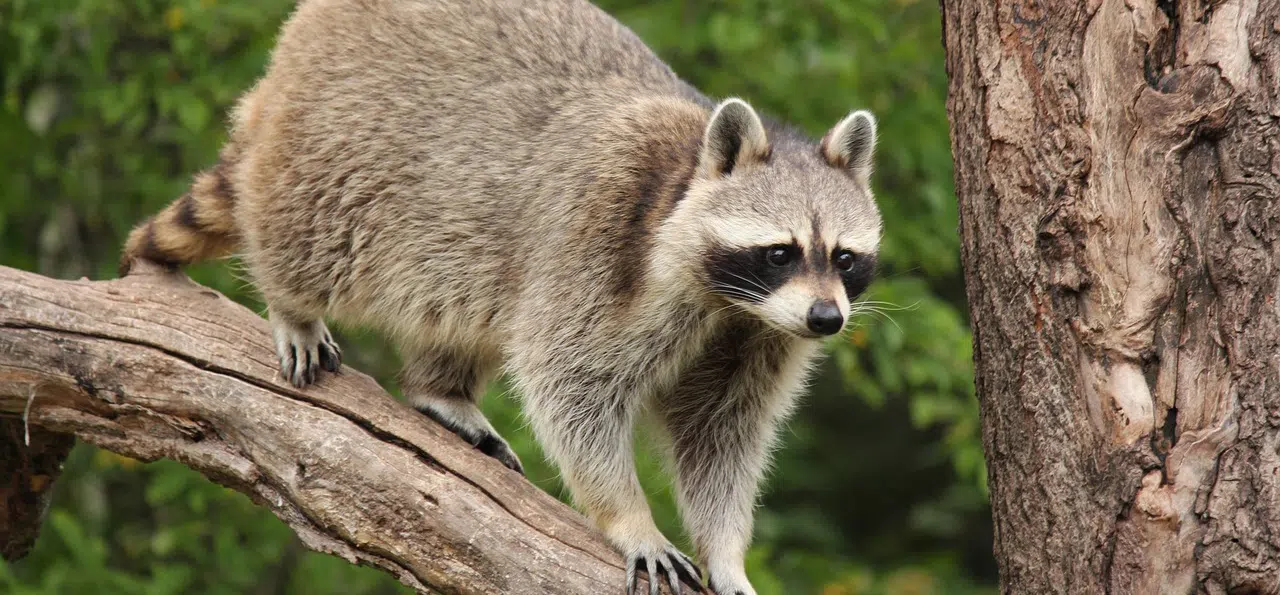
Residential, commercial, industrial, agricultural, municipal, and institutional properties can all experience the same recurring raccoon problems. Many property owners assume relocating a raccoon automatically solves the issue as this is common practice employed by most wildlife control companies.