 CA
CA US
US

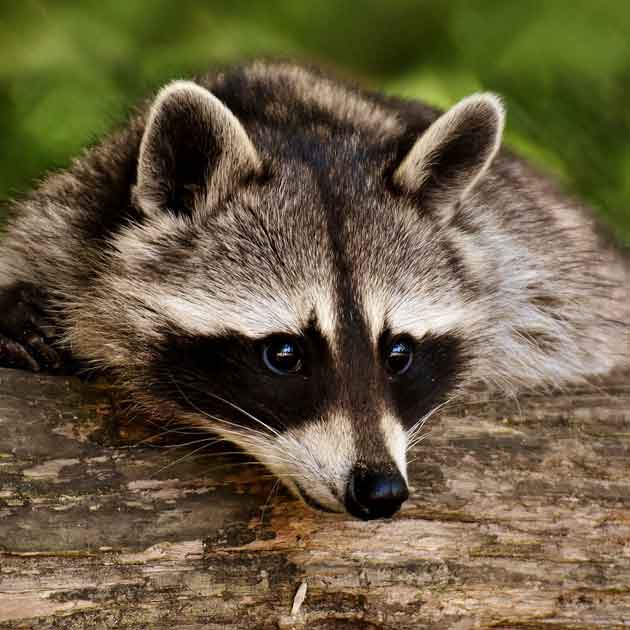


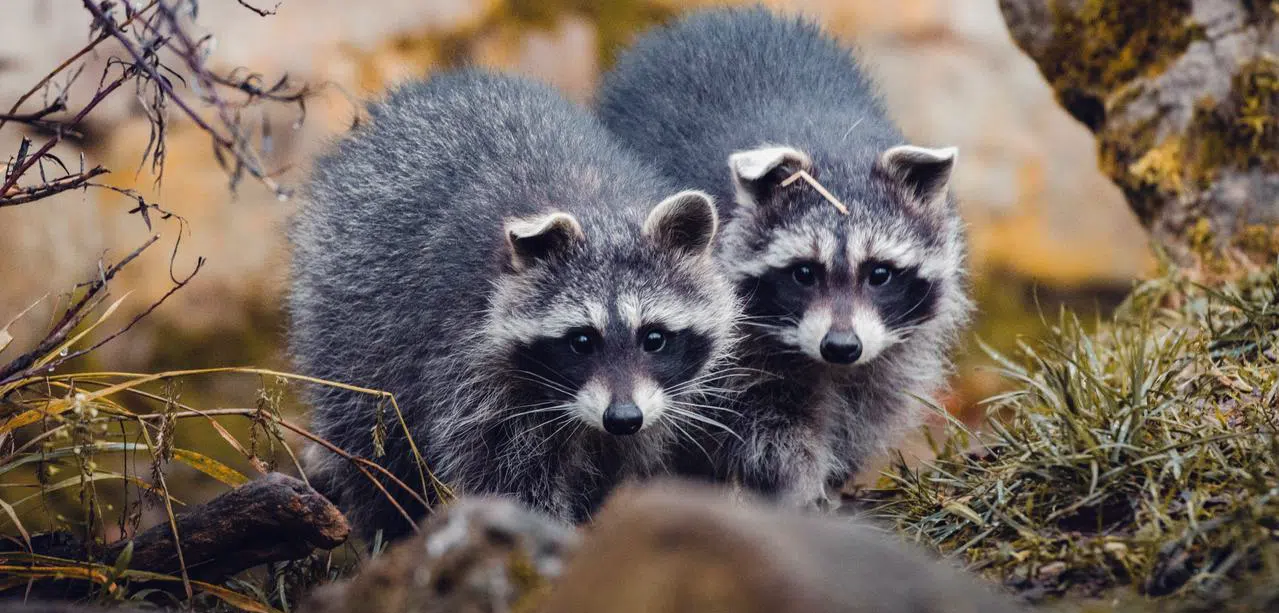
Raccoons frequently create problems around homes, businesses, farms, commercial properties, and seasonal properties in the Greater Toronto Area (GTA). What a property owner does immediately after discovering raccoon activity can determine whether the problem remains temporary or develops into a recurring infestation.
We hope that these raccoon control tips will serve as a practical guide to help you choose a course of action. Without further ado, let's dive into 5 dos and 5 don'ts when it comes to nuisance raccoon control:
5 Dos of Raccoon Control for Preventing Raccoon Infestation
1. Do Inspect Your Entire Property for Potential Raccoon Access
The very first and arguably most important step is to assess your property for any vulnerabilities, for potential or existing points of entry that raccoons could exploit. This type of inspection should take place in the spring and fall and include checking:
For larger GTA properties, it's important to not only inspect the main building, but also pay close attention to other structures on the premises. Other structures include sheds and outbuildings as well as out-of-commission machinery. All of these can end up housing raccoons.
2. Do Secure Outdoor Waste and Other Easily Accessible Attractants
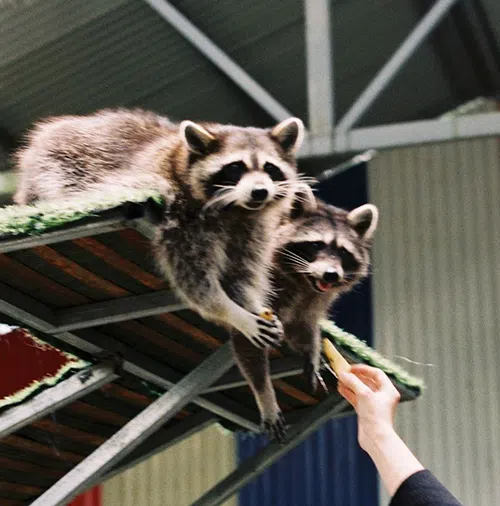
Raccoons have earned the nick name "trash panda" for a reason. They are super smart and determined critters, always on the lookout for an easy meal, and very industrious when it comes to opening garbage bins. Secure and/or remove the following:
- For homeowners:
- Garbage containers
- Compost
- Fallen fruit
- Outdoor pet food
- Food waste
- Bird feeders and baths
- For businesses:
- Dumpster areas
- Waste enclosures
- Restaurant-related waste
- Commercial garbage storage
The goal is to reduce the reasons for raccoons to repeatedly visit your property.
3. Do Protect Vulnerable Landscaping and Outdoor Features
To protect your investment and the curb appeal of your home, consider protecting ornamental landscape features with wires or low-level electric fence. This may apply to:
- Ornamental flower beds
- Decorative planters
- Ponds and water features
- Bird baths
- Outdoor landscaping
4. Do Address Building Repairs After Raccoon Removal
After raccoons are removed from your property, it's important to make sure that the entry points are fixed. This includes:
- Repairing damaged soffits
- Reinforcing vents
- Securing roof openings
- Closing gaps around structures
- Installing wildlife-resistant barriers where appropriate
Wildlife removal addresses the animal; exclusion addresses the access point to prevent reinfestation.
5. Do Call a Professional When Raccoon Activity Becomes Established
Once raccoons have moved into your property, professional raccoon removal can offer long-term relief and save you money by limiting necessary repairs and repeat infestations. Consider consulting a professional when:
- An active den is suspected.
- Kits may be present.
- Raccoons have entered a building.
- DIY prevention has not stopped repeated activity.
- Multiple structures are affected.
- Property owners are unsure whether an animal has left before making repairs.
Wildlife professionals can assess the situation and determine whether exclusion, one-way doors, trapping/relocation, or permanent raccoon removal is suitable.
5 Don'ts of Raccoon Control for Home and Businesses
1. Don't Seal a Raccoon Entry Point Before Confirming the Animal Is Out
It is important to seal entry points AFTER the animals are removed. Premature exclusion may trap animals inside and compound the damages. Here are some considerations:
- A hole in a roof, soffit, chimney, shed, or other structure may already be occupied.
- Sealing it immediately can trap a raccoon inside.
- The situation becomes particularly complicated when a mother and kits are present.
- Property owners should have questionable openings assessed before permanently closing them.
Don't assume the area behind an opening is vacant simply because you don't currently see a raccoon.
2. Don't Attempt to Trap and Relocate a Raccoon Yourself
- Raccoon trapping requires knowledge of wildlife behaviour and applicable regulations.
- A trapped raccoon can become highly stressed or defensive.
- Relocation is not as simple as releasing an animal somewhere else.
- Property owners may not understand the legal requirements or restrictions involved.
A qualified wildlife professional like Hawkeye Bird & Animal Control can offer solutions and results beyond trapping and relocation.
3. Don't Separate Raccoon Mothers From Their Kits
Baby raccoons (kits) may be hidden inside attics, walls, chimneys, tree cavities, sheds, or other denning locations. You may need a professional with special equipment to locate a hidden maternity den.
Removing the mother but not all of her offspring, will cause her tremendous distress and she will likely cause a great deal more damage trying to get back to her young. If her attempts were to fail, the kits left behind would be sentenced to death by starvation, leading to a host of other problems, including animal cruelty charges and fines.
4. Don't Rely on a Single Deterrent When Raccoons Have Established a Den
DIY methods and products or devices that are hailed as raccoon repellents have no long-term value. Raccoons are intelligent animals, so, while the use of deterrents may sometimes disrupt activity, it doesn't physically remove an established raccoon or secure its access point. A persistent raccoon will simply tolerate or work around temporary deterrents.
5. Don't Ignore Repeated Raccoon Activity After the First Visit
Seeing raccoons repeatedly around the same structure shouldn't be treated as isolated encounters; you are likely looking at repeat offenders using an established travel route, den, or access point. Continuing to wait can allow property damage or occupancy to progress.
Recurring activity warrants a professional assessment rather than repeatedly trying unsuccessful DIY deterrents.
Permanent Raccoon Removal for GTA Properties
Hawkeye Bird & Animal Control is the only company offering permanent raccoon removal for GTA properties. Hawkeye has the legal authority to trap and euthanize raccoons, allowing for a permanent removal approach rather than conventional relocation, which perpetuates the never-ending cycle of catch and release.
The objective is to prevent the same problem raccoon from returning, rather than simply moving it elsewhere. And, Hawkeye's results are GUARANTEED.
Call Hawkeye today to get rid of raccoons from your home or business in the Greater Toronto Area.
Hawkeye's raccoon removal services are available all across Southern Ontario, including Toronto, Scarborough, Brampton, Vaughan, Markham, Ajax, Pickering, Newmarket, Etobicoke, Oshawa, and Mississauga.
Related Articles:
https://www.hawkeye.ca/blog/raccoon-removal-for-gta-waste-transfer-stations
https://www.hawkeye.ca/blog/permanent-raccoon-removal-solutions-for-lawns
