CA
 US




permanent wildlife removal
-
Can You Get Rid of Raccoons Permanently?
Yes—permanent raccoon removal is possible when the goal is to eliminate the specific problem animal rather than repeatedly relying on a never-ending cycle of trapping and relocation.
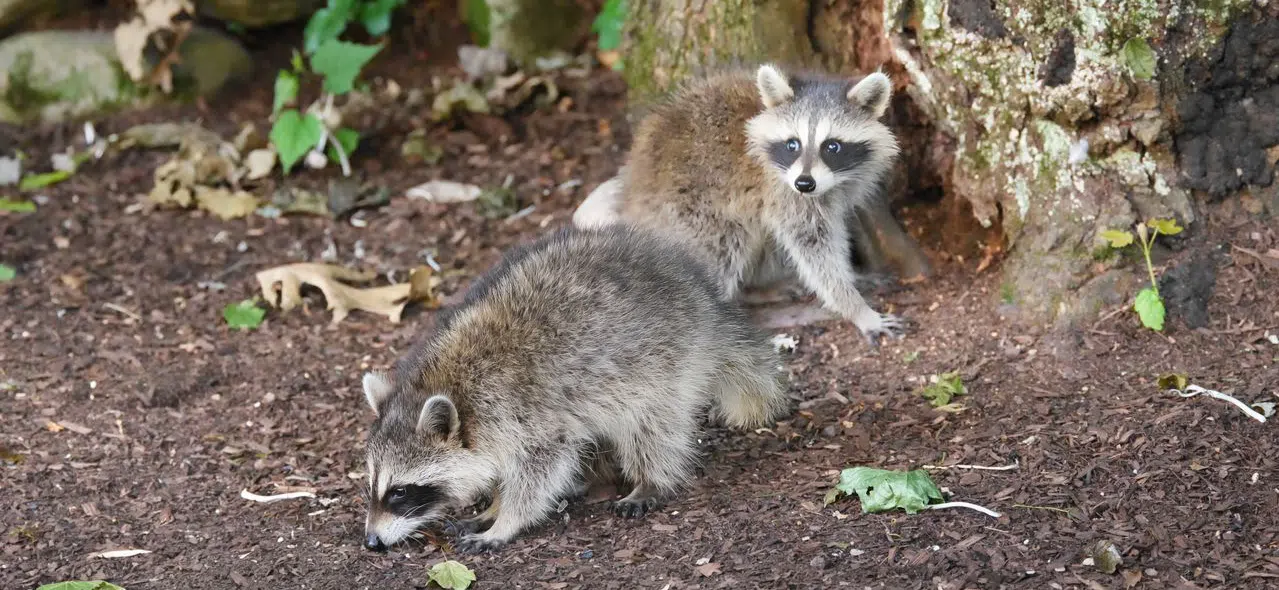
Raccoons almost always become repeat offenders once they establish access to a property. Repeated trapping, deterrence, or repairs can become an ongoing endeavor for home owners, compounding costs and damages.
The key is addressing the specific animal responsible for the recurring infestation rather than repeatedly restarting the same removal cycle. Hawkeye's Permanent Raccoon Removal service provides a specialized option for GTA property owners dealing with persistent raccoon problems. After a raccoon has been removed, appropriate exclusion and property repairs can then help reduce the likelihood of another raccoon taking advantage of the same access point.
-
How Do I Permanently Get Rid of Raccoons?
So you have a recurring raccoon problem? You are not alone. The trouble with most raccoon removal is the practice of trapping and releasing the animal within one kilometer of your home and that the animal will almost certainly return. In this article, we'll look at some habitat modifications you can make to help deter raccoons from making your home theirs, as well as how to get rid of raccoons once and for all.
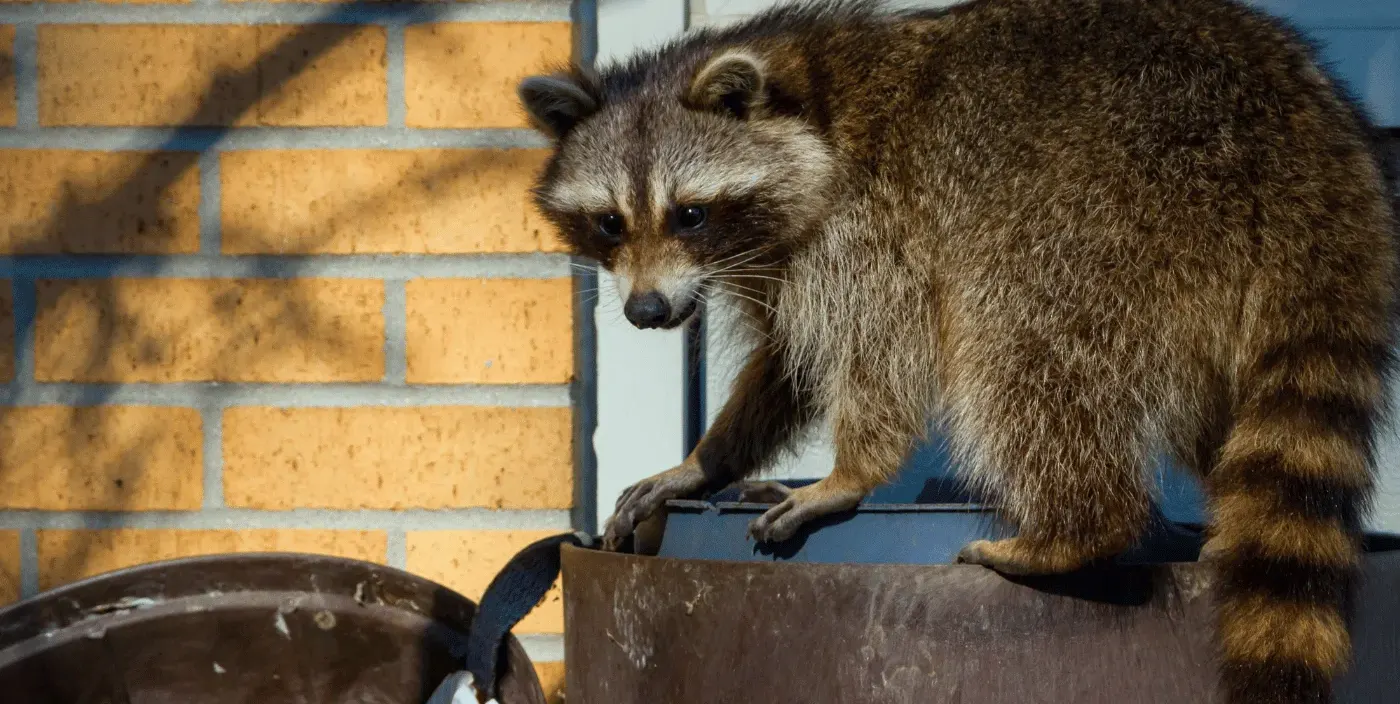
Raccoons are highly intelligent creatures and excel at adapting to changing circumstances and environments. That is why they are not only surviving, but actually thriving in urban centres such as Toronto, Mississauga, and Brampton. They also know a good thing when they see it; urban living makes for plenty of food with minimal effort in addition to some pretty posh spaces to make a home.
How Do You Get Rid of Raccoons?
Well, the general recommendations and practices all cite the following 3 methods:
- Trap and release within one kilometer of capture
- Minor habitat modification
- Exclusion to prevent entry into homes
While all of them have merit and will yield some positive results, none of them manage to address or solve the problem completely. Let's look at this in more detail:
Trap and Release Raccoons
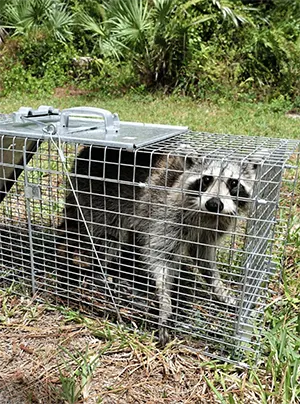 Live trapping a raccoon is really the only option you have as a home owner. MNR's Wildlife Regulations state that you must release the captured animal within a 1 kilometer radius of where it was caught. The main reasons for this are prevention of the spread of diseases and that animals transported farther away may end up attacked and/or starve due to having lost their territory. Trapping can also be tricky because most laymen aren't able to recognize a lactating female - potentially trapping a mum with babies left behind. This is something you'll want to avoid under any and all circumstances. Raccoon kits will be doomed to suffer a horrible death without the care of their mother. The other reason is to prevent the spread of disease.
Remember how raccoons are very smart and crafty? Yeah, no self respecting raccoon will be caught more than twice - and now you're dealing with a trap shy animal.
But, let's say you did trap a raccoon.. there's no danger of babies, the animal appears healthy and you are driving off 1/2 kilometer or so and release the little bugger. Well done. But darnit, you could swear you're seeing the same bandit rummaging around your trash bin 3 days later. Yep, probably. He has a fine sense of direction and THIS is his home. Your home. Now what? We'll come back to this.
Habitat Modification
This is fairly simple and inexpensive; it includes adjusting your habits as well as those of the raccoon. Some minor changes may include:
- Removing all outdoor pet food or water bowls
- Emptying bird baths at night
- Securing trash and compost bins (store indoors, if possible)
- Trim tree branches close to the house and roof
- Trim shrubs and bushes around the bottom, thus removing protective cover
- General yard cleanup - remove fallen fruit from your fruit trees, etc.
Raccoon Exclusion
Next up are exclusion methods. This includes anything from general maintenance, roof inspection, closing up of any openings or cracks, installing chimney caps to erecting a fence around your vegetable garden, and much more. When closing up any openings, use heavy duty wire mesh and make sure everything is flush. Raccoons display an extraordinary amount of dedication when it comes to gaining access to your home, are incredibly good with their 'hands', and surprisingly strong. Something we have found quite worth while is Electrical Shock Track along fences and/or roof lines. This can be hooked up to a solar unit and is strong enough to jar and frighten a raccoon, but not enough to hurt him.
-
How to Get Rid of Raccoons in Solar Panels
While you are diligently investing money into your commercial property and renewable energy, your solar installation might be multi-tasking as a warm and sheltered nesting spot for opportunistic raccoons.
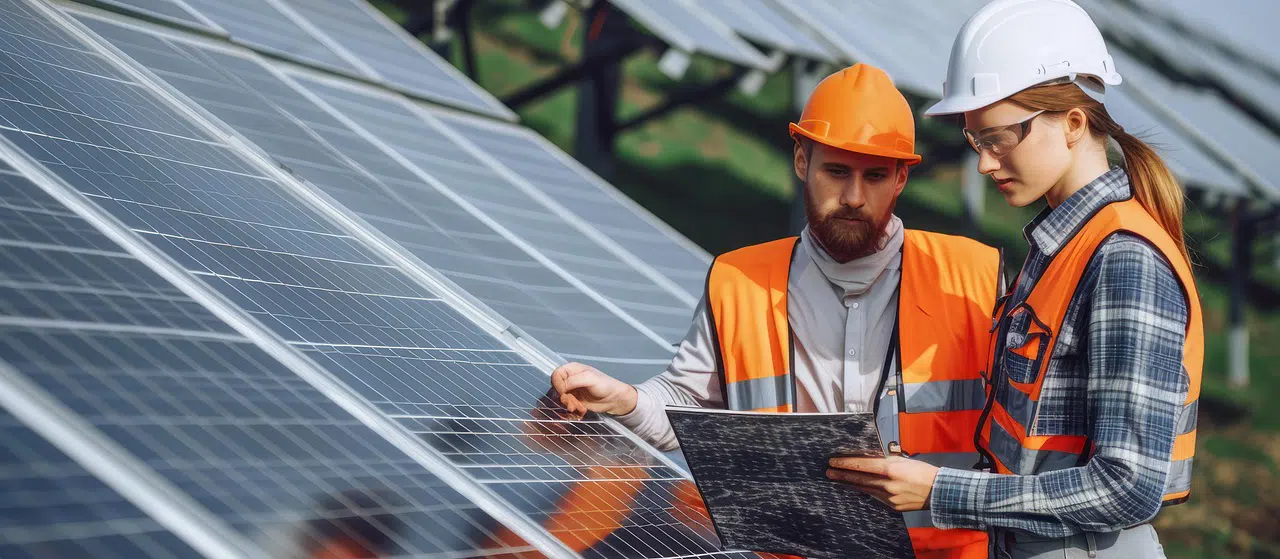
A steady increase in urban raccoon population is leading to business owners reporting more and more wildlife on roofs and under solar panels. This article will explore the reasons behind raccoon infestations under or around solar panels in both homes and commercial buildings in the GTA and what to do about them. When it comes to raccoon removal from solar panels, remember that there is only one company in Toronto and the GTA that offers a truly permanent solution - unlike trapping and relocating: Hawkeye Bird & Animal Control.
Why Do Solar Arrays Attract Raccoons?
The answer to this question is two-fold: Residential solar installations are usually mounted only 2-3 inches above the roof, so raccoons cannot fit under there. But, raccoons will still seek out solar arrays on sloped roofs to exploit the structural weakness created by the mounting brackets and to access the attic. On commercial roofs, solar arrays have a much larger gap between the roof and solar panels, so raccoons can actually use the space between as a shelter.
- The Thermal Advantage (Year-Round)
Solar panels act like a thermal blanket. They absorb massive amounts of sun/heat, and the space between the panel and the roof traps that heat, creating an ideal, insulated micro-climate critical for survival during freezing winter nights and extreme summer heat. - Safety and Seclusion
The tight space and height offer perfect protection from ground-dwelling predators and human disturbance, making it a preferred location for birthing and nesting. - Easy Access
Raccoons can use nearby trees, perimeter roof edges, or downspouts to gain access to the roof, then slide directly under the panels where they are completely hidden. - Proximity to Food Sources
Garbage bins, compost, bird feeders, and nearby gardens provide a tasty buffet for resourceful raccoons.
Types of Properties Affected by Raccoons
The problem of raccoons around solar panels becomes more pronounced during the colder months as animals seek warmth and protection from the elements.
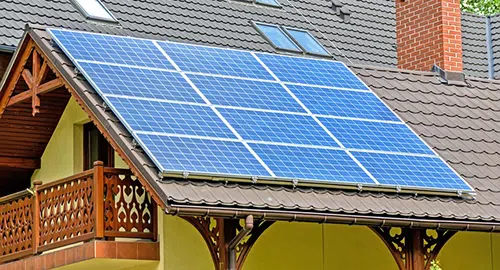 Residential Properties
- Detached homes and townhouses;
- Rural properties with solar panels;
- Raccoons seek to gain access to the attic through the roof and by exploiting potential weaknesses created by the solar panel mount.
Commercial & Industrial Properties
- Warehouses, factories, and retail stores with rooftop solar systems;
- Commercial buildings with large flat roofs are at greater risk due to panel quantity and hidden spaces;
- Raccoons will build nests (called dens) in the space between the solar panel and roof.
Signs of Raccoons Under or Around Solar Panels
- Scratching, thumping, or movement noises, particularly at night;
- Damaged wiring or insulation beneath panels;
- Feces and urine accumulation on rooftops;
- Visible claw marks on pipes or other access ways to the roof;
- Loose or shifted panels;
- Debris or nesting materials visible under panels or near gutters,
- Reduced solar efficiency due to wiring damage.
- The Thermal Advantage (Year-Round)
-
How to Keep Pest Birds and Animals Away From Halloween Decorations
Halloween decorations can create new perching, nesting, sheltering or feeding opportunities for pest birds such as pigeons, crows, gulls, etc. Some displays can also attract raccoons, squirrels, skunks, and other wildlife, particularly when food, pumpkins, or organic materials are involved.
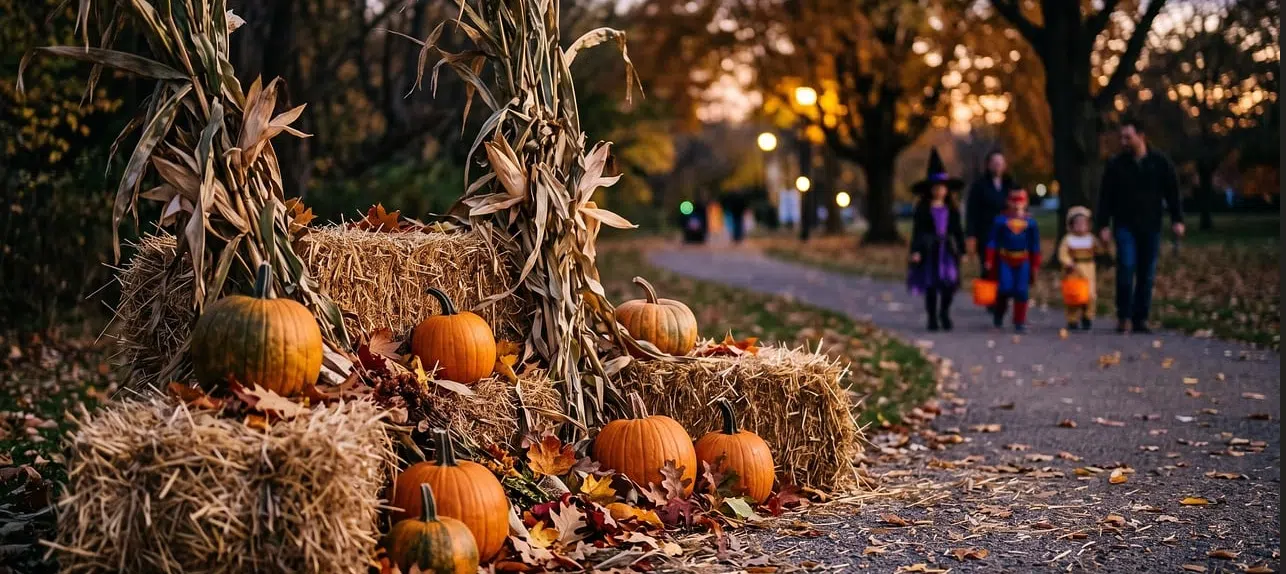
Read on to find out how you can protect your Halloween decorations from birds and reduce wildlife attractions around the property.
-
How to Permanently Remove Raccoons in Vaughan
Vaughan home and business owners alike are plagued by recurring raccoon invasions. Highly intelligent, adaptable, and resourceful animals, raccoons are excellent at gaining access to buildings and attics. Join us as we explore the best ways to get rid of raccoons permanently and prevent subsequent raccoon infestations in Vaughan and beyond.
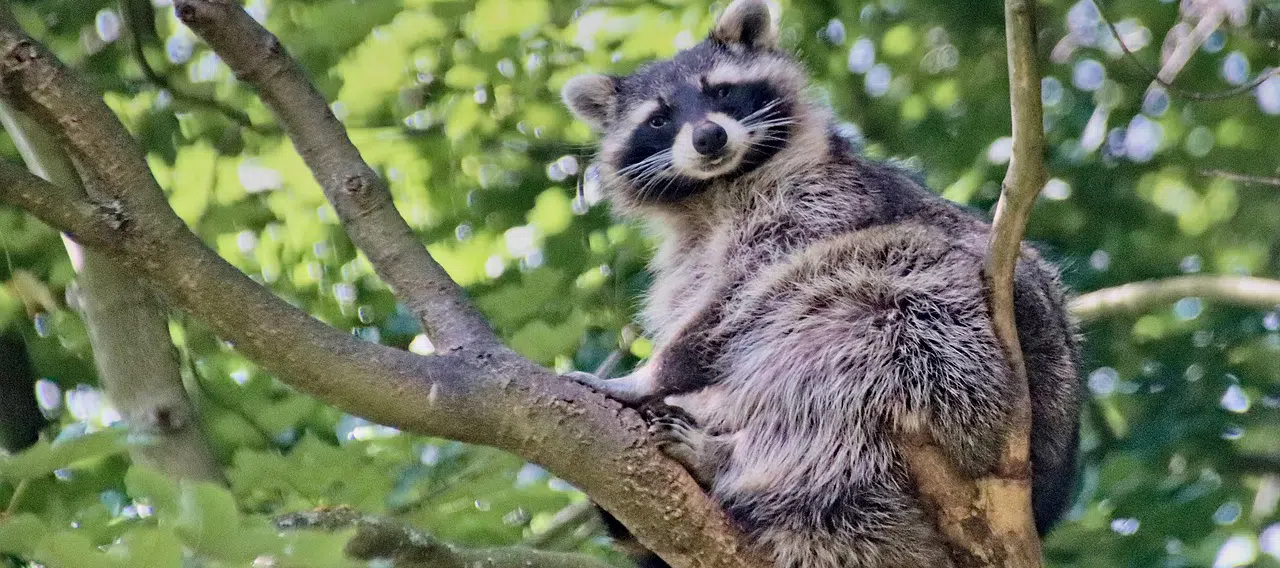
With raccoon mating season behind us and expectant moms looking for a safe place to birth and raise their offspring, right now is prime time for raccoon home invasions. And therefore, it is the busiest time for raccoon control and removal in Vaughan and surrounding communities.
Why Are There So Many Raccoons in Vaughan?
Well, the problem is two-fold. On one hand, the urban raccoon has plenty of food, even if it does require rummaging through trash bins. On the other hand, because of constant human presence, natural predators like coyotes or wolves will keep their distance. That means that more raccoon litters survive and mature to mating and breeding age... and so on.
Limitations of Traditional Raccoon Removal
Understand that once a raccoon has gained access to your attic, it will return. There's no question about it. And if that raccoon is a mother with kits in your attic, she will move mountains to get back to her babies. So, you will be stuck in a never ending loop of trapping the animal, releasing it, and plugging up and reinforcing wherever she managed to get in. Wash and repeat.
Live Trapping & Relocation
Raccoon trapping and relocation is a popular (and often the only) service offered by virtually all wildlife removal companies. Let's inspect what that looks like:
- Release within a 1km Radius
If a trapped raccoon is to be released, it must be within one km of the capture site. This is because dropping wildlife off far away from their home range would leave them disoriented, unable to secure food sources, competing for new territory, and just generally be in distress. It would also greatly increase the chance of disease spreading. - Repeat Offenders
A trapped and released raccoon will almost always return to where it was caught and to where it perceives 'home' to be. Often times, it will literally turn around and walk back. - Non-Professional Trapping
Just about anyone can purchase a trap, bait and set it, catch themselves a raccoon, then drive down the road and release it. This is considered to be humane. But, is it? Remember, above we talked about how distressed the animal is? How it may have to physically fight for space and food in a place where other wildlife is already established? And what about offspring? Have all the babies been caught together with their mother? Because, if not, those babies are left to starve to death.
DIY Repellents & Deterrents:
Raccoons are highly intelligent, curious, and resourceful. It won't take more than a day for them to figure out that a motion sensor light poses no danger. The same goes for sprinklers. Raccoons are actually very fond of water and likely will see sprinklers as an added bonus.
In terms of smells, there are some scents they do not care for, but those won't keep them away for long, either. Unless, the scent indicates danger. Here's where it gets interesting: The scent of a male raccoon (urine) WILL make a mother raccoon pack up her babes and move the family to a new location. That's because male raccoons will kill kits in order to mate with the mother again. Momma raccoon has zero interest in any proposed shenanigans with a male while she's tending to her offspring.
- Release within a 1km Radius
-
Raccoon Control and Removal for Shared Attic Spaces
Connected row houses, townhomes, and other attached GTA properties present a unique challenge by allowing raccoons to enter through one unit and potentially access connected structural spaces. This makes raccoon removal a multi-property issue.
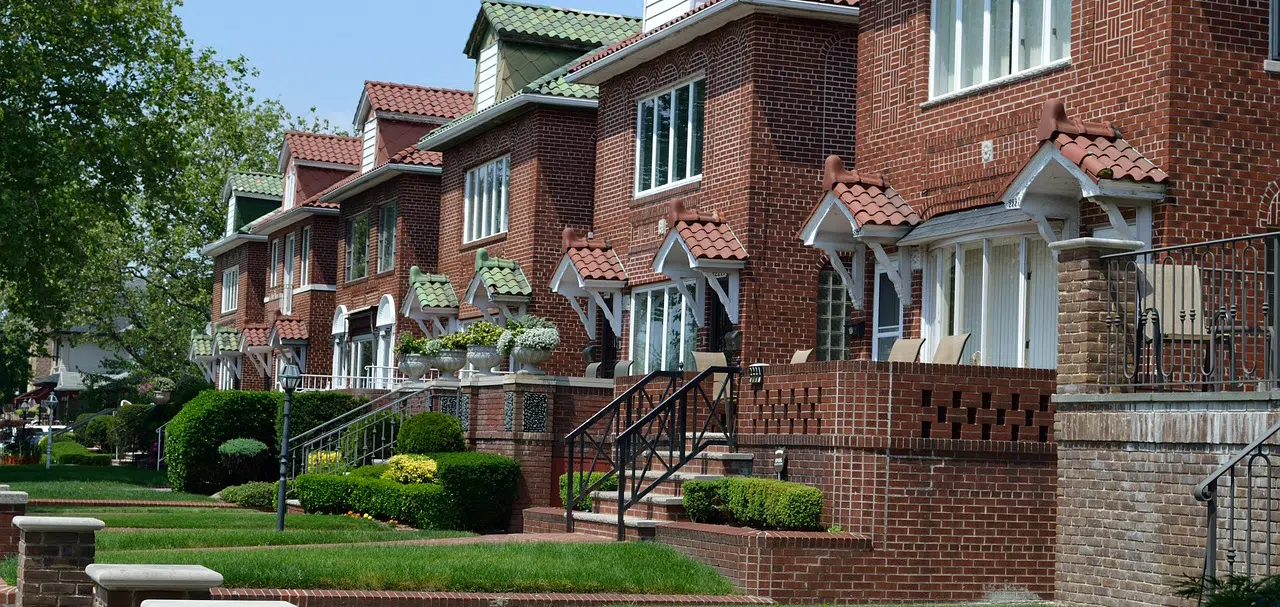
Connected rooflines, attic voids, soffits, wall cavities, or other structural connections allow movement between units and make both the detection and capture of animals more challenging.