 CA
CA US
US

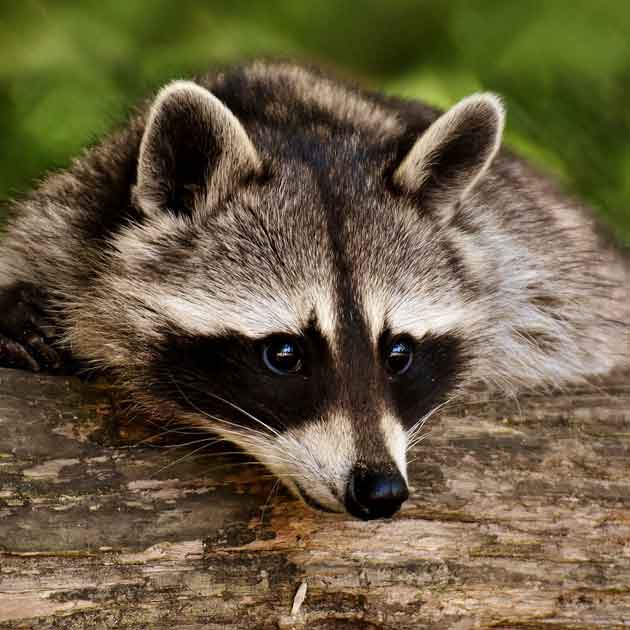



Raccoons are probably the most common nuisance wildlife species affecting GTA properties. After all, we don't call Toronto the raccoon capital of the world for nothing.
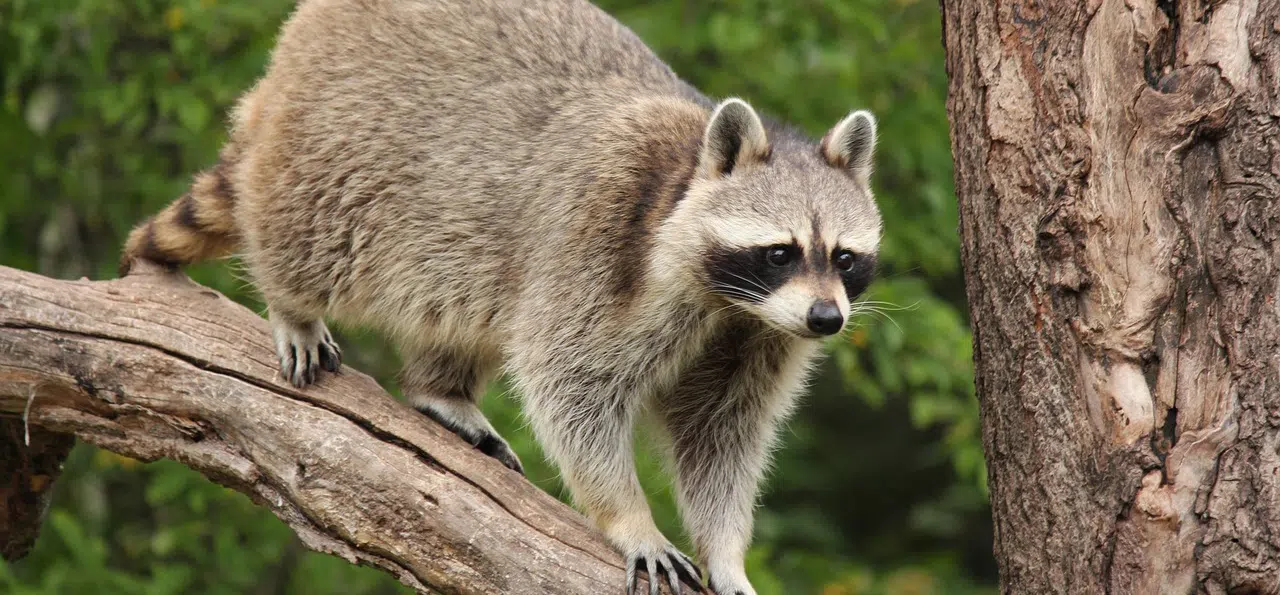
Residential, commercial, industrial, agricultural, municipal, and institutional properties can all experience the same recurring raccoon problems. Many property owners assume relocating a raccoon automatically solves the issue as this is common practice employed by most wildlife control companies.
In reality, long-term success depends on understanding raccoon behaviour, nesting activity, property vulnerabilities, and removing raccoons within legal restrictions. Read on to understand the differences between raccoon relocation and permanent raccoon removal.
Scope of Raccoon Infestations on GTA Properties
Your home and property may have been claimed as home territory by one or more raccoons, perhaps even a female raising her offspring.
How Raccoons Establish Territory Around Properties
- By exploiting available food sources
- By finding shelter opportunities
- By taking advantage of nearby bodies of water
- By determining your property is a safe nesting location
Why Raccoon Infestations Become a Recurring Problem
- Multi-generational use of den sites
- Re-using established travel routes
- Repeat access to buildings
- Seasonal breeding behaviour
Before deciding on a raccoon control strategy, it is important to understand how raccoon relocation works and address the issues at hand.
What Is Raccoon Relocation?
Racoon relocation involves first trapping the animal, and then releasing it in a different location.
Raccoon Relocation Laws and Restrictions in Ontario
n Ontario, all trapped wildlife MUST be released no farther than 1km from the capture site. This helps prevent the spread of disease and also protects the animal by not releasing it in a completely unfamiliar and possibly already inhabited by other raccoons ready to defend their territory. The only other option is euthanasia by a licensed professional.
- All wildlife management activities are governed by provincial regulations.
- Property owners need to understand applicable rules before taking action.
With raccoons regularly traveling up to 5km a day to forage, this also means that the animal almost always makes a U-turn and promptly returns to your property - its home.
Why DIY Raccoon Trapping Can Create Legal and Practical Problems
While home owners are permitted to trap intruding wildlife on their property, doing so can result in unforeseen difficulties or consequences, such as:
- Improper trapping methods
- Animal welfare concerns
- Safety risks
- Handling babies unintentionally
- Regulatory compliance issues
Why Professional Guidance Is Important for Raccoon Relocation
Wildlife situations often require site-specific assessments focused on access points, food availability, and damage control. Professional wildlife experts can help property owners understand the legal options and required permits to make an informed decision.
 When Raccoon Relocation May Be Considered
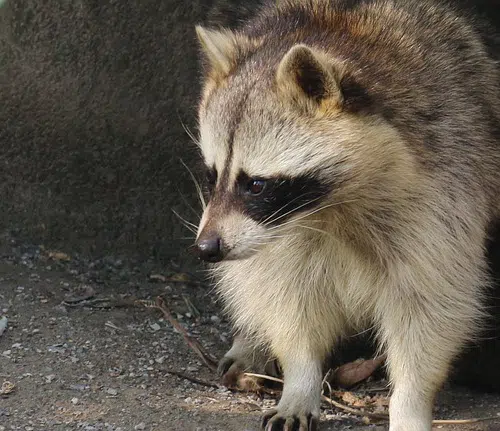
In general, we don't really advocate for raccoon relocation. Simply put, you most likely will end up catching and relocating the same animal(s) over and over again. Relocation may be a viable option only in very rare cases, such as when there’s isolated raccoon activity or clear signs that the presence of the raccoon is in very early stages.
Isolated Raccoon Activity
- Individual nuisance raccoons
- Limited property impact
- No established den
Early-Stage Raccoon Problems
- Temporary activity
- No nesting
- No structural occupation
It is very important that every situation is evaluated individually.
Limitations of Relocation for Long-Term Raccoon Control
Raccoons Have Strong Homing Instincts
Raccoons have very strong homing instincts. They usually keep a few different dens on their home range and rotate between them. Their home range often extends beyond 1km and provides them with:
- Familiarity with territory
- Established food sources
- Known shelter locations
Relocation Does Not Address Why the Raccoon Is There
- Food availability
- Building access points
- Nesting opportunities
Another Raccoon Quickly Replaces the Removed Animal
In densely populated areas such as the GTA, removing one raccoon often simply makes room for another to take its place and, once the relocated animal returns, two raccoons will now fight over the same territory.
- Vacant territories
- Available resources
- Ongoing attractants
Relocation Does Not Solve Building Vulnerabilities
For raccoon relocation to stand even the slightest chance of long-term success, it must be immediately followed by assessing, fixing, and/or removing all vulnerabilities that allowed raccoons to move in to begin with. This includes:
- Roof openings
- Attic access
- Soffit damage
- Utility penetrations
Raccoon relocation addresses the individual raccoons but not the conditions supporting the infestation. Learn more about raccoon-proofing your home »
Why Raccoon Nests Need Specialized Raccoon Removal
Typical raccoon nesting sites include attics, wall voids, chimneys, and sheds. The actual den location is often difficult to locate and access and potentially dangerous - a raccoon mother will aggressively defend her young.
Why Nest Removal Matters
If you end up with a raccoon den on your property, you may wonder if mother and kits won't just leave in a bit and that will be that. You wouldn't be entirely wrong. Yes, the little ones will be mobile and venturing out by mid to late summer. But, mother and juveniles will return in the fall to spend their first winter together. And now, your property is home to the mother and her daughters. Young males will head out on their own the following spring. So, you'll want to pay special attention to:
The Risks of Separating Mothers and Babies
The absolute worst outcome of dealing with raccoon removal and an active nursing den is to accidentally separate the mother from her kits. Here's why::
- The mother would be aggressive and in distress
- Your property would suffer additional damage from re-entry attempts by the mother raccoon
- The babies would die a horrifying death of starvation
- You would now have to deal with decaying animal carcasses
If you suspect an active raccoon den with kits on your property please consult a professional wildlife removal service.
Hawkeye’s Permanent Raccoon Removal Solution
In contrast to other GTA wildlife agents, Hawkeye Bird & Animal Control offers a raccoon removal solution that is focused on permanently ending the ongoing infestation affecting your property. Permanent, humane raccoon removal is designed to break the cycle of trapping and relocating by addressing the underlying causes of recurring raccoon activity.
How Our Solution Addresses the Entire Raccoon Infestation
- Removal of problem raccoons
- Identification of additional animals involved
- Handling of raccoon babies and nesting areas
- Removal of active nesting sites
- Property-specific risk assessment
- Long-term raccoon prevention planning
The objective is not simply moving a raccoon elsewhere but rather eliminating the active infestation affecting your property.
Which Raccoon Control Solution Is Right for Your Property?
Before deciding how to deal with your raccoon infestation or which solution may work best for you, consider that raccoon behaviour and access points differ by property type and that solutions should be tailored to your property and situation rather than using a one-size-fits-all approach.
Factors:
- Building design
- Access points
- Surrounding habitat
- Food sources
- History of previous infestations
Questions property owners should consider:
- Is the raccoon living on the property?
- Are babies or nesting areas present?
- Has the problem returned before?
- Are multiple raccoons involved?
- Is the property experiencing ongoing damage?
- Is long-term resolution the goal?
Contact Hawkeye for Effective, Long-Term Raccoon Removal
S
Successful long-term raccoon control in Toronto and the GTA requires professional raccoon removal that addresses nesting sites, attractants, property vulnerabilities, and recurring infestation patterns. For property owners dealing with ongoing raccoon problems, professional assessment is often the best starting point for determining the most effective solution and after-care.
Need help getting rid of raccoons on your GTA property?
Call us for raccoon relocation or permanent removal in southern Ontario, including Toronto , Scarborough , Brampton, Vaughan , Markham , Ajax , Pickering , Newmarket , Etobicoke , Oshawa , and Mississauga.
Related Articles:
https://www.hawkeye.ca/blog/raccoon-nest-or-den-removal-in-the-gta
