CA
CA US
US



raccoon prevention
-
8 Fun Facts About Raccoons
We talk so much about Raccons and the challenges they pose or the damage they do to homes and businesses. In this post, let's look at some fun or lesser known facts about raccoons!
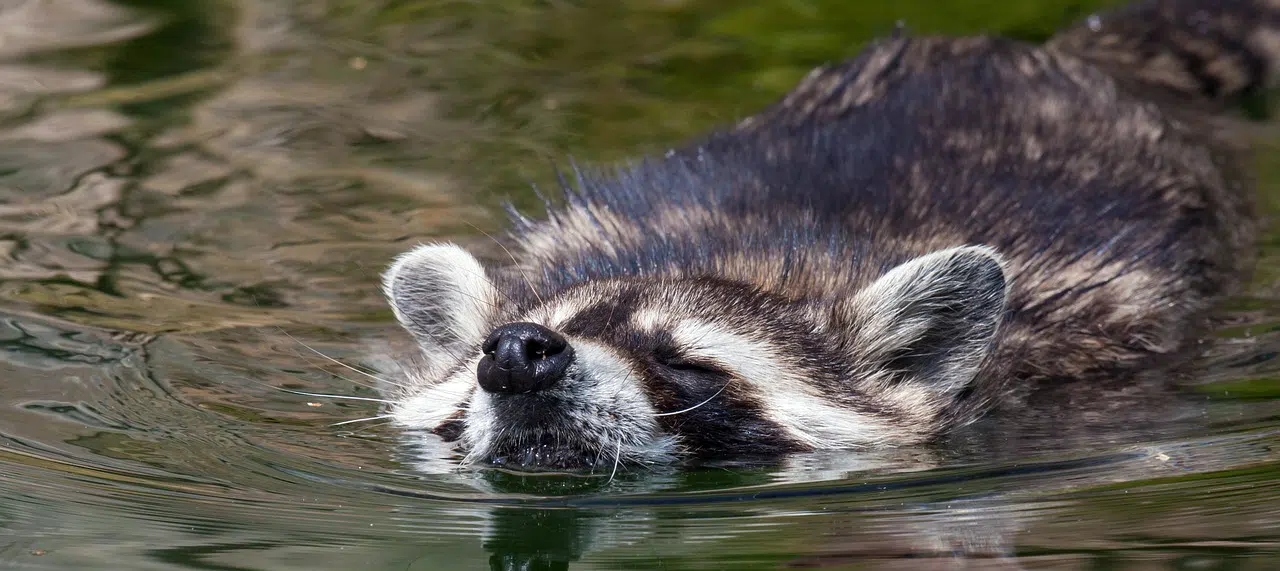
1. Raccoons Love Water!
In the wild, raccoons are most often found in wooded areas near water. Of course, all mammals require water to survive, but the clever raccoon has another use for water: Washing its food. By washing their upcoming meal, they obtain as much information about it as possible.
Do Raccoons Swim?
Indeed, they do! In fact, they are quite accomplished swimmers, able to swim for three to eight hours! While their body shape may not appear to be suited all that well for swimming, raccoons average a speed of 5km/h and can reach speeds of 25km/h (if motivated enough).
Can Raccoons Dive?
Also yes - extraordinarily well, even! Raccoons will dive underwater to escape predators or catch some fish as deep as 5 feet or 1.5 meters. A raccoon can hold its breath underwater for up to 15 minutes, which is pretty impressive for a land lubbing mammal.
2. Raccoons and their Incredible Sense of Touch
Raccoons are one of the few species in the animal kingdom who may use their sense of touch even more so than that of sight or smell when trying to identify their next meal.
What's so Special about Raccoon "Hands"?
A raccoon's "hands" or front paws are equipped with about four times more sensory receptors and stiff hairs at the tips of each front toe above the claw than its back paws. These hairs are called vibrissae and are similar to cats' whiskers - they allow the animal to identify an object even before making contact with its paw. The difference in front and back paw receptors is roughly the same ratio as that of human hands to feet. Although a raccoon front paw print looks much like a human hand print, they actually do not have opposing thumbs, but rather just 5 long fingers. That doesn't slow them down, though, or impede their ability to manipulate all sorts of objects (like your trash can lids). And, back to water - the sensitivity of their paws increases when wet.
3. Raccoons are Very Expressive
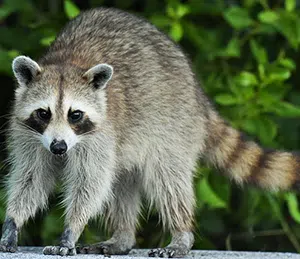 Nobody ever has accused raccoons of being quiet and unobtrusive. In fact, they are very vocal and communicate their current state of mind or emotion quite successfully.
What does a Happy Raccoon Look or Sound like?
A happy raccoon will look relaxed and you'll see a low, slightly wagging tail and ears that are upright and pointing forward. And, if you're close enough you may even be able to hear a purring or cooing sound.
What does a Frightened or Angry Raccoon Look or Sound like?
When a raccoon is scared or angry you'll notice a raised tail and pinned ears (think of a horse). It's body will look tense and there likely will be some hissing or growling.
Do Raccoons Play for Fun?
Yes, they do - especially the youngsters. Raccoons are highly intelligent and curious by nature and will check out an unfamiliar object - probably more to determine whether it's edible or not, but they've definitely been seen batting and chasing things around, not unlike cats.
-
Fall Raccoon Prevention Tips: Protect Your Home and Property
Fall preparation should happen before raccoons establish themselves in roofs, attics, sheds, garages, or other sheltered areas around your home. A late-summer property inspection can identify vulnerabilities while they are still relatively easy to address.
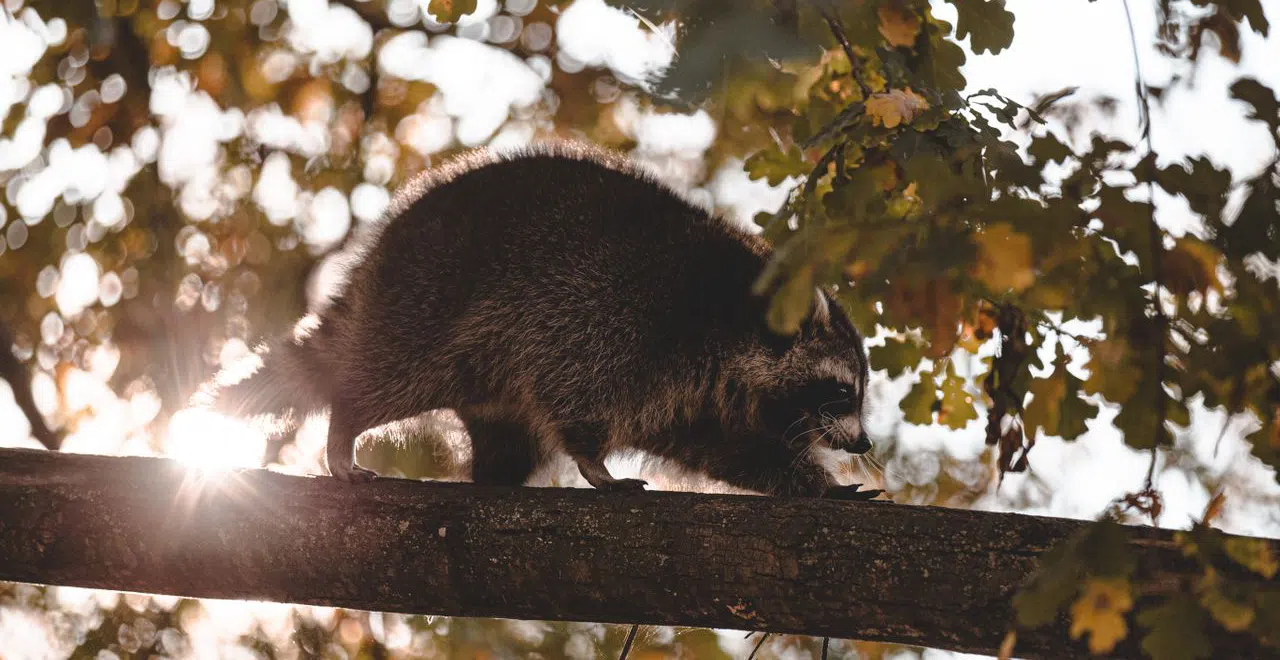
The goal of an inspection isn't to eliminate wildlife from the surrounding area, but to make the property harder for raccoons to enter, occupy, and repeatedly visit. This article will discuss what type of inspection is needed and what to pay attention to.
-
Get Rid of Raccoons around Etobicoke Medical Clinics
Unsanitary conditions are a problem in any scenario - but when it comes to medical facilities, they are downright dangerous and can even be life threatening. Etobicoke, like many areas across the GTA, has seen a stark increase in raccoon population and activity, and medical clinics and healthcare facilities are no exception.
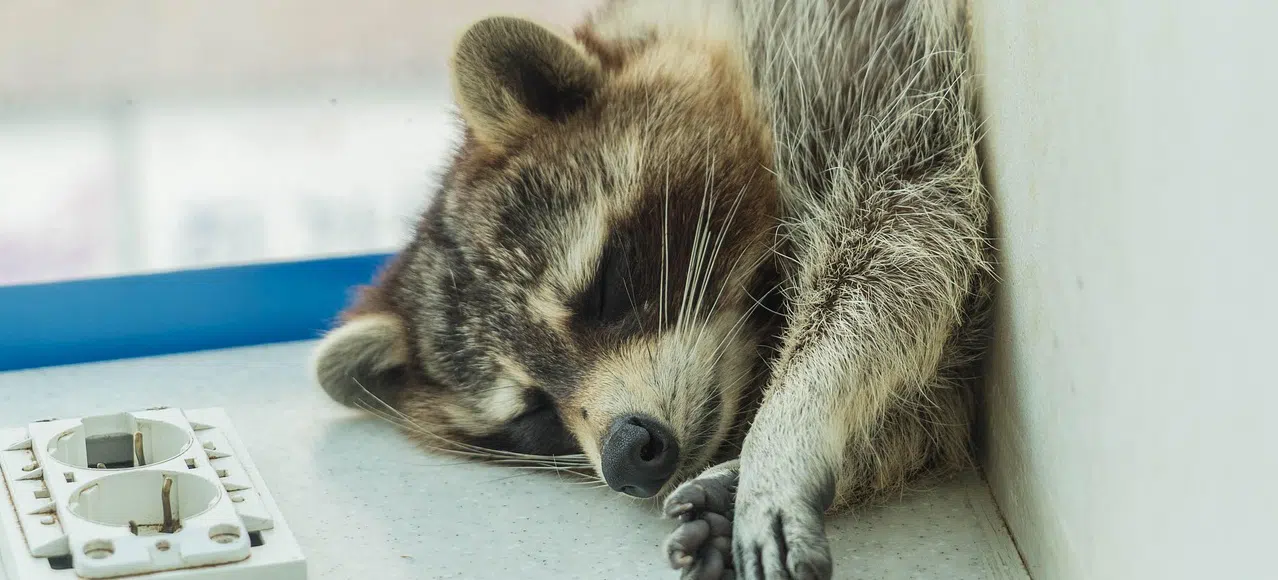
Sensitive environments like doctor's offices, health clinics, hospitals, or medical labs have to have zero tolerance for wildlife presence due to the extreme health, hygiene, and legal risks. The potential consequences of introducing pathogens in these places and around people with already compromised immune systems or general health are unthinkable.
Read on and learn how to get rid of raccoons around these and other facilities in Etobicoke - from simple trapping and releasing to permanent raccoon removal. Other Toronto area wildlife control services for healthcare buildings cannot offer the option of permanent removal - but Hawkeye Bird & Animal Control can and does.
Why Medical Clinics and Childcare Buildings Attract Raccoons
- Architecture
Medical buildings often feature older rooftops, ceiling tiles, or HVAC openings and offer easy entry points for raccoons and other wildlife; - Food Availability
Medical waste bins, food storage, and kitchen areas attract raccoons; - Human Traffic
Lower activity in the evenings and during weekends makes these buildings perfect for nesting; - Hidden Areas
Crawlspaces, attics, and drop ceilings offer warm, quiet nesting zones.
 Hidden Dangers of Raccoons in Healthcare Facilities
- Biohazard Concern
Raccoon feces contains Baylisascaris procyonis (roundworm), Leptospirosis, and other parasites, which can infect and greatly endanger immunocompromised patients; - Infection and Contamination
Hair, urine, and fleas easily contaminate sterile areas and equipment; - Chewed Medical Wiring
Raccoons can cause a lot of damage to healthcare facilities, including chewed wiring, which can impact patient monitoring or life-safety systems; - Disruption of Daily Operations
Noise and odor can interrupt clinical care and nap hours; - Regulatory or Legal Implications
The presence of raccoons leads to increased risk of public health inspections, fines, or temporary shutdowns.
What’s at Stake – Health, Compliance & Public Trust
- Public Health Ontario can shut down facilities if contamination or wildlife risk is observed;
- Patients may report facilities for unsafe conditions;
- Insurance rarely covers wildlife-related contamination or closures;
- Your reputation is at risk, especially in regulated industries where safety and cleanliness are mandatory.
Why Temporary Fixes Don’t Work in Regulated Facilities
- Architecture
-
Get Rid of Raccoons in Aurora Heights Homes Permanently
Areas in the Aurora Heights neighbourhood, including the St. John’s Sideroad and Bathurst intersection, offer a mix of mature trees and modern residential layouts, creating a perfect raccoon highway.
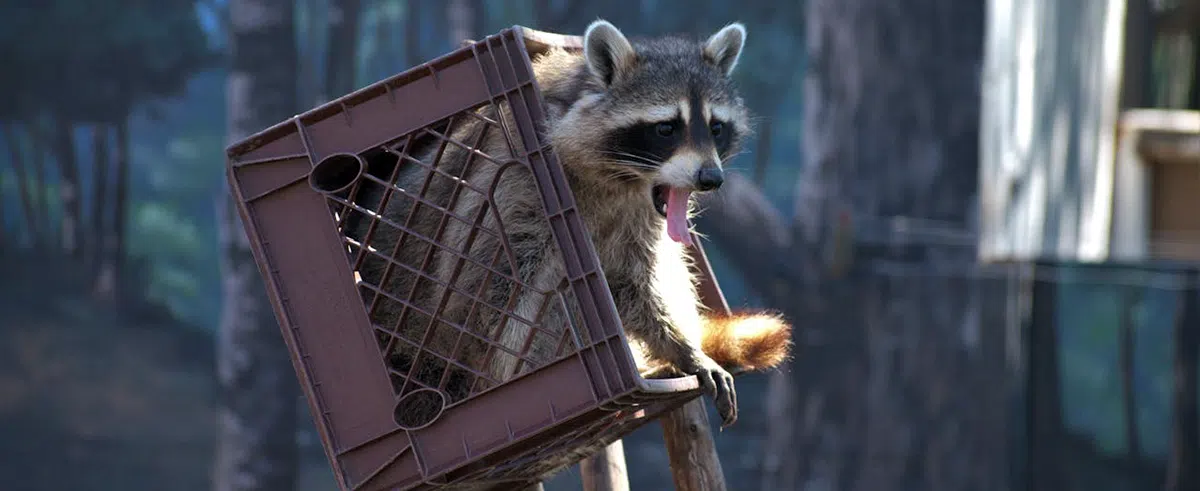
Raccoons seeking refuge in detached, semis, and townhouses can cause costly damage to shingles, soffits, and insulation in Aurora Heights homes. In this article we'll discuss Aurora area options for permanent raccoon removal versus the revolving door of standard DIY control or trapping and relocation.
-
How Do I Get Rid of Raccoons in My Tree?
How to Raccoon-Proof Trees in Your Yard or Garden
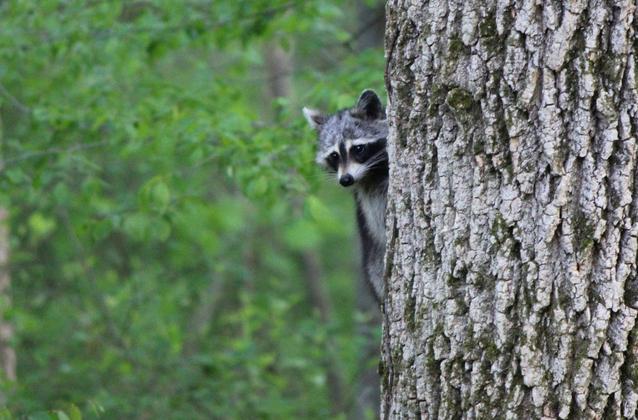 Raccoons are nocturnal creatures that like to sleep in dark, warm, and cozy spaces that are also close to a reliable food source, such as underneath porches and decks and inside sheds, garages, and attics.
When none of these options are available, raccoons will resort to a more natural den site: tree hollows. Being the smart creatures that they are, raccoons tend to prefer trees that are located on a residential property because this makes it easier for them to scavenge for food at night while also providing them with a safe location to raise their kits.
Unfortunately, raccoons are a nuisance for homeowners. They cause a lot of property damage, make a lot of noise at night and sometimes during the day, and they make communal latrines to relieve themselves on your property.
So, what can you do if you find a raccoon or raccoon nest in your tree? Keep reading to learn everything you need to know.
Hawkeye’s Raccoon Control and Prevention from Yards, Gardens, and Trees
Hawkeye Bird and Animal Control specialize in identifying and safely removing raccoon nests from residential and commercial properties. Our team of specially trained pest and wildlife handlers have the professional skill set to provide expert raccoon control and prevention methods in a safe and humane manner. We use the following raccoon removal and control techniques to get rid of raccoons in your yard, garden, and tree hole.
- One-way exit. We set up an intricate one-way exit path that allows raccoons to leave your property on their own schedule with minimal disturbance and no damage to your property.
- Hand-capture. In circumstances that require the raccoon to be removed immediately and when we can safely approach the creature, our team will carefully capture it by hand and place it in a secure transport container.
- Cage traps.This is the most common and socially acceptable method used to capture a raccoon in urban and semi-urban areas. It’s easy to use and perfectly safe for both the animal and the handler.
Why Is There a Raccoon in My Tree?
Raccoons are constantly looking for a safe, secure, and warm denning site that’s within close proximity to a reliable and easily accessible food source. It also has to provide excellent support and protection from external elements such as inclement weather conditions and predators.
Tree hollows—particularly fruit trees or trees located in a vegetable or fruit garden—are the ideal location for raccoons to nest with their nurseries. If you happen to have a large fruit tree on your property that also has one or two hollow spots, then don’t be surprised if you come across a raccoon infestation at some point. Raccoons are particularly attracted to sweet, fragrant foods. Ripe fruits such as apples, plums, apricots, peaches, mulberries, and cherries are all favourite food items for both adult and baby raccoons.
Not only do these foods satisfy their hunger, but they also provide excellent nutritional value for growing raccoon families. Initially, raccoons are attracted to fallen fruit from trees because they’re easy targets. Once the raccoons realize that they can nest inside the tree, however, it’s a lot harder to get rid of them, especially since raccoons are extremely skilled climbers.
Why Do Raccoons Make Nests in Trees?
There are several reasons raccoons make nests in trees. As mentioned, raccoons love a variety of fruits and fruit trees provide easy and consistent access to a reliable food source. Other reasons why raccoons nest in trees include:
- Tree hollows provide a warm and safe denning site;
- To shelter themselves from the elements and predators;
- Raccoons nest anywhere they can and often have multiple dens set up in various locations;
- Easy access to food.
How Do I Get Rid of Raccoons in My Tree?
The safest and most effective way to remove a raccoon or nursery of raccoons from your property is to contact an animal and wildlife control agency like Hawkeye Bird and Animal Control. We have all of the necessary training and credentials to safely remove raccoons from commercial and residential areas.
Don’t attempt to remove or capture the raccoon yourself, especially if they have babies. Adult raccoons will take this as a threat and go into automatic defence mode, which could result in serious injury for you and your loved ones, not to mention extensive property damage.
Plus, raccoons carry diseases such as rabies, canine distemper, infectious canine hepatitis, raccoon parvoviral enteritis, and pseudorabies—all of which are transmissible to humans. Getting bitten by a rabid raccoon will result in death nearly 100% of the time.
To minimize the risk of personal injury and extensive property damage, we recommend taking the following actions:
- Identify the raccoon-infested tree. Knowing which tree is infested with raccoons ahead of time will make it easier for our crew to do their jobs and map out a plan of action to safely remove the raccoons from your property.
- Clear the tree of raccoons. Once we have a plan in place, our trained wildlife handlers will carefully move in closer to the tree and coax the raccoons out using a variety of proven techniques. The objective is to quickly try to trap the raccoons before they can make a getaway. Some processes such as eliminating food sources in the tree and cutting off branches so they can’t climb up and down require a great deal of patience.
- Raccoon-proof your tree.This is more of a preventative measure that involves trimming tree branches, removing food sources, and sealing tree hollows, so that raccoons can’t nest inside.
Hawkeye’s Professional Raccoon Control Solutions
At Hawkeye Bird and Animal Control, we’re committed to providing high-quality and sustainable raccoon control, removal, and prevention solutions that are in full compliance with Ontario wildlife protection regulations. Our handlers receive ongoing and updated training in safely and humanely interacting with raccoons to ensure the animals’ well-being and ethical treatment. We are the only pest bird and animal/wildlife control company in the country designated “Certified Wildlife Control Professionals”.
To learn more about animal welfare compliance standards or to book our raccoon control and removal services, contact us today!
Why Hawkeye Birdd & Animal Control?
We GUARANTEE results. We offer PERMANENT solutions above and beyond what other companies can offer. Hawkeye is the ONLY pest bird and animal/wildlife control company in Canada designated "Certified Wildlife Control Professional" AND holding the following licenses:
- Trapping of Fur-Bearing Animals Permit: In contrast to all other companies, we can euthanize the bird or fur-bearing animal, thus guaranteeing it will not return.
- Falconry Permit: We use Birds of Prey (hawks, owls, falcons, eagles) to scare, chase, or remove in a natural and humane way.
- Pest ControlLicense: We can employ chemical solutions to certain problems. These methods include natural pesticides.
Now with 7 Locations ( 6 In Canada and 1 in the U.S), we are ready to serve you better in Acton, Toronto, Oshawa, Bowmanville, two locations in Mississauga and West Palm Beach in Florida.
Contact us todayif you need help with pest wildlife/animal control and/or pest animal removal.
Related Articles:
https://www.hawkeye.ca/blog/raccoon-infestation-in-apartments
https://www.hawkeye.ca/blog/raccoon-nest-or-den-removal-in-the-gta
https://www.hawkeye.ca/blog/how-to-prevent-and-control-raccoon-tree-nesting - One-way exit. We set up an intricate one-way exit path that allows raccoons to leave your property on their own schedule with minimal disturbance and no damage to your property.
-
How to Get Rid of Raccoons Around Lake Ontario Properties
Waterfront communities enjoy direct access to Lake Ontario, beautiful scenery, spectacular sunsets, and all of the activities a lake offers. But, as much as we humans enjoy hanging out by the water, so does the local wildlife population. That's why residents and businesses around Lake Ontario experience frequent wildlife interactions, with raccoons being among the most persistent nuisance animals affecting shoreline properties.
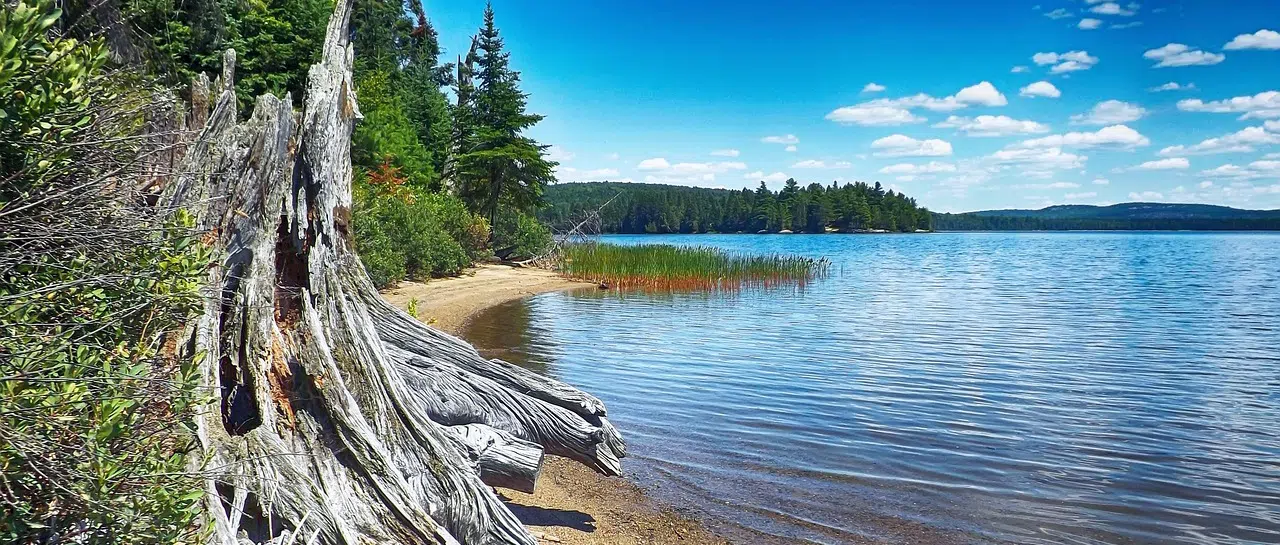
Unlike many suburban raccoon infestation sites, Lake Ontario properties often present unique environmental and structural challenges that can make raccoon removal complicated. Although every property is unique (and warrants a unique raccoon control approach), communities such as the Toronto waterfront, Mississauga, Oakville, Burlington, Hamilton (lakefront areas), Oshawa, Whitby, Ajax, or Pickering often face similar raccoon management challenges due to their proximity to shoreline habitats.
-
How to Get Rid of Raccoons From Toronto Fish Farms and Ponds
Why would you want to get rid of raccoons from fish farms and ponds? Don't they just rummage through trash bins? It's a lesser known fact that raccoons are highly skilled, seafood-loving predators that can devastate fish farms, public fishing areas, and private koi ponds.

Water in general plays a big role in raccoon life - and water containing aquatic life like fish, frogs, crustaceans and other delicacies is even better. Raccoons are intelligent, practical creatures and a well stocked fish farm or koi pond makes for easy hunting. Raccoon damage in this environment ranges from financial losses (loss of fish and productivity) to ecological challenges (water contamination).
Hawkeye Bird & Animal Control is in a unique position to offer the only permanent and guaranteed raccoon removal service in the GTA.
Why Raccoons Pose a Serious Threat to Fisheries and Ponds
A healthy raccoon will easily consume half a pound to a pound of food per day. This increases to several pounds a day during autumn as they prepare for winter. A high-protein food source like fish is highly sought after. Visit https://www.hawkeye.ca/blog/what-do-raccoons-eat to learn more about raccoon diet.
Commercial Fish Farms (Aquaculture)
-
Raccoons raid stocked tanks and ponds, killing or injuring fish.
-
They damage pond liners and nets while foraging. Learn more about raccoon damager here: https://www.hawkeye.ca/blog/raccoon-damage.
-
Spread of diseases and parasites into aquaculture systems.
Public Fishing Areas (Rivers, Lakes, Stocked Ponds)
-
Overfishing by raccoons disrupts fish populations.
-
Contamination of water with droppings creates health risks for humans and aquatic lifeforms.
-
Aggressive encounters with people during night fishing or early morning use.
Private Koi Ponds (Homeowners)
-
Expensive ornamental fish (koi, goldfish) are easy prey.
-
Raccoons often injure multiple fish even if not eating them.
-
Homeowners may notice footprints, torn plants, or missing fish overnight.
 Raccoon Behaviour Around Water Bodies
Raccoons adore water. To drink, to hunt in, to swim in, and to wash their food in. Your fish farm or backyard pond is a raccoon's dream-come-true.
-
Raccoons are nocturnal and patient hunters → easily bypass scare tactics.
-
Highly dexterous → can remove simple covers, nets, or lids.
-
Adaptable → get used to motion lights, noise deterrents, or sprinklers quickly.
-
Strong swimmers and climbers → easy access even to fenced areas.
-
Territorial → once they identify a pond/fishery as a food source, they’ll return repeatedly.
Problems of Standard Raccoon Relocation Laws in Canada
Trapping of wildlife is legal in Ontario. But, as a homeowner or business owner you must release the animal within on kilometre of the capture site. There are good reasons for that but it also means that you are likely going to get stuck in this catch and release cycle.
-
Current regulation: trapped raccoons must be released within 1 km of the capture site.
-
Studies show that the majority of relocated raccoons return or another raccoon takes over the vacated territory.
-
This leads to a cycle of ongoing losses for fish farms and pond owners.
-
Stress and injury to raccoons during and after relocation often make it an ineffective and inhumane solution.
-
Hawkeye is licensed to trap and humanely euthanize, breaking the cycle and guaranteeing permanent removal.
-
-
How to Get Rid of Raccoons in Heart Lake Estates, Brampton
Heart Lake Conservation area with its sprawling green spaces and ravines is home to many wildlife species, including raccoons. They are persistent, territorial and destructive animals that can breach your roof and enter your attic in no time at all. If you lay eyes on one raccoon, your Brampton property is at risk.
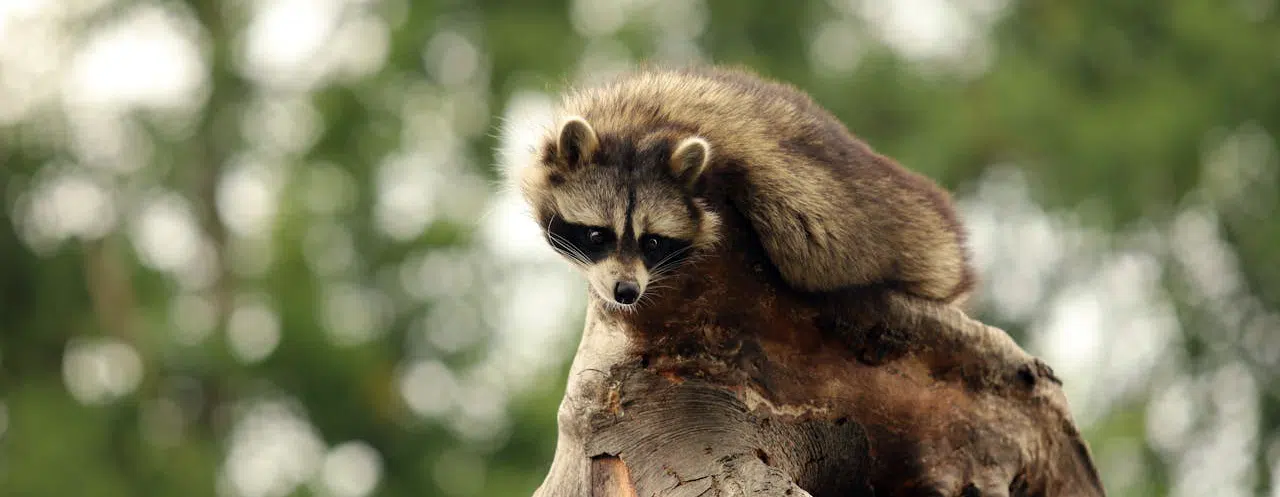
Typical raccoon trapping and relocating procedures result in the animals returning repeatedly and compounding damages to your home. The most effective professional raccoon removal in Brampton requires more than trapping alone—it requires identifying entry points, removing denning animals, and preventing re-entry—and provides the option of permanent removal.
-
How to Get Rid of Raccoons in Turf Golf Courses
The golf course is a wonderful place to enjoy and relax - unfortunately, raccoons agree. Especially when we freely offer access to water, shelter, and often food as well. What's not to love?
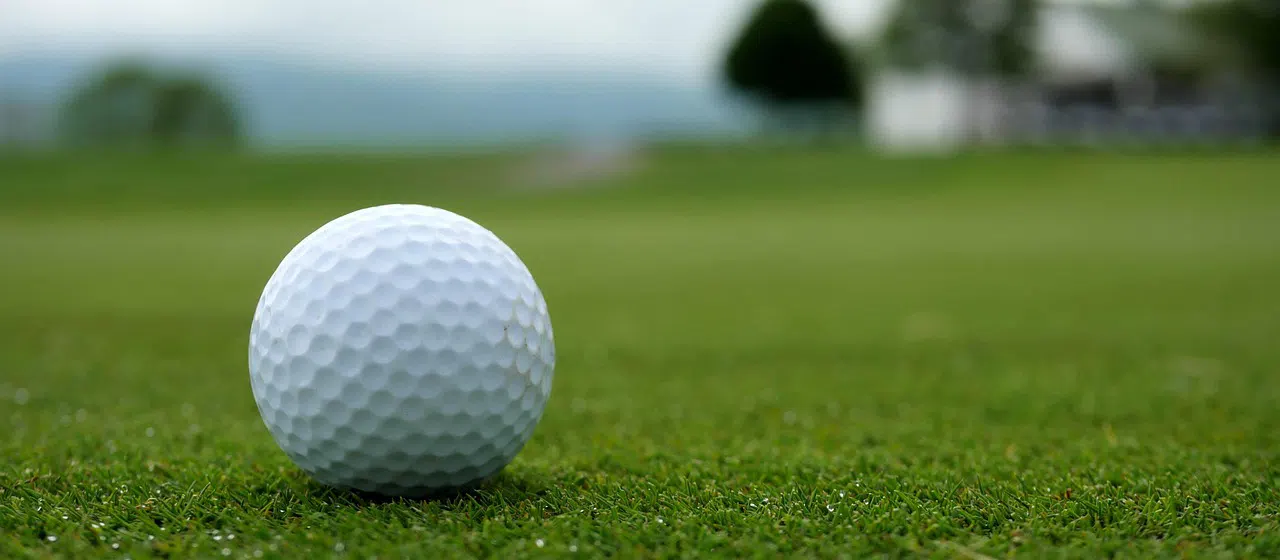
If you manage a golf course in the GTA you won't be terribly pleased with the damages to turf, sand bunkers, and the overall landscaping destruction in the wake of a raccoon invasion. Your best option will be to seek the expertise of a wildlife professional for humane long-term raccoon removal solutions.
Why Do Raccoons Target Golf Courses?
Raccoons are intelligent and adventurous night dwellers. A well-designed and well-maintained golf course checks all the boxes for an animal that prefers a quick and easy meal and plenty of ready-made shelter opportunity.
-
Abundant Food Sources: Golf courses offer grubs, worms, garbage bins, and outdoor dining areas.
-
Shelter Opportunities: Clubhouse attics, maintenance sheds, underground drainage, and nearby wood offer perfect shelter and den space.
-
Water Sources: Ponds, lakes, fountains and irrigation systems can easily be used and exploited by raccoons.
-
Low Nighttime Activity: Raccoons thrive at night when golf courses are empty.
Common Entry Points Raccoons Use in Golf Courses
Identifying where exactly raccoons enter the golf course and which routes they travel will help plan effective exclusion strategies. Here are some areas to be aware of:
-
Structural: Clubhouse attics, roof vents, crawl spaces, and maintenance sheds are accessed by exploiting structually weak points in the roof or facade. It's quite amazing how small an opening can allow a raccoon to enter a building.
-
Ground-Level: Storm drains, culverts, and irrigation systems are popular hangouts and access points for raccoons.
-
Natural Cover: Tree lines, the wooded edges of fairways, and tall shrubs near ponds provide perfect cover.
Common Signs of Raccoon Activity on Golf Courses
If raccoons have already invaded your golf course, there’ll be signs:
-
Torn-up sod and turf patches from digging for grubs;
-
Overturned trash bins from and food scraps or garbage scattered near clubhouses;
-
Paw prints and droppings near water hazards or sand traps;
-
Shredded insulation, exposed wiring, or rripped open oof vents.
Any of the above signs must not be ignored. Now is the time to intervene to minimize long-term damages.
Risks of Ignoring Raccoon Infestations in Golf Courses
If you ignore the presence of raccoons on the golf course or in clubhouse areas, you’ll face several risks:
-
Turf Management Costs: Replacing or repairing grass repeatedly.
-
Health & Safety Risks: Rabies, leptospirosis, or roundworm that is present in raccoon droppings.
-
Liability Issues: Club members, guests, or staff encountering aggressive raccoons if wandering too close to a den with raccoon kits.
-
Attraction of Other Wildlife: Open trash areas are attractive to skunks and foxes as well. The presence of raccoons may also invite larger predators like coyotes.
What if Golfers Encounter a Raccoon on the Course?
If golfers encounter a raccoon on the course, here’s what they should do:
-
Stay calm and do not approach.
-
Avoid offering food or trying to scare it away aggressively.
-
Alert staff immediately so the sighting can be documented.
-
If the raccoon appears sick, injured, or unusually bold (possible rabies), golfers should keep distance and call for staff support right away.
Raccoon Safety Measures for Staff Members
Golf course staff members should always take precautions when dealing with raccoons and their aftermath:
- Always wear gloves and protective gear when cleaning areas with raccoon droppings.
- Use proper disinfectants to reduce parasite and bacteria risks.
- Never attempt bare-handed raccoon trapping or handling.
- Train maintenance crews to recognize signs of raccoon latrines, which carry high health risks.
- Establish a reporting protocol for raccoon sightings or damage.
How to Get Rid of Raccoons on Golf Courses
Because the environment of a golf course offers so many advantages to wildlife and cannot be altered, raccoon removal is the only way to get rid off raccoons. But, once the raccoons are removed, it is important to then work on making the environment less inviting for other animals.
Conduct a Professional Site Assessment
Bringing in a professional wildlife control team is the best way to evaluate the problem. It's important to evaluate turf areas, water sources, garbage management, and structural entry points to see where raccoons might be gaining access and what might need to be modified. Also, installing and using tracking and motion cameras can give you and the professionals you hire a better picture of what’s happening on the property at night in terms of raccoon behaviour.
Habitat Modification
Again, there's not a whole lot of landscape modification that wouldn't also take away from the purpose and enjoyment of a golf course. However, you should consider removing easily accessible food sources such as trash bins, or securing them with tight-fitting lids (you can even use bungee cords). You should also take steps to reduce natural food sources - consider eco-friendly turf treatments to address grub infestations.
Humane Removal Methods
When dealing with a raccoon problem on the golf course, trapping and relocation is generally the go-to method. However, the law only allows release of trapped wildlife within one kilometre of the capture site. The drawback of this is that raccoons will literally turn around and come right back. They have excellent homing instincts and regard the golf course as home.
Permanent raccoon removal entails the humane trapping of offending raccoons and licensed euthanasia. This is the only solution with a guarantee that the animal won't return.
Techniques for Raccoon Exclusion on Golf Courses
It’s crucial to not only remove raccoons from buildings and other structures around the golf course, but also to take steps to prevent them from getting back in:
- Install one-way exclusion doors for raccoons already inside structures.
- After the raccoons are removed, seal all structural deficits in maintenance sheds, vents, and crawl spaces.
Raccoon Deterrent Systems
There are some systems suggested to deter raccoons from frequenting the property, but these are mostly ineffective.
-
For example, motion-activated sprinklers or lights to discourage raccoons at night may work for a couple of days but raccoons are intelligent and learn to ignore them quickly.
-
Ultrasonic deterrents will also be ignored once raccoons realize that there is no physical threat.
-
Guard dogs might be effective at first, but they would have to patrol the golf course throughout the night. We’ll explore this option further below.
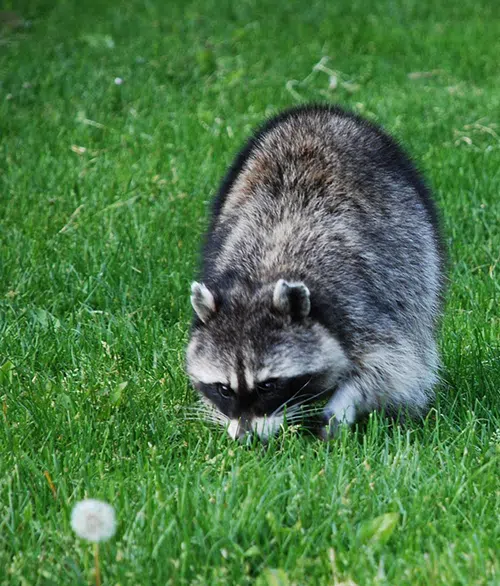 Protecting Golf Course Ponds from Raccoons
Raccoons are attracted to ponds for water and aquatic life. They may contaminate water with droppings, which can affect irrigation systems and pose significant health risks.
Pro Tips:
-
Reduce food attractants near pond edges (don’t let garbage or food waste accumulate).
-
Regularly test pond water for contamination if raccoons are active nearby.
Can Golf Courses Keep Trained Dogs to Scare Away Raccoons?
Some golf courses already employ trained dogs (commonly border collies or shepherd breeds) to manage geese, and a similar strategy can be considered for raccoons. This raccoon deterrent option has both benefits and limitations.
Benefits:
- Dogs act as a natural predator presence, discouraging raccoons from returning.
-
They can patrol turf areas at night when raccoon activity is highest.
-
Dogs can provides a humane, non-lethal method of control.
Limitations:
-
Professional training is required so that the dogs don’t harm wildlife but rather only scare them off
-
Canine night patrols need dedicated handlers or staff — not a “set and forget” method.
-
Because of the size of golf courses, you'll need a good number of dogs to make the area seem less appealing overall to pesky critters
-
Dogs may be less effective against raccoons that are highly habituated to human activity.
Best Practices:
If a golf course wants to employ this deterrent option effectively, there are some best practices to follow:
-
Use trained dogs as part of an integrated control program (not as the only solution).
-
Combine this strategy with exclusion, turf grub treatment, and secure waste management.
-
Always consider animal welfare and staff safety when implementing.
-
-
How to Keep Raccoons Away from Birdhouses and Bird Baths
Many property owners adorn their backyards with birdhouses and bird baths to attract songbirds and support local wildlife. Unfortunately, these common landscape features also tend to attract raccoons. Unlike bird feeders, birdhouses and bird baths draw raccoons for reasons other than food.
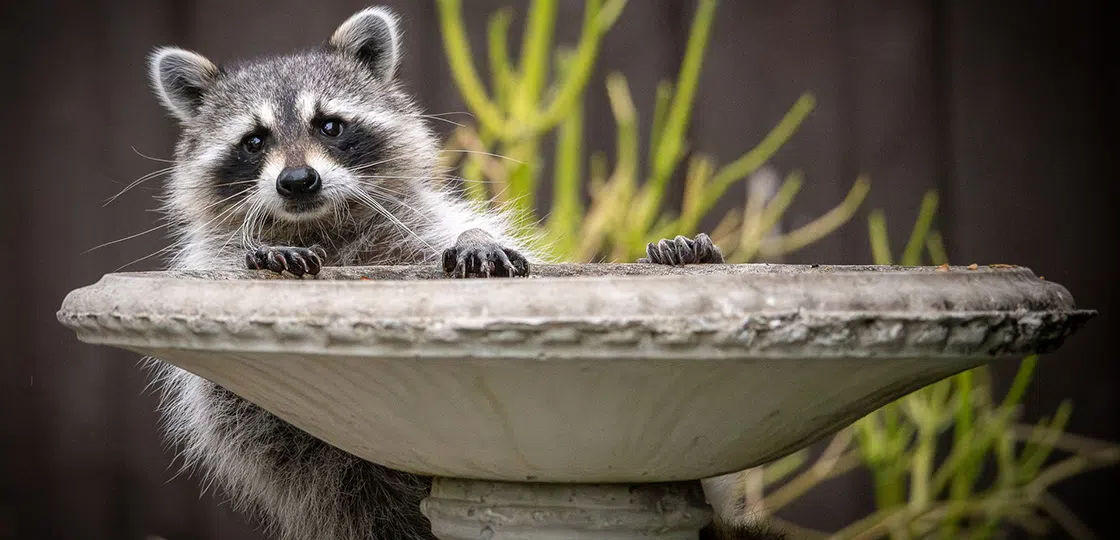
If you're wondering how to keep raccoons away while still attracting songbirds, understanding why they visit is the first step.
-
How to Prevent and Control Raccoon Tree Nesting
In addition to their environmental impact, mature trees are valuable landscape features on residential, commercial, municipal, institutional, and rural properties in the Greater Toronto Area (GTA). Trees also provide shelter to many species of local wildlife, including raccoons. Unfortunately, once a raccoon begins using a tree cavity as its nest, it may will likely return season after season and cause a great deal of damage to structures and landscape.

How you manag tree-nesting raccoons depends on when the problem is discovered. Inspecting your trees reguarly can prevent raccoons from moving in before it's too late.
-
Permanent Raccoon Removal Solutions for Lawns
Raccoons tearing up a new or well-kept lawn is a common and frustrating problem for urban and suburban property owners. Many people are shocked at the level of damage these seemingly cute animals can cause.
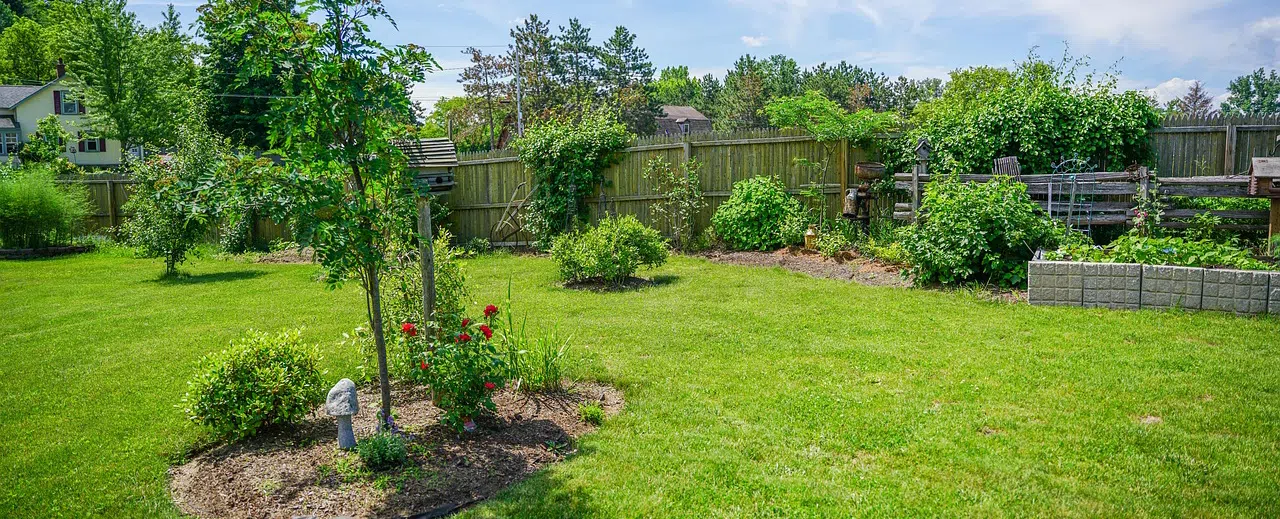
This is not just a nuisance but a recurring, expensive, and year-round problem. Thankfully, raccoon removal in Toronto and other areas of the GTA can solve the problem. This article will explain why raccoons target lawns, the signs of their activity, and a permanent, year-round solution to protect your property.
Hawkeye Bird & Animal Control is the licensed company in Canada offering permanent raccoon removal, unlike temporary deterrents or the endless cycle of trap and release.
Quick FAQs Related to Raccoon Control for Lawns
Q: How can I tell if lawn damage is from raccoons or skunks?
A: The most obvious sign of lawn damage will be the amount of damage in terms of area. Raccoons leave large sections of turf torn up or flipped over and widespread patches of exposed soil. Skunks typically leave behind numerous smaller, neat, cone-shaped holes dug in a search for grubs. Both have strong claws and can create a considerable mess, but raccoons use their claws in a ripping motion to pull up large chunks of grass, while skunks use their noses and claws to make many small, more precise holes.
Q: Why do raccoons dig up lawns?
A: The primary reason for tearing up lawns is to get at the grubs that live beneath the surface. Torn up patches of grass near fence lines or foundations can also be an attempt at burrowing under to get access to whatever lays on the other side.
Q: Do raccoons only damage new sod, or do they wreck established lawns, too?
A: While raccoons destroying new sod is a big problem, they can absolutely do a number on established lawns, too. In fact, well established backyards probably offer more variety in terms of grubs and bugs.
Q: Can I get rid of the grubs and raccoons at the same time?
A: Probably not, but reducing the number of grubs in your yard will help make the area less attractive to raccoons. Generally, grubs are only one reason why raccoons frequent your property. Waste bins, vegetable gardens, and orchards also play a big role.
Q: Can grub treatment alone solve raccoon lawn damage?
A: Again, simply reducing the number of grubs will likely not solve your raccoon problem. Removing other elements that attract raccoons and/or physically removing the animals is a much better strategy.
Q: Do raccoons carry diseases that can affect my lawn or garden?
A: Raccoon diseases and parasites pose a threat to your family and pets. Your lawns or gardens are not directly affected, but may help spread those diseases.
Q: Can raccoons damage artificial turf or golf course lawns?
A: Indeed, raccoons do plenty of damage on both artificial turf and on golf courses. The surface material or location really doesn't matter if tasty grubs live beneath. Check out our article on how to get rid of raccoons from golf courses.
Q: What’s the best way to protect a newly seeded lawn from raccoons?
A: Ideally, you would have applied a grub treatment even before laying down new sod or seed. And of course, you'll want to remove as many things as possible that may attract raccoons to your yard. Such things include pet food bowls, any standing water (including bird baths), trash cans, fallen fruit from trees, and more.
Q: Can raccoons ruin sprinkler systems or lawn irrigation while digging?
A: Yes, and actually, this is a fairly frequent occurrence.
Q: Do yard guards or ultrasonic devices really keep raccoons off lawns?
A: Repellents such as ultrasonic devices have very limited efficacy. Raccoons are intelligent, resourceful, and determined and quickly learn that ultrasonic devices pose no physical threat and can safely be ignored.
Q: Will getting a dog keep raccoons from tearing up my lawn?
A: A dog in your yard can help keep raccoons at bay in general. Keep in mind, though, that raccoons are mostly nocturnal and the scent of your dog alone may not be sufficient to stop raccoons from viewing your lawn as a buffet.
Q: Is it safe to be on my lawn with raccoons present?
A: It is unlikely that raccoons will dig up your lawn with you present. Again, raccoons are nocturnal and you probably won't be out there all night, but more importantly, all forms of wildlife (including raccoons) typically avoid human contact.
Q: When is the best time of year to fix this problem?
A: It's a good idea to start with grub treatment in May and June to kill newly hatched grubs but active infections will require you to apply multiple treatments all the way through the summer and fall.
Q: What is the typical cost for racoon removal for lawns?
Removing raccoons from lawns is no different than dealing with them anywhere else. The cost depends on how many raccoons have invaded your yard and how many visits from a wildlife removal technician it takes. You can learn more here: https://www.hawkeye.ca/blog/how-much-does-raccoon-removal-cost-in-toronto
Q: Do I need to be present for raccoon removal service?
A: In an outdoor situation such as your backyard, you do not necessarily need to be present when traps are set. You must, however, be available to check the traps daily and inform the wildlife technician immediately when an animal is in the trap.
Q: How long after raccoon removal should I wait before repairing my lawn?
A: You may repair damages to your lawn immediately once raccoons have been removed from your property. Keep in mind that a relocated raccoon will return with a high degree of certainty. Permanent raccoon removal is the only way to ensure the captured animal will not return.
-
Pre-Spring Raccoon Prevention Planning
The weeks leading up to spring are not "off-season" for raccoons - quite the opposite. It's mating season! While the GTA is still frozen, raccoons are at their most active briefly abandon their life of solitude. This is the time you might see groups of raccoons as males compete for mating partners and females begin scouting for maternity dens in short order.

Don't wait until you hear scratching in late March or April and find an established nursing den within your walls. Proactive planning before spring allows property owners to identify vulnerabilities before kits are born, saving thousands in repair and biohazard costs. Raccoon prevention before spring is far more effective and far less expensive than dealing with a maternity den in April.
-
Raccoon Control for Flower Pots and Landscape Plants
Decorative flower pots, planters, and ornamental landscaping add beauty and curb appeal to residential and commercial properties.

Unfortunately, raccoons and other local wildlife often disturb these areas even when they are not eating the plants. Damage can become particularly frustrating when newly replanted flowers and professionally maintained landscapes are disturbed repeatedly.
Understanding why raccoons target ornamental landscapes can help you choose which prevention methods to use and determine when professional raccoon removal is necessary. Moreover, if you are seeing raccoons digging in flower pots, planters, or landscaped beds, understanding what attracts them can help you address the underlying problem.
-
Raccoon Removal for Ajax Shoreline Sheds and Boathouses
The town of Ajax sports a fabulous scenic shoreline that invites both tourists and wildlife. Raccoons are attracted to dense natural cover, quiet backyards, and ready access to water and food.
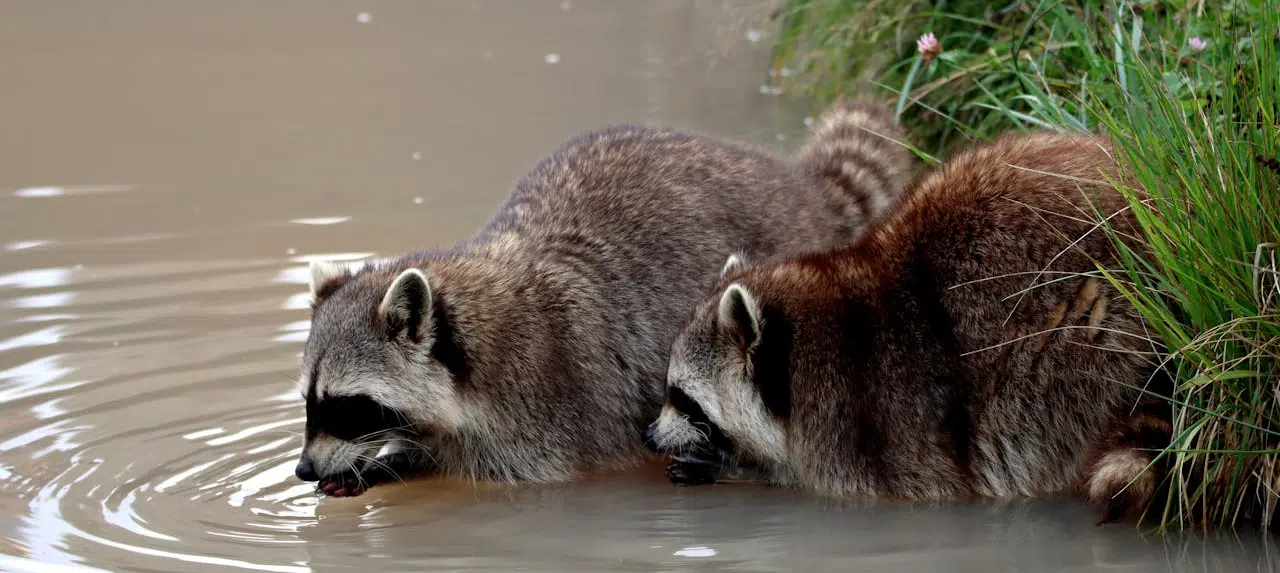
Many properties have sheds, boathouses, and storage units near the waterline, making them ideal nesting sites for raccoons, especially in spring. Raccoon activity in these zones can quickly escalate into serious structural and health issues if not addressed properly.
Why Raccoons Target Waterfront Sheds and Boathouses in Ajax
Proximity of Water
Raccoons are always attracted to water and structures near water - even more so than other wildlife. Raccoons are actually avid swimmers and have a tendency to "wash" their food before consuming it.
Easy Access
- Gaps under floorboards and skirting
- Loosely fitted doors or vents
- Wood rot or storm damage is common in lakeside buildings
Wildlife Corridors
Raccoons often follow Duffins Creek, Carruthers Creek, and shoreline tree lines as “wildlife corridors.”
Signs of Raccoons Living in Your Waterfront Shed or Boathouse
- Be on the lookout for daytime sightings, especially females during baby season;
- You may notice noises like scratching, growling, or thudding;
- Insulation or nesting material may be pulled out through cracks;
- Often, you'll notice a strong, musky odour of urine or feces;
- Pay attention to disturbed fish bait, pet food, or garbage in the structure.
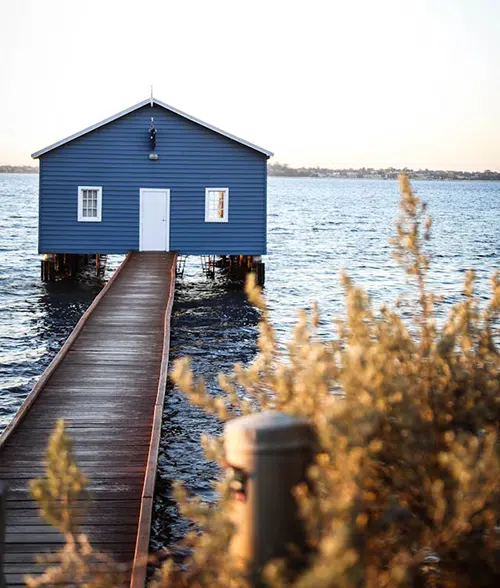 Challenges of Raccoon Removal from Boathouses and Waterfront Structures
Limited Accessibility
Crawlspaces or dockside supports are often too narrow for conventional traps or are submerged;
Trap-Shy Behaviour
Lakeside raccoons are more experienced due to frequent human contact and repeated trapping attempts. Learn more about trap-shy raccoons here: https://www.hawkeye.ca/blog/trap-shy-raccoon.
Hidden Babies (or Kits)
Raccoon kits may be concealed under decking or in rafters—removal must account for the collection of ALL babies and humane handling.
Increased Return Rate
Open surroundings mean raccoons can easily circle back and return.
Weather-Worn Entry Points
Constant exposure to lake-effect moisture creates easy access (wood expansion, soft floors, and rotting walls).
How to Get Rid of Raccoons from Your Ajax Shed or Boathouse
Secure All Entry Points:
- Inspect sheds and boathouses thoroughly for any gaps, holes, or weak spots larger than 4 inches (raccoons can squeeze through surprisingly small openings).
- Use heavy-gauge galvanized steel mesh (1/4" or 1/2" hardware cloth) to cover all vents, openings, and potential entry points. Secure it firmly with screws.
- Reinforce weak soffits, fascia, and roof edges.
- Ensure doors and windows are tightly sealed and latched.
-
Raccoon Removal for Scarborough Floating Homes
Floating homes such as those found in Bluffer’s Park Marina are not only unique permanent residences but they’re also very popular with the local raccoon population. In fact, raccoons have mapped these docks for generations.
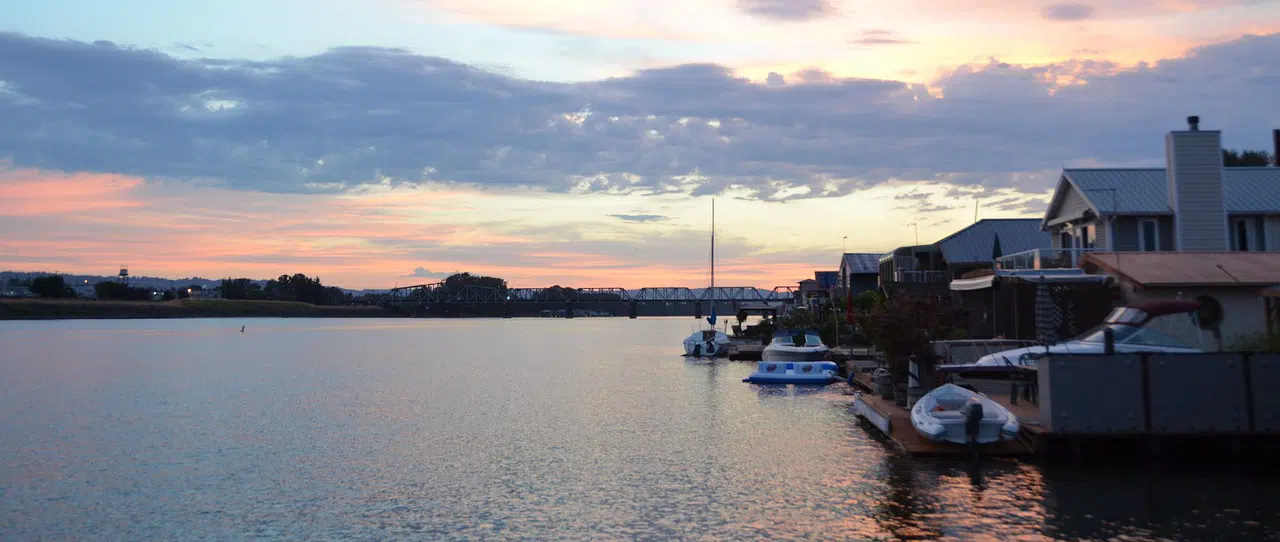
The proximity to the Scarborough Bluffs natural habitat creates a wildlife highway directly to the marina and long-term nesting zones for local raccoon families. For homeowners in the marina dealing with persistent activity, professional raccoon removal for floating homes is essential to prevent ongoing damage and repeat infestations.
-
Raccoons in the Garden: Pest Animal Control and Prevention
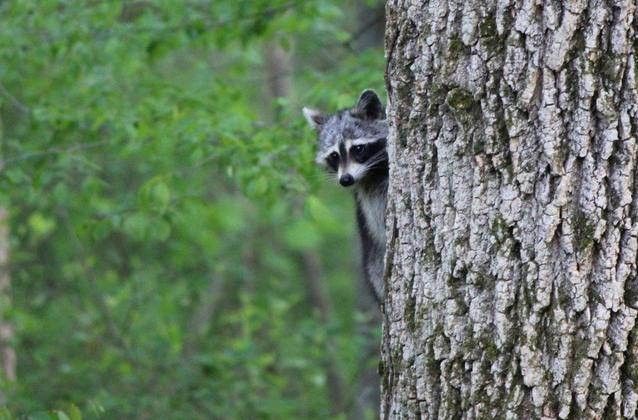
Raccoons are resourceful and skilled creatures. They are attracted to urban neighbourhoods as there is always food, shelter, and water nearby. Unfortunately, this can mean trouble for homeowners as well as business owners. If raccoons are congregating around your garden, or you notice signs of damage from these animals, you should seek immediate help. Our professionals are equipped and experienced to deal with your pest wildlife problems and will help prevent wildlife from causing trouble around your property.
Hawkeye’s Raccoon Control and Prevention from Gardens
If raccoons are frequenting you property or have begun making a den in your shed or near your garden, you should contact our professionals immediately. We will use a variety of methods to passively and actively get them away from your property, and if there is a recurring problem, we will install protective mesh to keep them out of spaces that are ideal for making their homes in.
Signs That Raccoons Are Active in Your Garden
You will know that you have raccoons active in your garden if you see paw tracks (five toes), fecal droppings, scratches on fences and trees, looted trash, missing vegetables, and disturbed garbage cans. Raccoons will eat almost anything and will rummage through food garbage tins, cans, boxes, and plastic to find something to eat. Since your garden is a buffet of plants and vegetables, they will likely seek out whatever is available and growing. They tend to enjoy apples, pears, peaches, sweet corn, potatoes, and peas.
How to Prevent Raccoons Entering Your Garden
Here are a few tips to prevent raccoons from being attracted to your garden:
- Seal your garbage cans tightly (purchase options with good locks) and wash spills often with bleach and water or find a personal solution at https://binsolutions.ca
- Remove any outdoor food sources such as bird feeders or containers with pet food
- Trim trees that hang over your roof so that raccoons cannot jump onto it
- Keep your roof in good repair to reduce the chances that raccoons will be able to tear away at shingles and climb into your attic
- Ensure the base of decks, sheds, and porches are properly enclosed
- Never feed raccoons or keep them as pets (it is illegal)
Contact Hawkeye for Raccoon Controlif you live in Mississauga, Scarborough, Oshawa, Bowmanville or Toronto.
Hawkeye Bird and Animal Control can help you if you need solutions to your residential or commercial raccoon problems. Hawkeye is a bird and animal control company that services residential, commercial, and industrial properties in the Greater Toronto Area, Golden Horseshoe, and many parts of Florida.
We provide animal and bird control and offer falconry experiences, and we also provide balcony cleaning, netting, and exclusion. We are the only pest bird and animal/wildlife control company in the country designated "Certified Wildlife Control Professional" and we hold the following licenses: Trapping of Fur Bearing Animals Permit, Falconry Permit, and Pest Control License.
If you want to prevent raccoons from destroying your garden or making a den on your property, contact us today. Email us at [email protected] or call us at (416) 429-5393
Hawkeye provides Raccoon Control and Removal Services in:
Mississauga,Scarborough,Oshawa, Bowmanville and Toronto.
Related Articles:
https://www.hawkeye.ca/blog/permanent-raccoon-removal-solutions-for-lawns
https://www.hawkeye.ca/blog/how-to-get-rid-of-raccoons-in-greenhouses
https://www.hawkeye.ca/blog/raccoon-control-for-flower-pots-and-landscape-plants -
Why Detached Homes in Toronto Face a Higher Risk of Raccoons in the Fall
Especially Toronto's older, well established neighbourhoods see a scurry of raccoon activity once fall arrives. Toronto's detached homes, often surrounded by trees and green space, are particularly attractive to raccoons looking to find a secure and warm space to overwinter.
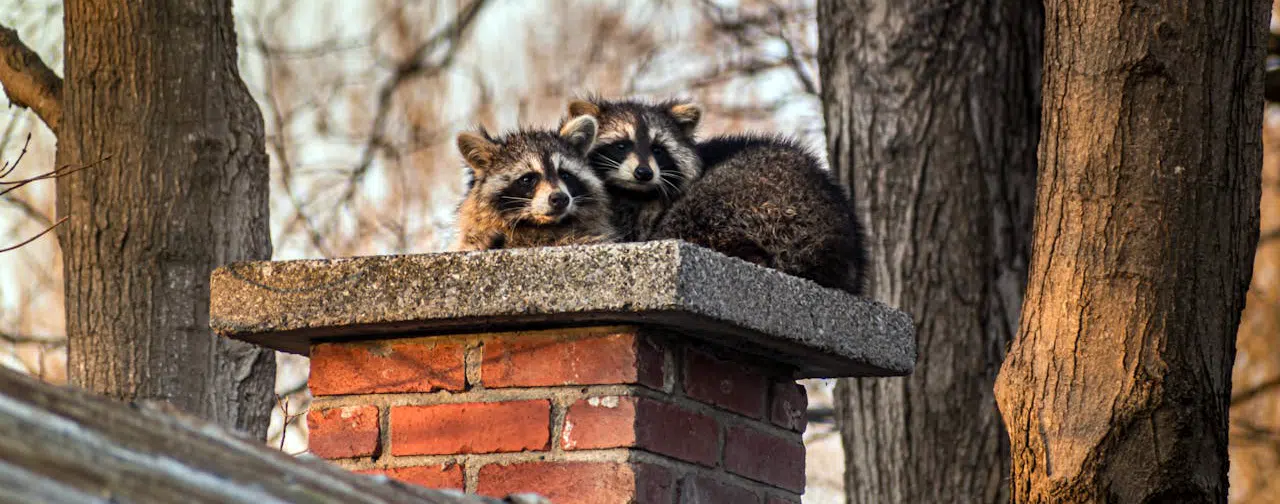
This article explains why these homes are high-risk, what homeowners can do, and why permanent raccoon removal in Toronto is often necessary.
Why Fall Brings Raccoons Closer to Homes
- Winter is Looming
Fall is the preparation phase for surviving Toronto's harsh winter; - "Mi Casa es Su Casa"
Urban raccoons have adapted to treat your home as part of their natural habitat and once inside, will not leave voluntarily; - Winter Denning and Torpor
While raccoons don't actually hibernate, they do slow down considerably and enter a phase of torpor. Having a a warm and sheltered space to settle down in is essential;
Autumn is the last opportunity to act before winter nesting begins and you're stuck with uninvited house guests for months to come.
What Puts Detached Homes at a Higher Risk Compared to Townhomes?
- More Entry Points
- Detached homes have more independent architectural features, such as multiple gables, vents, chimneys, and soffits.
- Aging roofing materials, unsealed attic vents, and gaps in eaves make perfect access zones.
- Garages and sunrooms are often overlooked but accessible.
- Surrounding Vegetation
- Trees, climbing vines, and fences serve as natural ladders to roofs.
- Detached homes are usually landscaped, increasing raccoon mobility.
- Unpruned branches near rooftops can bridge the gap for entry.
- Outdoor Waste Storage
- With no shared waste system, detached homeowners often leave bins outdoors overnight.
- Raccoons target unsecured compost bins, pet food, birdseed, and fallen fruit.
- Unlike condos, there’s less deterrence from noise, lighting, or human traffic.
- Lack of Regular Exterior Surveillance
- Winter is Looming
-
Why Exclusion Is Essential After Raccoon Removal
Removing a raccoon from your property does not automatically eliminate the risk of future intrusions. Buildings with accessible entry points remain vulnerable to new raccoons, or even the same animal returning after being released/relocated.
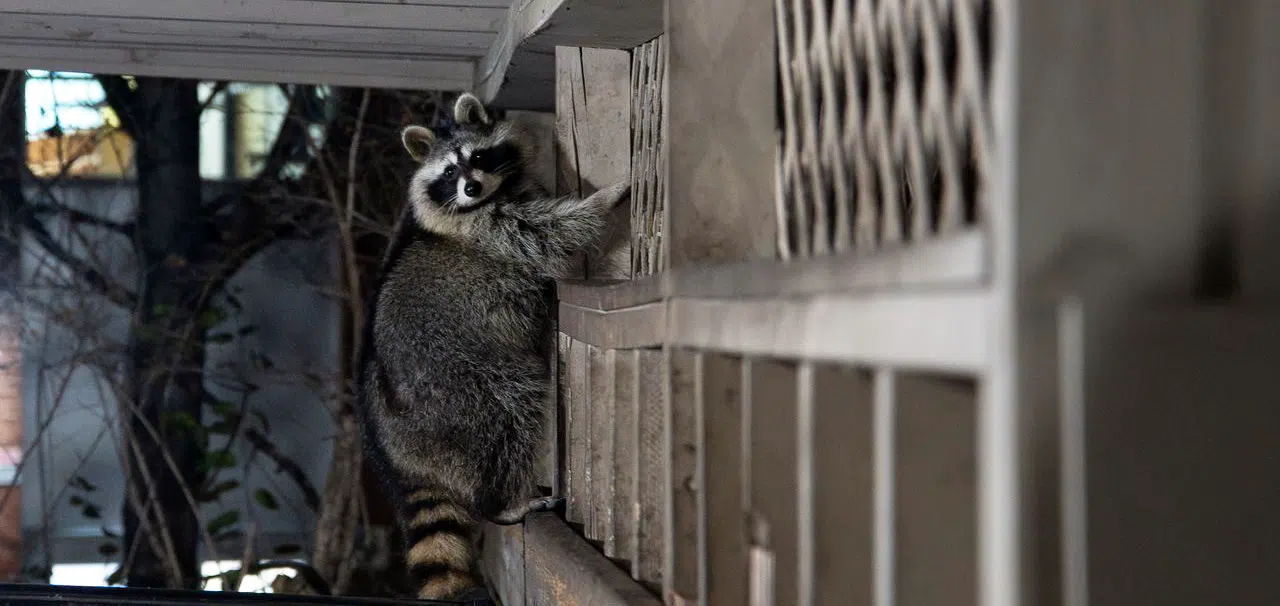
Exclusion is a long-term property protection strategy that complements raccoon removal. Learn why exclusion is a critical part of effective raccoon control.