 CA
CA US
US



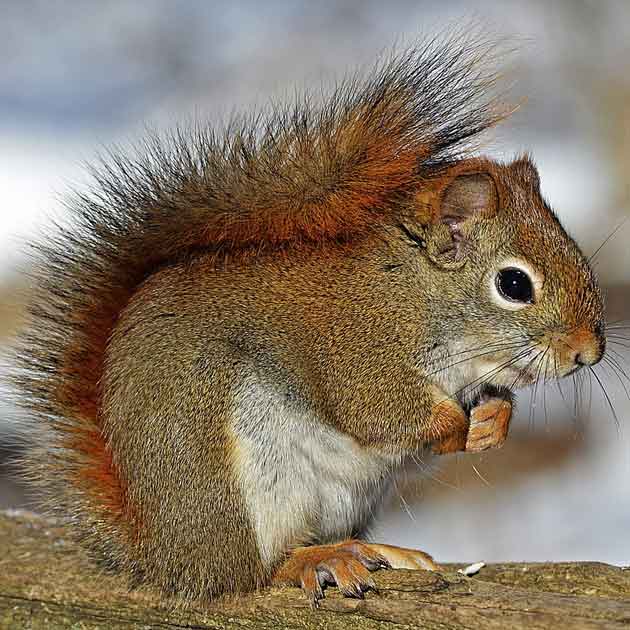




Decorative flower pots, planters, and ornamental landscaping add beauty and curb appeal to residential and commercial properties.

Unfortunately, raccoons and other local wildlife often disturb these areas even when they are not eating the plants. Damage can become particularly frustrating when newly replanted flowers and professionally maintained landscapes are disturbed repeatedly.
Understanding why raccoons target ornamental landscapes can help you choose which prevention methods to use and determine when professional raccoon removal is necessary. Moreover, if you are seeing raccoons digging in flower pots, planters, or landscaped beds, understanding what attracts them can help you address the underlying problem.
Locations where Raccoons Often Destroy Flower Planters and Ornamental Plants
Residential Homes
- Front entrances
- Patios
- Decks
- Walkways
Recreational Properties
- Cottages
- Golf courses
- Water parks
Commercial Properties
- Office buildings
- Hotels
- Resorts
- Cottages
- Restaurants
- Retail plazas
Nurseries and Garden Centres
- Outdoor display areas
- Decorative plant inventory
- Seasonal displays
Municipal and Institutional Properties
- Parks
- Schools
- Community centres
- Public buildings
Why Raccoons Damage Flower Pots and Landscaping
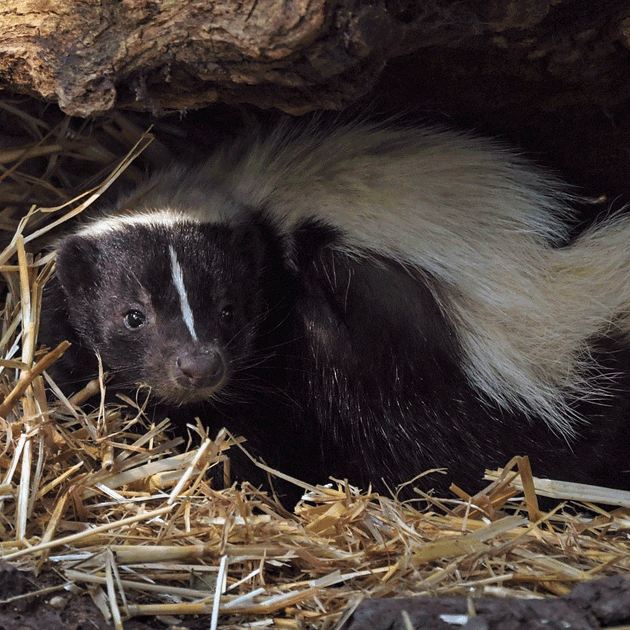
Raccoons (and skunks!) aren't so much interested in your plants; it’s more that they’re looking for insects and grubs in the soil around them. They dig and explore fresh potting soil for goodies and moisture during dry weather. As a result, you will often see knocked over lightweight planters and uprooted plants.
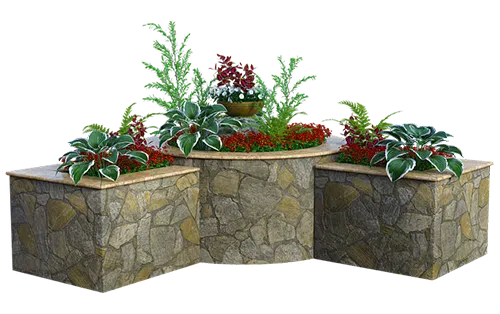 What kind of Ornamental Plants Are Easier for Raccoons to Disturb
Unfortunately, your freshly planted flower bed or container is likely the first stop for raccoons as the loose, fresh soil is easy to dig and probably freshly watered, too.
- Raised planters
- Large decorative containers
- Freshly mulched flower beds
- Newly installed landscaping
- Seasonal flower displays
How Can I Keep Raccoons Away From My Flowers & Ornamental Plants?
Unfortunately, there is no one-size-fits-all solution for how to keeping raccoons out of your flower pots and ornamental plants. Here are common suggestions that, in our experience, ultimately fail.
Decorative Fencing Around Flower Beds
Fencing may seem like a natural solution to protect flower beds and containers but keep in mind that raccoons are rather determined, excellent climbers, so this option has its limitations:
- Easy climbing
- Open access
- Aesthetic limitations
- Difficult for large commercial landscapes
Unless you also run a strand of electric wiring, a decorative fence will likely not keep your plants safe.
Protective Covers and Netting
Netting may also seem like a logical barrier, but while it does wonders in keeping away birds, it will not deter raccoons. Raccoons are strong and dexterous, so they can rip through covers or netting in no time at all. Additionally, the strategy makes gardening (i.e., weeding) inconvenient, is difficult to install around decorative displays, and is rarely aesthetically pleasing.
Decorative Stone or Gravel Mulch
Mulch will also not deter an industrious raccoon. Raccoons are surprisingly strong and can dig through gravel without difficulty.
Motion-Activated Lights or Sprinklers
Lights or sprinklers are often hailed as a raccoon deterrent but in reality, they have little to no effect at all. Raccoons are smart and learn by observation. They'll adapt quickly wehen there is no physical threat, real or perceived.
Relocating Decorative Containers
Moving containers closer to buildings in an effort to deter raccoons will change your intended landscape layout and likely won’t yield great success. Since raccoons are nocturnal and mostly active between midnight and dawn, changing the location of your plants may simply shift the damage elsewhere.
Frequent Landscape Maintenance
Some may recommend more frequent maintenance of your pots and landscaping, such as:
- Cleaning disturbed soil
- Replacing mulch
- Replanting flowers
- Removing raccoon feces from soil
While frequent maintenance helps with appearance and cleanliness, it does not address or solve recurring raccoon activity.
Temporary Raccoon Control Doesn't Protect Plants Long-Term
DIY or temporary raccoon control measures generally fail when you have pots, planters, and landscaped beds, because you cannot remove the main attractant: insects and grubs.
- Raccoons develop familiar travel routes
- Landscaped areas are revisited night after night
- Large commercial landscapes are difficult to protect completely
- Existing or new raccoons will continue visiting attractive properties
Cost of Repeated Raccoon Damage to Ornamental Landscaping
Raccoon damage to landscaping can become much more expensive than many property owners expect. In addition to the ongoing damage to your plants, repeated visits may bring raccoons closer to structures to which they’ll eventually attempt to gain access. Consider the following costs:
- Replacing seasonal flowers, shrubs, and perennials
- Repairing decorative planters
- Landscape maintenance
- Labour for replanting
- Reduced curb appeal
- Negative first impressions for businesses
- Potential health risks to landscaping staff
Why Professional Raccoon Removal is a Better Investment
Rather than man
Rather than managing the continuing damage or attempting costly landscape changes, seeking professional landscape wildlife control assistance is far more beneficial to both homeowners and commercial property owners. If you don’t actually remove the offending animal(s), you will continue to see damages add up and spend more and more money on your existing landscape.
- Commercial properties experience repeated landscape damage
- Multiple areas of the property are affected
- Raccoons are active throughout the season
- Damage costs rise during nesting season
If you have tried to get rid of raccoons without success, professional removal can address the animals responsible for the recurring damage.
Permanent Raccoon Removal to Protect Flower Pots, Planters, and Landscaping
Instead of temporarily discouraging raccoons, permanent raccoon removal focuses on eliminating the problem animal(s) responsible for the repeated damage to potted flowers, planters, and landscaped beds.
Permanent removal breaks the cycle of repeat visits
Raccoon removal for different landscaped properties
Permanent raccoon removal is suitable for all types of properties and landscapes, including:
- Residential homes
- Commercial campuses
- Hotels
- Restaurants
- Nurseries
- Municipal properties
Why Choose Hawkeye's Permanent Raccoon Removal Services
Hawkeye Bird & Animal Control has the legal authority for permanent raccoon removal, handling active dens and family groups where necessary. Permanent removal is designed to stop the same raccoon from returning time and time again - an almost inevitable outcome when trapping and just relocating the animal(s).
Stop the repeated landscape damage to your property - call Hawkeye today!
Hawkeye's raccoon removal services are available all across Southern Ontario, including Toronto, Scarborough, Brampton, Vaughan, Markham, Ajax, Pickering, Newmarket, Etobicoke, Oshawa, and Mississauga.
Related Articles:
https://www.hawkeye.ca/permanent-wildlife-removal
