 CA
CA US
US

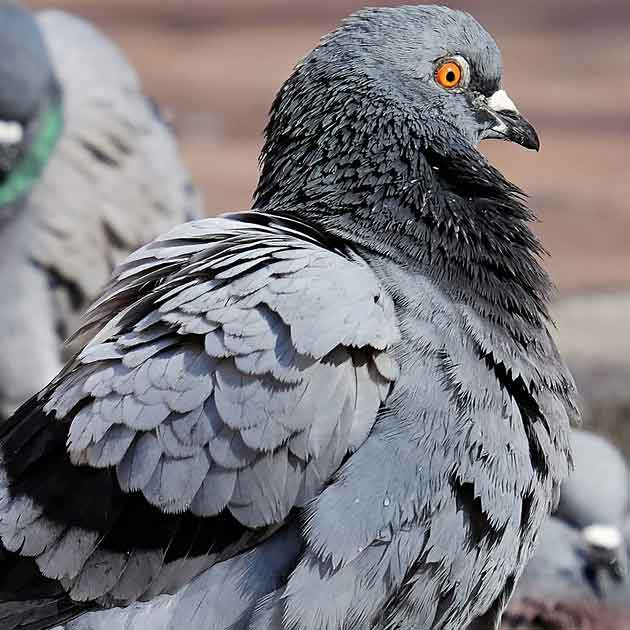
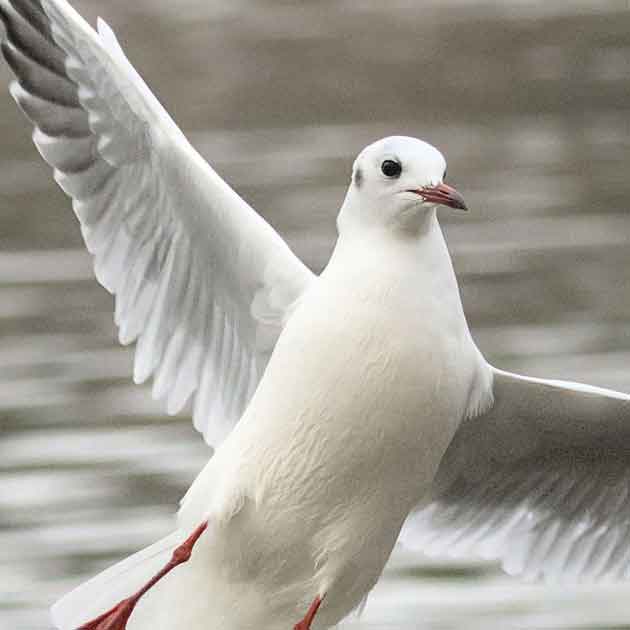



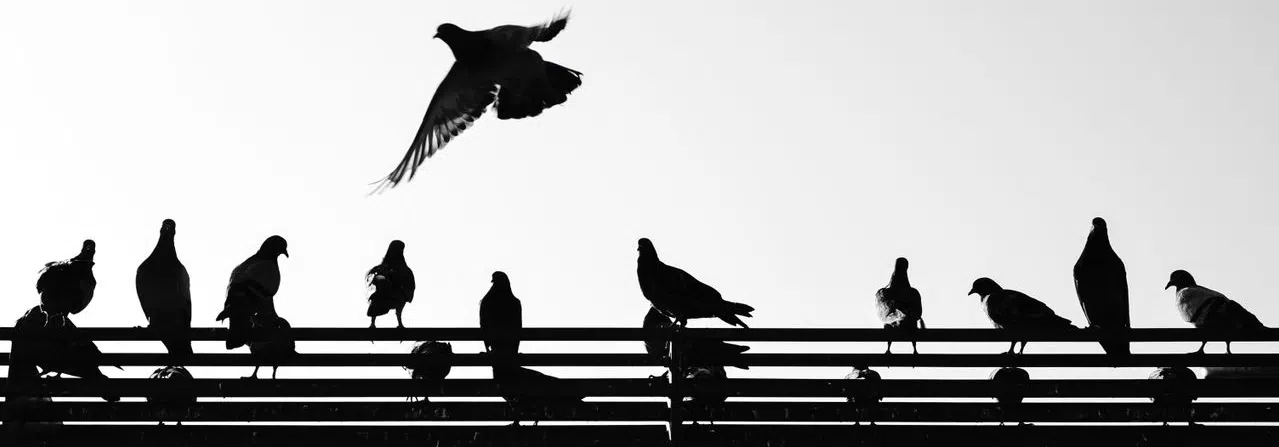
Wildlife including birds like pigeons are drawn to airports across the globe because of ample green spaces, retention ponds, and food leftovers at hangars and terminals. And then there's the landfill connection. Landfills are often found in close proximity to airports and can be home to huge flocks of seagulls and pigeons.
Given the enormous risk to human life and equipment in a bird strike incident, proactive pigeon control at airports is of utmost importance. Hawkeye's airport pigeon control program combines several strategies based on facility type and pigeon activity.
Seasonal Pigeon Activities at Airports
Spring breeding season
Pigeons are busy constructing their nests on flat surfaces out of the wind and rain, often on ledges and in hangar rafters.
Summer
Fledglings have left the nest and join growing pigeon populations.
Fall
Young birds establish new roosting sites.
Winter
Pigeon population concentrates around heated airport structures.
 Why Pigeons Are a Serious Risk at Airports
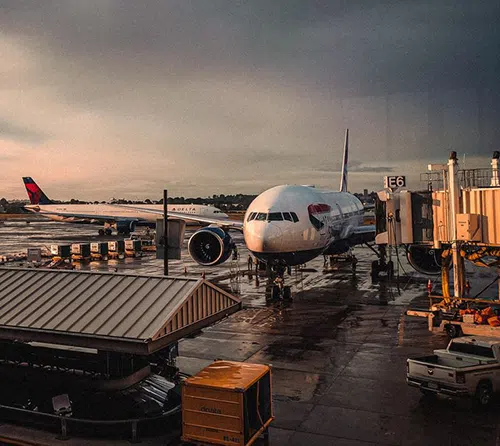
All airport wildlife poses safety risks but few are more serious or carry have more potential to cause fatalities than birds.
Bird strikes involving aircraft
Bird strikes happen when one or more birds collide with an aircraft. This often involves the birds being sucked into the engines and causing catastrophic engine failure.
- Takeoff
- Landing
- Taxiing
- Damage to aircraft parked on aprons
- Corrosion
Bird droppings (or guano) is highly acidic and corrosive in nature. It has the potential to damage and compromise structures as well as aircraft parts. - Contamination
Dried pigeon feces can become airborne and put human health at risk. This is particularly dangerous around ventilation systems.
Increased maintenance costs
Cleanup and added safety protocols
Allowing pigeons to linger at an airport will increase passenger health and safety concerns around terminals, airport reputation, as well as regulatory and operational responsibilities.
Signs Pigeons Are Becoming an Airport Management Problem
- Daily roosting
- Nesting inside hangars
- Droppings on aircraft support equipment
- Birds gathering near passenger areas
- Nesting above entrances
- Repeated sightings around taxiways and buildings
- Maintenance staff are repeatedly removing nests
Why Airports Require Professional Pigeon Control and Removal
Pigeons and other pest birds create problems for airport managers, maintenance staff, and passengers alike. The NTSB (National Transportation Safety Board) requires airports to arrange for a certified wildlife damage management biologist (in Canda, that person is Dan Frankian of Hawkeye Bird & Animal Control) to conduct formal assessments.
- Multiple buildings
- Large open spaces
- Continuous aircraft movement
- Public access areas
- Sensitive operational environments
- Ways to Get Rid of Pigeons from Airports and Facilities
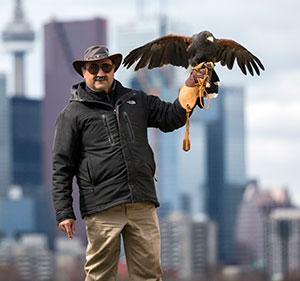
Falconry: Most Effective Pigeon Control Solution for Airports
Bird of Prey deployment can be customized to accommodate little or no interruption to airport schedule or operation. Falconry for airport pigeon control produces excellent results.
- Natural predator response
- Discourages pigeons from establishing roosts
- Can target more than one bird species at once
Best suited for:
- Airfields
- Runways
- Taxiways
- Aprons
- Hangars
- Large open airport properties
Advantages
- Humane
- Highly adaptable
- Effective over large areas
- Supports broader bird hazard management programs
Habitat Modification to Stop Attracting Pigeons
Altering to environment to attract and sustain fewer pigeons includes:
- Reducing food availability
- Managing waste collection
- Limiting standing water
- Managing vegetation near buildings
- Removing nesting materials
- Restricting access to sheltered structural voids
- Reducing loafing opportunities on airport infrastructure
Pigeon Trapping for Established Airport Populations
Pigeon live trapping is quite successful. A custom trap can hold up to 50 pigeons. Look for a reputable bird control professional to help with:
- Removing established breeding populations
- Monitoring population numbers
- Humane trapping programs
It's important to combine pigeon trapping with other control methods, including exclusion strategies to prevent recolonization.
Bird Netting for Airport Buildings and Hangars
Bird netting is an excellent exclusion method that prevents roosting and nesting as well as protects equipment and cuts down on maintenance cost. Netting should be considered in the following areas:
- Aircraft hangars
- Maintenance facilities
- Storage buildings
- Roof voids
- Loading docks
- Covered service areas
- Large maintenance workshops
Bird Spikes for Airport Structures
Bird spikes can also add a layer of protection for:
- Roof ledges
- Lighting structures
- Signage
- Window ledges
- Structural beams
- Pipe racks
Spikes are not suitable for large open structures but can be very effective on narrow perching surfaces. It's imperative to work with a professional who can select the appropriate spikes and can install them correctly.
Pigeon Control for Airport Passenger Areas
Maintaining a clean, welcoming environment while reducing pigeon activity begins with exclusion strategies and ends with waste management. Consider adding signage that discourages people from intentionally or accidentally feeding birds. Pay close attention to the following areas:
- Terminal entrances
- Drop-off areas
- Parking structures
- Covered walkways
- Outdoor seating
- Transit connections
Protecting Aircraft Maintenance and Ground Support Equipment
While passenger and staff safety rightly ranks highest, millions of dollars worth of equipment is also at risk and needs protection.
- Ground service equipment
- Fueling stations
- Maintenance platforms
- Baggage handling equipment
- Service vehicles
- Sensitive electronics
Early Pigeon Removal Reduces Airport Maintenance Costs
Addressing a pigeon problem sooner rather than later is just good business. Aside from the human factor and risk management, early intervention will be beneficial in a number of ways:
- Reduced cleaning
- Lower facility maintenance
- Protecting airport infrastructure
- Protecting expensive equipment
- Reducing emergency bird management responses
Hawkeye’s Pigeon Control and Removal Services for Airports
Hawkeye Bird & Animal Control is the foremost expert in wildlife control for airports in the GTA and across North America. CEO and founder Dan Frankian is not only a certified wildlife biologist but also both participant and subject matter expert at FAA-approved QAWB Training courses.
Hawkeye uses live pigeon traps designed by and built for Hawkeye. We use a proprietary design that easily doubles a trap's efficiency. We also employ a team of licensed commercial falconers who are trained and experienced in pigeon control for aviation facilities. We work around active airport operations and are focused on minimal interruptions to passengers and operation.
Contact Hawkeye for a wildlife hazard assessment and a customized pigeon management plan for your airport.
Related Articles:
https://www.hawkeye.ca/blog/how-to-safely-remove-pigeon-nests-from-your-property-in-mississauga
