 CA
CA US
US







The weeks leading up to spring are not "off-season" for raccoons - quite the opposite. It's mating season! While the GTA is still frozen, raccoons are at their most active briefly abandon their life of solitude. This is the time you might see groups of raccoons as males compete for mating partners and females begin scouting for maternity dens in short order.

Don't wait until you hear scratching in late March or April and find an established nursing den within your walls. Proactive planning before spring allows property owners to identify vulnerabilities before kits are born, saving thousands in repair and biohazard costs. Raccoon prevention before spring is far more effective and far less expensive than dealing with a maternity den in April.
When is the Best Time to Start Raccoon Prevention?
- The "Pre-Birth" Window
The ideal time to start prevention is late winter (late January through February in Ontario). This is the strategic gap between winter survival and the spring birthing explosion. It’s also when late winter raccoon control strategies are most effective, as animals have not yet established protected maternity dens. - Proactive vs. Reactive
Prevention is always better than fixing the problem. There is a distinct cost-benefit by securing a property before a raccoon establishes a "maternity bond" with the site. - Year-Round Vigilance
While raccoon prevention is a 365-day task, the "Red Zone" for structural breaches begins before the first spring thaw.
Changes Between Late Winter and Early Spring for Raccoons
- Mating Season & Male Mobility
Pre-spring is the peak of raccoon mating in the GTA. Male raccoons are roaming long distance in search of a female that will have them. - The "Scouting" Phase
Pregnant females are currently evaluating multiple "backup" den sites. If your property is warm and accessible before spring, it will be the primary nursery in March. - Natal Fidelity
There's a chance that female raccoons may return to location where they were born to have their own litter. The weeks before spring are the time to break this generational cycle.
“Prevention” Means Planning
February is the perfect time for inspections before the spring rush of female raccoons on the hunt for a birthing den. This involves a thorough inspection and evaluation of structural weaknesses and potential ways into your home or business. A professional raccoon inspection before spring ensures there are no active animals inside and no hidden entry points waiting to be exploited:
- Inspect and assess
- Confirm that there are no raccoons in the building at this time
- Fix, reinforce, and seal
- Monitor (this can be done with a trail camera)
- Schedule next inspection
Raccoon Inspection and Tracking
- The Snow Map
Fresh snowfall can act as a forensic tool. Tracks leading to roof vents, downspouts, or foundation gaps are "live maps" of current activity and access point vulnerabilities. - Thermal Heat Loss & Denning Indicators
Pay close attention to your roof on cold pre-spring mornings. Areas where snow has melted or where steam escapes (thermal leaks) are high-priority targets for raccoons seeking heat. - Rub Marks & Sebum Trails
On the rare thaw days before spring, look for dark, grease-like stains on siding or downspouts. These are body oils (sebum) left by raccoons during their high-mobility mating phase, marking their preferred climbing routes.
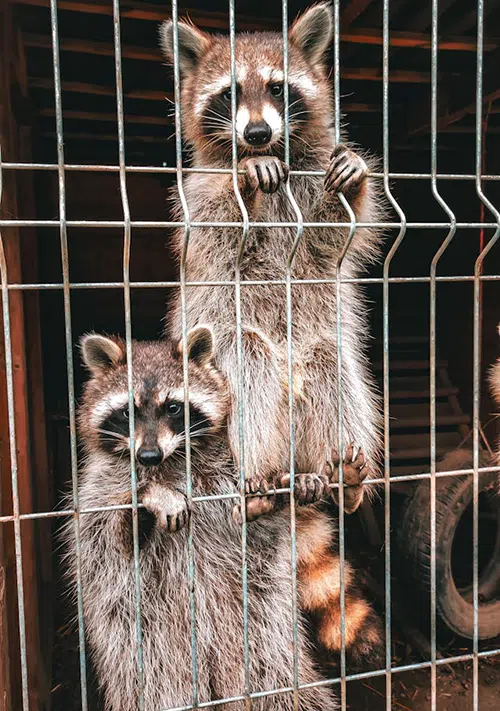 Property-Specific Pre-Spring Prevention Strategies
Residential Homes
- The Chimney Check
Winter wind and ice can loosen chimney caps. Before spring is the time to ensure they are bolted down. - Dormant Tree Trimming
Late winter is the best time to trim branches from trees near your home (6-9 feet away from the roof) because the lack of leaves provides a clear view of the "raccoon highway" to your attic.
Commercial & Retail (Strip Malls)
- The Shared Attic Audit
In multi-unit buildings, one breach in Unit A means Unit B is also at risk. Coordinate a "block-wide" inspection of shared flat roofs. - HVAC Housing Security
Secure the panels on rooftop units. Raccoons love the residual heat of commercial HVAC motors for nesting spots before spring arrives.
Industrial & Warehousing
- Loading Dock Seal Inspection
Inspect the rubber gaskets on warehouse loading docks. Heavy winter use often leads to these tearing, creating a ground-level "welcome mat" for raccoons. - High-Bay Rafter Surveillance
Check for nesting material in high, undisturbed rafters often missed during busy peak seasons.
Municipal Properties, Parks & Public Infrastructure
- Park Washrooms & Pavilions
Inspect seasonal structures that have been closed for winter. Raccoons often breach soffits to den in these undisturbed voids before the public returns in spring. - Bridge Abutments & Culverts
Conduct inspections of infrastructure joints and culvert grates. Pre-spring movement often centers around these travel corridors. - Public Waste Management Hardware
Audit public trash receptacles for winter-brittle hinges or latches. Desperate pre-spring foraging leads to increased pressure on municipal bins.
Hospitals, Care Homes & Assisted Living Facilities
- Silent Denning Risk
In healthcare settings, identifying entries in "Quiet Zones" is critical. Raccoons intent on establishing a den seek secluded voids where their scratching may be missed by staff focused on patient care. - Critical Infrastructure Security
Ensure generator rooms, oxygen supply enclosures, and electrical conduits are sealed. Raccoons chewing on wiring in these areas pose a direct threat to life-safety systems. - Sterile Environment Air Quality
Reinforce air intake grates. Biohazards (i.e., raccoon feces and birthing fluids) near hospital ventilation can compromise the air quality and sterile environment of surgical or patient wards.
Institutional (Schools & Hospitals)
- Air Intake Security
Ensure grates are reinforced. Raccoon birthing fluids near air intakes can shut down a wing of a hospital or school due to biohazard protocols.
The Pre-Spring Raccoon Prevention & Control To-Do List
- Roof Vents
Plastic roof vents become brittle in -20°C weather. A raccoon can shatter them with one paw. Replace them with heavy-gauge, galvanized steel covers before the spring thaw. - Foundation Check
As the ground begins to undergo its first minor thaws, raccoons will try to dig under decks and sheds. Install "L-shaped" mesh barriers before the ground fully softens in spring. - Waste Management Lockdown
With natural food sources being scarce before spring, raccoons are more desperate and even more willing to raid waste bins. Transition to "zero-tolerance" waste protocols by locking bins and scheduling daily pickup.
Why Raccoon Deterrents Are a Poor Pre-Spring Strategy
It's important to remember that the clock is ticking for raccoons during the pre-spring period. Their need and desire to secure a birthing den supersedes any deterrents.
- Raccoon deterrents offer short-term (a few days) success at best
- Raccoons in February are actively evaluating den sites, not avoiding them.
- Temporary deterrents give false confidence
The Cost of Delaying Raccoon Prevention
Removing a single raccoon before spring is a straightforward service. Removing a mother and five kits in April often involves hand-removal, Hazmat cleaning, and exponentially higher costs. If you’re trying to get rid of raccoons before they establish a den, timing is everything—and late winter is your best opportunity. Once kits are born, removal becomes ethically more complex. For businesses, this can turn into a public relations nightmare.
Hawkeye’s Pre-Spring Raccoon Control and Removal Solution
- Breaking the Cycle
Hawkeye’s has the legal authority to trap the raccoon and euthanize, if that is your choice. We offer permanent raccoon removal of habituated animals before they breed. - One-and-Done Guarantee
Unlike "humane" companies that just move the problem around the corner, Hawkeye’s pre-spring protocol ensures that the raccoon scouting your property today won't be back with a litter. Ever. Guaranteed.
FAQs About Raccoon Prevention
Q: Is February too early to worry about raccoons?
A: No, February is actually the perfect time to inspect your home or business for structural weaknesses and get ahead of raccoons looking to establish birthing dens. Raccoons become active now and soon begin the mating rituals.
Q: Can raccoons already be choosing spring den sites in late winter?
A: Yes, raccoons can begin breeding as early as the latter part of January in the GTA. A very harsh winter may push mating back a couple of weeks but by mid February, females will be actively looking for den sites.
Q: Should entry points be sealed before confirming raccoon activity?
A: No, never seal any openings or possible entry points before confirming you won’t be locking any raccoons inside. If you were to seal a raccoon inside your structure, you'd risk tremendous additional damage from the animal looking for or creating an exit or a nursing mother frantically ripping through your roof or exterior to get back to her litter of kits. And, if the raccoon were unsuccessful, you'd have to deal with the removal and clean-up of a dead animal.
Q: Do raccoons return to properties they used the previous spring?
A: Yes, they often return to a known safe haven. Raccoons are highly intelligent and prefer to work smarter rather than harder. In fact, they even take over abandoned dens from other animals to avoid having to build a new one. So, if your home kept them safe and warm the previous year, it's quite probable that they will happily return.
Q: Are deterrents more effective before the breeding season starts?
A: While exclusion methods are necessary and successful, devices promising to deter raccoons are usually not. Raccoons are just way too smart to be fooled by light or sound (or scent) that doesn't actually harm them. There are a couple of exceptions, though: one is male raccoon urine - the scent will make a female move her litter. Male raccoons are known to kill babies in order to mate with the mother again (females only mate once and only have one litter per year). The other is electric shock tracks. Before, during, or after breeding season, they can successfully keep raccoons at bay.
Q: What happens if raccoons are discovered after prevention work begins?
A: Remove the raccoon before you continue. Please be absolutely sure that you aren't sealing in animals and leaving them to die. After the raccoon has been removed and the area has been disinfected, you can resume your repairs and exclusion measures.
Q: How does early spring weather affect raccoon movement?
A: Raccoons come out of their winter slumber in the late stages of winter. While they do not hibernate, they do spend the winter months in a state of reduced activity and more sleep called torpor. Mating can begin as early as late January and continue through most of March. Especially young, first-time mating males may take a bit longer to procure a mate. After mating, the male will venture on to find the next lucky lady, while the female will actively search out a safe, secure place to give birth and raise her offspring. During pregnancy and while she is nursing, she will also seek out additional nourishment.
Q: Can prevention planning reduce emergency wildlife calls later?
A: The key is early inspection, sealing structural vulnerabilities, reinforcing roof vents and soffits, and confirming no animals are inside before repairs begin. Taking action in late winter prevents females from claiming your property as a maternity den.
Q: Should commercial properties coordinate raccoon prevention across multiple sites?
A: Yes, of course, raccoon prevention should be coordinated. It is greatly beneficial if adjourning businesses join the effort as well. Call today to learn how Hawkeye can help protect your commercial property.
Q: What early signs suggest that raccoons are preparing to nest nearby?
A: At this time of year, you should consider any sign of raccoon activity as a prelude to guests for the foreseeable future. Signs of nearby nesting can include tracks in the snow, roof debris near the exterior of your home or business (especially shingles), raccoon droppings, and animal sightings. Raccoons use a wide variety of materials for lining and insulating their den, ranging from shredded paper to insulation and even textiles. Keep a vigilant eye out for any new damage or openings in siding or foundation and don't forget to inspect your outbuildings. Call a professional for help if you see any signs of raccoon nesting activity.
Hawkeye's Permanent Pre-Spring Raccoon Removal
The window before spring is the strategic time for raccoon prevention. It’s the gap between winter survival and spring expansion. Don't let your home or business become home base for a family of raccoons for years to come. Get ahead of the problem before raccoon kits are born.
Schedule an appointment with Hawkeye today and secure your property permanently.
Hawkeye's early spring raccoon removal services are available all across Southern Ontario, including Toronto , Scarborough , Brampton, Vaughan , Markham , Ajax , Pickering , Newmarket , Etobicoke , Oshawa , and Mississauga .
Related Articles:
https://www.hawkeye.ca/blog/raccoons-in-your-garbage-mississauga-pest-wildlife-prevention
https://www.hawkeye.ca/blog/raccoon-nest-or-den-removal-in-the-gtahttps://www.hawkeye.ca/blog/raccoon-activity-spring-fall-mississauga
https://www.hawkeye.ca/blog/why-exclusion-is-essential-after-raccoon-removal
