 CA
CA US
US

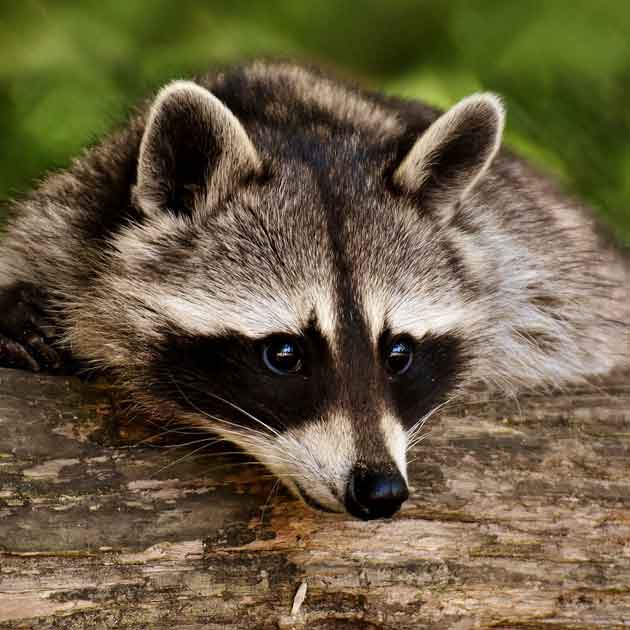
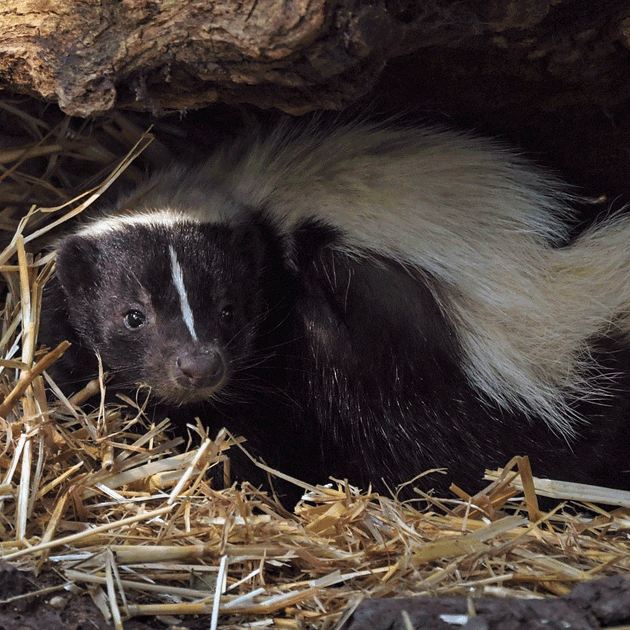
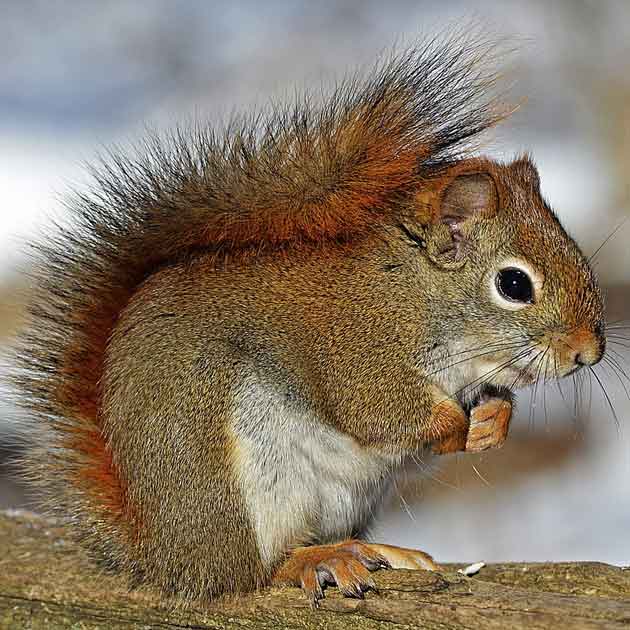



Airports are high-risk environments where wildlife—especially raccoons—can cause severe operational issues and safety hazards with potentially catastrophic outcomes. This makes airport wildlife management a critical component of aviation safety and regulatory compliance.
Raccoons and other forms of wildlife are fairly common around airports, given that there is plenty of green space as well as structures that can offer cover and safety. In addition, raccoons will exploit:
- Abundant food waste
This is true for outlaying buildings as well as passenger terminals. - Open service and utility structures
Open loading docks, hangars and the constant flow of equipment and/or people in and out of the airport vicinity are virtually open invitations to a raccoon seeking shelter. - Large, fenced areas that offer cover
Raccoons are excellent climbers and not deterred by a six foot fence. But some of their natural predators (like coyotes) are not so nimble, so these fenced areas can actually protect raccoons.
The main reasons for raccoon removal for airports are to ensure the safety of staff and passengers, protect aircraft and other aviation equipment, and guarantee safe runway operations.
Hawkeye Bird & Animal Control’s Dan Frankian is a certified wildlife biologist. familiar with FAA regulations, able to conduct environmental assessments and devise and execute a wildlife management plan—all critical for long-term airport safety.
How Raccoons Enter Airport & Aviation Facilities
Airports are so much more than what we as passengers observe when departing or arriving. The opportunities for raccoons and other wildlife to enter, seek refuge, and wreak havoc are almost limitless. Here are some of the areas prone to being breached by animals:
- Cargo loading bays
- Aircraft hangars
- Terminal mechanical rooms
- Underground utility tunnels
- Airfield drainage culverts
- Perimeter fencing gaps
- Fuel storage areas
- Maintenance buildings
Seasonal Patterns of Raccoons at Airports
While wildlife can enter human structures at any time of the year, there are certain times when the need for shelter and safety makes raccoons much more likely to do so. Aviation facility raccoon removal is essential during these times.
- Winter
Raccoons seek shelter out of the wind and inside heated airport structures. Short trips to obtain a quick bite in between naps are a bonus. - Spring
Female raccoons create dens in hanger insulation, rooflines, ground equipment bays in anticipation of motherhood. Access to plenty of food is essential while she nurses her young.
Raccoon Risks to Airport Operations
- Airfield Safety Compliance (FOD Risk)
Raccoons often drag nesting materials, food scraps, and debris from their dens. This can be deposited on active runways, the tarmac, or in maintenance areas, creating foreign object debris (FOD) that leads to risk of jet engine ingestion and tire or other aircraft damage. - Compromising Electronics
Raccoons are known to chew on low-voltage ILS/VOR sensor cables or communication wiring in equipment shelters. Damage to navigation systems (ILS systems, in particular) risks major flight safety incidents and requires immediate, costly system validation and possible runway shutdowns. - Public and Employee Health
Fecal contamination in high-traffic areas (baggage claims, kitchens, concourses) poses a major public health concern and risks regulatory penalties. Dried and airborne feces can enter ventilation systems and create serious health issues for anyone exposed. - Security System Failure
Raccoons chewing on wiring in security camera risers, fire alarms, or restricted access portals compromise essential airport security and perimeter control.
How Raccoons Affect Surrounding Airport Properties
Airports that act as wildlife magnets due to large, secured lands can lead to raccoons breeding and spilling into nearby homes and businesses. This increases complaint volume, damages, and wildlife-human conflicts.
Raccoons nesting in airport utility areas can migrate into:
- Nearby parking structures
- Surrounding industrial facilities
- Bordering residential neighbourhoods
- Restaurants and other businesses within and around the airport
More raccoons around airports results in more raccoons entering:
- Attics
- Garbage rooms and dumpsters
- Warehouses
- Rental car buildings
- Hotel properties
Why Standard Wildlife Control Methods Are Not Appropriate For Airports
Airports are unique in their absolute need for safety. A blip in wildlife management can result in not only millions of dollars in damages but also the loss of human life.
Here's a look at why standard raccoon removal methods are bound to fail at airports:
- One-way doors
While a one-way-door may keep a raccoon out of a building or area, it merely deposits the animal on the outside, potentially forcing it to enter active runways. - Relocation within a 1km radius
Relocating a trapped raccoon one kilometer away will likely still keep it on airport property. - Airports require absolute certainty, not temporary deterrence
Raccoons that have found a home range on airport grounds are not likely to be deterred by lights or sounds. These measures already have little to no success in residential settings and are absolutely useless in an airport environment.
The Hawkeye Difference
No other wildlife company in the area has the qualifications and expertise needed for airport raccoon control in the GTA, particularly in high-security aviation environments. We are able to handle the environmental assessment, wildlife management plan, and permanent raccoon removal (lawfully and humanely euthanizing trapped raccoons). Airports need permanent wildlife elimination, not deterrence.
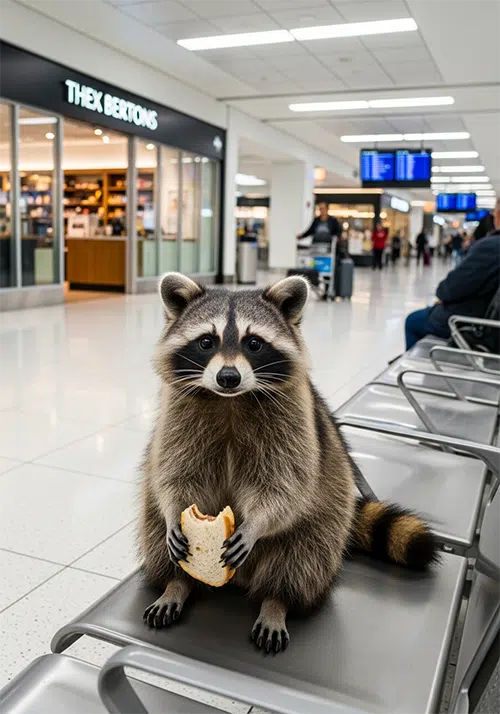 High-Risk Airport Areas for Raccoon Intrusion
- Hangars
From attic spaces to nooks and crannies - hangars offer a host of hiding spots for raccoons. - Underground Utilities
Any space underground (tunnels in particular) offers shelter and most likely also the ability to travel undetected. - Airfield Drainage Systems
Like all mammals, raccoons need water to survive. Actually, raccoons use water for more than just hydration - they also wash their food before consumption. Airports have a host of drainage pools and culverts. - Perimeter Security Fencing
Not only do raccoons find an exploit even the slightest opening, they are also quite capable of and willing to climb high fences. - Catering/Food Service Areas
Where there is readily available food, there will be raccoons. Areas with food storage and food waste are at high risk of raccoon infestation.
- Baggage Handling Facilities
With their highly developed sense of smell, raccoons can sniff out anything edible - suitcase or not. Additionally, any food scraps left by baggage handlers become another draw. - Maintenance and Storage Buildings
Again, these areas offer shelter and trash bins and many hidden spaces, making them near perfect for raccoons.
Hawkeye’s Permanent Raccoon Removal for Airports & Aviation Facilities
The Environmental Assessment
An environmental assessment for an existing airport specifically looks at wetlands, floodplains, groundwater, fish, wildlife, plants, and community impact. It identifies vulnerabilities to the environment, as well as equipment.
The Wildlife Management Plan
Based on the findings of the environmental assessment, a long-term management plan is put into place. This could include landscape changes (i.e., vegetation), electrified fencing, ongoing monitoring, etc.
The Hawkeye Guarantee
Hawkeye Bird & Animal Control is the only wildlife operator in the GTA to offer permanent wildlife removal. This provides the only definitive solution to eliminate the persistent threat and maintain regulatory compliance.
Protocol Requirements
- Discreet, Off-Schedule Operation
All raccoon trapping and exclusion work is done during mandatory off-peak hours (late night/early morning) to ensure zero public interaction or operational delays. - Specialized Access
Use of high-reach equipment, thermal imaging, and specialized containment to address dens in high rafters, equipment casings, and narrow service shafts.
Why Airports Need Year-Round Monitoring
Wildlife is here to stay. So are airports. The only way any airport can ensure safe operations in regard to wildlife is with scheduled and ongoing monitoring.
- Winter
Raccoons seek heated structures to avoid Ontario's harsh winters. They enter a state of torpor with increased sleep cycles and decreased food consumption. Mechanical rooms become dens and utility tunnels become underground highways. - Spring
Winter is over and breeding season has begun. Impregnated females are on the lookout for safe dens, often in hangars, under roofs, and in storage units. - Summer
Raccoons are most active now and runway incursions become more of a threat,. especially as youngsters toddle out into the world. - Fall
Autumn is all about fattening up for the upcoming winter months. Food storage and airport garbage areas become major attractants.
Hawkeye Bird & Animal Control at Airports
Wildlife intrusion at an airport is a severe safety and compliance threat with zero tolerance. Protecting critical infrastructure and public health requires a guaranteed, permanent solution tailored to the aviation environment.
If your facility needs a guaranteed way to get rid of raccoons without risking safety or compliance, Hawkeye provides permanent, aviation-approved solutions. Contact Hawkeye today for a discreet and professional environmental assessment, wildlife management plan, and the guaranteed permanent removal solution.
