 CA
CA US
US


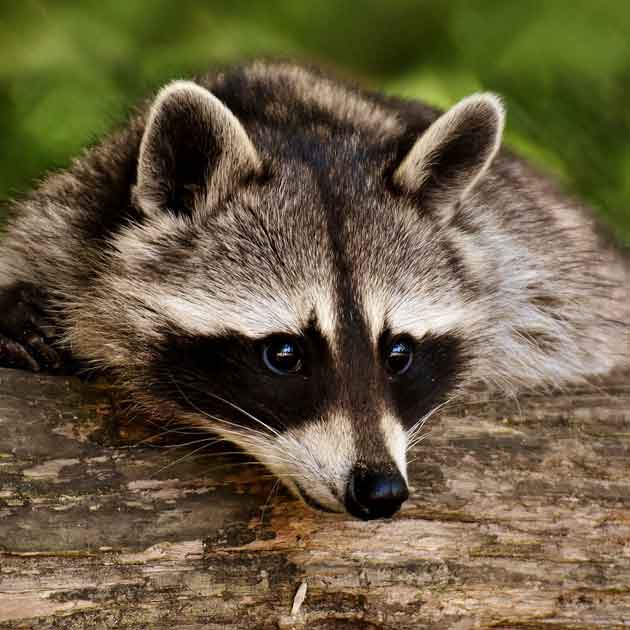



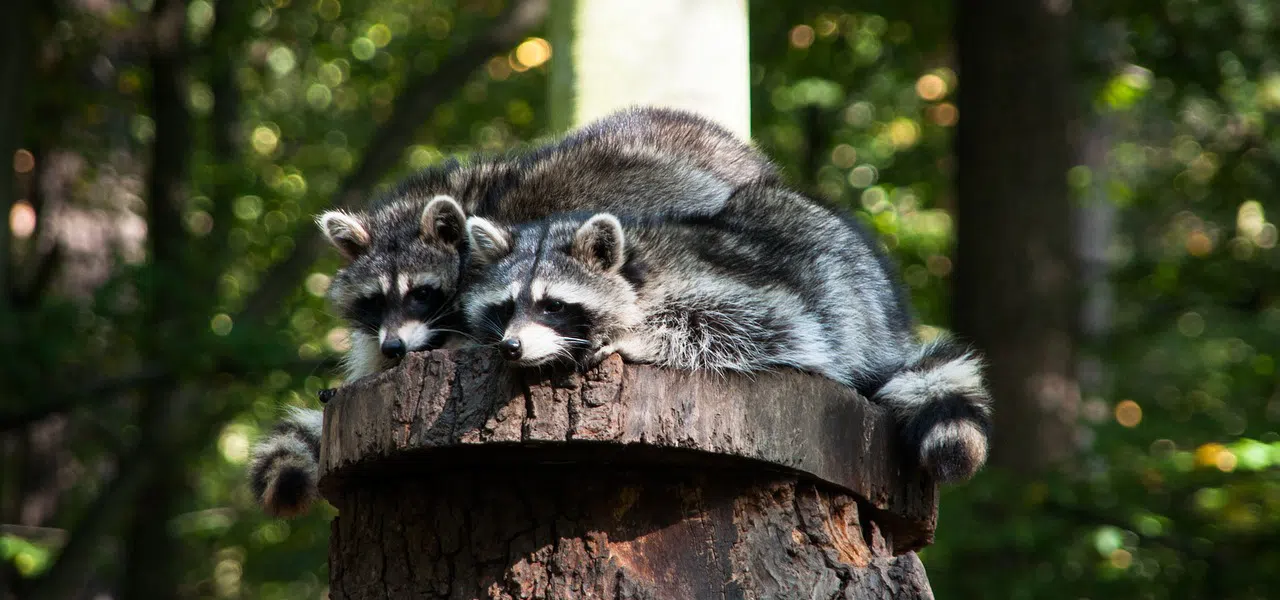
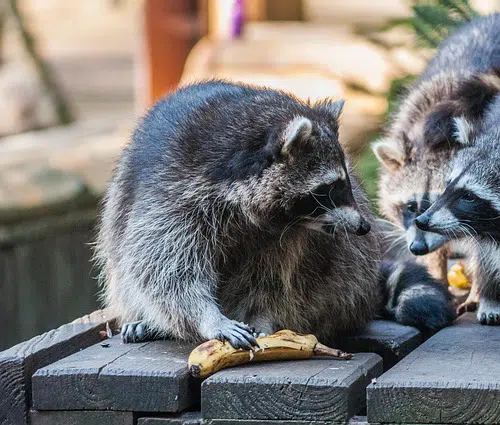
Toronto isn't called the "Raccoon Capital of the World" by accident. But all across the GTA, urban raccoon populations are rising, including in Mississauga, Brampton, Vaughan, and Markham. So, raccoon control in Toronto and surrounding areas is serious business.
Why GTA Parks Are Prime Raccoon Habitats
Is there a raccoon problem in our parks? Well, these distinctive animals are present in many parks and green spaces in the GTA and pose safety risks to children, pets, park staff, and community users. Before we get more into the risks and prevention/removal strategies, including whether there are effective raccoon deterrents for parks, let's look at what draws raccoons to our parks and why that is so undesirable:
Abundant Shelter
Raccoons target both natural and man-made structures in parks to obtain shelter. These include:
- Natural Structures
Raccoons prefer to score a turn-key operation by taking over existing (and hopefully abandoned) dens of other animals, or set themselves up in hollow trees, or under rock piles and dense brush. Any burrows or hollows in riverbanks and ravines are also suitable. - Man-Made Structures
Raccoons can move into voids beneath public washrooms/maintenance sheds, utility boxes, playground equipment and platforms, and unsecured waste disposal pads.
Constant Food Source
Parks in particular are high-traffic, high-food-waste zones, which is why they make for the ideal raccoon habitat. Raccoons are highly intelligent and work smarter - not harder; they prefer an easy meal over one that needs to be chased down.
- Public Feeding
Visitors often intentionally feed wildlife, though it is illegal in most Ontario municipalities. - Unsecured Waste
Raccoons exploit easily accessible public garbage bins and recycling containers. - Food Scraps
Park visitors may inadvertently contribute to raccoon feeding by leaving scraps or garbage around picnic areas, BBQs, and concession stands.
Risks & Hazards Raccoons Pose in Parks
Raccoons are fun to watch and sometimes even engage with humans, but they are also destructive, carry diseases, and can become aggressive (particularly if babies are around).
Public Safety & Health Risks
- Like all wildlife, raccoons shed pathogens in feces and saliva. So, any raccoon droppings or standing water in a park or on a playground can potentially contain viruses and bacteria such as rabies or distemper. Leptospirosis is usually found in water and can be transmitted to humans. Raccoon roundworm contaminates soil and sandboxes and also transfers to humans.
- Aggressive behaviour directed at pets or children is seen when our 2 or 4-legged little ones wander too close to a den with raccoon kits. Absolutely do not allow children to chase and corner a raccoon - the animal will become defensive and aggressive.
- Our furry little trash pandas may become real brave and decide to steal food directly from humans. This can result in bites (and potentially rabies which is 99% fatal if contracted by humans).
Property Damage
- Raccoons may destroy garbage bins and recycling stations in search for food or damage park building, washrooms, or sheds while seeking accesss.
- Chewing electrical wires may pose a fire risk.
- Damage to irrigation systems can result in flooding of park areas.
- Turf or other grassy areas, gardens and flowerbeds often end up destroyed in a raccoon's pursuit of grubs living underground.
Environmental Disruption
- Raccoons may prey on bird nests and small wildlife.
- Raccoon activity can distrub wetland restoration areas.
- Parasites are spread across natural habitats and to other species.
Immediate Actions to Take if Raccoons Are Seen in a Park
Whether park officials are dealing with a one-time problem or a constantly occurring raccoon infestation, it’s important to establish firm raccoon control strategies for urban parks. If you see a raccoon in a park, your very first action should be to inform your municipality (many townships provide a 3-1-1 number for such reports). Park maintenance or municipal animal control staff can then deal with the following:
Securing All Food & Waste Immediately
Removing leftover food from picnic sites, playgrounds, and BBQ areas and securing trash bins is imperative. It may be time to look at lockable waste bins.
Restrict Access to Water Features
Access to high-risk water zones should be me made unavailable immediately. This may include fountains, ponds, and children's wading pools and splash pads. Contaminated water is highly dangerous to both humans and pets.
Secure Area around Raccoon Den
Roping off areas where raccoons are nesting can go a long way towards preventing conflicts with park visitors or their pets. Enforce leash laws to avoid dogs disturbing the den.
Contact Hawkeye Bird & Animal Control to Get Rid of Raccoons in Parks
Typical raccoon trapping and relocation offered by most Toronto area wildlife control companies isn't really a sensible option for municipal parks. The animals must be relocated within a 1km radius (which will often still be on park grounds) and with their strong homing instincts, raccoons will simply make a U-turn and come back. Hawkeye Bird & Animal Control is the ONLY licensed wildlife control company in the GTA that offers permanent raccoon removal. Guaranteed.
 Permanent Raccoon Removal for Parks
Identify Raccoon Dens
- Hollow trees
- Culverts
- Washrooms
- Gazebo roofs
- Storage sheds
- Playground structures
Track Raccoon Movement Patterns at Night
Raccoons are nocturnal animals, meaning that they are most active during the hours between dusk and dawn. It doesn't mean they're never out 'n about during the day - they actually quite frequently head out for a quick mid-day snack. However, to determine where traps need to be set out, it's important to observer their movements and travel routes. This is most often done with trail cameras.
Legal Trapping & Permanent Removal
- Live Trapping
Trapping is done using live traps, approved through the federal Agreement on International Humane Trapping Standards (AIHTS) and a national certification program managed by the Fur Institute of Canada (FIC) . These traps offer shelter and food and must be monitored (ideally twice a day) so as to not confine the animal longer than necessary. - Ontario's 1Km Rule
In Ontario, once an animal is trapped and is to be released, the release site can not be farther than 1km from the capture site. Prevention of spreading diseases and protecting animal welfare are the two main reasons for this law. While those reasons are valid, they do not take into consideration the homing instinct, determination, and ability to travel up to 5km per day of the average raccoon. Most raccoons simply return to their home range and the trap-and-release cycle begins anew. - Permanent Raccoon Removal
Only one company in the GTA offers legal and licensed permanent removal to end the cycle of catch-and-release: Hawkeye Bird & Animal Control. Animals are trapped and humanely euthanized by qualified, licensed wildlife technicians. This is a one-time, guaranteed solution. You can learn more about permanent wildlife removal here »
Sanitation & Biohazard Cleanup in Parks
Cleaning up after raccoons requires adherence to strict safety protocols. It involves:
- Removing feces from playgrounds and common areas, including water features
- Decontaminating sandboxes
Follow-Up & Preventative Measures
Prevention is always better than reaction. Municipalities may want to invest in some or all of the following:
- Cleaning picnic areas
- Restoring damaged turf and gardens
- Exclusion and park hardening solutions
- Raccoon-proof garbage bins
- Sealing maintenance buildings
- Reinforcing playground structures
- Protecting tree hollows
- Installing motion lighting around sheds
- Upgrading waste management stations
Seasonal Strategies for Raccoon Control in Parks
- Winter (January–March)
Raccoons seek warm shelters (washroom buildings, sheds)
Inspect park structures for winter dens
Install closures around under-deck spaces
Prevent entry into maintenance buildings - Spring (March–June) – Breeding Season
Most aggressive raccoon activity
Prevent denning in playground structures
Protect sandboxes from contamination
Monitor for kits (babies)
- Summer (June–September)
High park visitor traffic → more food waste
Increase garbage collection schedules
Monitor nighttime raccoon activity around picnic zones - Fall (September–December)
Raccoons fatten up → increased foraging
Seal any potential winter dens
Clean leaf piles and natural shelters
Inspect roofs of gazebos and shade structures
Long-Term Raccoon Control Tips for GTA Park Management
- Waste Management Systems
- Use animal-resistant garbage and recycling bins
- Lockable lids
- More frequent waste pickups during summer events
- Staff & Public Education
- "Do Not Feed Wildlife" signs
- Training maintenance staff to spot raccoon activity
- Public awareness in community events
- Landscape Modifications
- Remove brush piles
- Keep grass short
- Protect tree bases
- Repair damaged culverts and drainage systems
- Ongoing Wildlife Monitoring Programs
- Monthly/quarterly inspections
- Installing wildlife cameras
- Tracking raccoon behavior patterns
Why Municipalities Choose Hawkeye for Park Raccoon Removal
- Guaranteed permanent removal
- Experience with public parks, trails, ravines, and waterfront areas
- Compliance with municipal policies and public safety standards
- Fast emergency response for aggressive raccoons or large infestations
Tips for Park Managers & Municipal Administrators
- Conduct regular wildlife audits
- Install raccoon-proof park infrastructure
- Secure garbage and food waste
- Develop a four-season wildlife management plan
- Partner with a licensed permanent removal provider
FAQs About Raccoon Removal in Urban Parks
Q: What should park staff do if they find baby raccoons in a tree cavity or gazebo roof?
A: Early intervention is key, so report sightings immediately. Park employees should have instructions on whom to contact.
Q: How can park staff identify an active raccoon den in wooded or covered park structures?
A: Depending on the time of year, they may see tracks (i.e., in snow), fecal matter, or hear rustling, scratching, cooing, or whistling.
Q: Can raccoons contaminate park sandboxes or mulch areas?
A: Yes, sandboxes and mulch areas are of particular concern when it comes to raccoons. This is typically where raccoon roundworm can be detected (and transmitted).
Q: Are raccoons more aggressive in dog parks?
A: It would be quite unusual for a raccoon to seek out a dog park, but if it were threatened by a dog, yes, it would be aggressive.
Q: Can raccoons damage park irrigation or sprinkler systems?
A: Yes, damage to park irrigation and sprinkler systems usually happens when raccoons dig for grubs. Their claws are quite sharp and raccoons are stronger than they look.
Q: Are DIY raccoon repellents effective in large open areas like parks? What are the best raccoon repellents for public parks?
A: Most raccoon repellents aren't even effective in relatively small backyards - and they're much less so in parks. The only exception is the use of male raccoon urine to persuade a mother raccoon to move her babies elsewhere. The liquid would have to be applied directly outside of her den.
Q: Can we use chemical repellents or fumigants in public park areas?
A: Both the MNR and the municipality will have regulations covering what can and cannot be used. Generally speaking, it is illegal to use anything poisonous. . So, a chemical solution would seem unwise, especially in a park environment where children and pets are present.
Q: Can raccoon activity spread diseases in parks used by children and pets?
A: Absolutely, and that is one of the main reasons why raccoons need to be kept out of public parks. Rabies is a particularly devastating disease; it’s almost always fatal if contracted by a human.
Q: How does raccoon activity impact the cost of maintaining public trails?
A: The dollar amount would probably vary by municipality but in general, wildlife control will most certainly affect the cost of maintaining trails.
Hawkeye Bird & Animal Control
Raccoon management in public parks is a high-stakes balance of public safety and environmental responsibility. Given the high incentive of easily procured food, water, and shelter and vulnerability of public spaces, only a definitive, permanent control strategy is adequate.
Protect your public assets, eliminate biohazards, and mitigate your liability risk. Contact Hawkeye today for a site-wide assessment and the guaranteed permanent removal solution.
Hawkeye's raccoon removal services for parks are available all across Southern Ontario, including Toronto , Scarborough , Brampton, Vaughan , Markham , Ajax , Pickering , Newmarket , Etobicoke , Oshawa , and Mississauga .
Related Articles:
https://www.hawkeye.ca/raccoon-control-trapping-and-removal
https://www.hawkeye.ca/toronto-raccoon-removal-control
https://www.hawkeye.ca/blog/raccoon-nest-or-den-removal-in-the-gta
