 CA
CA US
US

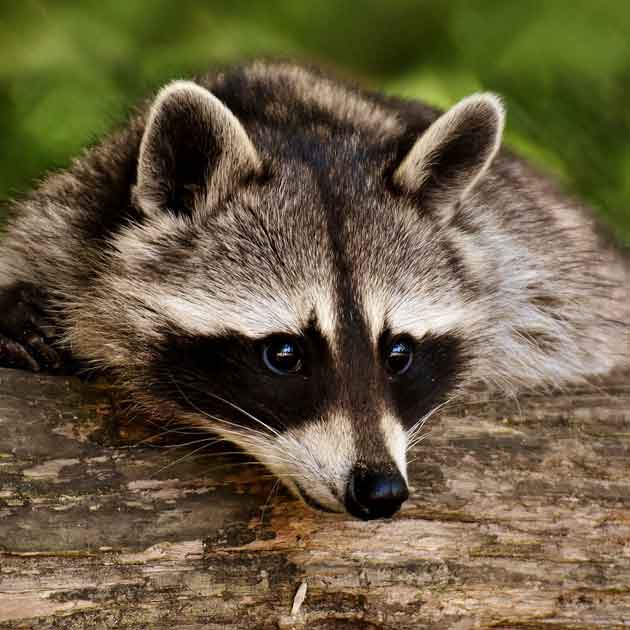



The Grim Discovery: Guided by a pungent, sickly-sweet odor or an unusual abundance of flies, you find yourself staring down at a dead raccoon on your property. What to do?
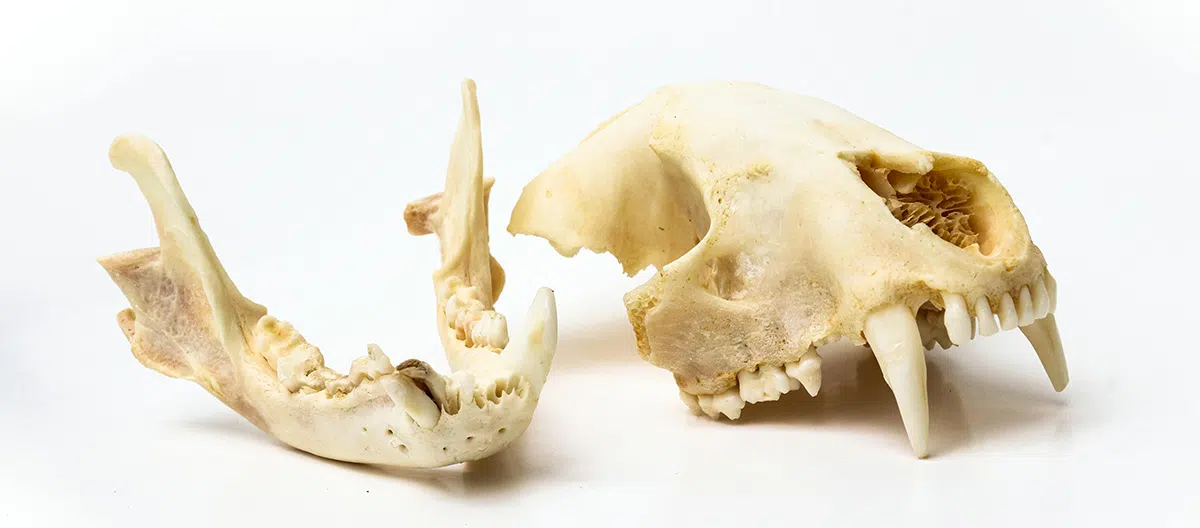
A raccoon carcass is more than a nuisance; it is a concentrated source of bacteria, parasites, and infectious disease that requires immediate, specialized handling.
Why Raccoons Die on GTA Properties
Beyond natural causes, the biggest culprits in bringing about a raccoon’s death are humans. Particularly in urban environments, raccoons rarely encounter natural predators; cars, trucks, and other vehicles are far more dangerous. Common causes of death in the GTA include:
- Illness
Distemper and rabies are common raccoon diseases - Old Age
In the "wild" (this includes urban landscapes), raccoons rarely live longer than 3 years. - Vehicle Collisions
The greatest number of raccoon deaths by far occur on our roads and at night. - Poison Exposure
For example, due to its sweet taste, anti-freeze is often lapped up by animals, including pets. - Injuries from Falls or Structural Collapse
Raccoons like to climb and while they are very agile and nimble, accidents do happen. Abandoned or vacant buildings that are sought out for quiet den space can become a death trap for an unlucky animal. - Electrocution
Raccoons can accidentally trip transformers or chew on wires, leading to electrocution. - Territorial Fights
Trapping and improper relocation often results in the relocated animals losing their life due to other animals already living in the area. - Starvation
Raccoons starve to death when they are trapped (in your home, for example) and prevented from escaping. This is most prevalent during the spring months, when improper trapping or exclusion methods separate the mother from her kits.
The cause of death is important to understand when attempting to dispose of the animal. If you suspect illness, always call your municipal animal control.
Where Dead Raccoons Are Commonly Found
If you’ve discovered a horrible smell on your property and want to set out to investigate, here's where you may want to start:
Inside Buildings
- Attics and crawl spaces
- Basements
- Utility and boiler rooms
- In wall cavities (this is where babies are often found)
- Mechanical rooms
On Property Grounds
- Lawns and gardens
- Under decks and porches
- Sheds and garages
- Roofs
Public & Commercial Locations
The location of the deceased raccoon and access to the area determines the risk level and removal complexity. Ideally, you should not attempt to remove a dead animal from an enclosed or poorly ventilated space - Call a professional like Hawkeye Bird & Animal Control!
How to Identify a Dead Raccoon (When You Can’t See It)
Here are some tell-tale signs of a hidden dead raccoon:
- Persistent, worsening odour
- Maggots, flies, or beetles
- Grease-like stains on ceilings or walls
- Sounds have stoppeed suddenly after prior raccoon activity
- Pets reacting to specific areas
- Depending on the season or temperature, odours may take days to appear
Health & Safety Risks Associated With Dead Raccoons
- Pathogen Persistence
Even after the animal dies, pathogens like Leptospirosis and Raccoon Roundworm (Baylisascaris procyonis) eggs remain active in the body and surrounding soil/insulation, posing continuous health hazards
. - Parasitic Migration
As the body cools, fleas, ticks, and mites will leave the carcass in search of a new, warm host (humans or pets). - The Secondary Scavenger Threat
Dead raccoons attract other pests, including rats, flies, scavenger bird or skunks, and even other raccoons or larger predators (i, e., coyotes), potentially leading to a new infestation. - Air Quality Issues in Enclosed Spaces
The dead animal as well as dried and airborne feces will compromise air quality.
Health concerns can escalate in schools, care homes, and food-related properties, both private and commercial. Young children, the elderly, or otherwise immuno-compromised individuals are at a much higher risk of contracting raccoon-borne diseases.
Immediate Precautions to Take When You Suspect a Dead Raccoon
Depending on your property or facility and the suspected location of the raccoon, you may want to call a professional company that deals with dead animal removal. If you do decide to tackle the task on your own, here are some steps to take:
- Restrict access to the area
- Keep pets and children away
- Increase ventilation if indoors
- Do not disturb the insulation or debris
- Avoid sweeping or vacuuming contaminated areas
Can You Remove a Dead Raccoon Yourself?
Yes, if the dead raccoon is in your yard, on your property grounds, or on the road, you can. If the animal is indoors, it becomes more complex and there are significantly higher health risks to you and anyone else in the building.
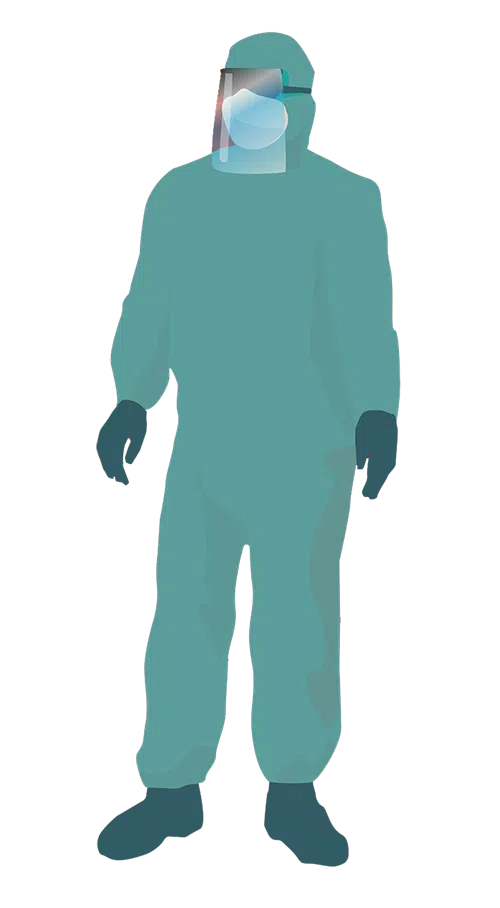 Step-by-Step DIY Dead Raccoon Removal
How to dispose of a dead raccoon yourself:
- Step 1: Isolation
Keep pets and children away from the area immediately. - Step 2: Preparation
Prepare a double-bagging system (two heavy-duty contractor bags), gloves, eye protection, and N-95 respirator (face mask), - Step 3: The "Scoop" Method
Use a shovel, disposable gloves, or a "bag-over-hand" technique (like picking up dog waste) to avoid direct contact. - Step 4: Containment
Seal the inner bag tightly, then place it inside the second bag and seal it again with duct tape to prevent odors and fluid leaks. - Step 5: Disinfection
Saturate the area where the body lay with a bleach-water solution (1:9 ratio) or a professional-grade enzyme cleaner. - Step 6: Disposal
By law, you may dispose of a dead animal by incineration or burial, or by processing it for consumption. If you find a dead raccoon, you will likely choose to bury the animal. Once you’re done, you will also need to double bag and dispose of your PPE materials.
The PPE Checklist for Dead Animal Removal
- Respiratory Protection
N95 or P100 masks prevent inhaling airborne bacteria or roundworm eggs. - Eye Protection
Safety goggles prevent accidental fluid splashes. - Hand Protection
Double-gloving (i.e., nitrile or heavy-duty rubber) protects you from physical contact with the carcass. - Body Protection
Wear disposable coveralls or old clothing that can be washed immediately in hot water.
Double-bagging the carcass and throwing it in your household trash bin is NOT legal in most municipalities. Unless incinerated or buried appropriately, the dead raccoon still emits odours and pathogens. Cities like Toronto have a 3-1-1 number that you can call to equest a dead animal pick-up.
Dos and Don’ts of DIY Dead Raccoon Removal
Do:
- Use protective equipment
- Seal contaminated materials
- Wash exposed skin thoroughly
- Contact local authorities if warranted
Don’t:
- Touch with bare hands
- Use bleach improperly
- Bury less than 2 feet deep and without checking local by-laws
- Leave carcasses exposed
- Attempt removal inside walls without training
Why Professional Dead Raccoon Removal Is a Safer Option
When a dead raccoon is suspected to be in or found in a confined space, locating and removing it becomes that much more difficult. Don't put yourself and your family or your tenants, employees, and/or customers at risk—let a professional handle the situation.
A professional service like Hawkeye Bird & Animal Control provides:
- Safe retrieval from confined spaces
- Proper biohazard handling
- Decontamination and odour neutralization
- Insulation and material removal, if needed
- Prevention of secondary infestations
- Documentation for insurance or compliance (this applies mostly to commercial locations)
Odour Control After Dead Raccoon Removal
Unfortunately, just removing the dead raccoon may not be enough to get rid of the lingering odour, especially indoors. Depending on how long the animal was allowed to decompose, you may have to remove and replace wood flooring, insulation materials, or drywall.
- Absorbed decomposition fluids
Special enzyme cleaners, hydrogen peroxide, and bleach/water solutions can help. In some cases, material replacement becomes necessary. - Air fresheners don’t work
Unless you are eliminating the source, you cannot remove the odour. You are merely masking it. - Professional deodorization methods
If you find that the odour persists after the animal cadaver has been removed, it's time to call a professional.
Preventing Future Dead Raccoons on Your Property
The most sure-fire way to prevent a dead raccoon on your property is to not have any raccoons at all. Here are some tips on how to keep your property raccoon-free:
- Remove Attractants
Keep pet or livestock feed securely locked up, take pet bowls inside, secure trash bins, and empty bird baths at night. - Inspect Your Home or Commercial Structure and Outbuildings
Regular inspections of roof, siding, doors, and windows can expose structural vulnerabilities. - Repair and Seal Entry Points
Re-enforce with strong materials and/or seal any openings that could be exploited by raccoons to gain access to your home or business. - Monitor
Consider installing a trail cam to keep an eye on high-risk areas.
Keep in mind that even the most vigilant homeowner or commercial property owner can still end up with uninvited raccoon guests. Rather than "waiting them out" and hoping they will leave on their own, now is the time to call for professional raccoon removal.
When Dead Raccoons Signal a Larger Wildlife Problem
Nobody wants to see dead wildlife - period. But, if you come face-to-face with a deceased raccoon in your home, removing it is not your only problem.
- Active Infestations are Still Present
Particularly from spring until late summer, a dead adult raccoon may well be the mother of a litter of four or more, meaning that kits may be elsewhere on your property. Time is of the essence here. - Entry Points Remain Open
A dead racoon inside your dwelling or commercial building means that there's a way in for others.
After removing the dead raccoon from your property, it is critical to follow up with exclusion techniques to prevent further breaches. A certified wildlife professional will be able to assess and advise.
FAQs About Dead Raccoon Removal
Q: Can you bury a dead raccoon? What are the legal and permitted dead raccoon disposal methods?
A: If you're going to tackle disposal yourself, make sure to double bag and seal, then bury 2 feet or deeper on your property. Note: You are not permitted to bury a dead animal on property you do not own. However, the preferred legal method of disposal is to contact your municipality’s animal services for pick-up or drop-off options or a professional animal control company.
Q: Is it safe or legal to bury a dead raccoon in my backyard?
A: Yes, it is both legal and safe to bury a raccoon on your own property. Note: The hole must be dug at least two feet down and should be at least 5 feet away from your well or other water source.
Q: How should I bury a raccoon to ensure it stays buried and safe?
A: Double bag the dead animal and seal both bags. Dig your hole a minimum of 2 feet deep. If possible, add 1 cup of lime powder (such as calcium hydroxide) both below and on top of the animal. This helps reduce odors, manage decomposing fluids, and deter scavengers.
Q: Will the city (municipality/garbage collection) pick up a dead raccoon from my private property?
A: No, this is a job for city animal control. Many municipalities will pick up dead raccoons, even from private property. Call your township office and request the pickup. If you’re in Toronto or Durham region, dial 3-1-1.
Q: Can my dog get sick from just sniffing a dead raccoon?
A: Sniffing alone will not get your dog sick. Keep in mind, though, that fleas and ticks jump and they will leave a dead body to secure a warm, new host.
Q: Can a dead raccoon make my attic unsafe to enter?
A: Yes, a dead raccoon in your attic is very much a health hazard and will contaminate the air, insulation, flooring and wall materials. This is not a DIY job. Please call a professional.
Q: What should I do if I accidentally come into contact with a dead raccoon?
A: If you had physical contact with a dead raccoon, remove and wash all clothing in hot water immediately. Wash all exposed skin thoroughly with warm water and soap.
Q: How long does the smell of a dead raccoon last if not removed?
A: The odour is caused by decomposition; smell will persist until the cadaver completely decomposes or dries out. This can take anywhere from 3 weeks to 2 months or more, depending on temperature and humidity. Even after the carcass has dried out, underlaying materials such as wood or insulation will continue to emit odour.
Q: Is it safe to use bleach on areas contaminated by a dead raccoon?
A: Yes, bleach can be used to clean areas contaminated by a dead raccoon. Mix 1.5 cups bleach with 1 gallon of water and spray the area.
Q: Can dead raccoons attract other wildlife or pests?
A: Yes, in fact, attracting scavengers is one of the most unpleasant side effects of discovering a dead raccoon on your property. The quicker you can dispose of the carcass, the better.
Q: What should I do if a dead raccoon is found on my commercial property?
A: Check with your local municipality. It is very likely that their animal control service will instruct you to prepare the animal for pick-up. Otherwise, they might instruct you on who to call for dead raccoon removal. If no such service is available from your municipality or if the raccoon is found indoors, please call a professional wildlife removal company like Hawkeye Bird & Animal Control.
Q: Is it dangerous to remove a dead raccoon during hot weather?
A: Yes, dead raccoon removal is riskier in hot weather. Higher temperatures accelerate decomposition, bacterial growth, and attract pests like maggots and flies, making transmission of pathogens like rabies, parasites, or roundworms (Baylisascaris) more likely. Knowing how to remove a dead raccoon safely, especially if it is inside a building, is even more crucial in the warm months.
Q: Do I need to replace insulation after a dead raccoon is removed?
A: It is quite possible that you'll need to replace at least some insulation after the dead raccoon has been removed from within your building. If you suspect that decomposition fluids have contaminated your insulation it's best to consult a professional.
Q: What if I find a dead adult raccoon during the spring and suspect there are babies (kits) nearby?
A: If you can observe sagging, swollen mammary glands on the dead raccoon, you've almost certainly happened upon a nursing mother. Try to listen for high-pitched squealing or whining sounds made by the kits. These sounds can be mistaken for bird sounds. If you do locate the den and the kits, call animal control to take custody of them.
Q: Should I report a dead raccoon found on public land?
A: Yes, the best place to call is your municipal animal control unit. Failing that, you can report your find to MNR Wildlife.
Q: Who should I call for dead raccoon removal?
A: Your local animal control may be able to help or a licensed, professional wildlife removal company can definitely remove a dead animal in a timely fashion.
Q: How quickly should a dead raccoon be removed to avoid contamination?
A: A dead raccoon should be removed immediately. Decomposition starts minutes after death and the sooner the animal can be removed, the less contamination there will be.
Don't Ignore a Dead Animal - Act Now
It is imperative to act quickly and reduce the risk of contamination. Call Hawkeye Bird & Animal Control today and let us take the dead raccoon off your hands.
When you find a dead raccoon in your residential or commercial building or on your property, it is best to call professional help, to minimize health, legal, and contamination risks. If the body is out in the open, the removal of the animal can often be facilitated by local animal control, but if the deceased animal is inside your home or business, a professional raccoon removal company is your best bet.
Hawkeye's raccoon removal services are available all across Southern Ontario, including Toronto , Scarborough , Brampton, Vaughan , Markham , Ajax , Pickering , Newmarket , Etobicoke , Oshawa , and Mississauga .
