 CA
CA US
US


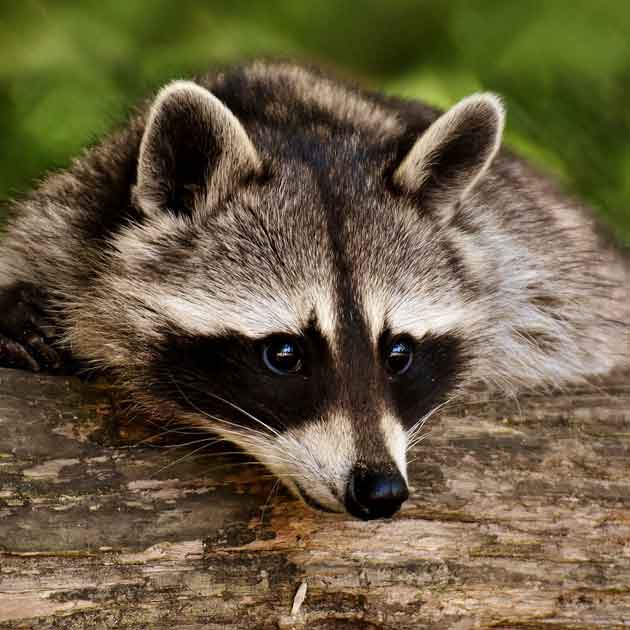
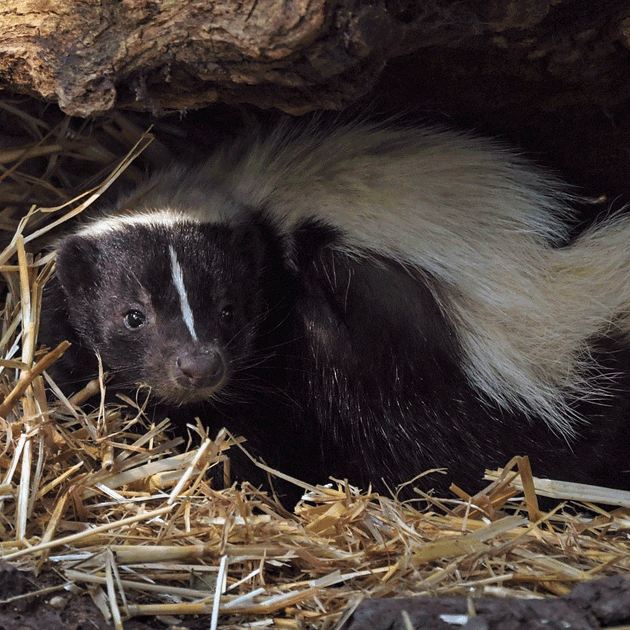
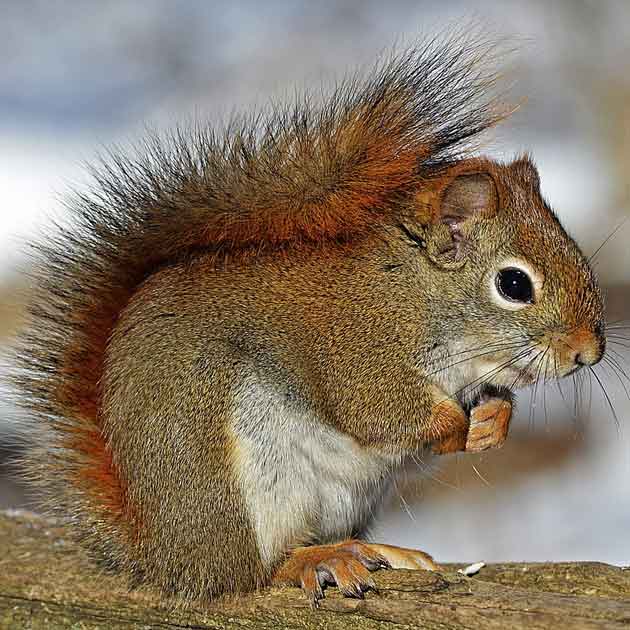




If you're lucky enough to own a summer retreat, perhaps in the Muskokas or near any of our seemingly countless, beautiful Ontario lakes, you probably know the sinking feeling of arriving at your cottage for the first weekend of the season, only to be met by the stench of ammonia and the sight of shredded insulation.
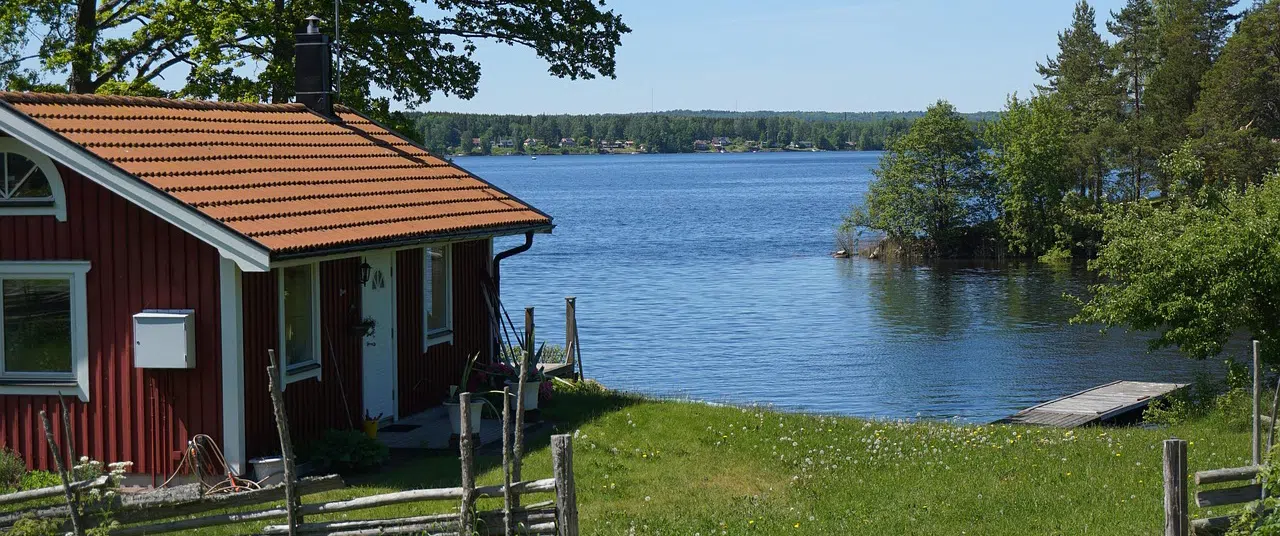
Cottages (or camps, as they are often called up north) are prime targets because they remain undisturbed for months, providing raccoons with a high-security, low-risk environment to den and breed. The pantry often remains somewhat stocked and provides for a quick snack and, of course, fresh, clean water is just a few steps away.
For cottage owners around the GTA, a raccoon infestation isn't just a pest problem—it’s a threat to your investment and peace of mind. This article explores why DIY methods almost always fail in remote settings and why Hawkeye’s permanent removal is the only way to secure your getaway for the long term.
Why Raccoons Target Cottages More Than City Homes
- Proximity to Resources
Cottages are situated in the "edge habitat" (the border between forest and water) where raccoons naturally thrive. - The Lack of Human Pressure
After we pack up the cottage in the fall, the absence of noise, light, and movement for months at a time makes a cottage attic or crawlspace more attractive than an urban home. - Architectural Vulnerabilities
Many cottages have "soft" entry points like aging cedar siding, exposed soffits, and loosely screened chimneys, which are easily bypassed by a determined raccoon.
Cottage Areas Raccoons Commonly Invade
Raccoons will seek out any space that is protected from the elements and predators and easily accessible. This includes:
- Underneath raised decks and porches;
- Crawl spaces beneath cabins;
- Attics accessed via tree canopies;
- Boathouses and dock storage;
- Sheds and generator enclosures;
- Seasonal garbage storage zones.
High Cost of Undetected Raccoon Infestations in Cottages
Having to fix or replace damaged materials is one thing but imagine if a raccoon infestation were to cause a structural failure, unbeknownst to you!
- Structural Risks
- Roof rot, soffit collapse, chimney damage
- Deck cavities becoming permanent dens
- Damage unnoticed for months due to seasonal occupancy
- Health & Environmental Risks
- Raccoon roundworm contamination inside:
- Cabins
- Storage rooms
- Crawl spaces
- Contamination of water sources near lakes and wells
- Odour saturation that lingers between seasons
- Raccoon roundworm contamination inside:
- Fire & Utility Risks
- Chewed wiring in:
- Off-season cottages
- Generator sheds
- Solar panels & battery banks
- Financial Risks
- Escalating repair costs due to delayed discovery
- Insurance claim issues due to:
- Negligence
- Improper removal attempts
- Chewed wiring in:
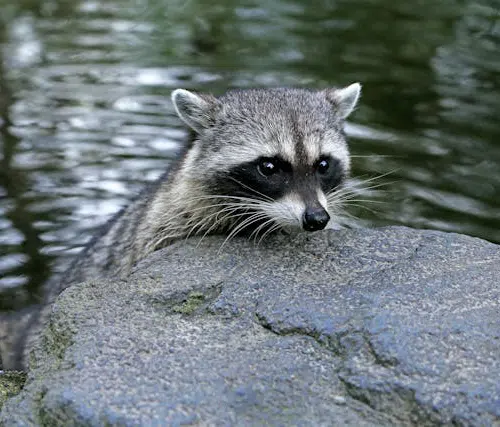 Raccoon Challenges Faced by Cottage Owners
It is wise to inspect your cottage year-round. Ideally, you can outsource a walk-around during the months you aren't there.
Spring: The Worst Time to Ignore a Cottage Infestation
- Breeding season and subsequent denning inside cottages;
- Kits hidden deep in walls or under decks (requiring professional baby raccoon removal techniques).
Summer: Activity Without Visibility
- Nighttime raids when owners are away
- Increased aggression due to juveniles
- Unattended garbage and dock areas becoming attractants
Fall: The False Sense of Security
- Raccoons preparing for winter survival
- Increased attempts to enter and establish winter dens in:
- Attics
- Crawl spaces
- Chimneys
Winter: Why “They’ll Leave on Their Own” Is a Myth
- Raccoons overwinter inside insulated cottages;
- Damage occurs silently while cottages are vacant;
- While a young raccoon family may venture out mid-summer, they are quite likely to return before winter.
What to Do if You Suspect Raccoons in Your Cottage
Raccoon presence needs to be addressed immediately. The longer you wait, the more damage you will need to repair later.
Signs That You Have Raccoons in Your Cottage
- Fresh tracks in snow or on soft ground;
- Feces - tubular-shaped and often containing seeds or berries;
- Scratch or claw marks near vertical strucures such as rain pipes;
- Musky, strong odour
What NOT to Do When You Have a Raccoon in Your Cottage
- Particularly during spring and early summer, avoid one-way doors - you may be separating a mother from her kits.
- Do not confront the raccoon(s) - a cornered animal will aggressively defend itself.
- Do not block or repair openings without confirmation that ALL animals have left the space behind.
Call a Certified Wildlife Professional
Before attempting and failing at DIY raccoon removal methods (and potentially makeing the damage worse), call in a professional raccoon removal service. Protect the health and safety of your family as well as your investment. A company such as Hawkeye Bird & Animal Control can look after the capture and removal of the animal, as well as handle the biohazard cleanup and consult on structural repairs. This level of expertise is essential for safe, legal wildlife removal for cottages, where seasonal access and isolation increase risk.
Raccoon Control Options for Cottages That Often Fail
- Repellents & deterrents
Scent based repellents are easily washed away by rain and require daily re-application;
Deterrents that do not pose a physical threat to raccoons are quickly ignored. - Motion lights & noise devices
Light and noise devices may work for a day or two, but they will be completely ineffective once raccoons understand that they do not endanger their lives. - One-way doors in the spring
One-way doors during birthing season may separate a mother from her offspring and sentence the kits to death;
A separated mother will move mountains to regain access to her den and babies, causing tremendous damage. - Trapping & relocation
Releasing a raccoon within the legal limit of 1 km from the capture site, will almost guarantee its return and re-infestation of your cottage. - Waiting it out
Attempting to wait out the raccoon infestation just compounds the damage and often leads to structural loss.
Employing temporary solutions means that you will keep dealing with the same problem (often the same animal(s) and continuing repair costs. What makes the most sense for cottage owners is permanent raccoon removal. Hawkeye provides this service with a guarantee that the removed animal will not return.
Hidden Costs of Failed Raccoon Control
- Medical Isolation
Remote areas (like Muskoka or the Kawarthas) are miles away from the nearest hospital, which is a problem in case of a bite from a raccoon. Rabies and leptospirosis are genuine threats that require immediate urgent care. If you had a physical encounter with a raccoon do not delay! You need emergency medical assistance. - Fire Hazard
Raccoons in dry, wood-frame cottages frequently chew through wiring. A "spark" in a vacant building often leads to a total loss before the local volunteer fire department can arrive. - The False Economy of DIY
Buying traps and "one-way doors" often results in trapped kits and a mother raccoon literally tearing your roof off to get back in - a common outcome of DIY raccoon removal at a cottage. You spend more on failed deterrents than you would on a professional, permanent solution. - Habituation and Memory
Raccoons are intelligent and in posession of excellent memory and homing instincts. After every unsuccessful relocation attempt, the animal will be harder to trap while your costs keep rising. - Inadequate Material
DIY "fixes" like expanding foam or thin wire mesh are treated as chew toys by raccoons. They are a lot stronger than you think!
Hawkeye's Permanent Raccoon Removal Solution for Cottages
What “Permanent” Means in a Cottage Environment
In an environment where human traffic is virtually non-existent for weeks or months at a time, traditional raccoon removal methods simply aren't an option. You need to remove the threat to your property and family once and for all. Our permanent raccoon removal services provide:
- Humane raccoon removal through controlled eviction methods that prioritize animal welfare;
- Baby-safe removal during breeding periods;
- Full structural sealing adapted to:
- Wood construction
- Seasonal expansion & contraction
- Reinforcement against re-entry year after year, forming the foundation of long-term raccoon prevention for cottages.
Hawkeye Bird & Animal Control has a unique set of required licenses to permanently get rid of raccoons from cottages. All of Hawkeye's wildlife technicians are also licensed fur-bearing trappers.
Why Delaying Cottage Raccoon Removal Makes It Worse
- Seasonal compounding of damage;
- Raccoons teach offspring return routes;
- Multi-year infestations;
- Long-term repair vs. one-time permanent solution.
Raccoon Control and Removal for Cottages: FAQs
Q: How long can raccoons stay inside a vacant cottage unnoticed?
A: Raccoons can potentially spend the entire winter huddled up in your cottage. That's why it's important to check for signs of wildlife activity regularly.
Q: Is raccoon removal different for lakefront cottages?
A: No, professional raccoon removal services are no different for lakefront cottages or camps than any other place. For more info, check out our breakdown here »
Q: Can raccoons damage septic or well areas near cottages?
A: Raccoons probably won't do much damage to septic systems since they rarely burrow in open areas. However, they could potentially damage water lines from your well to the building. Many wells (especially older ones) are dug no more than 4 feet from the foundation, which may become a problem.
Q: Why do raccoons keep targeting the same cottage every year?
A: "The organism does what made the organism successful." If raccoons have made entry in the past and were allowed to linger in one place, that place is now part of their home range. Their memory and homing instinct will guide them back year after year.
Q: Is it safe to visit a cottage that had raccoons in it over the winter?
A: If raccoons had established a winter den and latrine indoors, you should not use your cottage until a thorough cleaning and disinfection has been completed. Even if the raccoon is no longer present, now is the time to call in a professional experienced in biohazard cleanup. This process requires strict safety protocols. You may open all windows to air the place out, though.
Q: Will the smell of cedar or mothballs keep them out while I’m away?
A: Unfortunately, an unpleasant scent is unlikely to keep raccoons away. Also keep in mind that mothballs are toxic to pets.
Q: How do I handle a raccoon that has nested in my dock box or boathouse?
A: Do not confront the animal. Depending on the time of year, you may be dealing with a mother and kits. Call Hawkeye today -our experts are ready to help you inspect, remove, and protect your lakeside structure permanently.
Q: Is it safe to use my wood-burning fireplace if I suspect a raccoon is in the chimney?
A: No, don't light a fire if you suspect a raccoon in your chimney. Dead or alive, the animal will have to be removed before the stove or fireplace can be used.
Q: Can cottage insurance deny claims due to wildlife damage?
A: Yes, in fact, your policy likely excludes wildlife damage already. Particularly in rural areas, insurance policies often demand that the property must be continually occupied or inspected every two days. Check with your insurer.
Q: What time of year is safest for permanent raccoon removal at cottages?
A: Raccoons can be removed any time of year. However, it does become a little more complicated during late spring and early summer, when little ones are present.
Q: Can raccoons spread disease into stored cottage furniture and bedding?
A: Yes, raccoons can indeed contaminate stored cottage furniture and bedding through feces, urine, and hair left behind. Nesting raccoons can introduce hazardous bacteria, viruses, and parasites like Baylisascaris procyonis (raccoon roundworm) and Leptospirosis - both pose severe health risks to humans and pets.
Q: Should raccoon prevention be done before or after the cottage opening season?
A: Ideally, your inspection of the exterior and re-enforcement of known vulnerabilities of your cottage is an ongoing venture. In the fall, as you close up the cottage, have a final inspection and address any possible entry points left.
Call Hawkeye Today - Your One-Stop Wildlife Solution for Cottages
Before you google reliable “raccoon removal services near me,” you should know that Hawkeye provides guaranteed, permanent solutions tailored for cottages and remote properties.
Moreover, while raccoons may be the primary threat for seasonal homes, Hawkeye provides expert control and removal for a wide range of cottage-country wildlife, including skunks, squirrels, bats, and other nuisance wildlife common to cottage country. We also specialize in pest bird control.
Contact Hawkeye today and protect your cabin, lakefront cottage, or year-round cottage - request a professional property audit and our guaranteed permanent raccoon removal.
Hawkeye's raccoon removal services for cottages and lakefront properties are available all across Southern Ontario, including Toronto , Scarborough , Brampton, Vaughan , Markham , Ajax , Pickering , Newmarket , Etobicoke , Oshawa , and Mississauga.
Related Articles:
https://www.hawkeye.ca/blog/raccoon-nest-or-den-removal-in-the-gta
