 CA
CA US
US


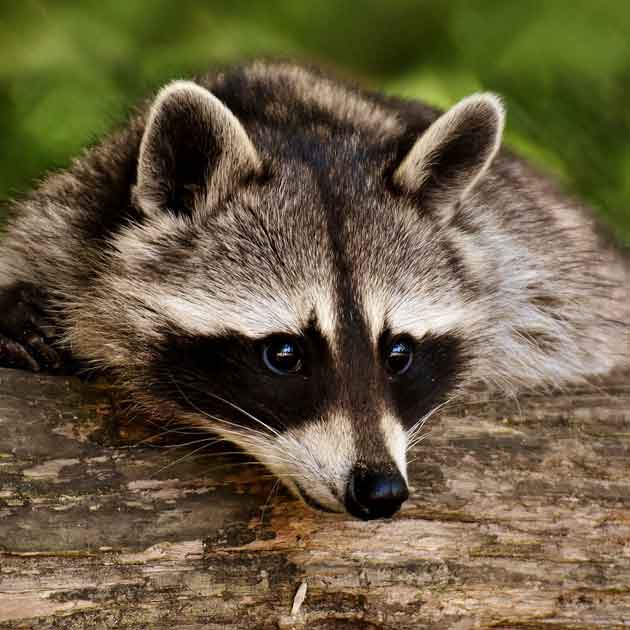




Confined (or small) spaces pose added challenges when it comes to trapping and removing raccoons. Not only may the space be difficult to access and/or too small to set an appropriate trap, but the animal(s) will also be cornered and in a defensive state of mind. Especially when it comes to confined spaces, DIY removal can be down right dangerous, so you should always consult a professional raccoon removal service.
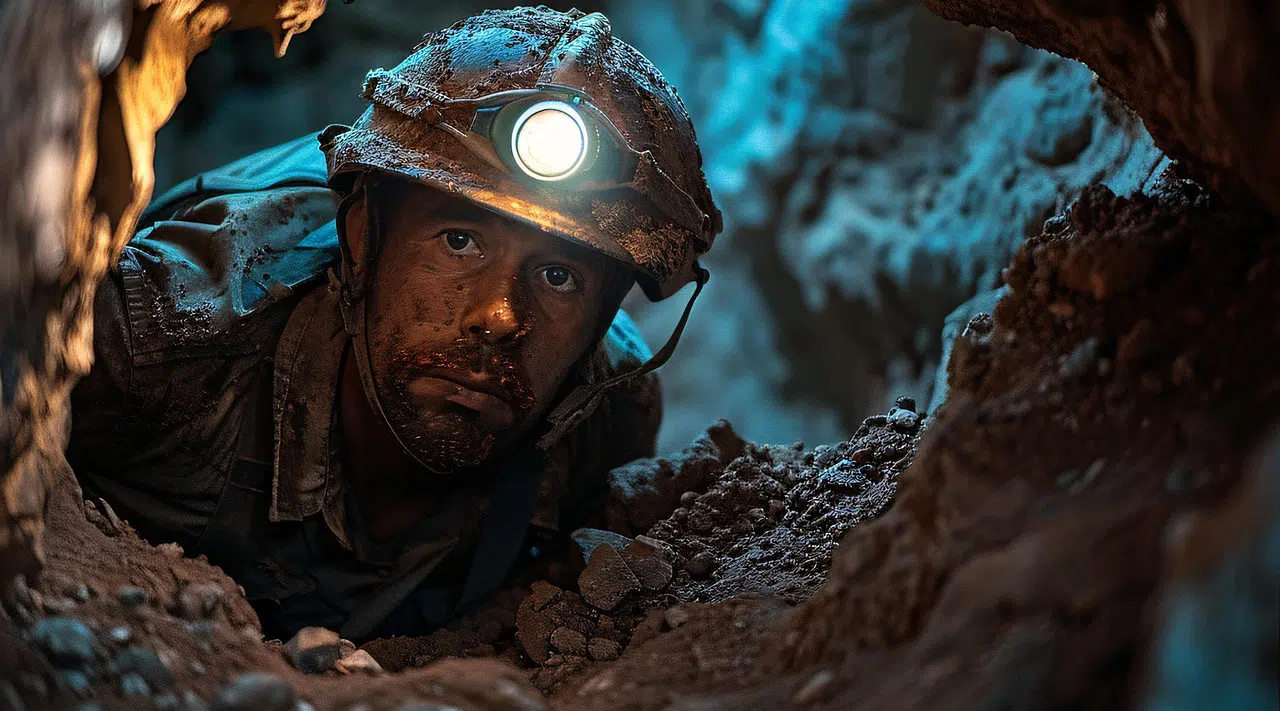
A "confined space" in the context of wildlife includes wall voids, floor joists, crawlspaces, HVAC ducts, and soffit gaps where human access is difficult or next to impossible.
In this article, we'll explore the spaces in which you can expect to find raccoons and removal solutions ranging from relocation to permanent raccoon removal.
How Small of a Space Can a Raccoon Fit into?
We think of raccoons as roly-poly, lumbering critters and often underestimate their agility and flexibility; this is particularly true when it comes to squeezing into tight openings. In reality, raccoons can access openings of four to five inches in diameter.
Adult Raccoon Biology
- A raccoon's torso is semi-flexible.
- Unlike humans, raccoons do not have a rigid collarbone structure; this allows them to "fold in" their shoulders and hips.
- Thick, dense fur makes raccoons look much larger than they are. The fur can compress greatly to fit small openings.
- Especially during the winter months when food is scarce, their body weight and size decreases.
- The deciding factor of the opening a raccoon can fit through is head size.
Juvenile Raccoons
- Raccoons reach full physical maturity at the age of one year.
- Before its first winter, a juvenile raccoon may fit through openings considerably smaller than five inches.
The opening itself may have started out as four to five inches wide but it will often get larger with repeated traffic in both directions.
Common Confined Spaces Where Raccoons Hide
- Residential "Blind Spots":
- Wall voids between studs;
- The "dead space" above drop ceilings or below floorboards;
- Chimney flues and fireplace smoke shelves;
- Crawl spaces with less than two feet of clearance;
- Attics
- Commercial & Industrial Infrastructure:
- Electrical conduit tunnels and utility chases;
- HVAC plenum spaces and ventilation ducting;
- Underground loading dock pits and elevator shafts;
- Maintenance access voids.
- Agricultural & Rural Environments:
- Double-walled silos and grain elevator shafts;
- Voids beneath barn floorboards and haylofts;
- Equipment housings in specialized farming machinery.
- Natural & Landscape Voids:
- Hollowed-out sections of old-growth trees.
- Abandoned burrows or small, deep holes in garden banks and retaining walls.
- Gaps beneath heavy landscaping rocks or decorative pond structures.
Again, any space that a raccoon's head can fit through, the body will follow.
Seasonal Challenges & Risk of Raccoon Death
- Winter (Warmth Seeking)
Raccoons seek confined spaces near heat sources (pipes/furnaces). If they die in these spaces due to illness or cold, the decomposition odour in a sealed wall is a catastrophic biohazard. - Spring (Maternity Emergency)
Expectant raccoon mothers choose confined spaces because they are "unreachable" for predators. If a lactating female is trapped or locked out, the kits will die in the confined space, leading to rot and parasitic outbreaks behind your walls. You will then also deal with a frantic (often aggressive) mother, ready to move mountains to get back to her offspring. - Summer/Fall (Juvenile Exploration)
Young raccoons often fall into wall voids or chimneys and get stuck, turning a nesting issue into an emergency rescue/removal situation.
Dangers of Raccoon Infestations in Confined Space
- Infrastructure Sabotage
Raccoons in tight spaces often chew on whatever is available: electrical wiring (fire risk), PEX plumbing (flooding risk), insulation, and structural supports. - Biohazard Saturation
In a confined space, urine and feces don't dry out quickly; they saturate insulation and drywall, leading to mold and concentration of raccoon roundworm eggs in the building's "lungs" (HVAC/vents). - Aggression in Tight Quarters
A raccoon cornered in a crawlspace or duct has no ability to escape and will likely attack fiercely if approached. If you have raccoon babies in a confined space, the risk of aggression from the mother is even greater.
What to Do if Raccoons Are Found in a Confined Space
- DO NOT Block the Entry: This is the #1 mistake. If you seal the hole, you either trap a living animal (who will destroy the wall to get out) or you create a "decomposition chamber."
- DO Listen and Map: Use a stethoscope or place your ear to the wall to identify the exact location of the activity.
- DO NOT Use Poison: Poisoning wildlife is illegal and a raccoon that dies from poison in a confined space is a 10-year odour and biohazard problem.
- DO NOT Use DIY Repellents: Ammonia or "scare" devices in a confined space often drive the raccoon deeper into the structure rather than out.
Do DIY Raccoon Deterrents Work for Confined Spaces?
Deterrents rarely work in any space or setting; raccoons are intelligent and determined and quickly learn to ignore anything that doesn't pose an actual threat. So, the short answer is no. The only exception is the use of male raccoon urine to urge a female with kits to move on. Because male raccoons are inclined to kill babies, the mother will quickly relocate her litter if she believes a male is nearby.
Other deterrents like lights or noise may temporarily annoy the raccoon but chances are that the comfort and safety of the small space will win out over ambiance complaints.
Raccoon Removal from Confined Spaces: Can Trapping Work?
As long as there is room for the trap and its safe removal, raccoon trapping can be successful in confined spaces. However, trapping becomes problematic when kits are present. It is of utmost importance that ALL animals are trapped and removed at the same time. Otherwise, you'll risk babies left to starve to death.
The Limitations of One-Way Doors
One-way doors can be useful for small spaces with ONE possible entry. Essentially, the door allows the animal to leave the confined space but blocks re-entry. During breeding season (late spring - early summer), one-way doors should NOT be used. The mother will be the only one leaving the den on a regular basis and locking her out will result in her tearing your house apart to get back to her kits or, if she's unable to do so, the kits starving to death. Raccoon kits are entirely dependent on their mother for survival.
Why Confined-Space Raccoon Removal Is So Dangerous
Aside from injury due to the lack of space, you will come face-to-face with an animal that is backed into a corner (literally) and feels the need to defend itself. This can lead to:
- Bite and scratch risk;
- Disease and parasite exposure;
- Collapse or damage to insulation and wiring;
- Oxygen-poor environments;
- Liability for commercial and municipal properties.
Breeding Season Risks in Confined Spaces
We've touched on this a few times above: Raccoons will fiercely defend themselves and their offspring, especially if cornered.
- Why confined spaces are preferred nurseries
Tucked away from weather and predators, small nooks and crannies make for perfect birthing dens. - Why deterrents and exclusion completely fail
The safety of the den space will override any mild discomfort caused by deterrents. - Long-term damage caused by delaying removal
Waiting to let the babes grow up and leave on their own will compound the damage caused by a latrine inside your structure AND may backfire when those "babes" come back to spend their first winter with their mum and siblings.
How to Remove a Raccoon in Confined Spaces: Our Permanent Raccoon Removal Solution
Particularly when it comes to raccoons during breeding season, relocation from confined spaces is neither humane nor a viable option. Releasing a young mother with offspring in unfamiliar territory would cause great distress and almost certainly death to her and all of her kits. Hawkeye proposes a process of humane capture and euthanization that will cause no undue distress and guarantee that these animals will never return.
- Specialized Access
Hawkeye uses thermal imaging to locate raccoons in confined voids without tearing down walls. - Permanent Removal License
As the only company in the GTA to humanely euthanize, we ensure the specific raccoon occupying your wall void is removed humanely and permanently.
FAQ: Raccoon Control & Removal in Confined Spaces
Q: What deterrents work best in confined spaces for raccoons?
A: Noise, scent, or light deterrents yield very little success - temporary at best. Raccoons are smart and understand that none of those deterrents pose a physical risk. While there are scents that raccoons don't particularly like, it won't warrant leaving a cozy, comfy attic or crawl space. The only exception is male raccoon urine near a birthing den with kits. Upon detecting the scent, the mother will move her kits to a location she perceives to be safer.
Q: Can I use mothballs to "smoke out" a raccoon in my wall?
A: Mothballs are highly toxic to pets and should not be used in small and confined spaces.
Q: How do I know if the raccoon in my crawlspace is stuck or just denning?
A: If you can observe or hear the raccoon leaving and returning, you are likely dealing with a denning raccoon. If you hear frantic scratching or crying, this may well be a trapped animal. Either case warrants the involvement of a professional.
Q: Is it safe to use strong smells in enclosed raccoon areas?
A: Many strong smells are not safe in spaces not well ventilated. Additionally, a determined raccoon will likely ignore the smell.
Q: Can raccoons get into the "dead space" of a dropped ceiling in a commercial office?
A: Yes, indeed the space above a dropped ceiling is quite popular during the winter months, in particular. If the void is large enough, setting a trap may be an option. A professional wildlife agent, trained to work in commercial spaces, will be able to determine best removal methods and find the breach in your structure.
Q: Can I kill a raccoon stuck in a confined space if it is self-defense?
A: Yes, as long as you do not use poison.
Q: How do you sanitize a space like a chimney smoke shelf or a narrow wall void where a person cannot fit?
A: You will need to seek out professional help with sanitizing a raccoon latrine. The cleaning of raccoon feces and urine requires strict safety protocols.
Contact Hawkeye for Raccoon Removal from Confined Spaces
Confined spaces turn a simple raccoon problem into a structural and health emergency. DIY attempts in these areas almost always lead to trapped animals, injuries, or secondary damage.
Don't let a "hidden" problem become a permanent biohazard. Contact Hawkeye today for professional inspection and permanent raccoon removal.
Related Articles:
https://www.hawkeye.ca/blog/why-detached-homes-in-toronto-face-a-higher-risk-of-raccoon-in-the-fall
https://www.hawkeye.ca/blog/raccoon-control-in-toronto-during-summer-and-fall
https://www.hawkeye.ca/blog/7-reasons-why-you-should-avoid-removing-a-raccoon-yourself
https://www.hawkeye.ca/blog/raccoon-under-brick-wall-aurora-newmarket
https://www.hawkeye.ca/blog/raccoons-in-wall
