 CA
CA US
US


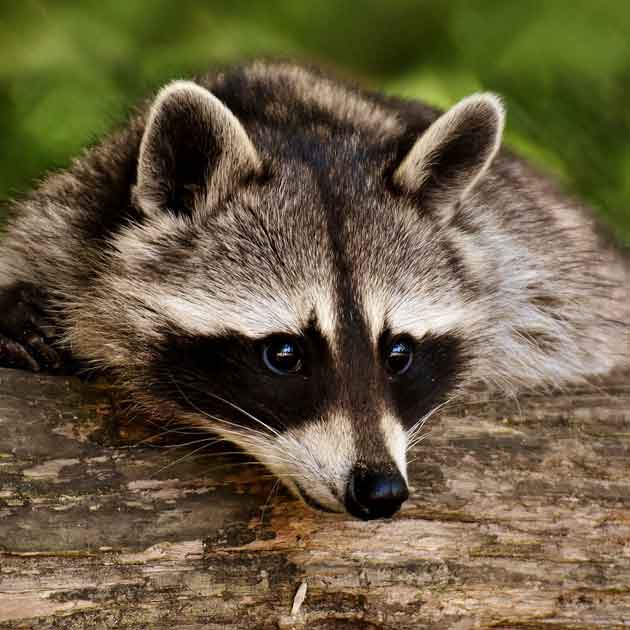



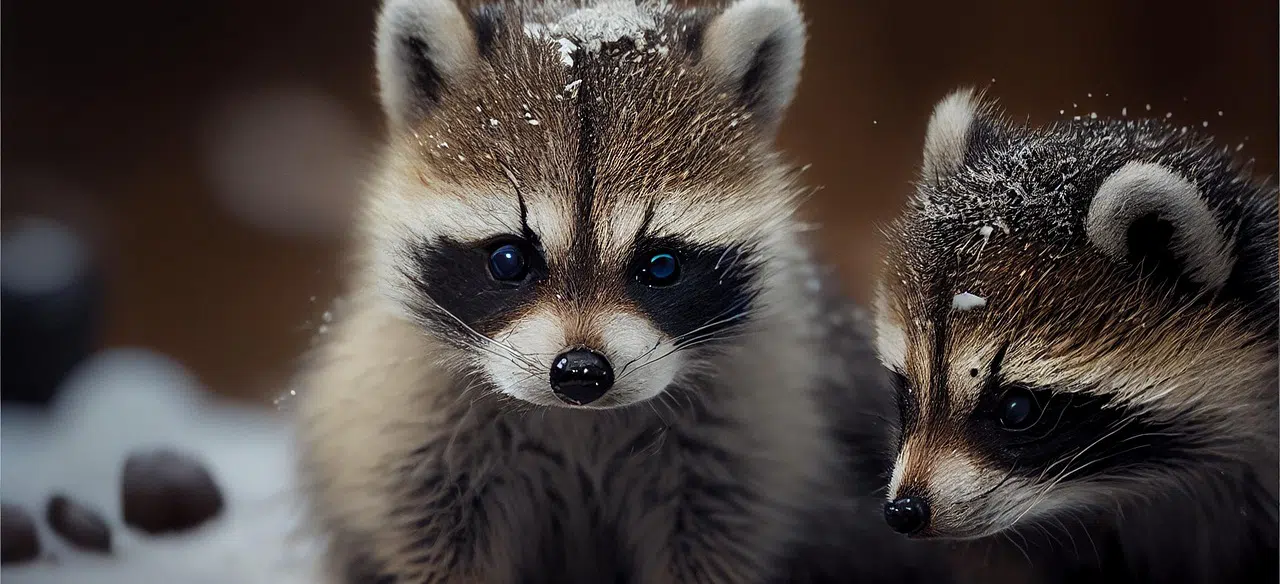
While Toronto and surrounding areas may still be covered in snow and ice in January, raccoon mating season is as little as eight weeks away. Breeding season transforms raccoon activity from occasional intrusion into high-risk occupancy.
Commercial, industrial, and municipal buildings offer warmth, height, and concealment, , making them ideal for raccoon dens. Commercial property managers often underestimate the impact of breeding-season until operations are disrupted or worse, halted.
Raccoon breeding season isn't just a pest issue; it's a high-stakes liability and structural emergency that requires immediate, permanent action.
Note that this article focuses on commercial, institutional, and municipal properties, not single-family homes.
Behaviour Changes During Raccoon Breeding Season
Raccoon mating habits are not unlike those of many other mammals - including humans :) Normally solitary raccoons congregate and the males posture and compete for the right to mate, which may go as far as a physical fight. And, the females will observe the spectacle and choose their mate, usually the strongest male. Dominant, healthy males may breed several females. The actual mating involves an hour or so of foreplay and finally copulation and may be repeated for several days. You know... just to be sure :) Read more about raccoon breeding here: https://www.hawkeye.ca/blog/raccoon-breeding-season
Here are some of the behaviour changes you’ll notice during breeding season:
- Raccoons become more social (this is when you may see groups of raccoons);
- Males also appear more combative during the breeding season - they literally fight for the ladies' approval;
- Raccoons are quite vocal all year round, but definitely amp up the noise during the mating and breeding window;
- Due to increased numbers of animals frolicking out 'n about, the risk of human-wildlife conflict rises.
Why GTA Commercial Properties Are Prime Dens
Tucked away and out of the elements and usually heated, commercial spaces can make perfect locations for raccoons around and after mating season.
- Structural features raccoons prefer:
- Mechanical penthouses
- Utility chases
- Crawlspaces and voids
- Heat retention
- Reduced human presence after hours
- Predictability of commercial environments vs residential spaces
Impacts of Raccoon Breeding Season on Commercial Properties
Depending on the contents or purpose of the facility, the effects of raccoon invasions range from being an annoyance to serious health and liability risks leading to the potential shutdown of operations.
- Office Buildings & Mixed-Use Complexes
- Noise complaints during early mornings and nights
- Damage to insulation, wiring, ceiling tiles, and ducting
- Disruption to tenants and lease disputes
- Industrial Facilities & Warehouses
- Raccoons damaging machinery and electrical infrastructure
- Fire risk from chewed wiring
- Contamination concerns in storage areas
- Retail Plazas & Shopping Centres
- Rooftop HVAC units and signage damage
- Health inspection risks
- Customer perception issues and damage of reputation
- Schools, Colleges & Universities
- Increased risk to students and staff
- Breeding season overlaps with the spring term
- Liability concerns
- Ppublic scrutiny
- Also read: https://www.hawkeye.ca/blog/goose-control-for-auroras-schools-and-playgrounds
- Hospitals, Care Homes & Assisted Living Facilities
- Zero tolerance for noise, contamination, or safety risks.
- Vulnerable populations and infection control issues.
- Also read:https://www.hawkeye.ca/blog/get-rid-of-raccoons-around-etobicoke-medical-clinics
- Municipal Buildings & Government Infrastructure
- Public accountability.
- Service interruption risks.
- Budget and procurement delays worsen infestations.
- Also read: https://www.hawkeye.ca/blog/raccoon-removal-for-airports-and-aviation-facilities
Types of Damage Caused by Raccoons During Breeding Season
Structural damage is mostly caused by the animal(s) forcing their way and as a result of materials deteriorating due to urine and feces.
- Roofing & HVAC destruction:
Pregnant females seeking entry will rip through industrial-grade roof membranes and HVAC ductwork. - Insulation saturated with birthing fluids:
Beyond feces, maternity dens are contaminated with fluids and nursing-related waste that needs addressing. - Electrical sabotage:
Chewing through security camera wires or fire alarm systems—often the first sign a female is "renovating" her new nursery.
Safety Risks Increase During Raccoon Breeding Season
While most raccoons will avoid humans and yield when confronted, a young mother will fiercely and aggressively defend her den.
- Shift in temperament:
A usually passive raccoon becomes a fierce defender during the nursing stage. - Biting & scratches:
The risk to employees, customers, and maintenance crews who unknowingly stumble upon a nest greatly increases. - The liability chain:
The property owner is responsible for wildlife encounters on the premises, especially if known raccoon infestations were not addressed promptly.
Risks of DIY Raccoon Removal During Breeding Season
Taking matters into your own hands to get rid of raccoons during breeding season may not only fail but also put you at risk of physical harm due to raccoon aggression and den contamination. DIY raccoon removal attempts lead to:
- Worker safety risks.
- Legal exposure.
- Inadequate equipment for large structures.
- Incomplete removal leads to abandoned kits and secondary damage.
- Insurance and WSIB implications.
The high probability of a bite or scratch when a non-professional attempts to "shoo" a nesting female carries a real risk of contracting rabies.
Contact Hawkeye Bird & Animal Control for legal raccoon removal that’s permanent.
Hawkeye is the only wildlife agent in the Greater Toronto Area offering guaranteed, permanent wildlife removal.
Why Breeding Season Is the Worst Time to Delay Removal
Ideally, raccoons should be removed before giving birth. Kits add another layer of complexity to the trapping process.
- Cost, and duration.
- Structural damage compounds daily.
- Tenant, staff, or public complaints escalate.
Raccoon Removal Challenges During Breeding Season
Trapping methods like one-way doors are unsuitable if a litter is suspected (or confirmed). A mother separated from her offspring will move mountains (tear through roofs and walls). It is crucial that mother and kits are trapped and removed together.
What Commercial Property Managers Should Do During Breeding Season
Contact an experienced, licensed wildlife professional immediately. Don't delay. Make sure to:
- Conduct an immediate assessment when activity is suspected.
- Restrict staff access to affected areas.
- Document raccoon activity and damage.
- Engage licensed professionals early.
- Plan for post-removal exclusion and repairs.
What NOT to Do During Raccoon Breeding Season
The absolute worst thing to do is to procrastinate and allow the female raccoon to establish her nursery. Here are some other essential “don’ts”:
- Do not seal entry points prematurely.
- Do not use deterrents near active dens.
- Do not attempt relocation.
- Do not wait for “quiet periods.”
- Do not rely on general pest control companies.
Hawkeye’s Permanent Raccoon Removal during Breeding Season
- The Permanent Advantage:
Hawkeye’s unique license to humanely euthanize stops the endless cycle of catch-and-release and guarantees that the animal(s) will not return. - Protocol for Families:
Mothers and kits must be removed together to ensure humane handling and a clean, permanent break from the infestation. - Benefits of Hawkeye's Solutions:
- Prevents return year after year.
- Reduces long-term maintenance costs.
- Ensures compliance with laws and safety standards.
FAQs: Raccoon Removal During Breeding Season
Q: Why do male raccoons kill their babies?
A: Female raccoons only breed once a year, UNLESS their pregnancy didn't take or terminated prematurely. In that case, they will breed again and produce a litter during the summer months. Therefore, if a male can kill the litter, the female will likely mate again.
Q: Does breeding season make raccoon trapping harder?
A: Yes, once litters are born, trapping definitely becomes trickier. Mothers often “hide” their kits in rather inaccessible locations (e.g., inside walls), which means more effort is required to find the den. And then mother and all kits have to be removed at the same time so as not to cause undue stress to the young family. That’s why professional raccoon removal is so crucial.
Q: Are commercial property owners legally required to remove raccoons if kits are present?
A: Commercial property owners are required to remove all risks from raccoon infestations, particularly in regard to the health of employees, guests, customers, and product integrity. That includes raccoon kits.
Q: How many times a year do raccoons get pregnant?
A: Generally, a female mates once a year and carries out a successful pregnancy. If, for any reason, the pregnancy was not successful, she may mate again and product a litter during the summer months.
Q: How long will raccoons stay inside a commercial building once kits are born?
A: A family of raccoons may move out and wander about around mid-summer but there's a good chance that the mother and her juveniles will return and spend the first winter together inside your facility.
Q: Can commercial tenants legally demand raccoon removal during breeding season?
A: Commercial tenants can absolutely demand raccoon removal at any time of the year. Swift removal is in the best interest of the property owners as well.
Q: What happens if baby raccoons are accidentally separated from the mother?
A: Raccoon kits are entirely dependent on their mother for survival. Unless this happens at a stage where they are already introduced to and comfortable in the outside world, babies will die a horrible death of starvation.
Q: Does breeding season affect emergency response timelines?
A: No, it does not. Additional equipment may be needed to locate a hidden den but the removal process is the same.
Q: Is nighttime building access riskier for staff during breeding season?
A: In terms of having a physical encounter with mother raccoon, yes. She may be in and out of the building several times, between feeding herself and her offspring.
Q: Is it possible to fully remove raccoons before kits are mobile?
A: Yes, in fact, it's probably easier to remove the kits before they start roaming around on their own.
Don't Delay - Contact Hawkeye Today
Commercial raccoon removal in Toronto and the GTA is serious business. Raccoons in a commercial building are not simply a seasonal nuisance—they pose operational risks. Immediate, professional, and legal action is necessary to protect assets, human health, and business reputation.
Don't let a seasonal event turn into a permanent liability. Contact Hawkeye for professional commercial breeding-season raccoon removal today.
Hawkeye's raccoon removal services for commercial properties in and out of breeding season are available all across Southern Ontario, including Toronto , Scarborough , Brampton, Vaughan , Markham , Ajax , Pickering , Newmarket , Etobicoke , Oshawa , and Mississauga .
Related Articles:
https://www.hawkeye.ca/blog/how-to-trap-and-get-rid-of-raccoons-in-vaughan-warehouses
https://www.hawkeye.ca/blog/raccoon-removal-for-hvac-units-and-ac-ducts
https://www.hawkeye.ca/blog/permanent-raccoon-removal-for-gta-office-buildings
https://www.hawkeye.ca/blog/permanent-raccoon-removal-for-gta-hotels-and-resorts
