 CA
CA US
US



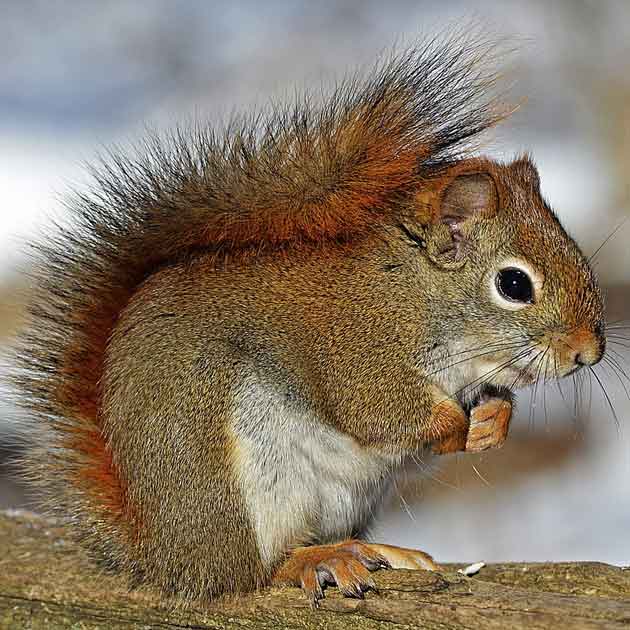




Raccoons are among the most destructive wildlife pests affecting corn crops in the GTA. They cause large-scale financial losses due to stalk breakage, kernel removal, and trampled rows.
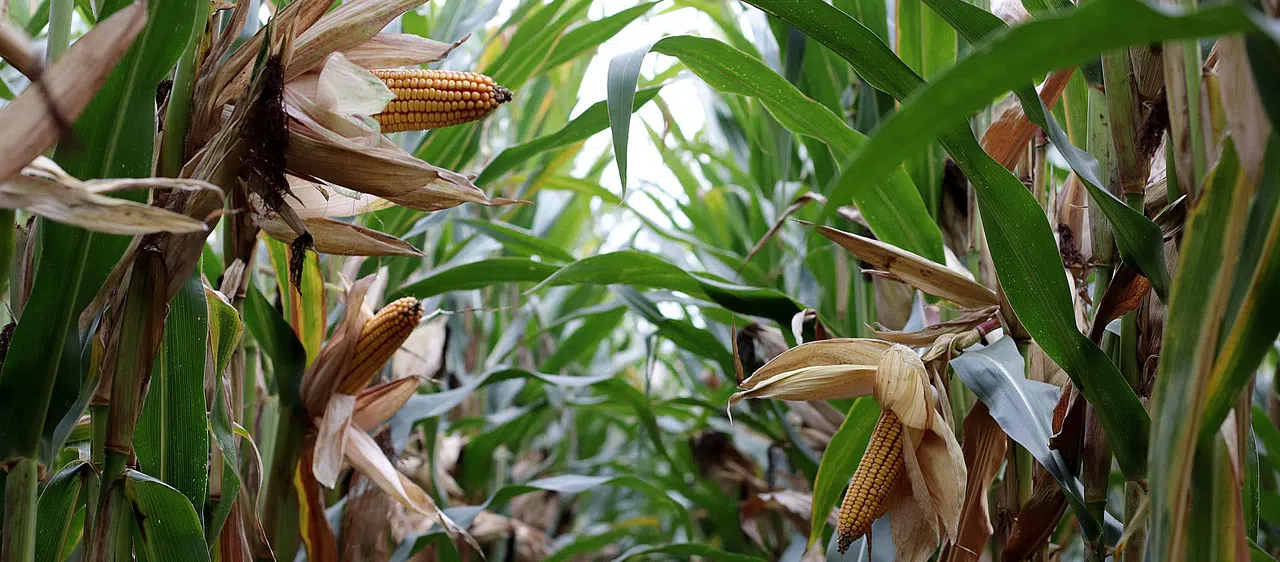
Corn fields are especially attractive due to the cover provided by tall stalks, sweet corn sugars, and nighttime accessibility, all on large acreage. Traditional raccoon trapping and relocating does not work here as raccoons will almost always return.
Hawkeye’s permanent raccoon removal is legal, ethical, and the only effective long-term solution.
Why Raccoons Target Corn Fields
- Corn provides high-energy food right before winter (late-summer carbohydrate loading).
- Fields are often close to forest edges, barns, irrigation ponds, or abandoned structures.
- Tall stalks are perfect for temporary cover, hiding, and denning.
- Nearby rural dumpsters or livestock feed is easily exploited.
Raccoon Attack Strategy in Corn Fields
Raccoons are Corn Connoisseurs
Raccoons are most destructive when the kernels are in the milk or dough stage - when they are tender and sweet. They often destroy multiple stalks to find the perfect ear, leading to wasted crops far beyond what they actually consume.
Signs of Raccoon Damage
- Broken Stalks
Raccoons pull down and break the stalks to reach the ears, leaving a chaotic mess. - Partially Eaten Ears
They often strip the husks back and eat only the tip or a small portion before moving on to the next ear. - Footprints
Look for the distinctive hand-like prints in the mud between rows. - Raccoon Excrement
Pay attention to the tubular-shaped raccoon feces.
Seasonal Timing
Like all damage to agricultural crops, corn is most vulnerable in late summer and early fall when it is ripening and requires focused action during this critical harvest window.
 Recognizing Raccoon Damage in Corn Fields
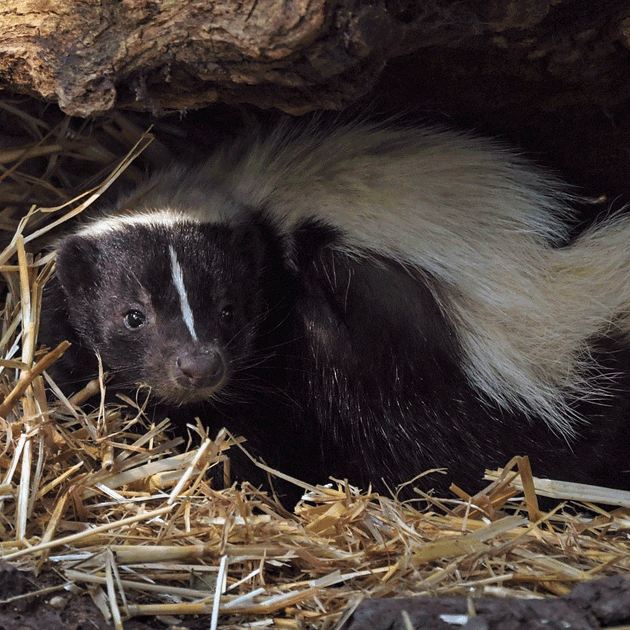
Corn fields may see a variety of wildlife visit for a snack or two. These include deer, skunks, squirrels, and birds such as blackbirds, starlings, crows, and grackles. The amount and location of the damage can hint at which species is causing havoc. Here are some signs that your corn field is being ravaged by raccoons:
- Broken stalks bent at mid-height;
- Cobs stripped and partially eaten;
- Circular “feeding areas” flattened;
- Tracks and droppings;
- Entry paths from hedgerows or water sources.
Early Raccoon Detection Matters
If you want to protect your corn harvest, you'll need to be vigilant while your crop is in the early growing stages. Pre-harvest yield protection requires consistent monitoring for signs of raccoon activity and immediate action if you suspect that raccoons are visiting your fields.
Immediate Response When You First Notice Damage
- Inspect perimeter rows for signs of activity.
- Identify raccoon trails entering the field.
- Document damages for yield protection planning.
- Begin implementing temporary deterrents including targeted electric fencing, wildlife lighting, and human/dog patrols at night.
- Contact professionals immediately—waiting even a few nights can double the damage.
Why Traditional Raccoon Control Methods Fail in Open Fields
- Ineffectiveness of Trapping/Relocation
In rural/open environments the 1-km relocation limit is absolutely futile. The raccoons are already territorial over wide ranges and will simply walk back or be replaced by other raccoons from nearby woods/ravines within days. - The Cost
Continuously setting, monitoring, and relocating traps over a large acreage is financially unsustainable and ineffective against a large, mobile population. - Failure of Simple Deterrents
Raccoons quickly habituate to basic deterrents like radios or lights over a large field area. They are too intelligent to mistake a mere annoyance as actual danger and too motivated by the massive food reward to be easily scared away.
Effective Raccoon Control for Corn Fields
Professional Agricultural Trapping Programs will deploy safe and legal raccoon traps along:
- Tree lines
- Fencerows
- Creeks
- Field entry points
Electric Fencing
- Electric or Reinforced Perimeter Fencing (Selective, Strategic Use)
- Low-strand electric fencing around the most targeted edges of the field.
- Solar-powered energizers suitable for remote fields.
Because fencing entire fields is often impractical, targeted fencing can be used around small fields, high-risk corners and for late-summer protection.
Attractant Control Around Farm Structures
Raccoon pressure increases when farms unintentionally provide food. Reducing attractants can lower the raccoon population near your fields. Best practices include:
- Securing livestock feed;
- Using metal feed bins;
- Sealing grain storage;
- Preventing access to barn lofts or crawl spaces;
- Protecting silage with secure tarping.
Field-Edge Habitat Modification
Raccoons travel from sheltered edges or from nearby water sources into ripening corn fields. By making some simple habitat changes, you can significantly reduce the likelyhood of raccoon damage to your crop. This can include:
- Clearing brush;
- Mowing ditches;
- Leveling debris piles;
- Sealing abandoned buildings;
- Managing tree lines.
How Habitat Modification Forces Raccoons to Avoid Entry Points
Multi-Farm Cooperative Removal Programs
Raccoons travel across multiple neighbouring farms, so one farm removing them isn’t enough. Neighbouring farms need to work together to avoid raccoons continuously migrating from one property to the next.
- Coordinated regional removal programs will:
Reduce raccoon populations across several properties;
Prevent reinfestation;
Protect entire agricultural zones. - Coordinated efforts should include:
Pre-Harvest Monitoring & Early Intervention;
Weekly checks during tasseling and ripening stages;
Use field cameras to capture raccoon activity;
Early response reduces crop losses significantly.
Permanent Solutions to Get Rid of Raccoons in Corn Fields
- The Necessity of Elimination
Since total field exclusion is often impractical, the solution requires eliminating the individual persistent, high-damage animals. - The Hawkeye Guarantee
Hawkeye Bird & Animal Control holds the unique license in the GTA for Permanent Raccoon Removal (humane euthanasia). - Value to Farmers
Permanent raccoon removal eliminates the specific animals that have learned to breach the field and cause chronic yield loss, providing a measurable return on investment through protected harvests.
Seasonal Behaviour and Timing Your Raccoon Management
- Spring
Raccoons emerge hungry, although at this stage they are more interested in the grubs located beneath your fields. - Summer
Juvenile raccoons join adults and begin crop exploration. - Late Summer and Early Fall (Peak Damage Season)
Raccoons gorge on corn before winter.
Most farms require urgent removal during this period. - Winter
Now is a good time to seal structures and reduce habitat attractants.
Why Work with a Professional Wildlife Control Company?
- Safety Concerns
All handling wildlife comes with risks - let the professionals handle it. - Legal Limitations
Trapping and relocating raccoons seems to be an endless cycle due to the 1-km rule; - Hawkeye’s Authority to Perform Permanent Removal
Removing an animal permanently is the only way to prevent repeat offenders.
Expertise with large-acreage wildlife assessments.
Corn Field Raccoon Removal FAQs
Q: Do raccoons prefer sweet corn or field corn?
A: Oh, raccoons are known for having a sweet tooth and definitely favour sweet corn over field corn , but either type of the plant can lead to a raccoon infestation in your corn crops, but either type of the plant can lead to a raccoon infestation in your corn crops.
Q: Why do raccoons create circular “nest-like” flattened patches in corn fields?
A: The round pattern has actually nothing to do with nesting but rather develops as they 'eat in a circle'. While deer travel (and eat) in a linear fashion, raccoons hunker down for a bit and grab the nicest ears around them.
Q: How do raccoons behave during rainy weather in corn fields?
A; Raccoons may seek cover during heavy storms but a bit of rain generally won't deter them. Raccoons are very much at home near and even in water.
Q: Will raccoons return to the same corn field every year?
A: Indeed, raccoons are very likely to return annually. They have excellent homing instincts and memory, making raccoon management for farmers quite challenging.
Q: Can raccoon feces contaminate corn meant for livestock feed?
A: Yes, raccoon feces will absolutely contaminate and even necessitate the disposal of corn meant for feed. The primary concern is the presence of raccoon roundworm eggs (Baylisascaris procyonis), which can cause severe, often fatal, neurological disease in livestock.
Q: Does planting specific crops around the corn field deter raccoons?
A: While plants with prickly foliage such as winter squash or pumpkin may deter raccoons, this method isn't really viable for large acreages. However, in your own garden, these plants as well as garlic and hot peppers may help save your backyard corn harvest.
Q: Can I use repellent sprays on my corn stalks?
A: Repellent sprays promise little to no effectiveness when used outdoors. Additionally, one must be extra cautious when spraying plants that are intended for consumption. If you need to protect corn fields from raccoons, it might be time to consider Hawkeye’s permanent solution.
Q: Will the constant noise from farming machinery eventually scare the raccoons away?
A: Noise will do little to deter raccoons. Not only are they smart enough to differentiate between an annoyance and real danger, but since they're out 'n about all night, you would have to be as well. Raccoons will learn to ignore anything that doesn't pose a physical threat quickly.
Hawkeye: The Raccoon Removal Specialists
Raccoon infestation in a commercial corn field is a high-cost problem that requires aggressive and specialized control methods. Simple traps and relocation are ineffective against determined agricultural pests. Protect your harvest and financial investment - Contact Hawkeye today for a wildlife assessment and the guaranteed permanent removal solution.
Hawkeye's raccoon removal services for commercial farming operations are available all across Southern Ontario, including Toronto , Scarborough , Brampton, Vaughan , Markham , Ajax , Pickering , Newmarket , Etobicoke , Oshawa , and Mississauga .
Related Articles:
https://www.hawkeye.ca/blog/raccoon-nest-or-den-removal-in-the-gta
https://www.hawkeye.ca/blog/how-to-get-rid-of-raccoons-at-gta-poultry-farms
