 CA
CA US
US


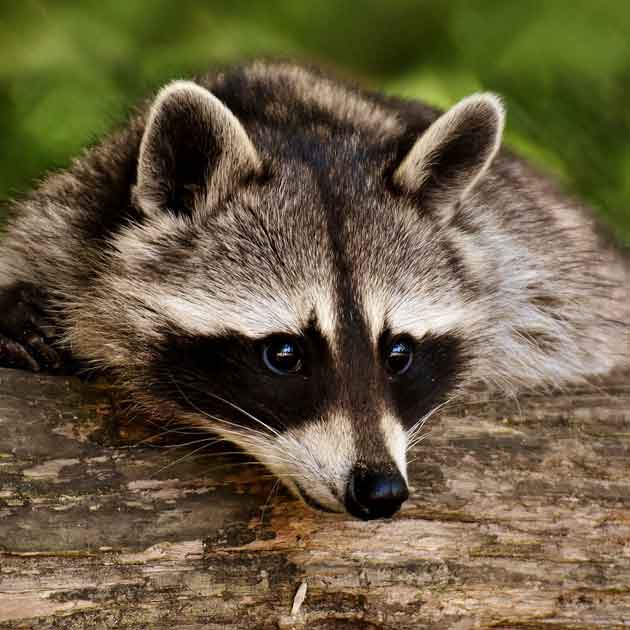



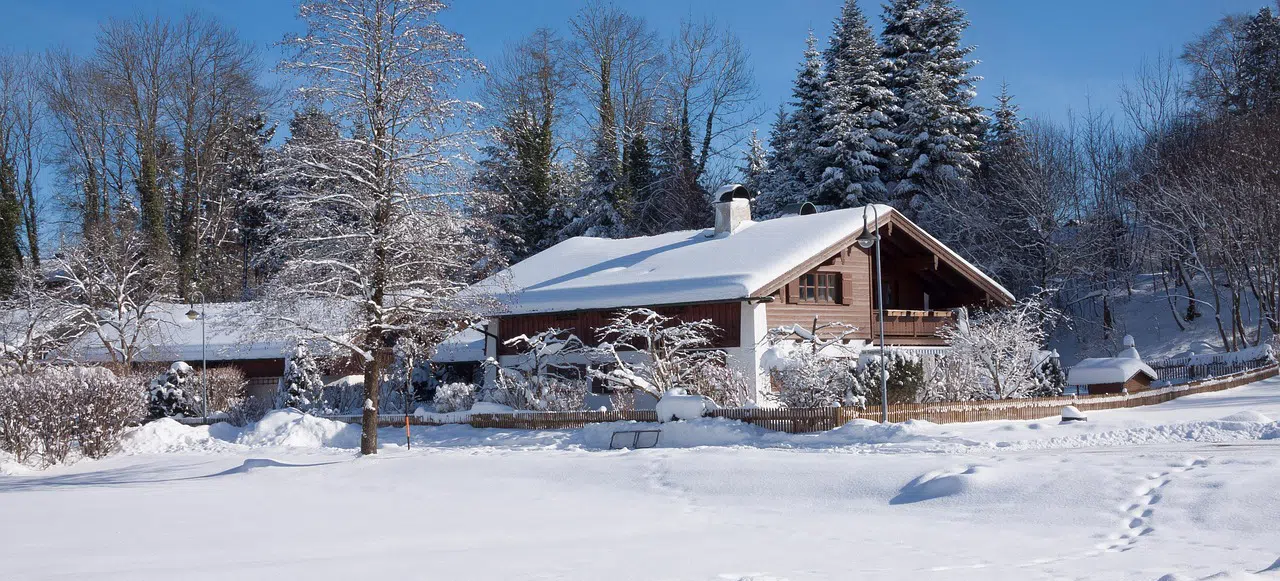
As temperatures drop below freezing and natural foraging is inhibited by snow and ice, raccoons enter a state of prolonged periods of sleep (called torpor), turning attics and crawlspaces into highly sought-after survival shelters.
There is a persistent myth of "it's ok to wait until spring" and that raccoons merely hibernate and will leave on their own accord once the worst of winter is over. In this article, we will discuss why this is approach would be greatly misguided and potentially very costly. Raccoons neither hibernate, nor necessarily move out with warmer weather.
When it comes to humane animal control, the time to act is the minute you discover raccoons in your home - Call Hawkeye Bird & Animal Control at once.
What Actually Happens to Raccoons in GTA Winters
Raccoons Do Not Hibernate
Instead, they enter short periods of torpor. This is a state of reduced activity that involves lowered metabolism, heart rate, body temperature, and reduced movement to conserve energy during periods of food scarcity and extreme cold.
Raccoons Are in Desperate Need of Warm Shelter
Cold snaps force raccoons to seek heat-retaining structures, preferably near food and water sources. During Ontario's harsh winter months, raccoons invade:
- Attics, crawlspaces, basements
- Utility rooms, boiler rooms
- Mechanical and service corridors
The modern, urban raccoon's chance of winter survival is actually much higher than its cousin's out in the woods. Both, residential and commercial buildings provide adequate shelter and often easily raided trash bins or dumpsters, bird feeders or outdoor pet food and water bowls. Additionally, larger predators (i.e., coyotes) often avoid areas with frequent human traffic and pose less of a threat to raccoons.
Why Winter Is a Good Time for Permanent Raccoon Removal
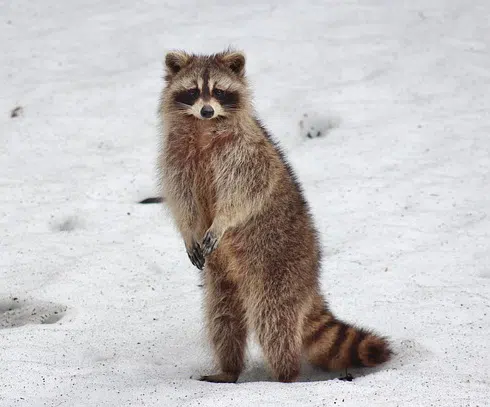 Some may think spring or summer is the ideal time to evict any unwanted furry tenants, but let’s look at why winter might actually be the best time for raccoon removal:
- Concentrated populations:
Unlike summer, when raccoons roam between multiple dens, winter forces them to stay in one primary, warm location. This makes locating and capturing the animal or family more efficient. - Minimal activity/high predictability:
Raccoons are less mobile in the cold. A professional can identify exactly which breach point is being used because the animal is forced to return to the same warm spot every night. - Spring prevention:
Removing a raccoon in winter prevents the "spring explosion"—eliminating the female before she gives birth to a litter of kits in your attic in March. Removal before spring breeding prevents multi-generational infestations.
Why Raccoon Repellents Fail in Freezing Temps
Are your raccoon repellents not working in winter? Raccoon repellents have little efficacy any time of year, but the coldest months may render them useless altogether.
- Scent repellents:
Scent repellents in liquid form freeze;
Repellents lose volatility;
Repellents become undetectable. - Sound/light deterrents:
Raccoons are smart and able to distinguish between an annoyance and physical danger;
Their survival instinct overrides mild fear of noise or light. - Chemical sprays and DIY methods:
Chemicals may be toxic and potentially illegal;
Sprays either freeze or are washed away by snow;
Repellents are often neutralized by ice.
Again, repellents are of little value at any time, but the need for food and shelter will override any deterrent response during the winter.
How to Locate Raccoons in Winter
- The "breadcrumb" trail
Fresh snowfall provides a perfect map of raccoon activity. Tracks leading to roof vents, soffits, or downspouts remove all guesswork from the inspection process. - Heat mapping (thermal imaging)
Professional-grade thermal cameras work well in cold temperatures. The high contrast between a warm raccoon body in the wall (or attic heat leak) and the freezing exterior air makes den sites glow on the monitor. - Entry point confirmation
Snow on the roof often melts near a raccoon entry point due to the escaping heat from the attic, creating "hot spots" that Hawkeye technicians use to pinpoint breaches.
Why “Humane” Raccoon Relocation Is the Cruelest Option in Winter
- The exposure death sentence
Relocating a raccoon 1 km away (the legal limit in Ontario) from its home range in -15°C weather is often a death sentence. The animal has no known shelter and no food stores and will likely freeze to death. - Territorial warfare
Winter territories are strictly guarded. A relocated raccoon will be attacked by resident raccoons who are also struggling to survive. - The boomerang effect
Because their survival depends on it, a relocated raccoon will do anything to return to your warm property. They often cause double the damage upon return, ripping through shingles, wood, and your carefully added barriers to get back to the only warm shelter they know. - Permanent raccoon removal
breaks the endless cycle of capture, relocation, and return (99% of relocated raccoons come back);
The animals are humanely trapped and euthanized without undue stress or discomfort.
Winter-Specific Property Risks Caused by Raccoons
- Breath and waste
Raccoons breathing and urinating in a cold attic creates unwanted moisture. - Structural decay
Moisture leads to wood and drywall rot and mould growth on the underside of the roof deck. - Ice damming
Raccoons often trample or move insulation. The resulting "hot spots" on the roof cause snow to melt and refreeze at the gutters, creating ice dams that can lead to major interior flooding during a mid-winter thaw. - Increased heating costs
Heat escapes your home through loss of insulation or roof damage, leading to increased costs during the winter months.
Why DIY Winter Raccoon Control Is Especially Dangerous
Raccoon trapping can be challenging in any climate or weather, but Ontario winters come with added risks due to snow and ice. Please do not attempt to climb your roof now - call Hawkeye.
- Aggressive behaviour during cold stress;
- Increased disease risk in enclosed spaces;
- Risk of falls, frostbite, and confined-space injuries;
- Legal risks of improper trapping or relocation.
Hawkeye’s Permanent Raccoon Removal for Winter
Hawkeye Bird & Animal Control is the ONLY Toronto wildlife agent offering permanent raccoon removal. The animal is caught in a live trap and humanely euthanized. It will never return. Guaranteed.
Who Benefits Most from Winter Permanent Removal
- Residential properties with recurring infestations;
- Commercial buildings with mechanical rooms;
- Schools, colleges, and care facilities;
- Municipal and government-owned properties;
- Industrial facilities with heat-emitting infrastructure,
Why Waiting Until Spring Makes Raccoon Problems Worse
While you may have just one raccoon occupying your attic at the moment, you may be looking at a mother with four babies in the spring. Act now.
- Birth of kits complicates removal timelines;
- Structural damage compounds under snow melt.
FAQs About Winter Raccoon Removal
Q: Does snow cover make raccoons harder or easier to track?
A: Paw prints as well as droppings are easy to spot in the snow. You should do a walk-around-inspection of your home weekly.
Q: Are winter raccoons more aggressive toward humans or pets?
A: Aggression depends a great deal on the location of the encounter. In a small, confined space where the animal may feel threatened, aggression can definitely be expected. Startling a sleeping raccoon may also trigger a fight response.
Q: Do raccoons share winter dens with other animals?
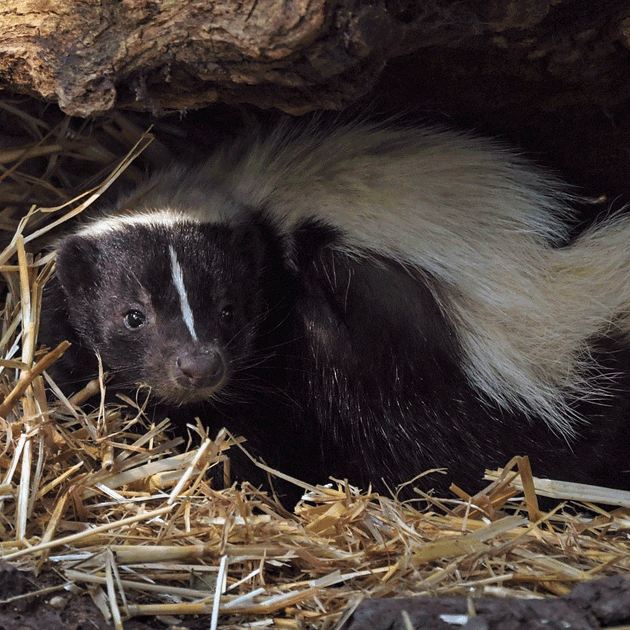
A: No, raccoons are largely solitary animals and don't subscribe to communal dens (unlike skunks). That said, juvenile raccoons often spend their first winter with their mother, so if you see four or five raccoons together, you're likely looking at a family.
Q: My roof has one patch where the snow always melts first; is that a raccoon entry point?
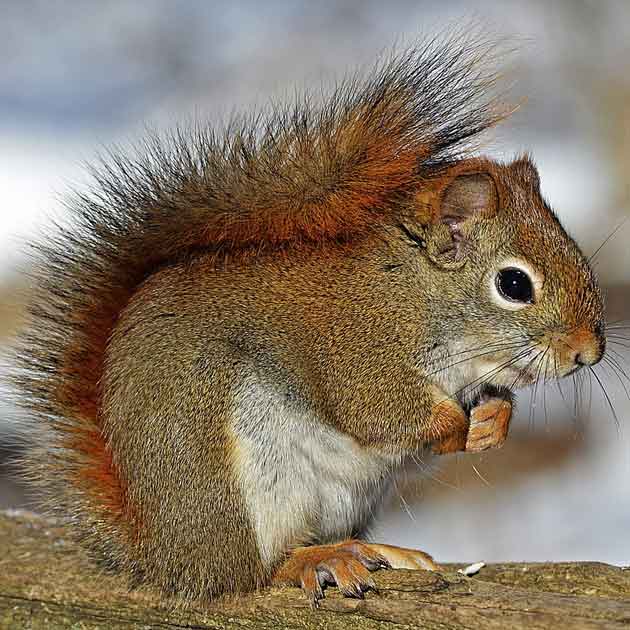
A: Indeed, your roof and attic warrant a thorough inspection - the culprits can be raccoons or squirrels.
Q: Will sealing entry points alone stop a winter raccoon infestation?
A: All wildlife control usually demands fighting the battle on all fronts. That means, that you'll need to remove any potential food and water sources (i.e., secure trash, lock away pet feed, etc.) and patch and reinforce any existing structural vulnerabilities.
Q: How do you handle raccoon trapping when the ground is frozen?
A: As long as there is a level surface, frozen ground is not an obstacle for setting a trap if you’re looking to get rid of raccoons.
Q: How do you prevent trap mechanisms from jamming or bait from freezing in freezing temps?
A: Ideally, if the trap is set outdoors, it should be in a covered area to prevent rain or snow from settling on the trap. Moisture control is really the biggest issue. Mind you, winter trapping often takes place in attics, so freezing is not a big concern. In any case, a trap needs to be monitored, no matter when or where it is placed.
Q: Can I use a "one-way door" during a GTA cold snap?
A: A one-way-door may prevent a racoon from re-entering the way it came but it may also inspire it to find or create a new access point into your home.
Q: If a raccoon is relocated in winter, can’t it just find a warm barn or shed to survive?
A: Raccoons are quite territorial and chances are that the warm barn or shed already has another occupant. Unfortunately, raccoons relocated during the winter have a low chance of survival.
Q: Do raccoons return to the same winter den every year?
A: Yes, raccoons have highly refined homing instincts and do return to familiar locations year after year.
Q: Is emergency raccoon removal more common during cold snaps?
A: Indeed, Hawkeye does get a lot of calls during cold spells, either because a desperate critter has just made entry or the homeowner has just discovered some uninvited guests due to roof damage and heat loss.
Call Hawkeye for Winter Raccoon Removal in the GTA
Cold weather reveals more than it hides. Deterrents fail, relocation fails, and waiting fails. Permanent raccoon removal in winter is proactive, legal, and guaranteed.
Contact Hawkeye Bird & Animal Control for raccoon control in Toronto and surrounding areas; act now before spring raccoon breeding begins.
Hawkeye's raccoon removal services are available all across Southern Ontario, including Toronto , Scarborough , Brampton, Vaughan , Markham , Ajax , Pickering , Newmarket , Etobicoke , Oshawa , and Mississauga .
Related Articles:
https://www.hawkeye.ca/blog/raccoons-in-autumn-winter
https://www.hawkeye.ca/toronto-animal-control-services-solutions
https://www.hawkeye.ca/blog/permanent-raccoon-removal-vs-raccoon-relocation
https://www.hawkeye.ca/blog/can-you-get-rid-of-raccoons-permanently
