 CA
CA US
US



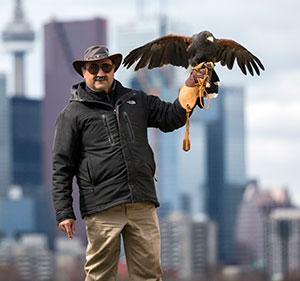
In our digital age, a single guest video of a raccoon on a hotel balcony or near a buffet can go viral, causing a resort or hotel irreversible brand damage and reputational suicide. And raccoons nesting in hotels or resort facilities? Talk about a disaster.
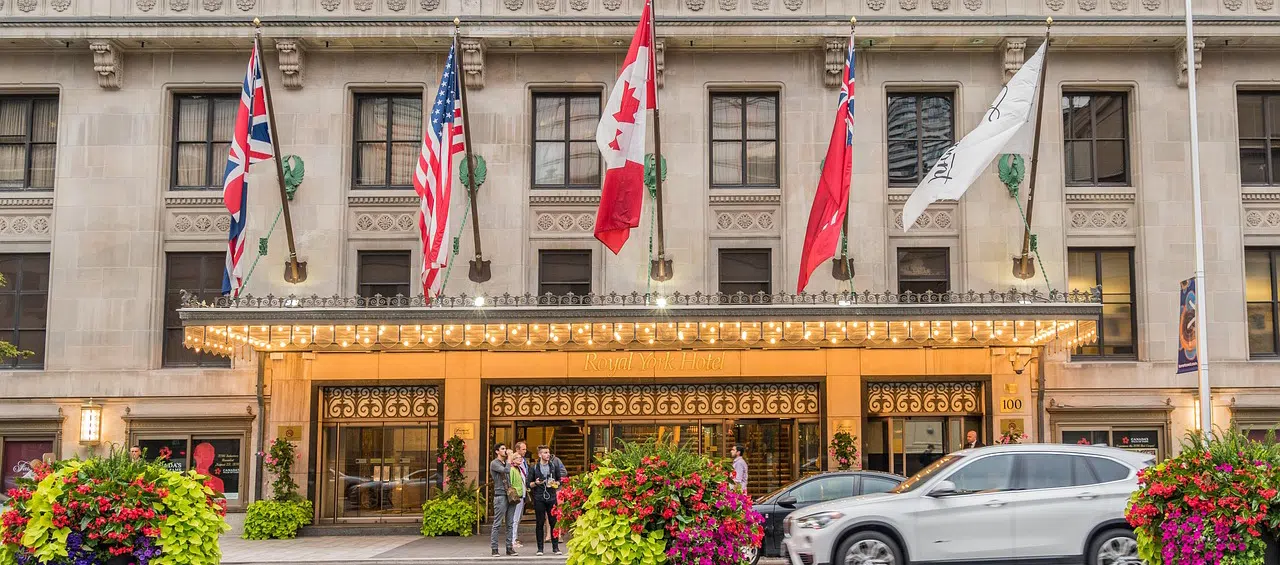
The hospitality industry is a huge magnet for opportunistic urban raccoons. Hotels and resorts offer 24/7 food availability, heated structures, and complex landscaping. That’s why immediate, discrete, and professional raccoon removal for resorts, hotels, and other vacation properties is so critical.
Spots Raccoons Commonly Invade: Resorts vs. Hotels
While a hotel's main draw may be food, the landscape and location (such as near water) of a resort may be the main focus of their raccoon visitors.
Hotels
- Rooftops and HVAC units
- Garbage compactors and loading docks
- Balconies and guest room soffits
- Parking structures and service corridors
Resorts
- Cabins, villas, and cottages
- Outdoor kitchens and bar areas
- Pool houses, spas, and saunas
- Boardwalks, docks, and waterfront structures
The High Price of Raccoon Infestation in Hotels & Resorts
From a viral video to a few spotty online reviews, your reputation can take a hit in no time at all. That's why timely raccoon removal for hotels and resorts is so critical.
Guest Experience & Reputational Damage
- Noise complaints during overnight stays
- Raccoons entering guest-only zones
- Health and sanitation concerns
Operational & Financial Costs of Raccoon Infestations
- Room downtime due to odours or damage
- Early check-outs
- Emergency maintenance expenses
- Sanitation and deep cleaning costs
- Insurance claim complications
- Reduction in repeat bookings
- Loss of high-value bookings (corporate retreats, weddings, conferences)
Health, Safety, & Liability Risks for Hospitality Properties
- Risk of bites or scratches for guests, both adult and children
- Raccoon droppings in guest-accessible areas
- Contamination of pools, dining or wellness facilities
- Staff safety risks during cleanup or encounters
- Legal exposure from preventable wildlife incidents
Wildlife incidents escalate faster at hospitality properties than they do at other commercial properties because the attraction is multi-layered. It's not just about a cozy den space, not just about readily available food, or just about nearby water sources. Most often, it's all of the above.
 Seasonal Raccoon Risks to Resorts & Hotels
The following sampling of seasonal risks faced by hospitality properties underline why it’s so necessary to get rid of raccoons as soon as possible. Ignoring the problem can be an extremely costly mistake
Spring
- Breeding season increases the need for a safe den
- Nursing mothers depend on additional food sources
- Increased aggression to defend offspring
- Nesting near guest rooms and mechanical spaces
Summer
- Peak guest activity and nocturnal raccoon movement
- Food waste attraction escalates
- Maximum draw to outdoor patios and restaurants
Fall
- Pre-winter denning inside structures
- Increased food drive in preparation for winter
Winter
- Raccoons sheltering near heated facilities
- Silent damage during lower occupancy periods
What Should You Do at the First Sign of Raccoon Activity
The absolute worst thing to do is to ignore any sign of raccoons around your resort or hotel property. Develop a reporting system for staff and educate them on what to look for.
Early warning signs
- Unusual noises in heating shafts, ceilings, utility rooms
- Scratch damage to vertical structures
- Unpleasant, musky smell
What staff should report (and not intervene with)
- Any early warning signs (see above)
- Adult raccoon sighting
- Sounds of raccoon kits (babies): crying or chirping
- Inexplicable mound or trail of random materials (this could indicate denning materials)
- Raccoon feces indoors our outside
Timing is critical, especially during breeding season. An expecting mother looking for the perfect nursing den may be persuaded to move on but once her litter is born, she will stay put until mid to late summer. If a raccoon has found its way into your hotel or resort, it's time to escalate to professional wildlife removal.
Contact Hawkeye Bird & Animal Control today, your top option for permanent, licensed raccoon removal in the GTA today.
Challenges Unique to the Hospitality Environment
- The 24/7 Operational Conflict: Removal and repairs must be performed without disturbing guests or interfering with check-in/check-out cycles.
- The "Cute Factor" Trap: The danger of guests or staff feeding "friendly" raccoons, which leads to habituation and eventual aggression.
- Discretion Requirements: The need for professional, unmarked, or low-profile wildlife management to avoid alarming high-end clientele.
What Resorts & Hotels Commonly Try (and Why It Fails)
Raccoons are bright, opportunistic, and much more athletic than you may think. They learn by observation and are quite adept at problem solving. DIY raccoon deterrents and devices hailed as being able to repel raccoons may work for a day or two, but the animals will quickly learn that there is no physical danger and promptly ignore them. Here are some of the common solutions resorts and hotels might try:
- Repellents around dumpsters and patios
- Motion lights and sound deterrents
- Temporary fencing or netting
- Basic exclusion without removal (may trap animals inside)
- Calling general pest control companies
Raccoon repellents for hotels are rarely effective. Especially in a hospitality environment, none of these methods above will stop return visits. In fact, they may escalate raccoon behaviour. Don't risk a false sense of security and your guests becoming aware of your raccoon infestation.
DIY Trapping and Relocation
- Maintenance Staff Mistakes
Having janitorial or maintenance staff handle wildlife is an OSHA/Ministry of Labour liability and often results in the animal being pushed deeper into the building. - Relocation Loop
Business owners and standard pest companies must release raccoons within 1 km. In a resort setting, that raccoon is back on your patio before the guest finishes dinner. - The Trap-Shy Resident
Remember how smart that raccoon is? If he's been caught and released before, he knows the drill. He will give the next trap set an extra-wide berth. Failed relocation creates a trap-shy raccoon.
Legal & Compliance Considerations for GTA Resorts & Hotels
- Wildlife laws affecting hospitality properties
In almost all GTA municipalities, the feeding of wildlife is prohibited. Ensure your staff complies and post signage for guests. - Why relocation is restricted
Raccoons must be released within a kilometre of their capture for 2 reasons: to prevent the spread of disease (raccoons are the main carrier of rabies) and to give the released animal a chance of survival. If the animal were to be released miles and miles away from where it was caught, it would likely die from starvation or in territorial fights. - Liability risks of unlicensed removal
Trapping and releasing raccoons nesting in hotels outside of the law leaves your business with fines and negative publicity - the very thing you'll want to avoid. - Importance of using authorized wildlife professionals
While there are many wildlife operators in the GTA, only one company offers permanent raccoon removal. That company is Hawkeye.
Resort vs. Hotel: Tailored Raccoon Removal Strategies
Hotels
- Rooftop-focused removal
- Waste management hardening
- Mechanical zone protection
Resorts
- Multi-structure monitoring
- Cabin-by-cabin risk assessment
- Waterfront deterrence planning
Tactical Implementation Plan
- Nighttime Forensic Audit
It's important to identify paths and dens using thermal imaging while the hotel is quiet. - Permanent Extraction
Targeted trapping and humane euthanasia guarantees that the offending animal(s) cannot return. - Odour & Biohazard Neutralization
Removing all remnants of the den and latrine is as important for your guests as it is to stop structural damage. - Point of Entry (POE) Seal
After the raccoon has been successfully evicted, it's time to identify and reinforce the soft spots in the building envelope.
It's crucial to engage professional help, especially to find raccoons using thermal imaging, targeted trapping, relocation, and euthanasia (permanent removal).
The Ultimate Solution for Resorts: Permanent Raccoon Removal
What “Permanent” Means in Hospitality Settings
- Legally authorized removal of raccoons (no relocation loop)
- Breeding-season safe handling
- Structural sealing adapted to hospitality buildings
- No repeat costs
Why It Matters for Hospitality Brands
- No recurring guest incidents
- Predictable maintenance planning
- Long-term cost savings
- Brand protection
Hawkeye: The Only Company with a Guarantee
Hawkeye Bird & Animal Control is a leader in the wildlife removal industry in North America. Over 35 years of experience and expertise, a unique set of licenses, the use of modern technologies and equipment, and the ongoing training of all staff guarantee a legal and humane approach to raccoon control for hotels and resorts. Call Hawkeye today!
FAQs: Raccoon Control & Removal for Resorts and Hotels
Q: Will ultrasonic bird/pest devices keep raccoons off our guest balconies?
A: No, unfortunately ultrasonic devices will have no long-term success with keeping raccoons off your guest balconies. Raccoons will realize quickly that these devices are annoying, rather than dangerous and learn to ignore them.
Q: Can we use chemical repellents in our outdoor dining areas?
A: You could use some chemical repellents in outdoor dining areas, although it is not recommended. Unfortunately, scent based repellents have little efficacy outdoors and must be reapplied daily. Also, please keep in mind that common products such as mothballs are toxic to pets and may dampen the dining experience for guests.
Q: We have a resident raccoon that guests like; do we have to remove it?
A: Yes, you should absolutely remove the raccoon, even if guests are enthralled by your visitor. Raccoons cause damage—there's no way around that. And they may be a draw for other (bigger!) wildlife to your property. As much as humans like to watch and feed wildlife, it's illegal. It is also terribly unhealthy for the animals. Our processed foods do not meet their nutritional requirements, so we aren’t doing them any favours by filling them up with empty calories. The resulting decrease in natural foraging is also harmful to raccoons.
Q: How do you remove a raccoon from a high-rise hotel roof without using cranes?
A: A certified wildlife technician can discreetly use service elevators to reach the roof and set targeted traps. Once trapped, the animal can be carried downstairs and outside the same way.
Q: Is it safe for guests to use the pool if a raccoon was spotted on the deck?
A: Oh dear. No, it is not. You will need to shut down the pool for about 48 hours. If there is any visible debris (feces), remove with gloves and double bag before discarding. Shock the water and run your filtration system for 48 hours. This should make your pool ready for use again.
Q: Are wildlife repellents safe around pools and spas?
A: Few wildlife repellents have noticeable success rates. Products such as sprinklers or lights are safe around pools and spas but you should stay away from any chemical solutions.
Q: How do we handle seasonal infestations where raccoons only appear in the winter?
A: Raccoons visiting your property only during the winter months likely means that neighbouring buildings offer no access and yours does. A thorough inspection is needed and after the raccoon has been removed, all identified weak points should be addressed (i.e., repaired or reinforced).
Q: Can repeated raccoon sightings impact hotel health inspections?
A: Oh, repeated sightings can definitely impact your inspections. Along with your reputation and overall profitability. Particularly, if you offer dining space, any wildlife contamination could have serious consequences.
Q: Are deterrents effective for waterfront resorts?
A: Raccoon deterrents are largely ineffective in waterfront resorts. The draw of water and likely food is far greater than the dislike for any deterrent. Waterfront resorts usually require raccoon removal, rather than deterrents.
Q: How often should resorts schedule wildlife inspections?
A: The intervals of wildlife inspections depends on the type of the resort, its operation (seasonal vs. year-round), and its wildlife intrusion history. A certified wildlife technician can do an initial inspection and advise on remedies and periodic checkups thereafter.
Raccoon Removal for Hotels & Resorts in the GTA
In the hospitality industry, you aren't just paying for raccoon removal; you are paying for the protection of your brand's 5-star rating and for the safety and comfort of your guests. Protect your business and its reputation by scheduling your wildlife assessment with Hawkeye today. Call (416) 429-5393 for and permanent, guaranteed raccoon removal.
Hawkeye's raccoon removal services for hotels and resorts are available all across Southern Ontario, including Toronto , Scarborough , Brampton, Vaughan , Markham , Ajax , Pickering , Newmarket , Etobicoke , Oshawa , and Mississauga .
Related Articles:
https://www.hawkeye.ca/blog/7-reasons-why-you-should-avoid-removing-a-raccoon-yourself
https://www.hawkeye.ca/blog/permanent-raccoon-removal-in-winter-gta
