 CA
CA US
US


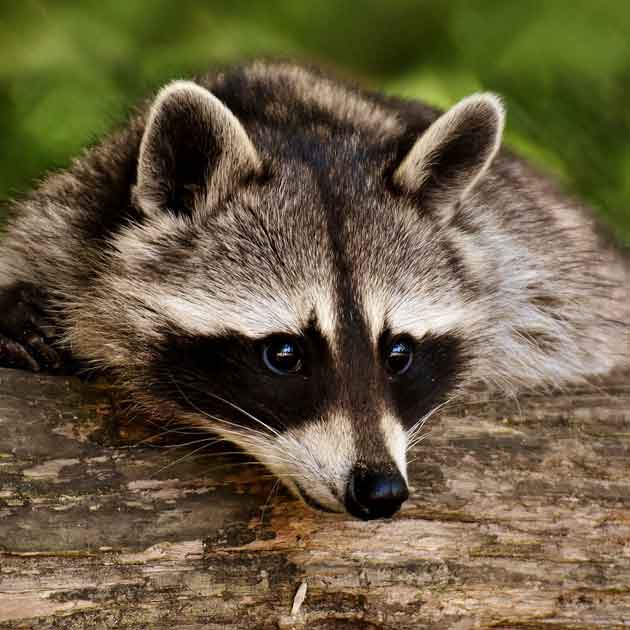
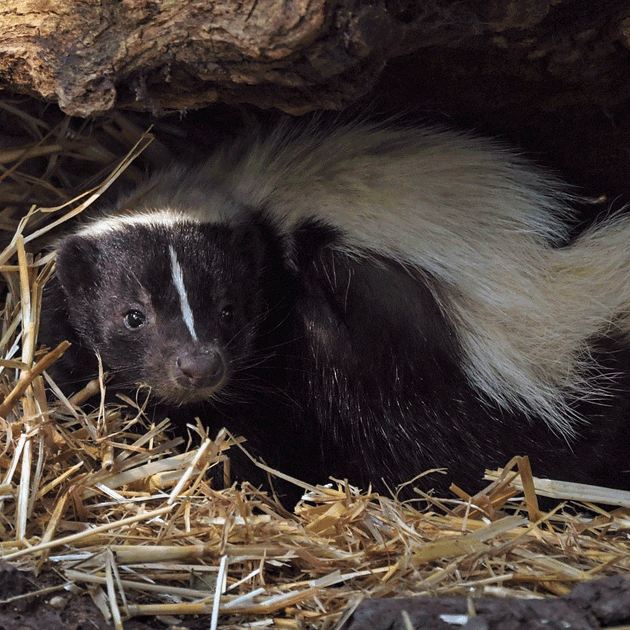
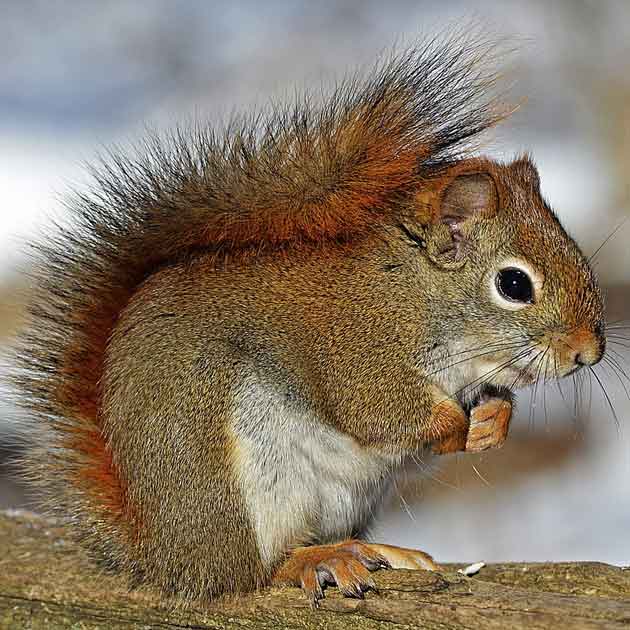



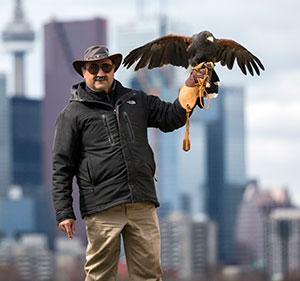
Even though today's waste transfer stations are generally kept tidy and clean, they still attract local wildlife, raccoons in particular. (Raccoons have earned the nickname of "trash pandas" for a reason!) This situation is why waste transfer station raccoon removal has become an important operational consideration for many GTA facility operators.
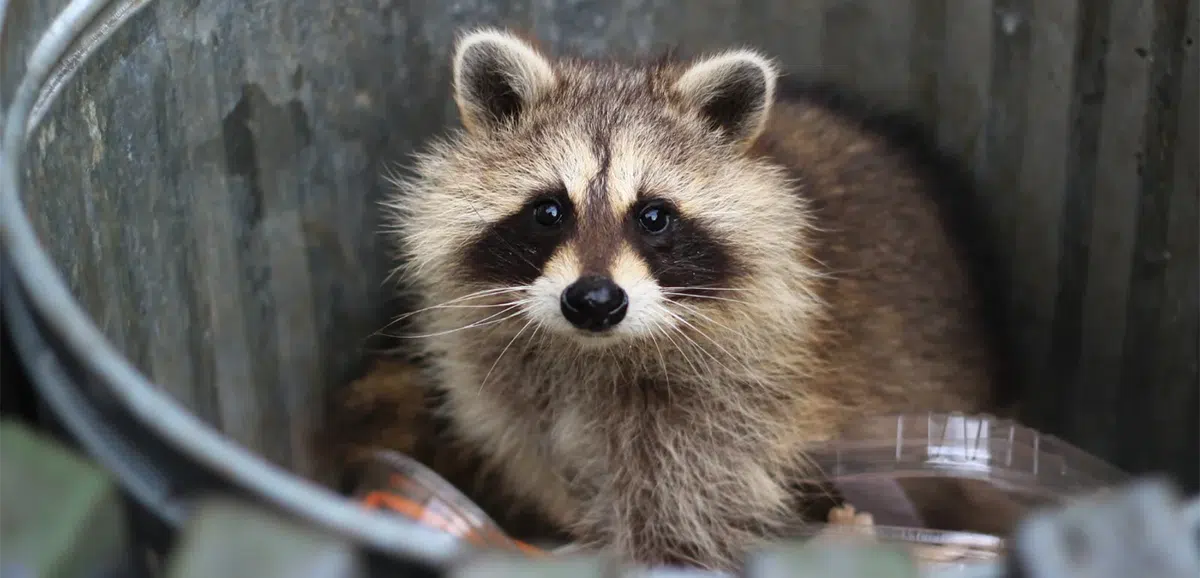
Transfer stations offer a constant food supply of organic and other food waste and quiet, undisturbed roaming time during off-hours.
Moreover, the GTA's dense urban raccoon population and strict relocation laws make raccoon control at transfer stations challenging, so rather than just being a nuisance, the animals pose real operational risks.
Risks of Raccoon Activity at Waste Transfer Facilities
Health & Compliance Risks
- Contamination of waste streams
- Risk of zoonotic diseases (impact on worker safety compliance)
- Failing municipal or environmental inspections
Infrastructure & Equipment Damage
- Damage to compaction systems, wiring, insulation
- Raccoons nesting around balers, conveyors, or control panels
Business Impact
- Costs associated with addressing a raccoon infestation at waste transfer station sites
- Increased cleanup and sanitation costs
- Operational downtime due to equipment interference
- Reputational risk for municipal/private operators
Impact on Wildlife
- Human leftovers and processed food in general do not satisfy a raccoon's nutritional needs
- Filling up on dumpster food discourages foraging for natural and healthier sustenance
Why Standard Raccoon Control Fail at Waste Transfer Stations
The almost ideal environment of a waste transfer station makes raccoon exclusion practically impossible.
Continuous Food Source Overrides Deterrents
- Open waste and organic material create a high-reward environment.
- Raccoons quickly ignore lights, noise devices, or repellents.
Open Facility Design Limits Exclusion
- Large tipping floors, loading bays, and moving vehicles
- Impossible to fully seal entry points like a building
High Turnover Environment Attracts New Wildlife
- Even if some raccoons are removed, others are drawn in quickly.
- Standard trapping programs don’t keep up with population pressure.
Relocation Does Not Work in Urban GTA Conditions
- Raccoons return due to strong territorial memory
- When one animal is removed, the nearby populations fill the gap rapidly
Effective raccoon control for waste management facilities requires ongoing, long-term population management rather than temporary deterrents or passive solutions.
Avoid DIY Raccoon Control in Waste Transfer Stations
DIY solutions to control or deter raccoons are largely unsuccessful, even in a controlled environment (which a transfer station is not).
Legal Restrictions in Ontario
- Trapping and relocation within 1km does not work - raccoons almost always return.
- Trapping and euthanizing raccoons requires a professional with specific licenses and authorization.
- Unauthorized handling can lead to compliance issues and fines.
Worker Safety Risks
- Raccoons can be aggressive, especially in high-competition environments and/or during breeding season
- Risk of bites, scratches, and disease exposure
Operational Conflicts
- Wildlife control requires consistent monitoring and timing
- Facility teams are focused on waste operations, not wildlife management
Inconsistent Execution Leads to Failure
- Sporadic trapping or response-based actions
- No structured population control plan
False Sense of Control
- Temporary reduction in raccoon sightings does not equal actual problem resolution
- Problems resurface quickly and escalate quickly
Waste transfer stations need licensed raccoon removal and specialized intervention, not internal or reactive efforts.
High-Risk Zones Within Waste Transfer Stations
Depending on the type and location of the transfer station, there can be different problem areas. In more rural areas, dumpsters are often locked outside of operation and opening hours may be limited to a few hours on a limited number of days.
Some of the higher-risk zones for raccoon infestation within a waste transfer station include:
- Tipping floors and waste piles
- Trailer staging and overnight parked haulers
- Compactor and baler areas
- Roof voids and mechanical rooms
- Perimeter fencing gaps and stormwater drains
Hawkeye’s Permanent Raccoon Removal for Waste Facilities
Unlike all other GTA wildlife removal companies, Hawkeye's permanent raccoon removal offers a real solution with immediate results.
Licensed Authority (Critical Differentiator)
- Legal ability to trap and euthanize raccoons
- Compliance with Ontario wildlife regulations
True “Permanent Removal” Model
- Eliminates raccoons instead of relocating them
- Prevents return of the same animals
- Breaks the infestation cycle
Facility-Specific Execution
- Specialized raccoon removal for industrial waste facilities and transfer stations
- Hawkeye works around a facilitie's operational hours
- Permanent raccoon removal can target high-activity zones within transfer stations
- Permanent removal is a long-term raccoon management plan
Proven Outcome
- Reduces raccoon population pressure on-site
- Prevents the repeated infestations inevitable with relocation
Raccoon Prevention Strategies for Waste Transfer Stations
Successful wildlife control for waste facilities combines sanitation, exclusion measures, and ongoing population management.
Waste Handling Improvements
- Minimize exposed organic waste overnight
- Faster waste turnover where possible
- Activate electric fencing outside operation hours
Structural Adjustments
- Reinforce vulnerable access points (roof gaps, vents) for buildings
- Secure fencing and entry points
Sanitation Practices
- Regular cleaning of tipping floors
- Eliminate residual food buildup
Even with best practices, prevention alone cannot eliminate raccoon presence in active waste environments.
Permanent Raccoon Control Is the Only Scalable Solution
GTA waste transfer stations will always attract raccoons, and temporary solutions just won't do. Feeding the relentless cycle of trap and relocate incurs compounding damages and costs and increases the risk of disease transmission. The goal is not deterrence but population control and elimination. Permanent raccoon removal and continuing population control support long-term operational stability for transfer stations.
Hawkeye: Your Specialized Partner for High-Risk Facilities
Protect your facility, workforce, and compliance standards with a solution designed specifically for waste transfer environments—not generic wildlife control. Hawkeye Bird & Animal Control is the only GTA wildlife agent licensed and able to offer a proven, permanent raccoon removal solution for high-risk, complex facilities like waste transfer stations.
Hawkeye's raccoon removal services are available all across Southern Ontario, including Toronto , Scarborough , Brampton, Vaughan , Markham , Ajax , Pickering , Newmarket , Etobicoke , Oshawa , and Mississauga .
Related Articles:
https://www.hawkeye.ca/raccoon-prevention-exclusion
