 CA
CA US
US

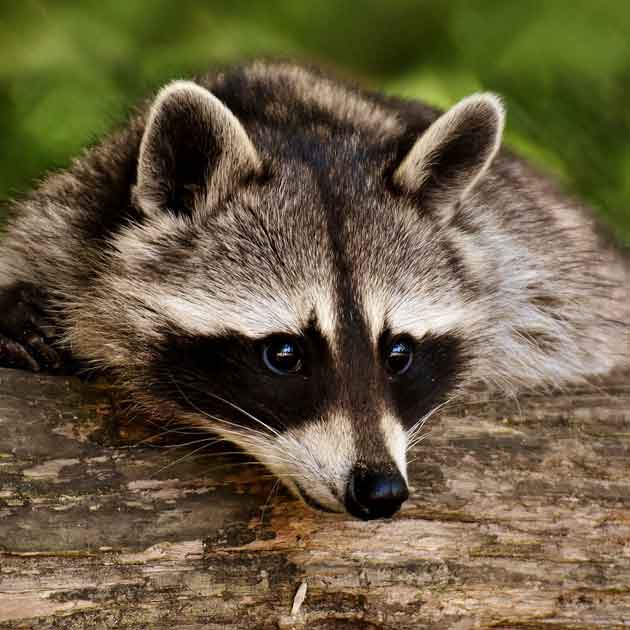



Poultry farmers beware: If a raccoon has entered your poultry area once, it will return - again and again. Without intervention, your birds will be under constant attack.
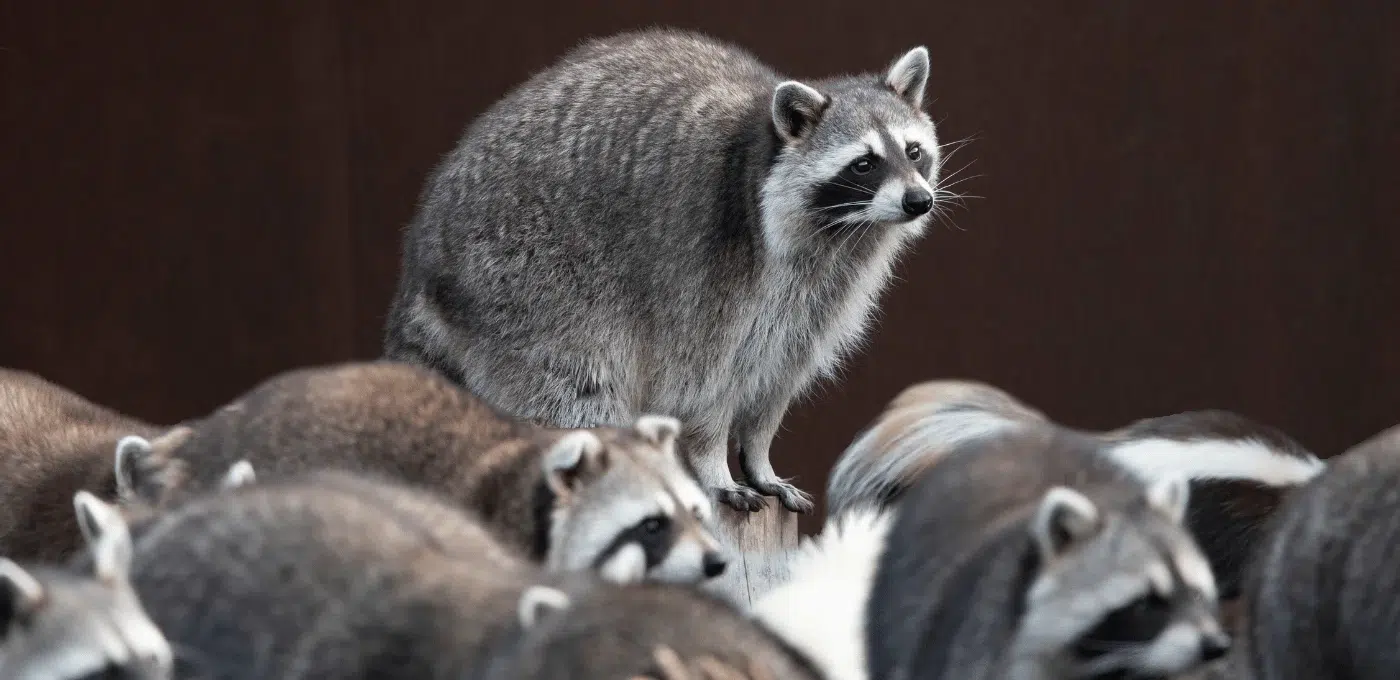
Aside from the obvious draw of a smorgasbord of tender birds eggs, and feed, poultry farms are ideal targets for raccoons as they are often found amid a mix of urban and rural landscapes and offer access from ravines, wooded areas, and drainage corridors. Added shelter provided by coops and barns makes your poultry farm a targeted feeding zone.
Even a single animal can quickly lead to a serious raccoon infestation at a poultry farm if the problem is not addressed promptly. It's critical to protect yourself from the economic and emotional impacts of losing your high-value breeding stock, commercial production downtime, and biosecurity breaches.I
Types of Poultry Operations Most Affected by Raccoons
Raccoons can ravage coops of all sizes that house all sorts of poultry - and the outcome is devastating, no matter what.
Small Backyard Poultry Setups
- Lightweight coops often lack structural security and are easy to break into.
- Poor nighttime security allows nocturnal predators like raccoons to gain access to the birds.
Hobby Farms & Medium-Scale Poultry Farms
- Open runs and poultry kept outdoor allows for raccoon access.
- Dusk and night time increases exposure to predators.
Large Commercial Poultry Farms
- Feed storage attracts raccoons.
- Structural entry points in barns and ventilation systems increase the risk of a breach.
- Risk of large-scale loss in a single night.
Signs Your Poultry Farm Has Raccoons
It is disheartening to find dead birds in the morning and sometimes it isn't immediately clear what type of predator is to blame. Here's how you can recognize a raccoon's handiwork:
- Missing chickens or chicks overnight.
- Partially eaten birds (raccoons often kill multiple animals).
- Broken coop doors, torn wire mesh.
- Eggs disappearing regularly.
- Tracks, droppings, or nighttime disturbances.
Many producers begin searching for how to stop raccoons killing chickens after experiencing unexplained overnight losses.
Raccoon Risks at Poultry Farms
The damage that even one raccoon can cause in a single night can be devastating. Consider the following:
Mass Killing Behaviour
- Raccoons don’t just take one bird but often kill multiple chickens in one attack
- Chickens are killed but not eaten
Disease Transmission Risks
- Contamination from raccoon droppings
- Spread of parasites and bacteria
Structural Damage
- Destroyed coop doors, fencing, roofing
- Raccoons dig under outdoor runs
- Ongoing repair and replacement costs
One raccoon can wipe out weeks or months of production overnight.
Assessing Your Scale: Solutions for Every Producer
Depending on the size of your operation, solutions and prevention methods vary.
- Backyard & Small-Scale Farms
The focus needs to be on structural reinforcement and nocturnal locking protocols. - Mid-Sized Operations
In addition to fortifying your structures, you'll also need to manage attractants like feed storage and manure piles. - Commercial Poultry Facilities
Large poultry operations and barns require high-level biosecurity integration, perimeter defence, and proactive raccoon control for chicken farms.
Regardless of operation size, the best way to stop raccoons killing chickens is to combine professional removal with improved structural security.
Why DIY Raccoon Control for Poultry Farms Fails
With barns and livestock sheds raccoon exclusion is likely not an option. Re-enforcing structures simply isn't sufficient as raccoons can:
- Open latches
- Tear through wire and barn board
- Dig under enclosures
Effective raccoon removal for poultry farms requires addressing both the animal and the conditions attracting it to the property.
 Common DIY Solutions
- The Problem with Trapping & Relocation
While raccoon trapping usually works, the animals are smart and learn quickly. Once released (no more than one kilometer away), the animal will simply return. Unfortunately, the raccoon now understands what a trap is all about. It will avoid anything resembling a cage or trap; you are now dealing with a trap-shy raccoon that becomes that much harder to catch. - Deterrents vs. Reality
The limited effectiveness of lights, radios, and scent-based repellents on food-motivated predators like raccoons promises very short-term success at best and yields no results at worst. - The Safety Risk
When farmers handle raccoons without professional PPE and safety protocols, zoonotic disease transmission (i.e., roundworm, rabies, leptospirosis) is of great concern.
Common DIY Mistakes
- Temporary fixes to coop structures don't hold up over time.
- Attempting to scare or block entry without raccoon removal is not successful long-term.
- Ignoring nesting activity nearby may attract other and larger predators.
Risk to Farmers
- Aggressive raccoon encounters during removal attempts can result in serious injury.
- Increased risk of coming face to face with aggressive raccoons during baby season.
Why Raccoon Relocation Is Not a Solution for Poultry Farms
In Ontario, all trapped wildlife must be relocated within one kilometre from the capture site or be euthanized. This includes raccoons.
The Reality of Raccoon Relocation
Raccoons can travel many kilometres a day to forage and usually make it back to their home range (the capture site) within hours. And, with the ongoing overpopulation of raccoons in both rural and urban environments, other animals will quickly replace ones that have been removed from your poultry farm. Relocation protects the raccoon—not your poultry.
Hawkeye's Permanent Raccoon Removal for GTA Poultry Farms
Because relocation simply does not work for GTA poultry farms, you need a permanent solution. Permanent raccoon removal breaks the cycle of trap and return. Hawkeye’s unique position as the only company in the GTA with the specific licensing to trap and euthanize raccoons allows us to ensure that the raccoon will NOT return to your property. Guaranteed.
Raccoon Prevention for Poultry Farms (After Removal)
After a raccoon has been permanently removed from your poultry housing or farm, it's time to fix or replace damaged areas, or upgrade your structure.
- Secure coop doors with reinforced latches
- Upgrade wire mesh (hardware cloth vs. standard chicken wire)
- Eliminate feed spillage
- Secure garbage and compost areas
- Close gaps in barns and storage units
You should definitely consider regular inspections of your structures and address any possible entry points that could be exploited. Raccoon prevention and exclusion is an ongoing maintenance plan, rather than a one-time project.
Time To Take Action Against Raccoons
Don't wait until your livestock gets attacked! If you're noticing any of the following signs, it's time to call for professional wildlife removal:
- Missing birds overnight
- Repeated egg loss
- Visible damage to coop or fencing
- Raccoon sightings near poultry areas
- Noise or disturbance at night
A professional raccoon removal service for poultry farms can help prevent ongoing losses and reduce the risk of future attacks.
Contact Hawkeye Bird & Animal Control
If you're looking to get rid of raccoons at poultry farms permanently, acting quickly is critical.
Once raccoons have found their way into your coop, they will return—again and again. Relocation does not work, because raccoons almost always come back. Permanent raccoon removal is the only way to protect your poultry operation and your investment long-term.
Hawkeye provides raccoon removal for poultry farms throughout Southern Ontario and specializes in permanent raccoon removal for poultry farms facing ongoing predator issues.
Hawkeye's permanent raccoon removal services are available year-round. Call us today!
Hawkeye's wildlife technicians service all of Southern Ontario, including Toronto , Scarborough , Brampton, Vaughan , Markham , Ajax , Pickering , Newmarket , Etobicoke , Oshawa , and Mississauga .
Related Articles:
https://www.hawkeye.ca/blog/are-raccoon-repellents-mothballs-ammonia-lights-effective
https://www.hawkeye.ca/blog/permanently-get-rid-of-raccoons
