 CA
CA US
US

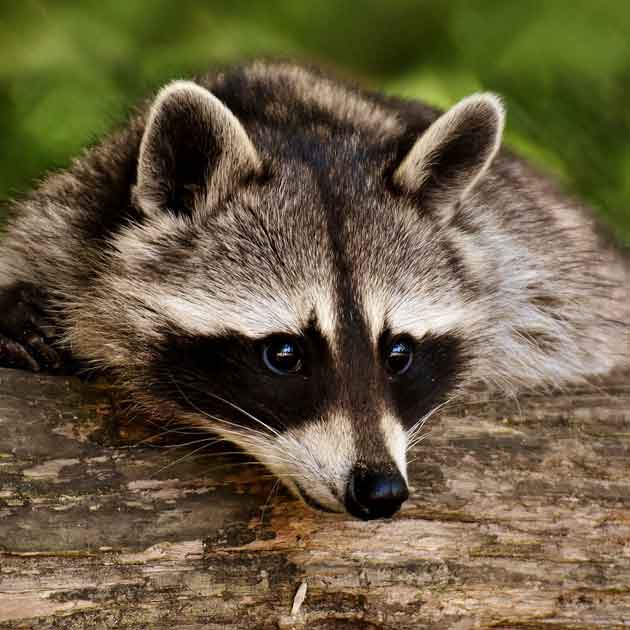



A chimney can provide a warm, sheltered, and elevated space for raccoons to den, particularly during Toronto's harsh winters.
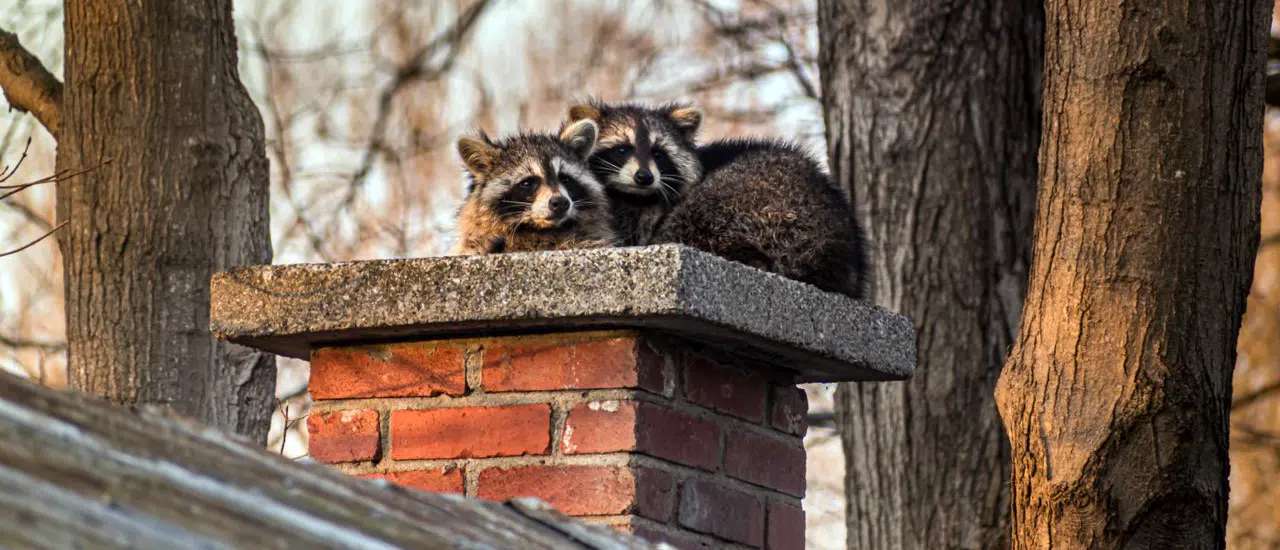
Getting a raccoon out of a chimney isn't simply a matter of making noise or blocking the chimney. The appropriate approach depends on whether the chimney is currently occupied, whether young are present, and whether the animal has another way to exit. Chimney access should be handled carefully because improper removal can trap or injure the animal and create a bigger problem.
When Do Raccoons Usually Enter Chimneys?
- Late winter and spring can be particularly important because chimneys may be selected as protected denning locations during the breeding period.
- During the hot summer months, chimneys can provide cool shelter.
- Fall can also bring renewed interest in sheltered locations as raccoons seek protection from the changing weather.
Chimney use by local wildlife isn't necessarily limited to one season, so a chimney shouldn't be left unprotected simply because activity isn't currently visible.
How Can You Prevent Raccoons from Getting into Your Chimney?
Ideally, you'll want to prevent a raccoon infestation before it occurs. Regular inspection and maintenance can go a long way here.
Install a Suitable Chimney Cap
A chimney cap is just what it sounds like: a protective cover installed at the top of a flue to block animals from entering the chimney. There are many types of chimney caps available; it's important to select the right cap for your chimney setup.
Inspect the Chimney and Surrounding Roof Area
Look for damage or conditions that could allow access to your chimney. This is best left to professionals to avoid falls and injury while accessing the roof.
Check Nearby Trees and Roof Access
Overhanging branches of trees close to your home can provide routes onto the roof for raccoons. The same is true for fences. Where possible, trim branches back to no closer than 6 feet to the exterior facade.
Include the Chimney in Routine Property Maintenance
A regular maintenance schedule can identify vulnerabilities before they become a problem. Paying attention to the chimney is especially useful for older homes, cottages, and seasonal properties but applies to rental properties and commercial buildings as well.
How to Get a Raccoon Out of a Chimney Safely
The most important part of removing the animal(s) is to determine how many there are and not to separate a mother from her young. Doing so would greatly endanger the animals and increase the risk of compounding damages to your chimney and roof.
Encourage the Raccoon to Leave on Its Own
This task may be a tall order. While raccoons may not be fond of loud radio sounds or light shone on them, they are smart enough to quickly determine whether these annoyance pose actual danger. Chances are they'll simply learn to live with them. However, if you have a mother with kits (raccoon babies) occupying your chimney, placing male raccoon urine scent in the chimney may very well take care of your problem. Because females only breed once a year (or until pregnant), male raccoons are inclined to kill a litter in order to mate with the female again. So, if she thinks that a male is near her litter, she will find a new location and move her kits.
Use an Appropriate Exclusion Method
A properly designed one-way door may be appropriate in some chimney situations. The device will allow the animal(s) to leave but prevent re-entry. This should ONLY be used on adult raccoons, not when little ones are present.
Hire Professional Raccoon Removal Services to Avoid Casualties
From investigating and assessing the situation to determining the best solution and actually working on the roof, a professional raccoon removal technician can ensure that your problem gets resolved and does no turn into a long-term problem. Problems with raccoons in chimneys can occur at homes, cottages, apartments/condos, commercial buildings, farms, industrial properties, and other GTA properties. Wildlife experts like Hawkeye Bird & Animal Control can address the immediate raccoon issue and help prevent continued access to your chimney and home.
Address the Chimney Once the Raccoon Has Left
Rather than focusing on getting the animal out for the night, your objective should be to protect the chimney against re-entry once it is confirmed to be clear. A wildlife control specialist will help you get rid of raccoons effectively.
What If Raccoon Babies Are Present in the Chimney?
A chimney may be used as a den for a mother and young and if you suspect this to be the case, hiring a professional to remove the raccoon nest in the chimney is even more important. Exclusion or blocking the chimney is not an option here; if young are suspected, it's time for professional wildlife removal.
Can You Use a Chimney Cap to Keep Raccoons Out?
The short answer is yes; a properly designed chimney cap can definitely help keep wildlife out. The cap must be appropriate for the chimney and installed without interfering with proper ventilation/flue function. It's important to remember that if a raccoon is already inside, a chimney cap can only be installed AFTER raccoon removal from the chimney. A chimney cap can be a great asset before an infestation and as a raccoon exclusion method after the animal is gone.
What Should You Not Do When a Raccoon Is in Your Chimney?
Here's a list of things to avoid when you suspect one or more raccoons occupying your chimney:
- Don't block the chimney while the raccoon may still be inside.
- Don't light a fire to force the raccoon out.
- Don't use smoke, chemicals, or toxic substances.
- Don't attempt to reach into the chimney to grab the animal.
- Don't use loud or aggressive methods that could cause the raccoon to panic or become trapped.
- Don't disturb a suspected den if babies may be present.
Contact Hawkeye if Raccoons Keep Returning to the Chimney
If the same property repeatedly experiences raccoon problems, Hawkeye's permanent raccoon removal and professional raccoon exclusion program provide a longer-term solution for suitable situations. This can be particularly relevant for properties experiencing recurring raccoon activity across multiple areas, not just the chimney.
Call Hawkeye Bird & Animal Control today for a professional assessment and long-term solutions for keeping raccoons out of your chimney and home.
Hawkeye's raccoon removal services are available all across Southern Ontario, including Toronto, Scarborough, Brampton, Vaughan, Markham, Ajax, Pickering, Newmarket, Etobicoke, Oshawa, and Mississauga.
