 CA
 US


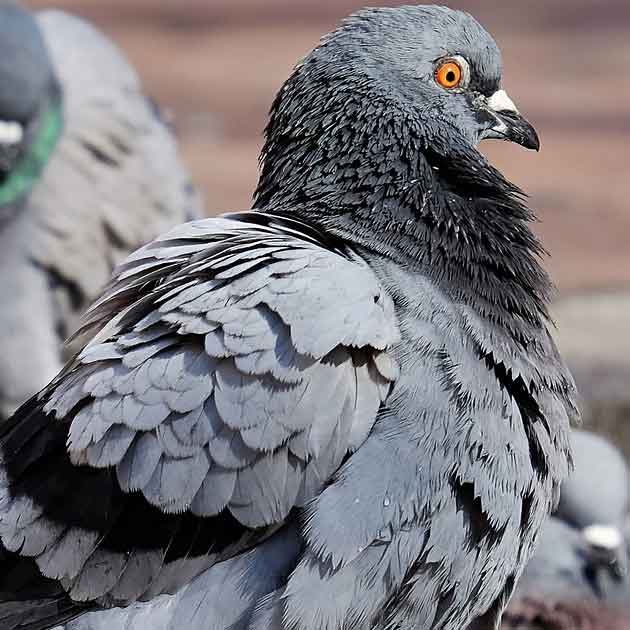




Pigeons can become persistent problems around GTA subway stations and safe, lawful and targeted pigeon control and removal can present a great number of challenges in active subway environments.
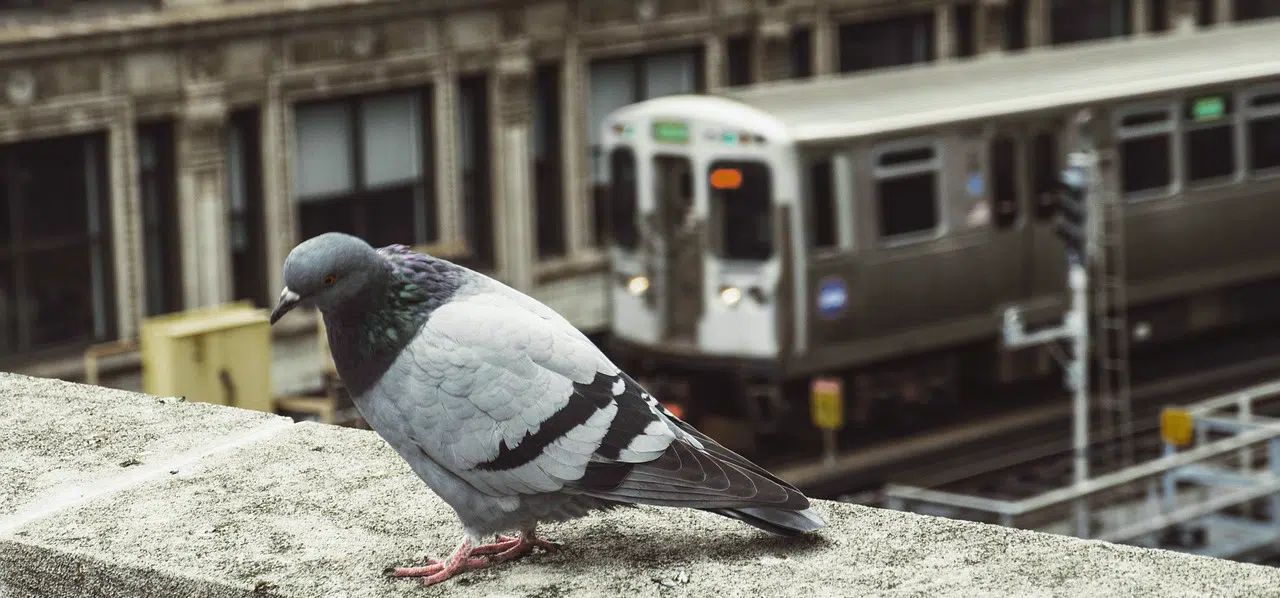
Read on to learn more about professional pigeon removal from Toronto subway and train stations and what you can do to reduce the number of pest birds around our public transportation systems.
Why Pigeon Control is a Must for GTA Subway Stations
Pigeons not only pose a number of health risks for staff and passengers, but they can also cause detrimental damage to equipment and architecture. Here are some of the most urgent concerns:
- Droppings on platforms, stairs, entrances and other passenger areas
- Nesting in sheltered sections of stations
- Slip and sanitation concerns from accumulated droppings
- Blocked or contaminated drainage and building components
- Pigeons entering areas that are difficult for maintenance crews to access
- Cleaning and maintenance costs
- Repeated nesting in the same station structures
- Passenger complaints and concerns about pigeons flying around enclosed station areas
- Corrosive pigeon guano (droppings) degrading equipment and structures
Where Do Pigeons Nest and Roost in Subway Stations?
Identifying the specific roosting and nesting locations is important before selecting the appropriate and most promising subway pigeon control method. Prime pigeon locations in subway stations include:
- Station roofs and roof overhangs
- Platform structures
- Ledges and architectural recesses
- Covered entrances
- Concourse-level ledges
- Areas around ventilation/mechanical structures
- Elevated exterior sections of stations
- Sheltered spaces around station buildings
- Areas where pigeons can access food or nesting material
It's also imperative to distinguish between open-air/above-ground stations and enclosed subway environments as the control strategies and solutions may differ.
How to Get Rid of Pigeon Nests in Subway Stations
Assess the pigeon nest before attempting to remove it.
- Determine whether the nest is active.
- Check for eggs or young birds.
- Don't assume that every nest can simply be pulled down.
- Nest removal should be handled with applicable wildlife protections in mind.
Professional Pigeon Nest Removal
- Hire trained wildlife/bird-control professionals.
- Remove nesting material only when legally and operationally appropriate.
- Clean affected areas after removal.
- Identify why pigeons are repeatedly returning to the same location.
Pigeon Control Solutions for Subway Stations
Habitat Modification and Food-Source Management
Reducing the number of readily available food sources ought to be your very first step.
- Improve garbage and waste management.
- Address food spillage around platforms, entrances, and surrounding station areas.
- Eliminate unnecessary water sources where practical.
- Close or modify accessible roosting and nesting locations.
- Educate the public that feeding all wildlife including pigeons is not permitted in nearly all municipalities in Ontario.
Food availability can continually bring pigeons back even after physical control and exclusion work is completed.
Bird Netting for Subway Stations
Bird netting can be an excellent and nearly invisible solution to prevent pigeons from landing, roosting, and nesting in rafters and crevices commonly found in subway stations.
- Useful for excluding pigeons from specific enclosed or sheltered station structures.
- Can be appropriate for roofs, cavities, beams and other areas where exclusion is feasible.
- Professional installation is essential.
- Improperly installed or poorly maintained netting can entangle birds and create a serious animal-welfare problem.
- Bird Netting should be designed and maintained so pigeons cannot become trapped and so required inspection and maintenance access remains available.
The correct product and installation are of utmost importance. Incorrectly installed bird netting can be rendered absolutely useless.
Pigeon Trapping and Removal for Subway Stations
- Particularly useful where pigeons are concentrated in confined station areas.
- Can target established groups rather than simply attempting to scare birds away.
- Requires controlled placement and monitoring.
- Must be carried out by trained professionals.
- Pigeon Trapping should not interfere with passenger movement, station operations or rail infrastructure.
- Ontario specifically identifies trapping as especially effective for pigeons and recommends it as a primary tactic where birds are concentrated in confined, isolated areas.
Pigeon Control with Physical Exclusion and Deterrents
Bird Spikes
Bird spikes are a ledge protection system and can work exceedingly well on ledges and signage when installed correctly.
- Useful on ledges
- Suitable where there is a defined landing surface.
- Should be installed so they don't create hazards for passengers or maintenance workers.
Bird Wire / Other Low-Profile Exclusion
The Birdwire system is one of the least visible of all ledge products, and is frequently used on high-visibility ledges where aesthetics are important.
- Can be considered on suitable ledges and architectural surfaces.
- Useful where spikes aren't appropriate.
- Must be installed with maintenance and inspection requirements in mind.
Architectural Exclusion
- Close or modify specific access points where pigeons repeatedly enter sheltered spaces.
- A particularly useful pigeon deterrent for subway stations during station renovation or maintenance projects.
Falconry to Get Rid of Pigeons From Subway Stations
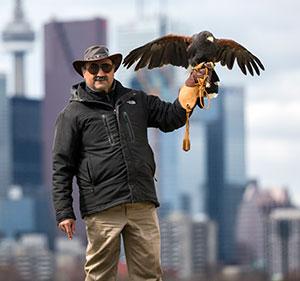
- Falconry is an excellent pigeon control method for appropriate exterior areas and larger open spaces associated with a station.
- Birds of prey create predator pressure that encourages pigeons to leave the area.
- Falconry pigeon control is more suitable for exterior/open station environments than confined underground passenger areas.
Using birds of prey to combat pigeons while keeping passengers safe requires commercially licensed and expert falconers.
Why Pigeon Scare Devices May Not Solve a Subway Station Problem
- Station pigeons quickly become accustomed to predictable visual deterrents.
- Audio devices may conflict with passenger comfort, announcements, and station noise requirements.
- Random DIY scare devices are unlikely to address established nesting.
- Scare tactics do not prevent pigeons from accessing a protected nesting location.
For established station pigeon populations, exclusion, trapping/removal, habitat modification and targeted professional control are generally more practical.
Professional Pigeon Control and Removal for GTA Subway Stations
Hawkeye Bird & Animal Control's integrated pigeon control services include customized solutions for metro and subway stations. Services range from trapping (using custom, proprietary pigeon traps) to all manners of exclusion and birds of prey. Contact Hawkeye today for an assessment and long-term pigeon control management plan.
Our pigeon removal solutions for subway stations are available all across Southern Ontario, including Toronto, Scarborough, Brampton, Vaughan, Markham, Ajax, Newmarket, Etobicoke, Oshawa, and Mississauga
