 CA
 US






Fresh snowfall can make wildlife activity easier to notice, particularly around buildings, waste storage areas, gardens, and outdoor structures.
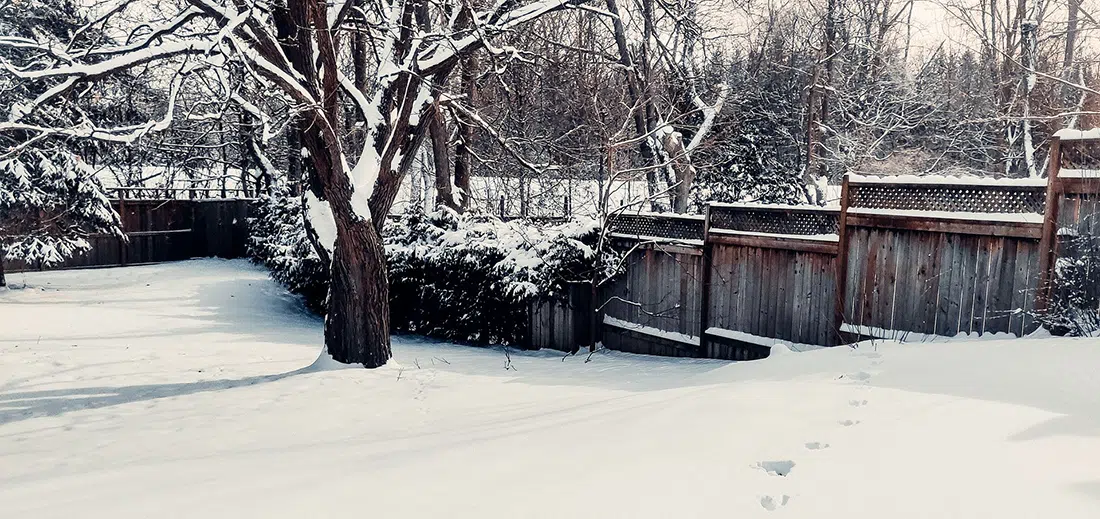
Raccoon tracks and disturbed snow or fresh raccoon feces can indicate recent movement, but they do not automatically confirm that an animal is living on the property. This article explores what property owners can learn from these signs, what can and cannot be established by them alone, and when professional assessment may be necessary.
How to Identify Raccoon Tracks in the Snow
Raccoon footprints, particularly the front feet, have five elongated toes that can resemble small handprints. The hind footprint is usually less defined but also shows five distinct toes. While the front print may look somewhat like a human hand, the rear print definitely looks like that of an animal. When identifying raccoon tracks, keep this in mind:
- Raccoon paws have five toes, both front and back
- All toes point forward
- Paw prints are two to three inches across
- Small claw impressions may be visible
- Track patterns typically show a front foot next to the opposite rear foot
The only other animals in Ontario that leave similar tracks are opossums. You can distinguish the difference by looking at the direction of the toes. Raccoon feet will show all toes pointing in one direction (forward), while opossums' toes are more spread out with the "thumb" being more separated than the rest of the toes. See if there are signs of a tail dragging behind as well... this would indicate an opossum rather than a raccoon. Other wildlife, such as foxes or coyotes will leave behind dog-like paw prints.
What Raccoon Tracks Around Your Property Can Tell You
Depending on where you observe the tracks, you may get an idea of whether the animal resides on your property or merely passes through.
- Repeated tracks along the same route
May suggest that a raccoon regularly travels between two areas. - Tracks near building entrances
May indicate investigation or movement around potential access points, but do not prove entry. - Tracks around waste and food storage areas
May point to repeated visits to accessible food sources. - Tracks leading toward trees or outdoor structures
May indicate movement through the property or a winter den in a tree or outbuilding.
While tracks can confirm the presence of wildlife or show movement, they don't necessarily indicate nesting, occupancy, or confirm the number of animals.
What Disturbed Snow Can Reveal About Raccoon Activity
Footprints aren't the only signs of raccoons in winter. Pay attention to other disturbances in the snow as well:
- Scraped or displaced snow
Could indicate raccoons digging in the snow or searching around a particular spot. - Disturbed garbage and scattered waste
May suggest an animal has been investigating accessible food. - Snow displaced around outdoor containers
Could indicate attempts to access stored food or shelter. - Marks around fences and barriers
May show where wildlife has moved through or investigated an obstruction. - Disturbed snow beneath trees
May indicate activity around the base of trees or movement between elevated and ground-level areas.
Keep in mind that no single disturbance is definitive proof of raccoon activity on your property.
How Raccoon Tracks May Lead to Places You Would Not Expect
Following visible tracks may give you a better idea of what areas the raccoon is exploring and for what purpose.
- Tracks may cross parking areas, walkways, driveways, and open yards before reaching a sheltered part of the property.
- Trails may follow fences, retaining walls, building edges, and other structures, often in an attempt to access the roof.
- Tracks around commercial dumpsters, loading areas, and outdoor storage may indicate movement toward accessible food sources.
- On larger properties, tracks may connect different buildings or outdoor activity areas.
Can You Tell Whether a Raccoon Is Still on Your Property from Its Tracks?
Not really. Fresh tracks can tell you that a raccoon was there recently and this may give you pause to investigate, inspect your property, and identify possible building access points.
- Fresh, clearly defined impressions indicate recent movement.
- Recent snowfall, melting, refreezing, and wind can make tracks appear older or newer than they are.
- A trail ending near a building does not prove the raccoon entered it but calls for a closer inspection.
- Tracks alone cannot confirm whether a raccoon is currently inside a structure or whether you have a raccoon infestation in the winter.
What to Do If You Find Raccoon Tracks Near Your Building or Property
- Note the location and direction of the tracks without approaching the animal.
- Photograph visible trails and disturbances before they disappear.
- Check for related signs from a safe location, such as damaged garbage containers or disturbed exterior materials.
- Do not block suspected entry points until you know whether an animal is inside.
- Arrange a professional assessment if tracks repeatedly lead toward a building or are accompanied by signs of possible entry.
When Should You Be Concerned About Raccoon Tracks in the Snow?
When ordinary wildlife movement culminates in confirmed sightings or noises inside structures, further investigation is warranted.
- Repeated tracks around the same building or access point.
- Multiple trails converging around a particular structure.
- Tracks accompanied by visible damage, disturbed waste, or other signs of entry.
- Recurring activity around food-storage or livestock areas.
- Evidence of repeated visits despite previous exclusion or removal work.
Wildlife problems are quite common during the winter months as raccoons seek the comfort and protection of indoor shelter.
Contact Hawkeye for Winter Raccoon Control and Removal
Repeated raccoon activity or suspected building access may require professional intervention. Choose between Hawkeye's professional raccoon control or permanent wildlife removal services and address your raccoon problems before your raccoon's winter den turns into a birthing den in the spring. Call Hawkeye Bird & Animal Control today to get rid of raccoons on your property!
Hawkeye's winter raccoon removal services are available all across Southern Ontario, including Toronto, Scarborough, Brampton, Vaughan, Markham, Ajax, Pickering, Newmarket, Etobicoke, Oshawa, and Mississauga.
Related Articles:
https://www.hawkeye.ca/blog/permanent-raccoon-removal-in-winter-gta
