 CA
 US



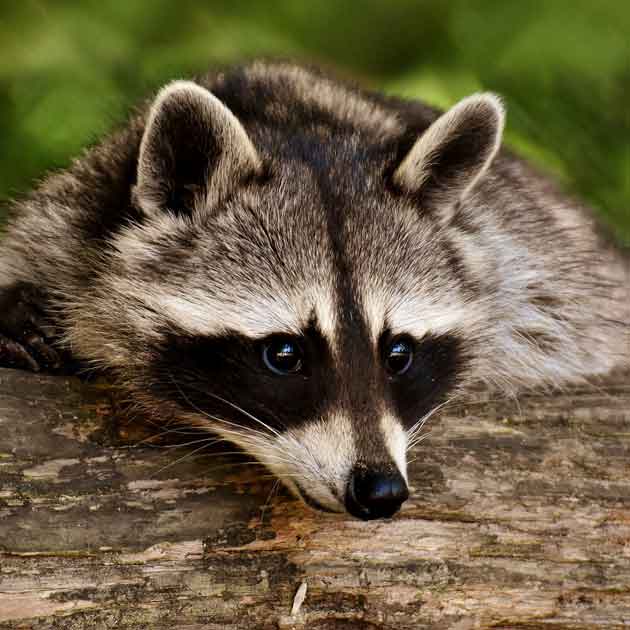




If your home is frequently visited by trash pandas, you may not want to go the route of trapping them, but rather seek natural ways to get rid of raccoons.
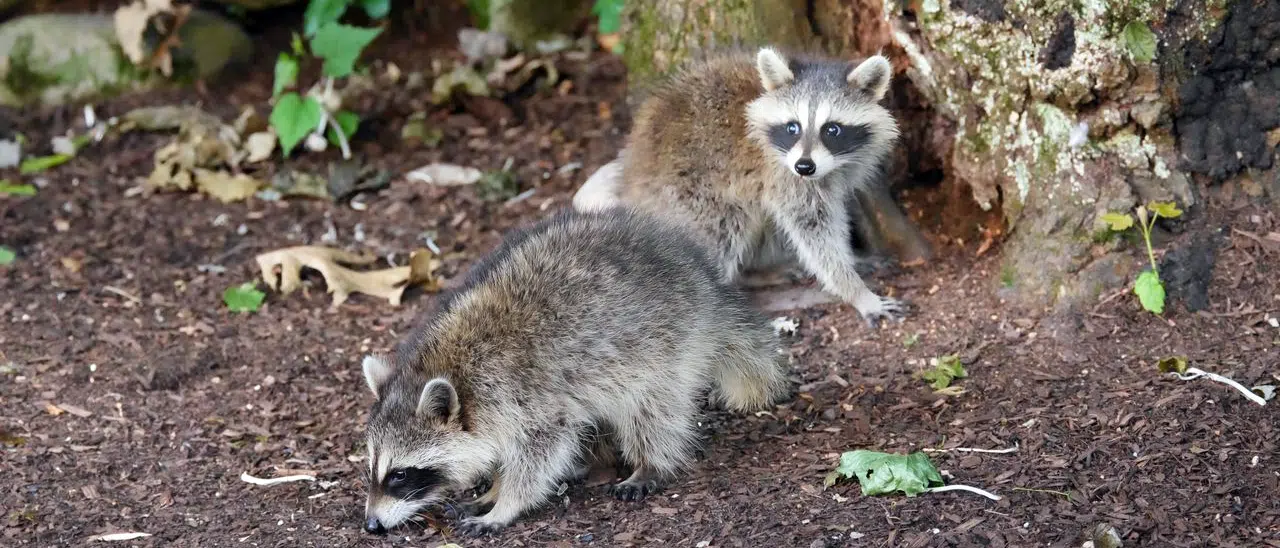
Raccoon infestations are common across residential, commercial, and municipal properties in the GTA - after all, Toronto has been dubbed the "Raccoon Capital of the World" for a reason.
This article explores predator urine as a natural repellent as it is a widely discussed natural raccoon control method. Let's look at what predator urine can and cannot do.
Why People Look for Natural Ways to Get Rid of Raccoons
Raccoons, cute and entertaining as they may be, cause significant and costly damage to roofs, siding, and attics, including chewed wiring (fire hazard) and actual structural damages. Many home owners look to natural and less invasive, non-chemical solutions to get rid of raccoons and predator urine is often hailed as a successful, natural raccoon deterrent on online forums and even by some pest control companies.
And to be fair, it does sound like it might work and makes some sense. Read on to learn more.
What Is Predator Urine Scent-Based Raccoon Control?
In short... it isn't. Predator urine is a mildly effective raccoon deterrent at best. In theory, raccoons might avoid an area if there's evidence (scent) of a predator nearby but in reality, there's little change in raccoon behaviour, if any at all. Predator urine does not replace raccoon control or removal.
Types of Predator Urine Used for Raccoon Control
Here are some of the commercially available predator urine options you may find as a raccoon repellent:
- Coyote urine
- Fox urine
- Bobcat urine
- Wolf urine (less commonly used)
- Commercial predator scent products and synthetic alternatives
To start off, coyote and fox are not natural raccoon predators. They actually quite happily live and hunt in the same territory and their urine will not deter a raccoon. Bobcats and wolves are much more likely to prey on raccoons in the wild and their scent may keep a raccoon at bay for a short time.
Does Predator Urine Actually Work to Get Rid of Raccoons?
According to several studies, no, it does not. Predator urine may temporarily discourage raccoons in some situations but it lacks the lacks the full sensory signature of a live predator. Raccoons are super intelligent animals and without predator vocalizations, movement, and fresh feces or body scent, they realize quickly that there is no actual predator present. They will quickly learn to ignore the urine scent alone.
A 2025 study published in Science Direct, where a Y-maze was used to observe captive raccoons for changes in foraging behavior when predator urine was present, found that there was no significant change with or without the predator scent present. In fact, it appeared as if the raccoons actually entered the maze faster when predator urine was present.
So, predator urine is not a reliable stand-alone raccoon removal solution.
When to Use Predator Urine for Raccoon Control
Efficacy depends on food access, shelter availability, raccoon behaviour, and application consistency.
- Newly visiting raccoons
- Low-pressure wildlife activity
- Open outdoor spaces
- Early prevention efforts
It's important to note that without removing food and shelter, using predator urine to get rid of raccoons likely will not be successful.
Where Can Predator Urine Be Used for Raccoon Control?
Residential Properties
- Yards
- Gardens
- Garbage storage areas
- Decks and patios
- Fence lines
- Roof entry prevention zones
Commercial Properties
Municipal and Public Properties
- Parks
- Public waste areas
- Utility structures
- Recreational spaces
Predator urine use should be site-specific and cannot be not viewed as universal raccoon removal.
How to Use Predator Urine for Raccoon Deterrence
Application Methods
- Granules
- Gel
- Liquid sprays
- Scent stations
- Absorbent materials
Placement Strategies for Better Results
- Entry points
- Travel routes
- Garbage areas
- Perimeter applications
- Rotating locations
How Often Does Predator Urine Need to Be Reapplied?
Depending on weather and location, predator urine needs to be applied very frequently and requires repeated maintenance. Repetition depends on:
- Rain
- Irrigation
- Sun exposure
- Weather breakdown
Why Predator Urine Fails to Completely Remove Raccoons
Again, predator urine does not solve a raccoon invasion and here's why:
Lack of Full Sensory Signature of a Live Predator
- No predator vocalizations
- No predator movement
- No fresh feces or body scent
Raccoons Become Used to Predator Scents
- Habituation to a scent without threat
- Urban wildlife adaptability
- Reduced fear response over time
Predator Urine Does Not Remove Food or Shelter
The availability of food and shelter outweighs a scent deterrent. In addition to predator urine you will need to remove:
- Garbage
- Bird feeders
- Shelter access
- Attic entry points
Weather Conditions Reduce Effectiveness
- Rain washing scent away
- Wind dispersion
- Seasonal effectiveness
Predator Urine Cannot Physically Remove Raccoons
- Deterrents do not remove animals
- Existing raccoons remain present
- No control over return activity
Urban Raccoons Are Highly Adaptable
Particularly in the GTA, the raccoon population is so large and the animals have learned to thrive living alongside humans.
- Food abundance
- Human habituation
- Competition pressures
- Persistent return behaviour
Temporary Scaring Is Not Permanent Raccoon Control
This is true for all deterrents - they may work for a few hours or days but they do not offer long-term success for raccoon prevention.
- Raccoons may leave briefly
- Often return when scent weakens
- Temporary animal absence can create false confidence
Hawkeye’s Permanent Raccoon Removal Solution
When deterrents and DIY raccoon control stop working, it's time to call the professionals for direct raccoon removal and site-specific management. Hawkeye Bird & Animal Control offers 35+ years of experience with wildlife removal and guaranteed results.
Difference Between Relocation and Permanent Raccoon Removal
Most wildlife control approaches focus only on relocation and that is primarily because captured wildlife in Ontario has to be released within one kilometre of the trapping site OR be euthanized - and only a very few wildlife agents in Canada are licensed to do the latter. The problem with relocating (trapping and releasing 1km away) a raccoon is that he/she will almost always return. Raccoons have strong homing instincts and can travel up to 5km in their normal foraging journeys. So, they'll likely be back by the end of the day and you'll be caught in a costly cycle of rinse and repeat.
Hawkeye’s Permanent Raccoon Removal Approach
- Site inspection and wildlife assessment
- Identification of nesting or entry points
- Trapping where legally authorized
- Permanent raccoon removal process
The decision of what happens to the animal after capture is up to you, the client. We can release the animal or offer the option of permanent raccoon removal (humanely euthanizing it), and thereby ensuring that the offending animal will never return.
Should You Use Predator Urine to Get Rid of Raccoons?
In short, no, you should not use predator urine if you want to get rid of raccoons on your property. Predator urine may provide temporary deterrence in limited situations but it is not a raccoon removal solution.
Contact Hawkeye Bird & Animal Control if you are a property owner in the GTA for professional raccoon control and permanent removal solutions when recurring raccoon activity persists.
Hawkeye's raccoon removal services are available all across Southern Ontario, including Toronto, Scarborough, Brampton, Vaughan, Markham, Ajax, Pickering, Newmarket, Etobicoke, Oshawa, and Mississauga.
Related Articles:
https://www.hawkeye.ca/blog/how-to-trap-and-get-rid-of-raccoons-in-vaughan-warehouses
https://www.hawkeye.ca/blog/how-to-get-rid-of-raccoons-in-gta-storm-drainage-systems
https://www.hawkeye.ca/blog/raccoon-nests-or-dens
