 CA
CA US
US


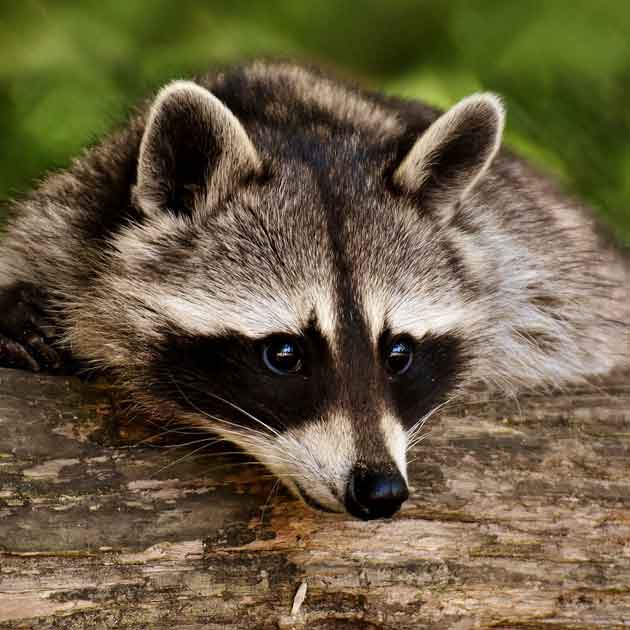



Fall preparation should happen before raccoons establish themselves in roofs, attics, sheds, garages, or other sheltered areas around your home. A late-summer property inspection can identify vulnerabilities while they are still relatively easy to address.
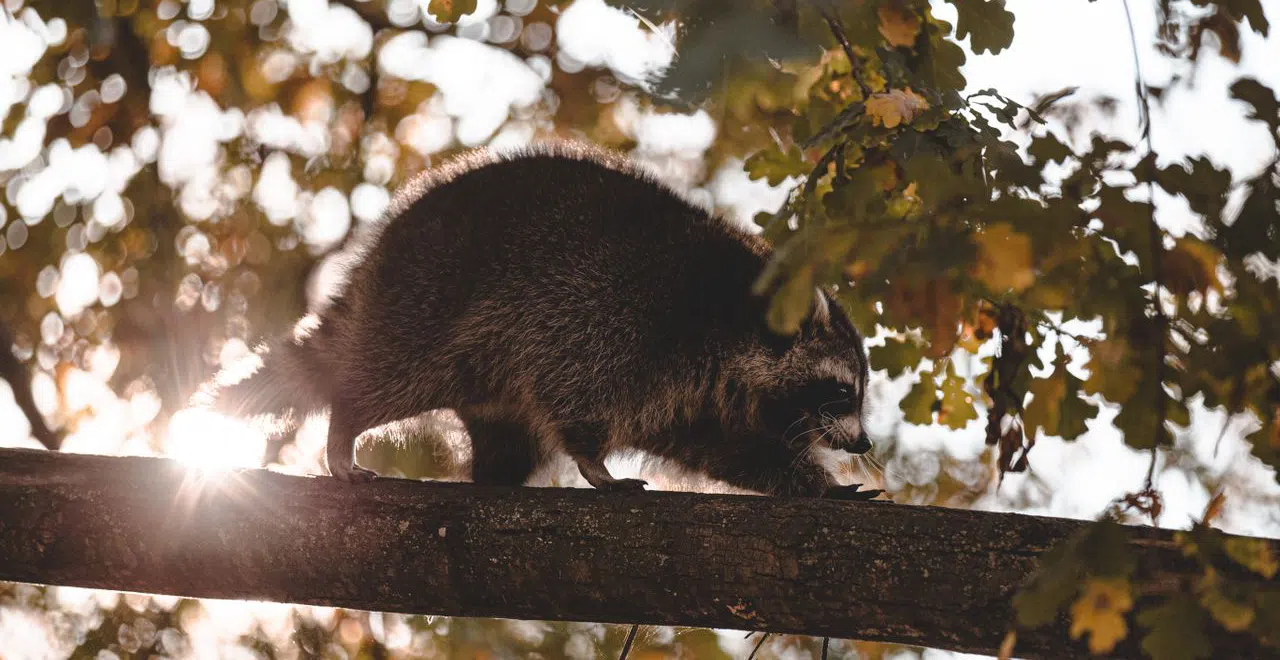
The goal of an inspection isn't to eliminate wildlife from the surrounding area, but to make the property harder for raccoons to enter, occupy, and repeatedly visit. This article will discuss what type of inspection is needed and what to pay attention to.
1. Inspect Your Property for Fall Raccoon Entry Points
Check your property for openings before fall raccoon activity increases. These raccoon prevention tips can help identify vulnerabilities before they become entry points. Closely inspect:
- Roof edges
- Soffits and fascia
- Roof vents
- Chimneys
- Attic openings
- Foundation gaps
- Crawl-space entrances
- Areas beneath decks
Here's what to look for:
- Existing holes
- Loose materials
- Damaged screens
- Gaps around pipes and utilities
- Signs that previous repairs have deteriorated
2. Secure the Roof and Attic Before Raccoons Get Inside
The attic is a particularly sought-after space for raccoons seeking to bunk down for the winter. Pay attention to and address any necessary maintenance, such as:
- Repair damaged soffits and fascia
- Replace loose roof shingles
- Reinforce vulnerable roof edges
- Secure roof vents
- Check chimney openings and add caps, where possible
- Inspect areas where different roofing materials meet
Autumn is not the optimum time to discover that an opening has already become an entry route. Ideally, these inspections and repairs are done in the months of August and September.
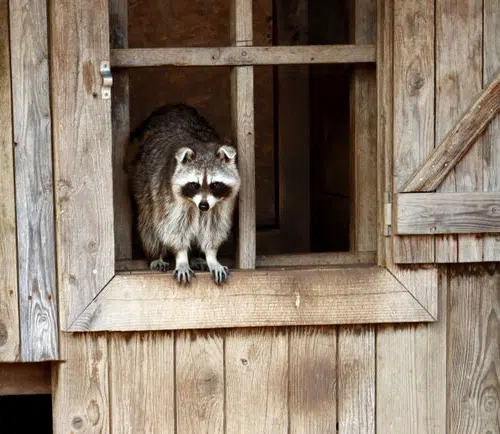 3. Fall Raccoon Control for Garages, Sheds, and Outbuildings
Secure detached structures and secondary buildings before raccoons can exploit entry points. Here are some areas that warrant attention:
- Detached garage doors that don't close completely
- Shed doors
- Broken windows
- Gaps beneath doors
- Workshop entrances
- Barn or equipment-building access
Property owners will often secure their house but overlook structures elsewhere on the property that can also become a winter home for raccoons and other wildlife.
4. Protect Crawl Spaces and Low-Level Access Points
To prevent raccoons from entering under decks, porches, and buildings, focus on vulnerabilities like:
- Crawl-space vents
- Gaps beneath porches
- Deck foundations
- Foundation openings
- Utility access points
After identifying possible access points, consider installing durable wildlife-resistant barriers where appropriate.
5. Check Trees Before Fall Raccoon Control
Tree branches often act as a bridge to your roof line and building, so trimming vegetation can reduce easy access. Keep the following in mind:
- Branches touching or coming within five feet of roofs
- Tree limbs providing access to upper levels
- Damaged trees close to buildings
- Dense vegetation touching structures
Consider getting a professional arborist assessment when pruning or tree cutting is required, especially when the work is up high. If you’re dealing with a city-owned tree, you will have to abide by existing bylaws.
6. Secure Outdoor Waste and Property Attractants
Remove easy food sources before raccoons establish a routine and view your property as a snack shack.
Food and waste management
- Garbage containers
- Compost bins
- Outdoor pet food
- Fallen fruit
Food waste around commercial properties
- Waste collection areas
- Dumpster lids
- Restaurant/food-service waste
- Shared waste enclosures
7. Prepare Landscaping for Fall Raccoon Control
There are several ways to protect flower beds, mulch, and lawns from raccoons digging up your ornamental landscaping.
- Lay down wire mesh (heavy duty hardware cloth)
Proect garden beds and freshly installed landscaping - Avoid fertilizers containing bone meal, blood meal, or fish emulsion
These fertilizers smell like food and may cause raccoons to dig up your landscaping - Consider introducing good nematodes
Entomopathogenic species of roundworms (i.e. Steinernema feltiae) kill destructive soil-dwelling pests like grubs (a raccoon favourite), flea larvae, and fungus gnats without harming pets or earthworms.
8. Prepare Seasonal and Vacant Properties Before Fall
Don't leave cottages and seasonal buildings vulnerable to raccoons. Take action now, before you find yourself in need of raccoon removal next spring.
- Perform a cottage inspection before closing for the season
- Secure doors and windows
- Check attics and crawl spaces
- Close unused outbuildings
- Inspect the property after an extended vacancy
Lakefront seasonal properties and cottages around the GTA and rural areas are particularly attractive to winte raccoon populations.
9. Check Commercial Properties Before Fall Raccoon Activity Increases
Fall raccoon prevention must include facility-management preparation for commercial and industrial properties.
- Perform a roof inspection for raccoons
- Address vulnerabilities in:
Loading-areas
Mechanical/service areas
Waste enclosures
Detached structures
Rooftop equipment areas
Owners of large properties should inspect all the structures on their land, not just the main building.
10. Don't Seal an Opening Until You Know There’s No Raccoon Inside
Avoid creating a bigger raccoon removal problem during fall preparation by assuming that a visible hole is an empty entry point. Raccoons may already be using the opening as a den and sealing an occupied space can trap animals inside.
Consider arranging for a professional inspection and wildlife assessment before accidentally trapping raccoons inside your building.
11. Use Temporary Raccoon Control Measures Carefully
DIY raccoon deterrents are not enough for fall prevention. The following popular raccoon deterrents have little or no value when it comes to preventing a winter raccoon infestation:
- Motion-activated lights
- Sound devices
- Visual deterrents
- Odour-based deterrents
These methods may provide temporary disruption but shouldn't be treated as a substitute for raccoon infestation prevention, securing physical access points, or addressing an established infestation.
Get Rid of Raccoons Before Fall Problems Become Winter Infestations
Prevention works best BEFORE raccoons move into your home or business. Once an active infestation exists, simply securing the building is too little too late. A professional wildlife assessment can determine whether raccoons, juveniles, or an active den are present.
Hawkeye Bird & Animal Control provides permanent raccoon removal designed to break the cycle of recurring infestations. Raccoon removal must be followed by appropriate exclusion and property repairs to reduce the chance of nearby animals taking over the vacant space.
Hawkeye's legally authorized permanent-removal approach is different from simply trapping and relocating a raccoon. The animal removed by Hawkeye will not return. Guaranteed. Contact Hawkeye today and keep your property safe from raccoons for the upcoming season.
Hawkeye's raccoon removal services are available all across Southern Ontario, including Toronto, Scarborough, Brampton, Vaughan, Markham, Ajax, Pickering, Newmarket, Etobicoke, Oshawa, and Mississauga.
Related articles:
https://www.hawkeye.ca/blog/why-detached-homes-in-toronto-face-a-higher-risk-of-raccoon-in-the-fall
